The gut epithelium forms a selective physical boundary between the intestinal lumen and the bloodstream, maintained in large part by tight-junction protein complexes — including claudins, occludin, and zonula occludens (ZO) family members — that seal the spaces between adjacent epithelial cells. When these junctions are disrupted, microbial products and partially digested dietary antigens can cross into systemic circulation, provoking inflammatory responses linked to a range of gastrointestinal and metabolic conditions. Understanding what maintains or undermines this barrier has become a central question in microbiome and mucosal immunology research.
Akkermansia muciniphila, a gram-negative anaerobe that inhabits and partially degrades the gut’s mucus layer, has attracted growing research interest as a potential modulator of intestinal barrier integrity. Unlike many probiotic organisms studied in this context, A. muciniphila appears to act through several distinct pathways: shedding membrane-derived extracellular vesicles that carry signaling molecules to epithelial cells, producing a heat-stable outer-membrane protein with anti-inflammatory properties, and stimulating transcriptional responses that support tight-junction expression. The sections below review the laboratory and preclinical evidence for these proposed mechanisms, with honest acknowledgment of where the evidence currently stands.
Key Takeaways
- A. muciniphila may support tight-junction integrity through at least two distinct mechanisms: extracellular vesicle signaling that upregulates junction proteins [1] and outer-membrane protein (Amuc_1100) activity that promotes epithelial wound healing via CREBH and miR-143/145 [2].
- In vitro evidence suggests A. muciniphila can protect tight-junction organization under heat stress conditions by modulating the HSP27 pathway in intestinal epithelial cells [3].
- Dietary stachyose supplementation was associated with increased A. muciniphila abundance and improved intestinal barrier markers in a germ-free mouse model reconstituted with human microbiota [4].
- The bacterium’s abundance appears sensitive to systemic influences including pharmaceutical exposures such as atorvastatin, suggesting barrier-relevant changes may occur indirectly through many routes [5].
- The majority of current mechanistic evidence comes from cell-culture and animal models; robust human clinical trial data specifically measuring tight-junction endpoints remain limited, and no Akkermansia supplement is FDA-approved to treat or prevent any disease.
Tight Junctions: The Molecular Gatekeepers of Gut Permeability
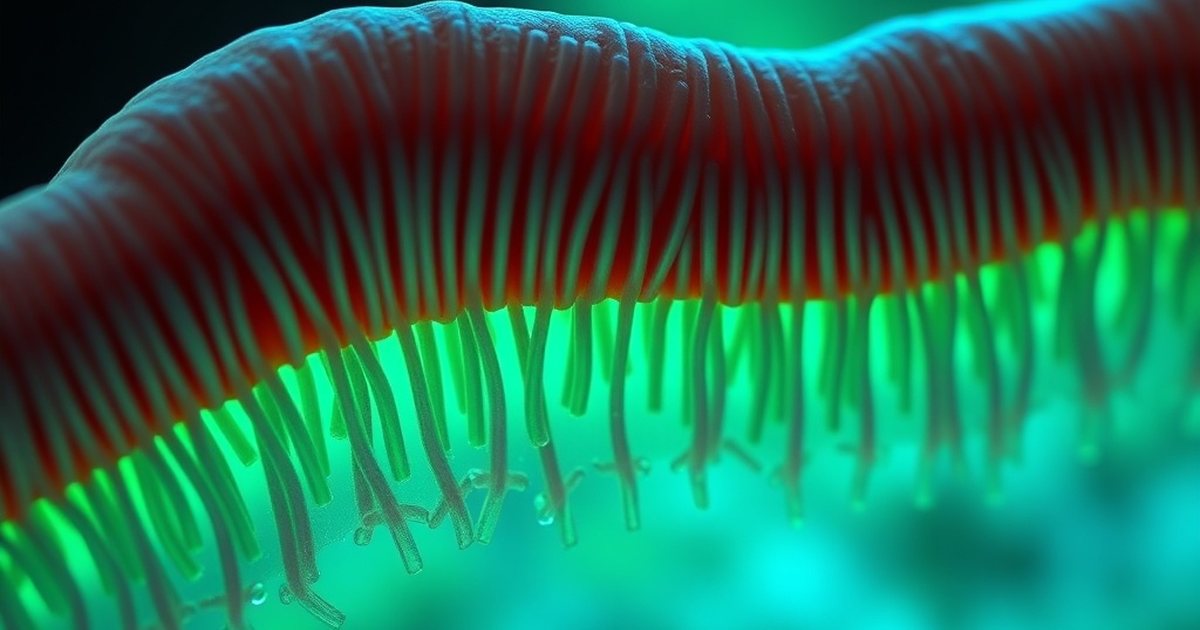
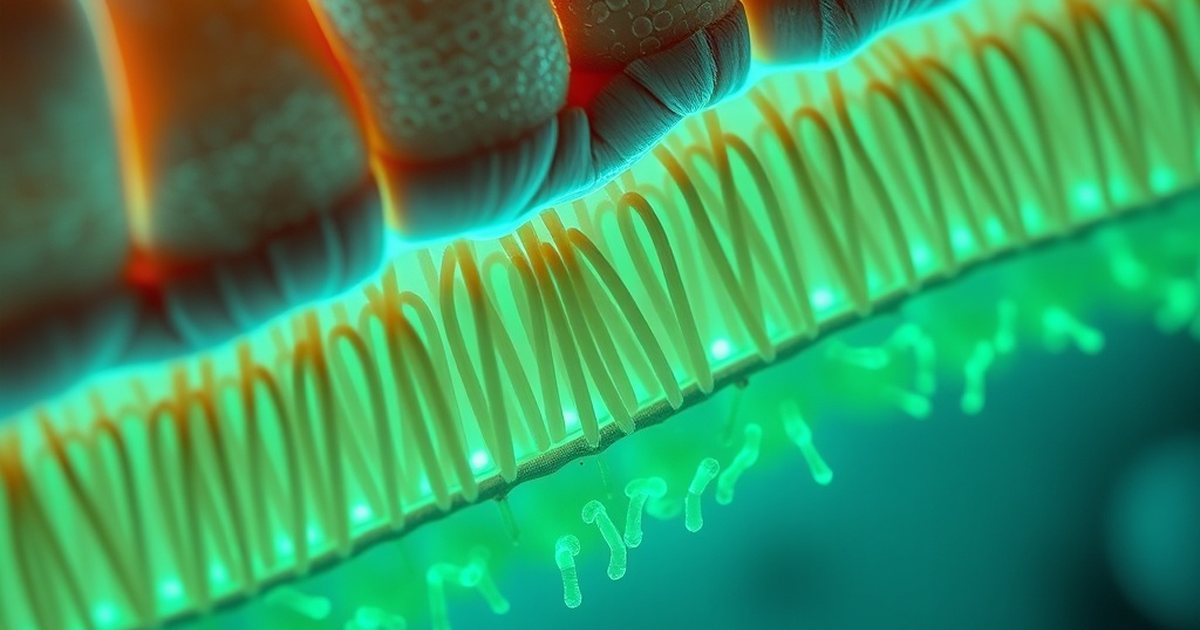
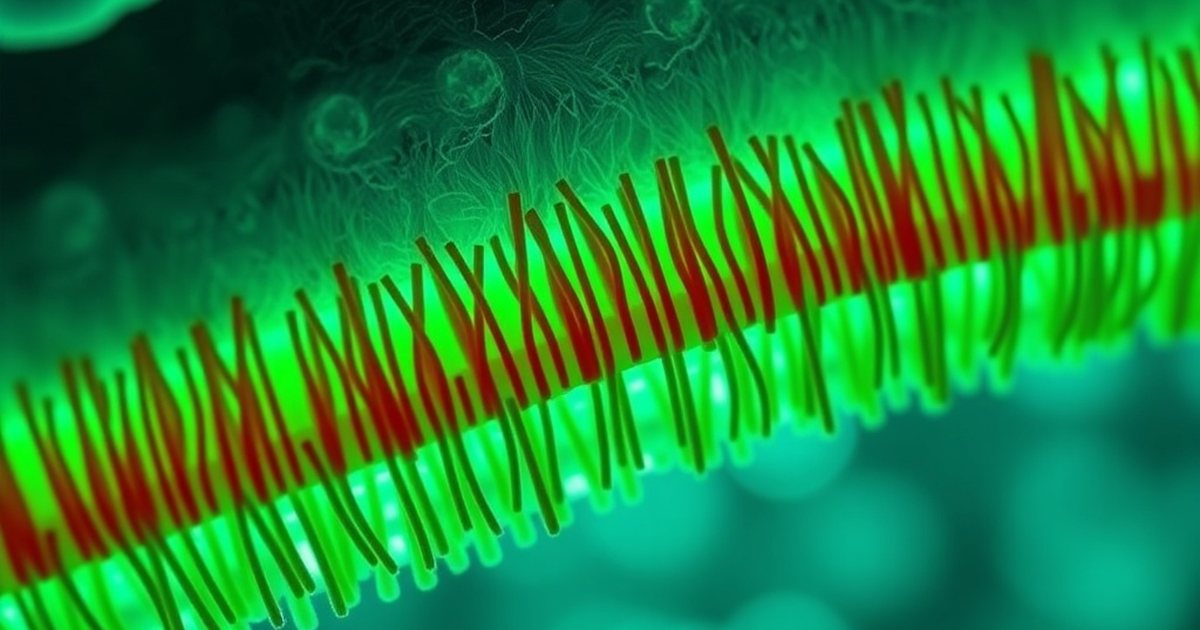
Tight junctions are multi-protein complexes assembled at the apical end of the lateral membrane between intestinal epithelial cells. Claudins determine paracellular ion selectivity, occludin participates in barrier tightening and signaling, and ZO-1/ZO-2 scaffold proteins anchor the entire complex to the actin cytoskeleton. Their combined expression levels and subcellular localization determine how tightly sealed the epithelial monolayer is at any given time.
A range of physiological stressors can reduce tight-junction protein expression or cause their mislocalization away from cell-cell contacts: sustained pro-inflammatory cytokine exposure, oxidative stress, heat stress, and disruption of the commensal microbiome are among the most studied. Because A. muciniphila colonizes the mucus layer in direct anatomical proximity to the epithelium, it is positioned to interact with tight-junction regulation in ways that more luminal bacteria cannot easily replicate.
Heat Stress, Caco-2 Cells, and HSP27 Modulation
A 2023 in vitro investigation examined whether A. muciniphila could restore intestinal barrier function impaired by heat stress. Using the well-established Caco-2 human intestinal epithelial cell model, researchers subjected cells to heat stress and then assessed permeability and tight-junction integrity. Addition of A. muciniphila was associated with improved barrier function, and the proposed mechanism involved modulation of heat-shock protein 27 (HSP27) [3].
HSP27, when phosphorylated under stress conditions, can reorganize the actin cytoskeleton and displace tight-junction proteins from their normal membrane-associated positions. By attenuating this aberrant HSP27 activity, A. muciniphila treatment appeared to help preserve the structural organization of claudin and occludin at cell-cell contacts [3]. These are cell-culture findings and cannot be directly extrapolated to human outcomes without further clinical investigation.
Extracellular Vesicles as Long-Range Barrier Signals
Bacteria continuously shed nanoscale membrane-derived particles called extracellular vesicles (EVs). Because these vesicles are far smaller than the parent bacterium, they can traverse the mucus layer and reach the epithelial surface even when live bacteria do not. A. muciniphila-derived EVs have been identified as biologically active signaling molecules with measurable effects on the gut epithelium.
In a 2018 experimental study, A. muciniphila EVs were shown to influence gut permeability through the specific regulation of tight-junction proteins [1]. The vesicles promoted expression of junction-associated proteins in exposed epithelial cells, suggesting that A. muciniphila may exert some of its barrier-related effects without requiring direct cell-to-cell contact. This finding is particularly relevant to the ongoing evaluation of pasteurized and EV-enriched preparations of the bacterium, where live bacteria are absent but membrane-derived fractions remain intact.
Amuc_1100: The Outer-Membrane Protein and Epithelial Repair
One of the most studied molecular actors in A. muciniphila barrier research is Amuc_1100, a heat-stable outer-membrane protein that has been investigated both as part of the intact bacterium and in isolated form. Because it retains activity after pasteurization, Amuc_1100 has attracted particular interest as a potential active component of non-live formulations.
A 2023 study found that A. muciniphila and its membrane protein reduced intestinal inflammatory stress and promoted epithelial wound healing. The proposed signaling pathway involved activation of CREBH — a liver-enriched transcription factor also expressed in the intestine that regulates metabolic and inflammatory gene programs — along with modulation of microRNAs miR-143 and miR-145, which participate in cytoskeletal organization and epithelial cell differentiation [2]. This mechanistic complexity suggests that A. muciniphila’s barrier-supportive effects may involve coordinated transcriptional regulation of epithelial repair rather than simple upregulation of a single tight-junction protein.
Diet, Prebiotics, and Supporting Akkermansia Colonization
Because live A. muciniphila cannot yet be reliably delivered as a conventional probiotic for most consumers, identifying dietary strategies that support its natural colonization is of practical relevance. Stachyose, a prebiotic tetrasaccharide found in legumes such as soybeans and lentils, was investigated in a germ-free mouse model reconstituted with human gut microbiota via fecal transplantation.
Dietary stachyose supplementation was associated with increased A. muciniphila relative abundance in the transplanted microbiome, improvements in intestinal barrier markers, and reduced gut inflammation [4]. The germ-free-plus-human-fecal-transplantation model is a useful experimental tool for isolating diet-microbiome-host interactions, but translation to human clinical outcomes requires dedicated trials. Other polyphenol-rich foods and prebiotic fibers have been proposed to support A. muciniphila in observational and short-term intervention studies, though the tight-junction endpoint has not been uniformly measured in that work.
Statins, Systemic Conditions, and the Broader Context
An instructive observation emerged from research on atorvastatin, a widely prescribed HMG-CoA reductase inhibitor. Investigation of its intestinal effects uncovered an association between atorvastatin use, shifts in A. muciniphila abundance, and corresponding changes in gut barrier function markers [5]. Statin therapy is not a strategy for augmenting A. muciniphila, but the finding reinforces that the bacterium’s abundance is responsive to systemic pharmacological and physiological conditions — and that barrier function and A. muciniphila levels may covary in contexts well beyond direct probiotic intervention.
Research on other mucosa-associated bacteria further illustrates how gut microbiome members can influence intestinal barrier dynamics through distinct mechanisms. Studies on Limosilactobacillus reuteri, for example, have examined how this organism may mitigate intestinal injury in experimental colitis models [6]. While L. reuteri and A. muciniphila differ substantially in their mechanisms and ecological niches, this parallel line of research underscores a broader emerging principle: several commensal bacteria appear to support epithelial integrity through complementary, sometimes overlapping pathways involving inflammatory signaling, cytoskeletal organization, and junction protein expression.
🛒 Where to Buy Akkermansia muciniphila
- Pendulum AkkermansiaLab-tested / studied
delayed-release capsules, 100M AFU — The only patented live A. muciniphila strain (WB-STR-0001); single-strain with chicory inulin, third-party tested. - Codeage Akkermansia Muciniphila
capsules, 100M AFU, 90 ct — Lower-cost Akkermansia plus chicory inulin synbiotic; 3-month supply, gluten-free. - Double Wood Akkermansia Probiotic + Postbiotic
capsules, per label — Budget Akkermansia option marketed around GLP-1 and postbiotic support.
As an Amazon Associate we earn from qualifying purchases. Akkermansia is a live, oxygen-sensitive strain — choose a delayed-release, third-party-tested product with a stated live AFU count.
A Note on the Evidence
The evidence reviewed here is primarily from cell-culture and animal models; human clinical trial data specifically measuring tight-junction endpoints remain limited, and findings should not be interpreted as proof of efficacy in people. No Akkermansia muciniphila supplement is FDA-approved to treat or prevent any disease, and individuals who are immunocompromised, on immunosuppressive therapy, or living with active inflammatory bowel disease should consult a qualified healthcare professional before using any live probiotic preparation. This article is informational only and does not constitute medical advice.
Frequently Asked Questions
What are tight junctions and why do they matter for gut health?
Tight junctions are protein complexes — assembled from claudins, occludin, and ZO scaffold proteins — that seal the gaps between adjacent cells in the intestinal epithelium. They act as selective gatekeepers controlling what passes from the gut lumen into the bloodstream. When tight-junction integrity is compromised, bacterial fragments and dietary antigens can enter circulation and trigger inflammatory responses associated with a range of conditions.

How does Akkermansia muciniphila affect tight-junction proteins?
The evidence points to multiple mechanisms. A. muciniphila-derived extracellular vesicles have been shown to regulate tight-junction protein expression directly in epithelial cells [1], while the bacterium’s outer-membrane protein Amuc_1100 has been linked to epithelial repair pathways involving CREBH and specific microRNAs [2]. In heat-stress cell models, A. muciniphila also appeared to preserve tight-junction organization by modulating HSP27 [3].
What is Amuc_1100 and why does it appear in Akkermansia research?
Amuc_1100 is a heat-stable outer-membrane protein produced by A. muciniphila. Its heat stability is significant because it means the protein may retain biological activity even in pasteurized preparations where live bacteria have been killed. Research has found that Amuc_1100 contributes to the bacterium’s anti-inflammatory and barrier-supportive effects, at least partly through CREBH activation and modulation of microRNAs involved in cytoskeletal and cell-differentiation programs [2].
Can eating certain foods raise Akkermansia levels and support the gut barrier?
Some preclinical evidence is encouraging. In a germ-free mouse model reconstituted with human gut microbiota, dietary stachyose — a prebiotic oligosaccharide in legumes — was associated with increased A. muciniphila abundance, improved intestinal barrier markers, and reduced gut inflammation [4]. Whether these effects translate meaningfully to humans through normal dietary intake has not yet been established in controlled clinical trials.
Is the evidence for Akkermansia's barrier effects from human clinical trials?
Most mechanistic evidence currently comes from cell-culture studies (e.g., Caco-2 monolayer models) and animal experiments. Human trials with Akkermansia supplementation exist and have examined metabolic endpoints, but tight-junction protein levels as a primary clinical outcome have not been the focus of large, well-powered human studies. The cell and animal findings are hypothesis-generating rather than confirmatory of human efficacy.
Who should be cautious about taking Akkermansia supplements?
Individuals who are immunocompromised, receiving immunosuppressive therapy (such as organ transplant recipients or those on biologics), or experiencing active inflammatory bowel disease should consult a qualified healthcare provider before using any live probiotic preparation, including live Akkermansia products. The general population risk profile appears low based on available data, but the evidence base is still developing and no Akkermansia supplement is approved by the FDA to treat, cure, or prevent any disease.
References
- Chelakkot C et al. Akkermansia muciniphila-derived extracellular vesicles influence gut permeability through the regulation of tight junctions. Experimental & molecular medicine (2018). PMID 29472701
- Wade H et al. Akkermansia muciniphila and its membrane protein ameliorates intestinal inflammatory stress and promotes epithelial wound healing via CREBH and miR-143/145. Journal of biomedical science (2023). PMID 37287024
- Peng M et al. Akkermansia muciniphila improves heat stress-impaired intestinal barrier function by modulating HSP27 in Caco-2 cells. Microbial pathogenesis (2023). PMID 36796737
- Xi M et al. Stachyose increases intestinal barrier through Akkermansia muciniphila and reduces gut inflammation in germ-free mice after human fecal transplantation. Food research international (Ottawa, Ont.) (2020). PMID 33233042
- Cheng T et al. The Intestinal Effect of Atorvastatin: Akkermansia muciniphila and Barrier Function. Frontiers in microbiology (2021). PMID 35185821
- Yue N et al. Real-world of Limosilactobacillus reuteri in mitigation of acute experimental colitis. Journal of nanobiotechnology (2025). PMID 39891249
These statements have not been evaluated by the Food and Drug Administration. This information is not intended to diagnose, treat, cure, or prevent any disease. Content is for informational purposes only and is not medical advice; consult a qualified healthcare provider before starting any supplement. As an Amazon Associate we earn from qualifying purchases.