Akkermansia muciniphila is a gram-negative bacterium that naturally colonizes the mucus layer of the human gut, typically representing more than 1% of a healthy adult microbiome. Over the past decade, research interest in this organism has grown substantially, partly because low abundance of Akkermansia has been associated with metabolic conditions and inflammatory states, and partly because its outer-membrane proteins appear to communicate directly with human immune cells in ways that may have meaningful downstream effects.
Among the more intriguing areas of inquiry is how Akkermansia interacts with the immune system at the mucosal surface — specifically its proposed role in shaping regulatory T cell populations and maintaining the kind of controlled, tolerant immune environment that keeps the gut from attacking itself. This article summarizes what current evidence suggests about those mechanisms, where the science is genuinely promising, and where important questions remain unanswered.
Key Takeaways
- Akkermansia muciniphila appears to influence mucosal immunity through TLR4 and TLR2 signaling pathways, with preclinical evidence linking it to regulation of RORγt(+) regulatory T cells in the colon [1].
- A newly characterized outer-membrane protein, Amuc_C, functions as a TLR2 agonist and has shown preclinical anti-tumor activity in colorectal cancer models [2], suggesting Akkermansia’s immunological toolkit extends beyond Amuc_1100 alone.
- Akkermansia’s immune effects do not operate in isolation — they are embedded within broader microbiota-host interactions, and separating its specific contributions from those of the surrounding microbial community remains an active research challenge.
- Most mechanistic evidence comes from animal models and in vitro systems; robust human clinical trials specifically examining Akkermansia’s immune effects are still limited, and no supplement is approved to treat any immune condition.
- Dietary strategies supporting Akkermansia abundance — including polyphenol-rich foods and diverse fiber intake — may be a reasonable, evidence-consistent approach to maintaining microbial populations associated with gut immune health.
The Gut Mucosal Immune System: A Primer
The intestinal mucosa is not simply a physical barrier — it is one of the most immunologically active surfaces in the human body. It must simultaneously tolerate trillions of commensal bacteria and dietary antigens while remaining capable of mounting rapid responses to genuine pathogens. This delicate balance is maintained through a layered system involving epithelial tight junctions, secretory immunoglobulin A (sIgA), innate pattern-recognition receptors, and a carefully calibrated population of regulatory and effector T cells.
Akkermansia muciniphila occupies a particularly strategic position within this system. It lives in and degrades the mucus layer, a behavior that sounds counterproductive but appears to stimulate the epithelium to continuously replenish mucin — effectively keeping the barrier dynamic and functional rather than static and brittle. Beyond its physical relationship to the mucosa, Akkermansia produces outer-membrane proteins and metabolites that interact with Toll-like receptors (TLRs) on immune and epithelial cells, triggering signaling cascades that can influence immune tone across the entire gut.
Understanding these interactions requires some familiarity with two immune checkpoints in particular: the TLR4 pathway, which has been directly linked to how Akkermansia shapes regulatory T cell behavior in the colon, and the TLR2 pathway, which appears to be engaged by at least one distinct Akkermansia-derived protein with its own immunological profile.
Akkermansia, TLR4, and Regulatory T Cell Responses in the Colon
Regulatory T cells (Tregs) are a specialized subset of CD4+ T cells whose primary function is to suppress excessive immune activation and prevent autoimmune or inflammatory damage to host tissue. Within the gut, a subpopulation of Tregs expressing the transcription factor RORγt — normally associated with inflammatory Th17 cells — appears to play a specific role in maintaining colonic homeostasis. These RORγt(+) Tregs are thought to be induced partly by microbial signals, making them a potential bridge between the microbiome and mucosal immune regulation.
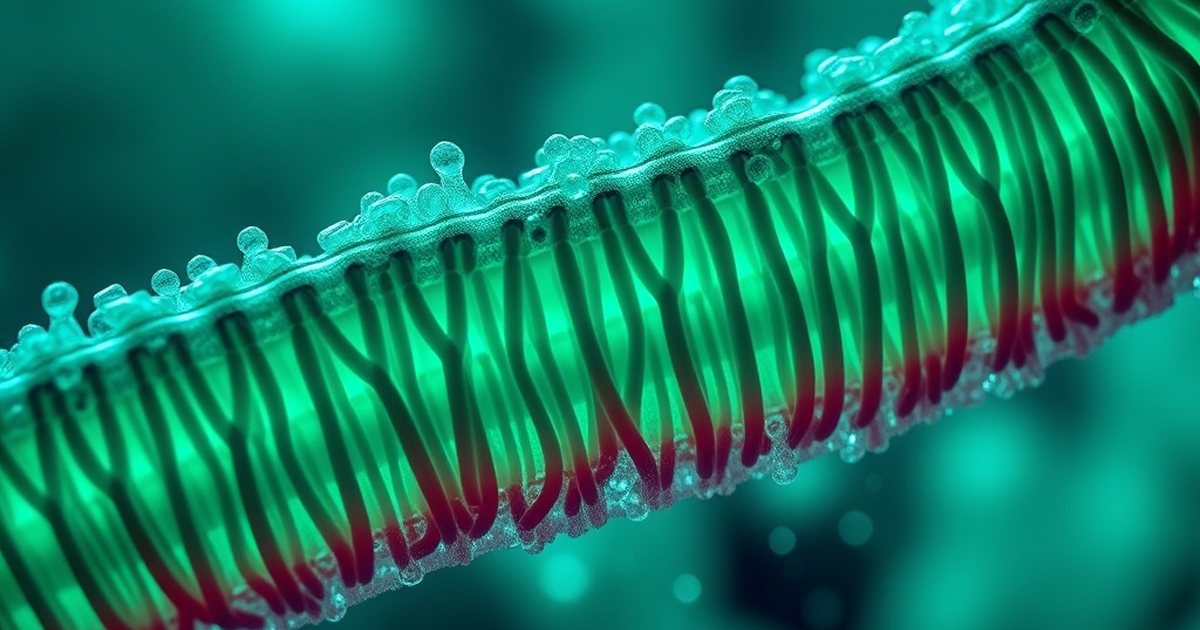
Research published in Microbiome in 2022 examined this intersection directly, finding that TLR4 signaling regulates RORγt(+) regulatory T cell responses and susceptibility to colon inflammation through its interaction with Akkermansia muciniphila [1]. This study provides mechanistic evidence that the presence of Akkermansia influences TLR4-mediated pathways in a manner that shapes this particular Treg subset — findings that may help explain, at least in part, why lower Akkermansia abundance has been observed in association with heightened gut inflammatory states in some populations. It is worth underscoring that this represents proposed mechanisms under active investigation, not a confirmed clinical intervention for any condition.
Amuc_C: A Novel TLR2 Agonist Derived from Akkermansia
TLR2 is a pattern-recognition receptor that responds to a range of bacterial surface molecules and, when activated appropriately, can stimulate both innate and adaptive immune responses. Much early Akkermansia immunology focused on Amuc_1100, an outer-membrane protein that signals through TLR2 to support tight-junction integrity and reduce inflammatory marker expression. More recent work has identified additional bioactive proteins within the Akkermansia outer membrane that engage similar pathways.
A 2025 study published in Animal Cells and Systems characterized Amuc_C, a novel protein derived from Akkermansia muciniphila, as a TLR2 agonist with demonstrated anti-tumor activity in colorectal cancer models [2]. The researchers found that Amuc_C could activate immune responses through TLR2 signaling in ways that constrained colorectal cancer cell behavior in laboratory settings. While this work is preclinical and the jump to human therapeutic application requires substantial additional research, it illustrates that Akkermansia’s immunological toolkit extends beyond a single protein and that different components may engage immune receptors through distinct mechanisms.
This line of research is notable because it positions Akkermansia-derived proteins not merely as passive residents of the gut wall but as potential active modulators of immune cell behavior — a distinction that has implications for how future probiotic and postbiotic formulations might be designed and evaluated.
Akkermansia and Broader Gut Immune Crosstalk
The immune effects of Akkermansia are not studied in isolation. They take place within a complex microbial ecosystem, and manipulations that increase Akkermansia abundance often also shift other immune-relevant parameters simultaneously. Research investigating how dietary interventions affect gut immune response and microbiota composition — including studies examining polyphenol-rich foods — has reported concurrent improvements in gut barrier function, reduction of inflammatory markers, and shifts in microbiota composition that include Akkermansia-associated changes, alongside effects on glucose metabolism in preclinical models [3]. These findings highlight that Akkermansia’s immune contributions are likely embedded within a broader web of microbiota-host interactions rather than operating through a single isolated mechanism.
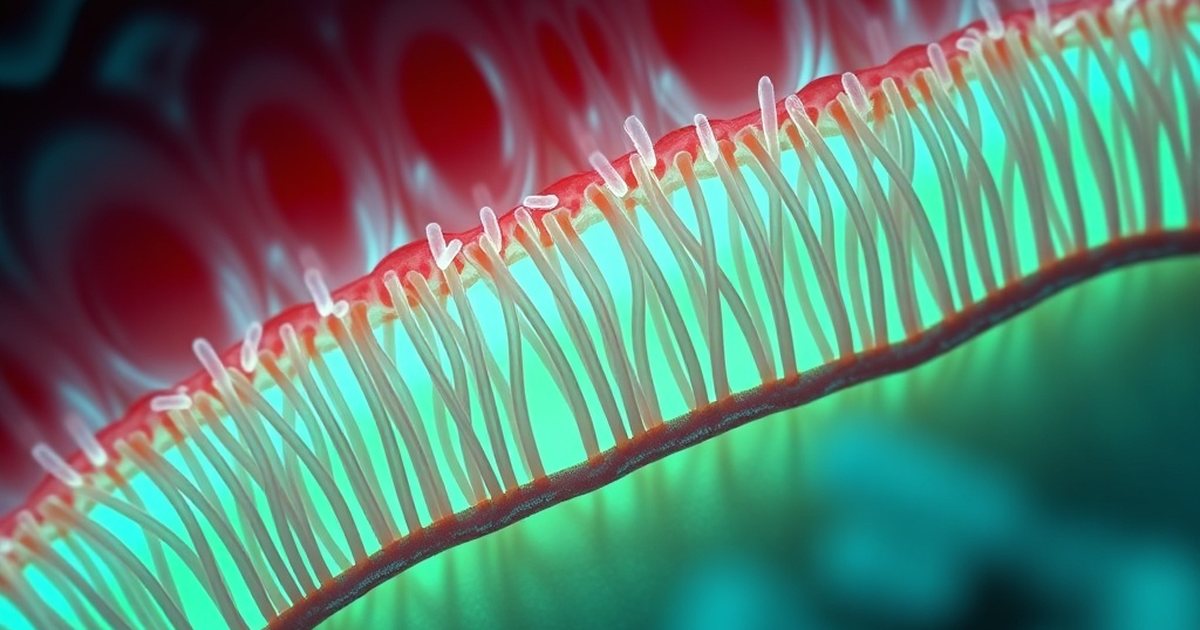
Mucosal sIgA production, cytokine balance, and the relative proportion of regulatory versus effector immune cell populations are all shaped by microbial community structure. Akkermansia appears to influence several of these parameters, but identifying which effects are attributable specifically to this one species versus the community shifts it participates in remains an active and unresolved research challenge.
What Proposed Mechanisms Suggest — and What They Do Not Confirm
The mechanistic picture emerging from preclinical research is coherent enough to be scientifically interesting. Akkermansia muciniphila appears to: (1) reinforce the mucus layer through controlled mucin degradation and epithelial stimulation; (2) upregulate tight-junction proteins that reduce intestinal permeability; (3) signal through TLR4 to shape RORγt(+) regulatory T cell populations in the colon [1]; and (4) present outer-membrane proteins including Amuc_C that engage TLR2 with downstream immunological effects [2]. Together, these proposed mechanisms outline a bacterium that participates actively in calibrating mucosal immune tone toward tolerance and barrier integrity.
However, the gap between a proposed mechanism demonstrated in animal models or cell culture and a confirmed clinical benefit in humans is substantial. Most Akkermansia immunology research to date has been conducted in mouse models, in vitro systems, or small human pilot studies. Robust randomized controlled trials in humans — particularly those designed to isolate Akkermansia’s immune effects — are still limited. Mechanistic plausibility is not the same as demonstrated efficacy, and the immune system is complex enough that interventions that appear beneficial in one context can have neutral or even unintended effects in another.
Practical Considerations: Supporting Akkermansia Abundance
Because Akkermansia is a strict anaerobe and has historically been difficult to cultivate and stabilize in supplement form, much research on increasing its abundance has focused on dietary approaches. Polyphenol-rich foods — including berries, pomegranate, green tea, and certain plant fibers — have been associated with higher Akkermansia abundance in some studies. Dietary patterns that support overall microbiota diversity tend to correlate with maintained Akkermansia levels, while high-fat, low-fiber Western diets are associated with reduced abundance.
Pasteurized (heat-killed) Akkermansia preparations have also been evaluated in human trials, with some early evidence for safety and metabolic effects in adults with overweight or obesity. Live Akkermansia probiotic products have more recently become commercially available in some markets. Neither formulation is FDA-approved to treat, cure, or prevent any disease, and individuals with immune system compromise, active inflammatory bowel disease, or those on immunosuppressive medications face specific safety considerations that warrant physician consultation before use.
🛒 Where to Buy Akkermansia muciniphila
- Pendulum AkkermansiaLab-tested / studied
delayed-release capsules, 100M AFU — The only patented live A. muciniphila strain (WB-STR-0001); single-strain with chicory inulin, third-party tested. - Codeage Akkermansia Muciniphila
capsules, 100M AFU, 90 ct — Lower-cost Akkermansia plus chicory inulin synbiotic; 3-month supply, gluten-free. - Double Wood Akkermansia Probiotic + Postbiotic
capsules, per label — Budget Akkermansia option marketed around GLP-1 and postbiotic support.
As an Amazon Associate we earn from qualifying purchases. Akkermansia is a live, oxygen-sensitive strain — choose a delayed-release, third-party-tested product with a stated live AFU count.
A Note on the Evidence
The evidence reviewed here is largely preclinical — drawn from mouse models, cell culture systems, and limited early-phase human studies — and should not be interpreted as confirmation that Akkermansia supplements will produce specific immune benefits in any individual. Persons who are immunocompromised, receiving immunosuppressive therapy, or living with active inflammatory bowel disease should consult a qualified healthcare provider before using live probiotic products containing Akkermansia muciniphila. This article is informational only and does not constitute medical advice.
Frequently Asked Questions
What is the proposed connection between Akkermansia muciniphila and regulatory T cells?
Research suggests that TLR4 signaling mediates the relationship between Akkermansia and a specific subset of regulatory T cells expressing the transcription factor RORγt in the colon [1]. These RORγt(+) Tregs are thought to help suppress excessive colonic inflammation. The proposed mechanism involves Akkermansia-derived signals activating TLR4 on immune or epithelial cells, which then influences the induction or maintenance of this Treg population.

What is Amuc_C, and why is it relevant to immune function?
Amuc_C is a recently identified protein derived from Akkermansia muciniphila’s outer membrane that has been characterized as a novel TLR2 agonist [2]. TLR2 activation can stimulate innate and adaptive immune responses. In preclinical colorectal cancer models, Amuc_C demonstrated anti-tumor activity, suggesting it engages immune pathways in ways distinct from the previously studied Amuc_1100 protein. This work is early-stage and has not yet translated to human clinical applications.
Does low Akkermansia abundance definitely cause immune problems?
Not definitively. Reduced Akkermansia abundance has been observed in association with certain inflammatory and metabolic conditions, but association is not causation. It is not currently established whether low Akkermansia is a driver of those conditions, a consequence of the same factors that cause them, or simply a correlated observation. Human intervention trials specifically designed to address this question are still limited.
Can dietary choices influence Akkermansia levels and gut immunity?
Research examining polyphenol-rich dietary interventions has observed associations between increased Akkermansia abundance and improvements in gut barrier function, gut immune response, and metabolic markers in preclinical models [3]. Foods such as berries, pomegranate, and diverse plant fibers have been linked to higher Akkermansia abundance in some studies. Whether these dietary effects translate directly to measurable immune benefits in humans requires further research.
Are Akkermansia supplements safe for everyone?
Akkermansia supplements, including both live and pasteurized formulations, are not FDA-approved to treat any condition. Individuals who are immunocompromised, taking immunosuppressive medications, or managing active inflammatory bowel disease should consult a physician before using live probiotic preparations, as the safety data in these populations is limited and specific risks may apply.
How does Akkermansia physically interact with the mucosal immune system?
Akkermansia resides in and degrades the mucus layer, which appears to stimulate ongoing mucin replenishment by goblet cells — keeping the barrier active rather than depleted. Its outer-membrane proteins, including Amuc_1100 and Amuc_C, interact with TLR2 and TLR4 receptors on epithelial and immune cells [1][2], triggering downstream signaling that can influence tight-junction expression, cytokine production, and T cell polarization. These interactions are proposed mechanisms supported by preclinical data, not confirmed therapeutic effects.
References
- Liu Y et al. TLR4 regulates RORγt(+) regulatory T-cell responses and susceptibility to colon inflammation through interaction with Akkermansia muciniphila. Microbiome (2022). PMID 35761415
- Chi L et al. Novel TLR2 agonist Amuc_C derived from Akkermansia muciniphila exhibits potent anti-tumor activity in colorectal cancers. Animal cells and systems (2025). PMID 41170411
- Medina-Larqué AS et al. Cranberry polyphenols and agave agavins impact gut immune response and microbiota composition while improving gut barrier function, inflammation, and glucose metabolism in mice fed an obesogenic diet. Frontiers in immunology (2022). PMID 36052065
These statements have not been evaluated by the Food and Drug Administration. This information is not intended to diagnose, treat, cure, or prevent any disease. Content is for informational purposes only and is not medical advice; consult a qualified healthcare provider before starting any supplement. As an Amazon Associate we earn from qualifying purchases.