Akkermansia muciniphila has attracted substantial scientific interest as a next-generation probiotic candidate. This gram-negative, mucus-layer bacterium normally comprises more than 1 percent of a healthy human gut microbiome, and researchers have proposed several mechanisms by which it may support intestinal barrier integrity and cardiometabolic health. Emerging human trial data suggest potential benefits for GLP-1 secretion and insulin sensitivity, though fasting glucose was not affected, prompting a wave of commercial supplement products.
However, the populations most likely to have depleted Akkermansia levels — people living with inflammatory bowel disease, those receiving immunosuppressive medications, and critically ill patients — are also the populations for whom introducing any live gram-negative bacterium carries the most meaningful potential risk. Before anyone in these groups considers supplementation, understanding what is and is not known about Akkermansia safety is essential. This article reviews the current evidence honestly, including its significant gaps.
Key Takeaways
- Akkermansia muciniphila is a gram-negative commensal bacterium with a proposed role in intestinal barrier support, but its gram-negative nature means live formulations carry a theoretical translocation risk in patients with compromised gut barriers or suppressed immune systems.
- Immunocompromised individuals — including transplant recipients, chemotherapy patients, and those on immunosuppressive biologics — should consult a physician before using any Akkermansia supplement, live or pasteurized.
- Active IBD patients face a compounded risk: ongoing mucosal inflammation compromises the barrier that would normally contain gram-negative bacteria, and many are also on immunosuppressive therapy.
- Pasteurized Akkermansia formulations may reduce but do not eliminate safety concerns for vulnerable populations, because gram-negative bacterial components including LPS fragments are still present.
- Current human trial evidence on Akkermansia supplementation was largely gathered in healthy adults and cannot be directly applied to immunocompromised or IBD patient populations; dedicated safety data for these groups do not yet exist.
What Makes Akkermansia Different From Conventional Probiotics
Most commercially available probiotics are gram-positive organisms such as Lactobacillus and Bifidobacterium species, which have a long safety record in healthy adults. Akkermansia muciniphila is gram-negative, meaning its outer membrane contains lipopolysaccharide (LPS), a structural component that can trigger inflammatory responses if the bacterium or its fragments translocate across a compromised intestinal barrier into systemic circulation.
Akkermansia’s proposed beneficial effects center on a specific outer-membrane protein called Amuc_1100, which appears to interact with Toll-like receptor 2 to stimulate tight-junction upregulation and barrier repair, and on the organism’s role in mucin degradation and mucus-layer renewal. Pasteurized (heat-killed) formulations have been developed in part to preserve the Amuc_1100 protein while reducing the theoretical risk of bacterial translocation associated with live organisms. Whether pasteurized preparations fully eliminate safety concerns in vulnerable populations remains an open question.
Immunocompromised Patients: The Core Safety Concern
The term ‘immunocompromised’ covers a wide spectrum: patients undergoing chemotherapy, solid-organ or hematopoietic stem cell transplant recipients on antirejection therapy, individuals living with HIV and low CD4 counts, and patients receiving high-dose corticosteroids or biologic immunosuppressants for autoimmune conditions. In all of these groups, the immune system’s ability to contain and eliminate opportunistic organisms is reduced.
In intensive care and critical illness settings, intestinal barrier dysfunction and bacterial translocation are central to the leading models of how gut-derived sepsis and organ failure develop [1][2]. The human evidence is more contested than the mechanism: a systematic review of critically ill patients found that clinical studies failed to demonstrate systemic spread of gut-derived bacteria as the cause of multiple organ dysfunction, with newer work pointing instead to gut-derived inflammatory mediators carried in mesenteric lymph [1]. Neither body of work addresses Akkermansia specifically, but together they underscore why introducing any live gram-negative bacterium — even one considered commensal — to patients with compromised barriers and suppressed immune surveillance carries a theoretical risk that cannot yet be dismissed.

No large controlled trials have been conducted specifically examining Akkermansia supplementation safety in immunocompromised populations. The absence of reported harm in healthy-adult trials cannot be extrapolated to patients whose immune defenses are substantially different. Until adequately powered safety data exist for these subgroups, caution is warranted.
Inflammatory Bowel Disease: A Complicated Relationship
People with Crohn’s disease and ulcerative colitis consistently show reduced Akkermansia abundance in fecal microbiome studies compared to healthy controls, which has fueled speculation that restoring Akkermansia levels could benefit IBD patients. The proposed mechanism — tightening intestinal junctions and reinforcing the mucus layer — sounds intuitively relevant to a disease characterized by barrier dysfunction.
The reality is more complicated. In active IBD, the intestinal epithelium is already inflamed and ulcerated in places, meaning the barrier that would normally contain commensal bacteria is structurally compromised. Introducing a live gram-negative organism into this environment raises the same translocation concern noted above, potentially amplified by the ongoing mucosal inflammation. Additionally, IBD patients on immunosuppressants or biologics such as anti-TNF agents overlap substantially with the immunocompromised category, compounding the risk profile.
It is also worth noting that the relationship between Akkermansia and IBD may be bidirectional rather than simply causal: reduced Akkermansia levels could be a consequence of intestinal inflammation rather than its driver, meaning restoration may not produce the barrier-repair effects observed in metabolically healthy study participants. Clinical evidence specific to IBD patients remains very limited, and current published human trials have generally excluded individuals with active IBD.
Pasteurized Versus Live Formulations: Does It Change the Risk?
Several commercial Akkermansia products use a pasteurized formulation, and some researchers argue this is meaningfully safer than live organisms because heat inactivation eliminates the possibility of replication or translocation of viable bacteria. The Amuc_1100 protein responsible for proposed barrier-tightening effects appears to survive pasteurization, and at least one human pilot trial used pasteurized Akkermansia and reported no serious adverse events in metabolically healthy overweight participants.
However, ‘safer than live’ does not automatically mean ‘safe for immunocompromised individuals.’ Pasteurized preparations still deliver gram-negative bacterial components including LPS fragments, and it is not yet established how these components behave in individuals with severe mucosal inflammation or profoundly impaired immune regulation. The immunocompromised and active-IBD populations were not represented in the trials that generated the safety reassurance now cited in marketing materials, so that reassurance does not directly apply to them.
What Clinicians and Patients Should Know Before Supplementing
For healthy adults without immune compromise and without active inflammatory bowel disease, the current evidence does not suggest meaningful safety concerns with commercially available Akkermansia supplements, though long-term data remain limited and the supplements are not FDA-approved to treat, cure, or prevent any disease.

For anyone in the following categories, use of Akkermansia supplements — particularly live formulations — should not begin without a conversation with a treating physician or gastroenterologist: active Crohn’s disease or ulcerative colitis; receipt of chemotherapy, immunosuppressive therapy, or biologics; solid-organ transplant status; HIV with a low CD4 count; or any condition requiring hospitalization in an intensive care setting. That caution is not purely theoretical: a systematic review of probiotic use in people with cancer, a frequently immunocompromised population, identified five case reports of probiotic-related bacteraemia, fungaemia or positive blood cultures and concluded that probiotics may be a rare cause of sepsis [3]. The physician conversation matters not as a formality but because individual clinical context — current disease activity, specific medications, mucosal healing status — can meaningfully change the risk calculus.
Patients should also be transparent with their care team about supplement use, since probiotics of any kind are sometimes overlooked in medication reconciliation and can interact with the microbiome changes that certain disease-modifying therapies are intended to produce.
Honest Assessment of the Evidence Gaps
It bears stating clearly: the evidence base for Akkermansia supplementation in humans is still early. Most published human trials are small, short in duration, and conducted in metabolically healthy overweight or obese adults without significant immune dysfunction. Extrapolating their findings — including their safety findings — to fundamentally different patient populations is not scientifically justified.
The scientific community has not yet conducted the dedicated safety studies in immunocompromised or IBD populations that would be necessary to either confirm or rule out the theoretical risks outlined here. Until those trials exist and their results are published, the responsible position is that the safety profile of Akkermansia supplements in these groups is unknown, not that it is safe. This distinction matters for patient decision-making.
🛒 Where to Buy Akkermansia muciniphila
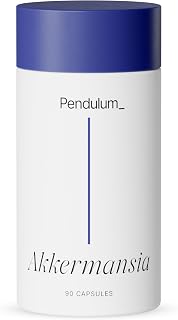
- Pendulum AkkermansiaLab-tested / studied
delayed-release capsules, 100M AFU — The only patented live A. muciniphila strain (WB-STR-0001); single-strain with chicory inulin, third-party tested. - Codeage Akkermansia Muciniphila
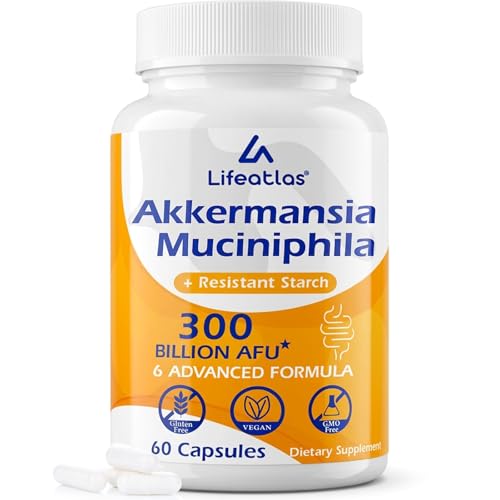
capsules, 100M AFU, 90 ct — Lower-cost Akkermansia plus chicory inulin synbiotic; 3-month supply, gluten-free. - Double Wood Akkermansia Probiotic + Postbiotic
capsules, per label — Budget Akkermansia option marketed around GLP-1 and postbiotic support.
As an Amazon Associate we earn from qualifying purchases. Akkermansia is a live, oxygen-sensitive strain — choose a delayed-release, third-party-tested product with a stated live AFU count.
A Note on the Evidence
The evidence base for Akkermansia muciniphila supplementation in immunocompromised individuals and those with active inflammatory bowel disease is currently insufficient to draw firm safety conclusions; virtually all published human trials enrolled metabolically healthy adults and excluded these higher-risk populations. Anyone with active IBD, an immune-compromising condition, or use of immunosuppressive medications must consult a qualified physician or gastroenterologist before using Akkermansia supplements, and this article does not constitute medical advice.

Frequently Asked Questions
Can people with ulcerative colitis take Akkermansia supplements?
There is currently no published clinical trial evidence establishing safety specifically for people with active ulcerative colitis, and the inflamed, barrier-compromised mucosa characteristic of active disease raises theoretical concerns about gram-negative bacterial translocation. Anyone with ulcerative colitis should discuss this with their gastroenterologist before starting supplementation, as the risk-benefit calculation depends heavily on current disease activity and medications.

Is pasteurized Akkermansia safer than live Akkermansia for immunocompromised patients?
Pasteurization eliminates viable bacteria and the possibility of bacterial replication, which reduces one theoretical risk. However, gram-negative bacterial components including lipopolysaccharide fragments remain present in pasteurized preparations, and no controlled trials have examined pasteurized Akkermansia safety specifically in immunocompromised populations. Calling pasteurized formulations definitively safe for these patients is not supported by current evidence.
Why is Akkermansia being studied at all if it carries these risks?
In healthy adults with intact immune systems and no active mucosal inflammation, a gram-negative commensal organism that already exists naturally in the gut at more than 1 percent abundance does not present the same theoretical risk as it might in compromised individuals. The early human trial evidence for metabolic benefits in healthy overweight adults is genuinely interesting, but that safety and efficacy context does not automatically transfer to patients with immune dysfunction or active gastrointestinal disease.
What is the risk of bacteremia from Akkermansia supplementation?
Bacteremia — bacteria entering the bloodstream — is the primary theoretical concern with live gram-negative probiotic organisms in patients who have compromised intestinal barriers or impaired immune containment. Research on gut-barrier failure and its consequences in critically ill patients illustrates how bacterial translocation from the gut can contribute to systemic complications [1][2], and a systematic review of probiotic use in people with cancer, a frequently immunocompromised population, identified five case reports of probiotic-related bacteraemia, fungaemia or positive blood cultures and concluded that probiotics may be a rare cause of sepsis [3]. The specific incidence of Akkermansia-related bacteremia in immunocompromised populations has not been formally studied.
Should Crohn's disease patients avoid Akkermansia entirely?
The evidence does not support a blanket ‘avoid entirely’ recommendation, but it equally does not support routine use without physician guidance. In Crohn’s disease with active inflammation, the combination of mucosal barrier disruption and common use of immunosuppressive therapies creates a meaningful theoretical risk. During remission, the clinical picture is different. This is a decision to make with a gastroenterologist who knows the individual patient’s disease activity, current medications, and history.
Are there any Akkermansia supplements approved by the FDA for IBD or immune conditions?
No. Akkermansia muciniphila supplements are not FDA-approved to treat, cure, or prevent any disease, including IBD or any immune condition. They are sold as dietary supplements, which are not subject to the same pre-market efficacy and safety review as pharmaceutical drugs. This regulatory status means that manufacturers are not required to demonstrate safety or efficacy in specific patient populations before selling their products.
References
- Assimakopoulos SF et al. Gut-origin sepsis in the critically ill patient: pathophysiology and treatment. Infection (2018). PMID 30003491
- Potruch A et al. The role of bacterial translocation in sepsis: a new target for therapy. Therapeutic Advances in Gastroenterology (2022). PMID 35574428
- Redman MG et al. The efficacy and safety of probiotics in people with cancer: a systematic review. Annals of Oncology (2014). PMID 24618152
These statements have not been evaluated by the Food and Drug Administration. This information is not intended to diagnose, treat, cure, or prevent any disease. Content is for informational purposes only and is not medical advice; consult a qualified healthcare provider before starting any supplement. As an Amazon Associate we earn from qualifying purchases.