Not many bacteria can claim a birthday. Akkermansia muciniphila can. It was formally described in 2004 by microbiologist Muriel Derrien and colleagues at Wageningen University in the Netherlands, isolated from a human fecal sample and characterized as a strict anaerobe that lives by digesting the mucin layer lining your gut wall. That narrow, unglamorous niche—eating the protective slime coating your intestines—turned out to be biologically significant in ways nobody anticipated at the time.
In the two decades since that initial description, Akkermansia has traveled from obscure culture flask to clinical trial subject to commercially available probiotic supplement. Its story tracks the broader revolution in microbiome science: the shift from viewing gut bacteria as passive passengers to understanding them as active regulators of metabolism, immunity, and barrier integrity. This article traces that journey honestly, separating established biology from promising but still-preliminary human evidence.
Key Takeaways
- Akkermansia muciniphila was first isolated and formally described in 2004 by researchers at Wageningen University, named for Dutch microbiologist Antoon Akkermans.
- Its core proposed mechanisms—mucin-layer renewal, tight-junction stabilization via the Amuc_1100 protein, and GLP-1 stimulation—are well-characterized in cell and animal models but require larger human trial confirmation.
- The discovery that pasteurized Akkermansia retains biological activity through Amuc_1100 was a pivotal finding that enabled shelf-stable commercial supplements.
- The first controlled human pilot trial (2019) showed promising metabolic signals in overweight adults, but the trial was small and larger confirmatory studies are ongoing.
- Commercial products have outpaced the clinical evidence base; Akkermansia supplements are not FDA-approved to treat any disease, and certain populations should consult a physician before use.
The 2004 Discovery: A Bacterium Named for a Dutch Pioneer
Akkermansia muciniphila was formally isolated and described by Derrien and colleagues at Wageningen University in 2004. The genus name honors Antoon Akkermans, a Dutch microbiologist who spent his career studying anaerobic gut bacteria. The species epithet muciniphila is Latin for ‘mucin-loving,’ a direct reference to the organism’s primary energy source: the glycoproteins that form the thick mucus layer coating the intestinal epithelium.
Isolating it required strict anaerobic conditions because the bacterium cannot survive exposure to oxygen. Researchers cultured it on mucin as the sole carbon and nitrogen source—a technically demanding feat that had previously kept it hidden from cultivation-based microbiological surveys. Its gram-negative cell wall, ovoid shape, and inability to form spores were documented, and 16S ribosomal RNA sequencing placed it within the phylum Verrucomicrobia, a relatively uncommon phylum in the gut compared to the dominant Firmicutes and Bacteroidetes.
At the time of description, the broader significance was unclear. A bacterium that degrades your gut’s protective mucus layer sounds alarming on first read. The early mechanistic work would soon reframe that intuition entirely.
Early Mechanistic Work: What Akkermansia Actually Does to the Mucus Layer
The apparent paradox—a bacterium that degrades gut mucus somehow strengthening the gut barrier—resolved once researchers looked more carefully at the biology. Akkermansia does degrade mucin, but this degradation signals the epithelium to upregulate mucin production. The net effect in healthy conditions appears to be a thicker, more actively renewed mucus layer rather than a thinner or more permeable one.
Beyond mucin turnover, Akkermansia produces short-chain fatty acids as fermentation byproducts, including propionate and acetate, which serve as energy substrates for colonocytes and influence downstream metabolic signaling. Research also identified a specific outer-membrane protein, Amuc_1100, that interacts with Toll-like receptor 2 (TLR2) on intestinal epithelial cells. This interaction appears to stabilize tight junctions—the protein structures that control permeability between epithelial cells—and modulate local immune tone. The Amuc_1100 protein became particularly important later when researchers discovered it retained biological activity after pasteurization, a finding with major implications for commercial supplement development.
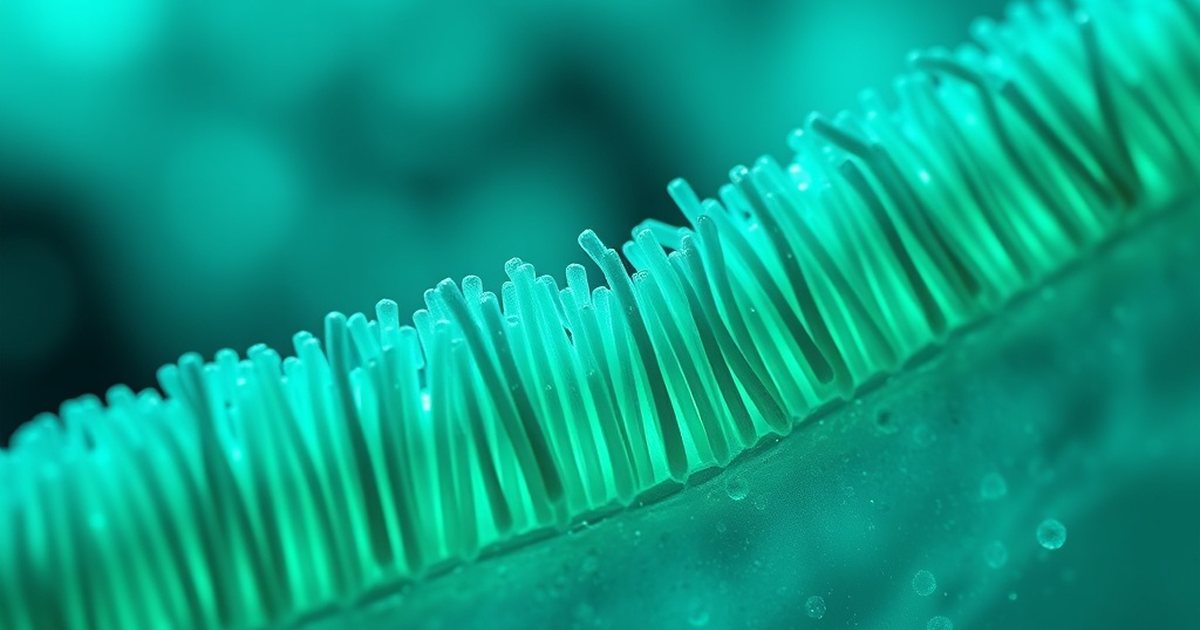
Tight-junction upregulation is a proposed mechanism for reducing intestinal permeability, sometimes informally called ‘leaky gut.’ While the mechanistic picture from cell and animal studies is detailed, translating these mechanisms into confirmed human clinical outcomes has taken longer and remains an active area of investigation.
Animal Studies and the Metabolic Connection
Much of the excitement about Akkermansia in the late 2000s and early 2010s came from mouse studies, particularly those using high-fat diet models of obesity and metabolic dysfunction. Multiple research groups observed that Akkermansia abundance was inversely correlated with markers of metabolic disease in rodents—lower abundance tracked with higher adiposity, worse glucose tolerance, and greater intestinal permeability. Supplementing high-fat-diet mice with Akkermansia or restoring its abundance through dietary interventions like prebiotic fiber appeared to partially reverse some of these metabolic phenotypes.
These animal findings also connected Akkermansia to GLP-1 (glucagon-like peptide-1) secretion. GLP-1 is an incretin hormone released by enteroendocrine L-cells in the gut wall; it stimulates insulin secretion, slows gastric emptying, and signals satiety to the brain. Rodent work suggested Akkermansia colonization could increase GLP-1 secretion, potentially linking gut barrier integrity to systemic glucose regulation. This proposed pathway—barrier improvement leading to reduced endotoxin translocation leading to improved insulin signaling—became a central hypothesis driving interest in the bacterium as a potential therapeutic target for type 2 diabetes and obesity.
It bears noting clearly: mouse metabolic physiology differs substantially from human physiology, and findings from high-fat diet mouse models have a poor track record of direct translation to human trials. The animal data was hypothesis-generating, not hypothesis-confirming.
The Pivot to Human Trials: Pasteurization and the First Clinical Evidence
A critical methodological challenge for human trials was safety and formulation. Live Akkermansia is an obligate anaerobe—it cannot survive typical oral delivery conditions or room-temperature storage. Researchers at the Louvain Drug Research Institute in Belgium, led by Patrice Cani and Willem de Vos (who had collaborated on foundational animal work), investigated whether pasteurized Akkermansia—bacteria killed by gentle heat treatment—retained biological activity. The finding that Amuc_1100 survives pasteurization and maintains TLR2 activity was a turning point, because it meant a shelf-stable, non-live formulation could potentially deliver relevant biological signals.
The first randomized, double-blind, placebo-controlled human pilot trial was published in 2019. It enrolled 32 overweight or obese adults with metabolic syndrome and tested both pasteurized and live Akkermansia against placebo over three months. Results showed that pasteurized Akkermansia was safe and well tolerated, and participants receiving it showed improvements in insulin sensitivity, total cholesterol, and some cardiometabolic markers compared to placebo. The live formulation showed a trend toward benefit but was less consistent, likely reflecting viability challenges. This was a small pilot trial, and the authors were explicit that larger confirmatory studies were needed.
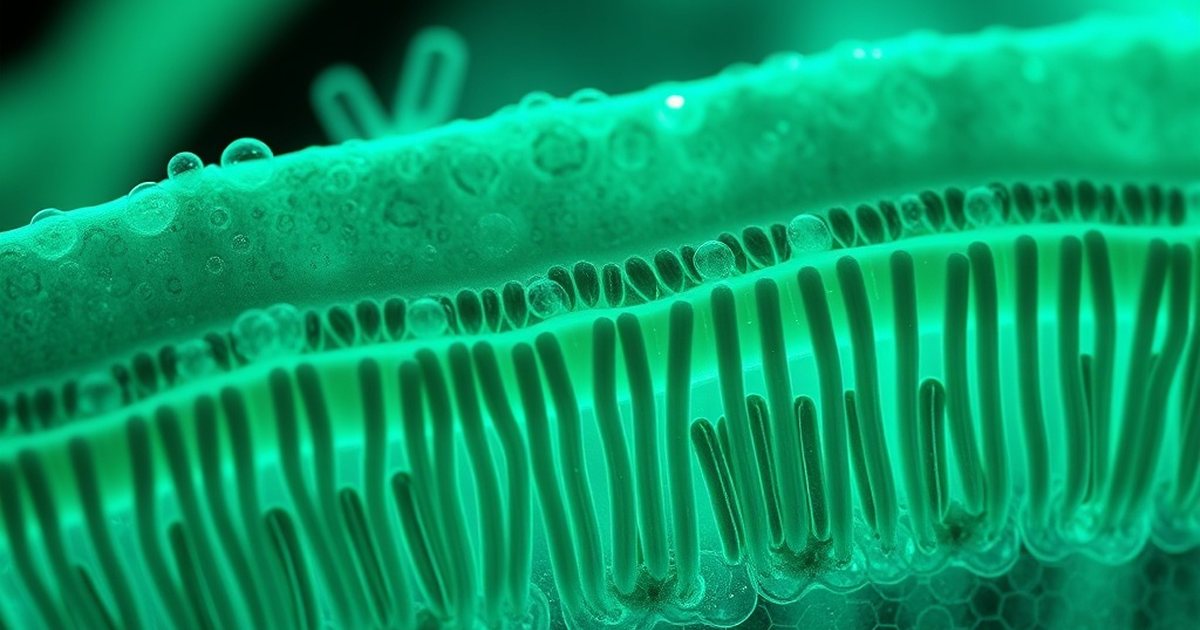
The 2019 trial represented a genuine milestone: the first controlled human evidence that Akkermansia supplementation might influence metabolic parameters. It also validated the pasteurization approach, which has since become the basis for most commercial Akkermansia products.
From Research Curiosity to Commercial Product
Following the 2019 human pilot, commercial interest accelerated. A-Mansia Biotech, spun out of the Louvain research group, brought a pasteurized Akkermansia supplement to the European market. In the United States, Pendulum Therapeutics (now Pendulum Life) introduced an Akkermansia-containing probiotic formulation positioned for metabolic health. These products represented a new category: the first commercially available supplements centered specifically on this organism.
Regulatory status is worth stating plainly. Akkermansia muciniphila supplements are not FDA-approved to treat, cure, or prevent any disease. They are marketed as dietary supplements in the United States under DSHEA, which requires safety but not pre-market efficacy review. In Europe, health claim regulations similarly restrict what manufacturers can assert. The commercial expansion has outpaced the clinical evidence base—a common pattern in the probiotic industry.
Research investment has continued to grow. Larger trials examining Akkermansia in populations with type 2 diabetes, obesity, cardiovascular risk, and even oncology contexts (given emerging interest in its role in immunotherapy response) are ongoing or recently published. The trajectory from 2004 discovery to 2024 commercial staple has been roughly twenty years—fast by pharmaceutical standards, though the evidence base remains thinner than many marketing claims suggest.
Where the Science Stands Today and What Remains Unknown
The mechanistic case for Akkermansia’s role in gut barrier integrity is well-developed at the cellular and animal level. The Amuc_1100–TLR2 interaction, mucin turnover dynamics, tight-junction effects, and GLP-1 connection have been characterized in substantial detail in preclinical models. The human evidence is more limited: a handful of trials, mostly small, with consistent signals in the direction of metabolic benefit but not yet the large, replicated, long-duration trial data that would allow firm clinical recommendations.
Several important questions remain open. The optimal dose and formulation (pasteurized vs. live, spore-protected vs. standard) have not been established in large comparative trials. Whether Akkermansia’s effects are direct or mediated by changes it induces in the broader microbiome community is unclear. Inter-individual variation in response is substantial and poorly understood—baseline microbiome composition, diet, and host genetics all likely modulate outcomes. And long-term safety data extending beyond the three- to six-month windows of current trials is absent.
For certain populations—immunocompromised individuals, those on immunosuppressive medications, and people with active inflammatory bowel disease—even pasteurized bacterial products warrant physician consultation before use, and live formulations carry additional theoretical risk that has not been fully evaluated in these groups.
🛒 Where to Buy Akkermansia muciniphila
- Pendulum AkkermansiaLab-tested / studied
delayed-release capsules, 100M AFU — The only patented live A. muciniphila strain (WB-STR-0001); single-strain with chicory inulin, third-party tested. - Codeage Akkermansia Muciniphila
capsules, 100M AFU, 90 ct — Lower-cost Akkermansia plus chicory inulin synbiotic; 3-month supply, gluten-free. - Double Wood Akkermansia Probiotic + Postbiotic
capsules, per label — Budget Akkermansia option marketed around GLP-1 and postbiotic support.
As an Amazon Associate we earn from qualifying purchases. Akkermansia is a live, oxygen-sensitive strain — choose a delayed-release, third-party-tested product with a stated live AFU count.
A Note on the Evidence
The human clinical evidence for Akkermansia muciniphila supplements remains early-stage—primarily small pilot trials—and no supplement form is FDA-approved to treat, cure, or prevent any disease. Immunocompromised individuals, those taking immunosuppressive medications, and people with active inflammatory bowel disease should consult a physician before use. This article is informational only and is not medical advice.
Frequently Asked Questions
When was Akkermansia muciniphila first discovered?
Akkermansia muciniphila was formally isolated and described in 2004 by Muriel Derrien and colleagues at Wageningen University in the Netherlands. It was cultured from a human fecal sample under strict anaerobic conditions, with mucin as its sole carbon and nitrogen source.
Why is Akkermansia considered important for metabolic health?
Animal studies observed that lower Akkermansia abundance correlates with worse glucose tolerance, greater adiposity, and higher intestinal permeability in high-fat diet models. The proposed pathway involves the bacterium improving gut barrier integrity—potentially reducing endotoxin translocation—and stimulating GLP-1 secretion, both of which could favorably influence insulin sensitivity. Human evidence is promising but still limited to small trials.
What is the Amuc_1100 protein and why does it matter?
Amuc_1100 is an outer-membrane protein expressed by Akkermansia muciniphila that interacts with Toll-like receptor 2 (TLR2) on intestinal epithelial cells. This interaction appears to stabilize tight junctions and modulate mucosal immune signaling. Critically, Amuc_1100 retains activity after pasteurization, which is why heat-treated (non-live) Akkermansia supplements are thought to still deliver relevant biological effects.
Is it safe to take Akkermansia supplements?
The 2019 human pilot trial reported that pasteurized Akkermansia was safe and well tolerated over three months in overweight adults with metabolic syndrome. However, long-term safety data beyond six months is limited, and immunocompromised individuals, those on immunosuppressive therapy, and people with active inflammatory bowel disease should consult a physician before using any probiotic, including Akkermansia formulations.
Are Akkermansia supplements FDA-approved?
No. Akkermansia muciniphila supplements are sold as dietary supplements in the United States under the Dietary Supplement Health and Education Act (DSHEA). They are not FDA-approved to treat, cure, or prevent any disease. Manufacturers cannot legally make therapeutic claims about the product.
What is the difference between live and pasteurized Akkermansia supplements?
Live Akkermansia faces significant formulation challenges because it is an obligate anaerobe that cannot survive oxygen exposure or standard storage conditions. Pasteurized Akkermansia is heat-treated to kill the bacteria while preserving key proteins like Amuc_1100. The 2019 pilot trial found pasteurized Akkermansia produced more consistent metabolic signals than the live formulation in that small sample, and pasteurized forms have become the basis for most commercial products. Neither formulation has been evaluated in large, long-term controlled trials.
These statements have not been evaluated by the Food and Drug Administration. This information is not intended to diagnose, treat, cure, or prevent any disease. Content is for informational purposes only and is not medical advice; consult a qualified healthcare provider before starting any supplement. As an Amazon Associate we earn from qualifying purchases.