Metabolic syndrome — the cluster of high blood pressure, elevated fasting glucose, excess abdominal fat, and abnormal cholesterol levels — affects roughly one in three adults in Western populations and substantially raises the risk of type 2 diabetes and cardiovascular disease. Researchers have increasingly turned attention to the gut microbiome as a potential contributor to these interrelated conditions, and one bacterium in particular has attracted significant scientific interest: Akkermansia muciniphila.
Akkermansia muciniphila is a gram-negative bacterium that resides in the mucus layer of the intestinal wall and normally comprises more than 1 percent of a healthy adult gut microbiome. Lower levels of this organism have been repeatedly observed in people with obesity, type 2 diabetes, and features of metabolic syndrome. This article explains what the current science says about that relationship — and where the evidence still has meaningful gaps.
Key Takeaways
- Akkermansia muciniphila is consistently found at lower levels in people with obesity, insulin resistance, and metabolic syndrome features — though whether this reflects cause, effect, or both remains an active research question.
- Proposed mechanisms include strengthening gut barrier integrity to reduce inflammatory endotoxin exposure, stimulating GLP-1 secretion, and modulating immune signaling via the Amuc_1100 outer-membrane protein.
- Human clinical trial evidence remains limited; most mechanistic data comes from animal models and small, short-duration human studies that call for larger confirmatory trials.
- Diet is a practical, lower-risk tool: high-fiber and polyphenol-rich foods are associated with higher Akkermansia abundance alongside independent cardiometabolic benefits.
- Akkermansia supplements are not FDA-approved treatments; immunocompromised individuals and those on immunosuppressive therapy should consult a physician before use.
Understanding Metabolic Syndrome and Why the Gut Is Relevant
Metabolic syndrome is not a single disease but a convergence of risk factors that together raise the likelihood of serious cardiometabolic outcomes. Clinically, it is defined by at least three of the following: abdominal obesity, elevated triglycerides, low HDL cholesterol, elevated fasting blood glucose or diagnosed type 2 diabetes, and hypertension. When these markers cluster together, cardiovascular risk and the likelihood of progressing to frank diabetes rises substantially.
At the mechanistic level, insulin resistance is widely regarded as a central driver of metabolic syndrome. When muscle, liver, and fat cells respond poorly to insulin, the pancreas compensates by secreting more of it — until, eventually, beta-cell capacity is exhausted and blood glucose rises uncontrolled. Chronic low-grade inflammation, oxidative stress, and disrupted lipid metabolism all feed into this cycle [1]. Emerging research asks whether dysbiosis — an imbalance in the gut microbial community — contributes to that same cycle by amplifying systemic inflammation and impairing metabolic signaling.
What Makes Akkermansia muciniphila Distinctive
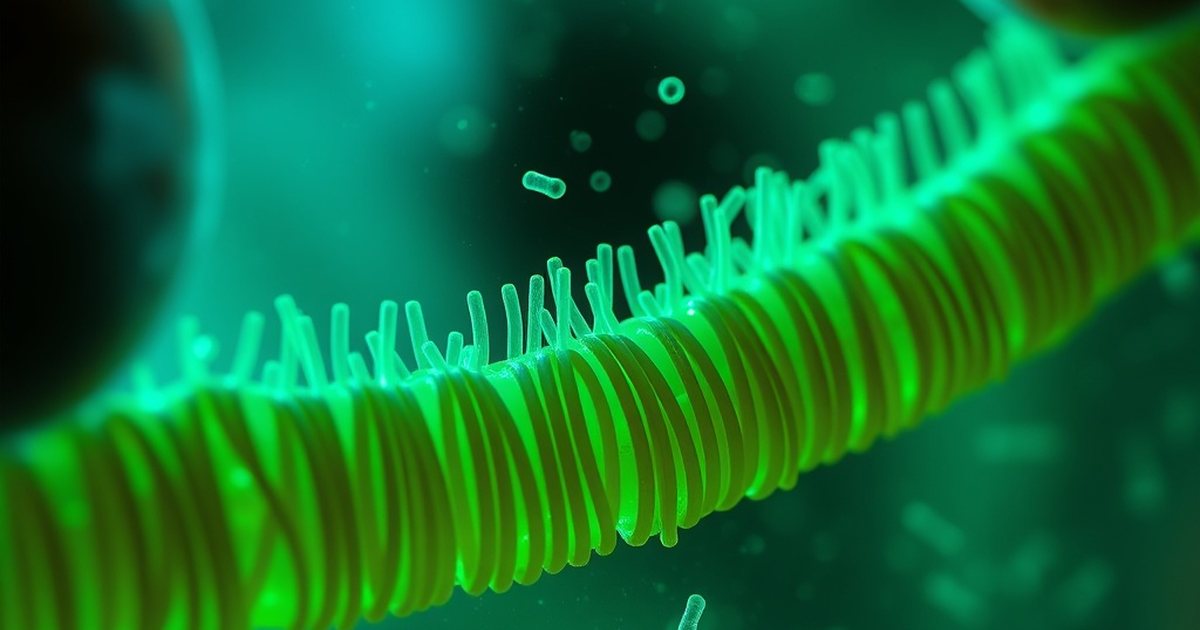
Among thousands of bacterial species in the human gut, Akkermansia muciniphila occupies an unusual ecological niche: it lives in and feeds on the mucin layer that coats the intestinal wall. Rather than being harmful, this mucin degradation is proposed to stimulate the intestinal lining to renew and thicken its protective barrier. This is one reason why adequate Akkermansia levels are associated with stronger gut barrier function in preclinical models.
Akkermansia also produces a distinctive outer-membrane protein called Amuc_1100, which appears to interact with Toll-like receptor 2 on intestinal epithelial cells in animal studies. This interaction has been proposed to modulate local immune tone and dampen the inflammatory signaling that underlies systemic low-grade inflammation — a hallmark of metabolic syndrome. These mechanisms have been characterized primarily in rodent studies, and extrapolating them directly to humans requires appropriate caution.
Proposed Mechanisms Linking Akkermansia to Metabolic Outcomes
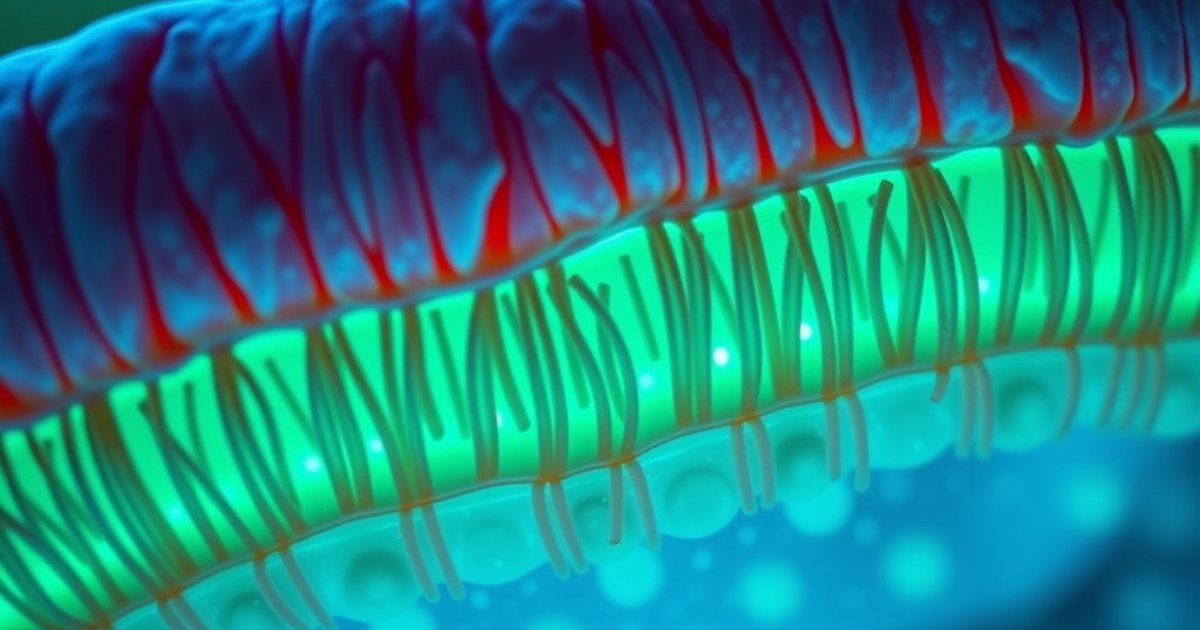
Three overlapping pathways have been proposed to connect Akkermansia muciniphila to metabolic health. The first is gut barrier reinforcement: a leaky gut allows bacterial fragments such as lipopolysaccharide (LPS) to enter systemic circulation, provoking a low-grade inflammatory state that worsens insulin sensitivity. Akkermansia is thought to counteract this by promoting expression of tight-junction proteins and maintaining mucus-layer integrity.
The second pathway involves hormone signaling. Fermentation activity and mucosal interactions associated with Akkermansia may stimulate enteroendocrine L-cells to release glucagon-like peptide-1 (GLP-1), a hormone that enhances insulin secretion, slows gastric emptying, and reduces appetite. GLP-1 receptor agonists are among the most actively studied pharmacological targets in metabolic medicine today, which makes the possibility that gut bacteria could modulate GLP-1 tone particularly compelling — though the magnitude of any such effect from Akkermansia in humans has not been firmly established.
The third proposed pathway involves adipose and lipid metabolism. In mouse models of diet-induced obesity, Akkermansia supplementation has been associated with reduced fat mass, lower circulating endotoxin levels, and improved hepatic lipid profiles. These findings have not been consistently replicated in human trials at scale, and the underlying mechanisms in humans remain under investigation.
Human Evidence: Promising but Preliminary
A small number of early-phase human trials have tested Akkermansia supplementation — in both live and pasteurized forms — in overweight adults with features of metabolic syndrome. Results from these studies have suggested modest improvements in markers of insulin sensitivity, LDL cholesterol, and gut barrier integrity compared to placebo, with no serious adverse events reported. These findings are intriguing, but sample sizes were small and follow-up periods short, and the authors themselves have consistently called for larger, longer trials before clinical conclusions can be drawn.
The broader field of nutritional and microbiome-targeted interventions for metabolic syndrome is actively evolving. Well-designed trials are now examining how various supplement strategies affect anthropometric measures, body composition, fasting glucose, lipid panels, blood pressure, and appetite in overweight and obese adults [2]. Rigorous randomized controlled designs that assess multiple metabolic syndrome components simultaneously will be essential for determining whether targeting the gut microbiome offers clinically meaningful benefits.
Metabolic syndrome involves conditions where impaired beta-cell function and insulin resistance develop through complex, overlapping, and self-reinforcing pathways [1]. Any gut-targeted intervention needs to be evaluated against this multifactorial reality — not assessed in isolation from the broader metabolic context.
What Depletes Akkermansia — and What May Support It
Several common lifestyle and dietary patterns have been associated with lower Akkermansia abundance in observational research. High-fat, low-fiber diets are consistently linked to reduced levels, as are obesity itself, antibiotic exposure, and advancing age. Sedentary behavior has also been associated with lower Akkermansia abundance, though the direction of causality is difficult to establish in cross-sectional data where many factors co-vary.
On the other side, prebiotic dietary fibers — particularly from foods such as chicory root, leeks, garlic, asparagus, and raw oats — appear to support Akkermansia abundance by providing fermentable substrate. Polyphenol-rich foods including cranberries, pomegranate, and green tea have been associated with higher Akkermansia levels in some studies, potentially because Akkermansia can utilize certain polyphenol metabolites. Metformin, the widely prescribed first-line diabetes medication, has also been found to increase Akkermansia abundance — though whether this relationship contributes to metformin’s metabolic effects or is a parallel association remains debated in the literature.
Practical Considerations: Supplements, Diet, and Realistic Expectations
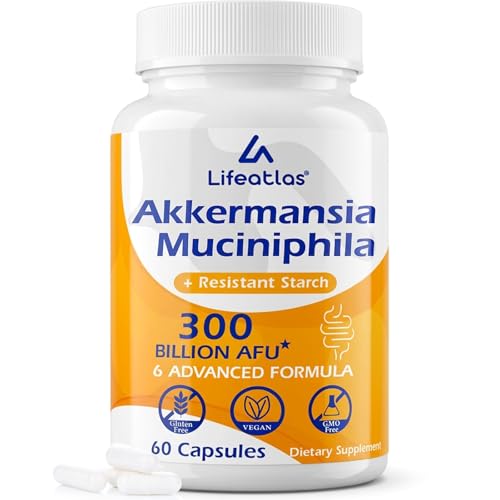
Live and pasteurized Akkermansia muciniphila supplements are commercially available in some markets as capsules or powders. These products are not FDA-approved to treat, cure, or prevent metabolic syndrome, diabetes, or any other condition. The human evidence base remains early-stage, with most mechanistic data derived from animal models and a limited number of small human trials.
For otherwise healthy adults exploring Akkermansia supplements as part of a broader lifestyle approach to metabolic health, the preliminary safety profile appears reassuring based on available data. However, individuals who are immunocompromised, on immunosuppressive medications, or managing active inflammatory bowel disease should consult a physician before using any live microbial preparation, as the risk-benefit calculation differs meaningfully in these groups. Increasing dietary fiber and polyphenol intake to support Akkermansia naturally is a lower-risk first step that also carries its own evidence base for cardiometabolic benefit, independent of Akkermansia-specific effects.
🛒 Where to Buy Akkermansia muciniphila
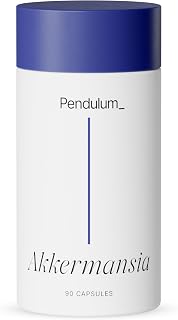
- Pendulum AkkermansiaLab-tested / studied
delayed-release capsules, 100M AFU — The only patented live A. muciniphila strain (WB-STR-0001); single-strain with chicory inulin, third-party tested. - Codeage Akkermansia Muciniphila
capsules, 100M AFU, 90 ct — Lower-cost Akkermansia plus chicory inulin synbiotic; 3-month supply, gluten-free. - Double Wood Akkermansia Probiotic + Postbiotic
capsules, per label — Budget Akkermansia option marketed around GLP-1 and postbiotic support.
As an Amazon Associate we earn from qualifying purchases. Akkermansia is a live, oxygen-sensitive strain — choose a delayed-release, third-party-tested product with a stated live AFU count.
A Note on the Evidence
The evidence linking Akkermansia muciniphila supplementation to meaningful improvements in metabolic syndrome in humans is still preliminary — most mechanistic data comes from animal models, and the completed human trials have been small and short in duration; larger confirmatory studies are needed before clinical recommendations can be made. Akkermansia supplements are not FDA-approved to treat or prevent any disease, and individuals who are immunocompromised, on immunosuppressive medications, or managing active inflammatory bowel disease should consult a qualified physician before use. This article is informational only and does not constitute medical advice.
Frequently Asked Questions
What is the proposed connection between Akkermansia and metabolic syndrome?
Lower gut levels of Akkermansia muciniphila have been repeatedly observed alongside features of metabolic syndrome, including obesity, elevated fasting glucose, and dyslipidemia. Proposed mechanisms include gut barrier dysfunction leading to inflammatory endotoxin exposure, impaired GLP-1 signaling, and amplified systemic inflammation — all of which intersect with the insulin resistance and chronic low-grade inflammation central to metabolic syndrome pathogenesis [1].


Has Akkermansia been tested in human clinical trials for metabolic outcomes?
Yes, but the evidence base is still limited. Early-phase human trials have tested both live and pasteurized Akkermansia in overweight adults and observed modest improvements in insulin sensitivity and lipid markers, but these studies involved small numbers of participants and short durations. Larger, well-controlled randomized trials that assess multiple metabolic syndrome components together [2] will be necessary before firm clinical conclusions can be drawn.
Can I raise my Akkermansia levels through diet alone?
Observational research suggests that high dietary fiber intake — especially prebiotic fibers from foods like chicory, leeks, and raw oats — along with polyphenol-rich foods such as cranberries and pomegranate, are associated with higher Akkermansia abundance. These dietary patterns also carry independent evidence for cardiometabolic benefit, making them a reasonable and lower-risk starting point regardless of whether Akkermansia-specific effects are confirmed in larger trials.
Is it safe to take an Akkermansia supplement?
In the small human trials conducted to date, Akkermansia supplementation in both live and pasteurized forms appeared well tolerated in otherwise healthy overweight adults. Akkermansia supplements are not FDA-approved treatments, however, and individuals who are immunocompromised, on immunosuppressive therapy, or managing active inflammatory bowel disease should consult a qualified physician before using any live microbial preparation.
How does Akkermansia relate to GLP-1 secretion?
GLP-1 is an intestinal hormone that amplifies insulin release in response to food, reduces appetite, and slows gastric emptying — the same pathway targeted by a class of widely used diabetes and weight-loss medications. Akkermansia has been proposed, primarily in animal studies, to stimulate GLP-1 secretion through mucosal interactions and fermentation activity. Whether this translates to meaningfully elevated GLP-1 levels in humans at practical supplementation doses has not yet been established in large human trials.
Does Akkermansia abundance decline with metabolic disease?
Studies consistently find that Akkermansia abundance is lower in individuals with obesity, type 2 diabetes, and other features of metabolic syndrome, as well as in older adults and those with recent antibiotic exposure. This pattern fits a broader picture of gut microbiome diversity loss that accompanies chronic metabolic disease, though establishing clear cause-and-effect relationships in human populations is methodologically challenging given the many interacting dietary, lifestyle, and genetic variables involved.
References
- Long J et al. Post-transplant diabetes mellitus after kidney transplantation: pathogenesis, risk factors, and management strategies. Frontiers in endocrinology (2026). PMID 42130741
- Asghari P et al. The effects of a newly developed beverage powder supplement on anthropometric measures, body composition, metabolic syndrome components, and appetite in obese or overweight adults: a protocol for a randomized clinical trial study. Trials (2025). PMID 41163054
These statements have not been evaluated by the Food and Drug Administration. This information is not intended to diagnose, treat, cure, or prevent any disease. Content is for informational purposes only and is not medical advice; consult a qualified healthcare provider before starting any supplement. As an Amazon Associate we earn from qualifying purchases.