Semaglutide (Ozempic, Wegovy) and related GLP-1 receptor agonists have reshaped conversations about metabolic health and weight management. At the same time, a growing body of research is examining Akkermansia muciniphila, a gut bacterium that appears to influence the same GLP-1 hormone pathway from an entirely different direction. The question many people are now asking: do these two approaches work on overlapping biology, and could they complement each other?
This article does not argue that Akkermansia is a substitute for a prescribed GLP-1 drug, nor that it amplifies a drug’s effects in any clinically proven way. What research is beginning to map, however, is a bidirectional relationship between Akkermansia abundance in the gut and GLP-1 secretion — a connection that could eventually inform how clinicians think about the microbiome as part of broader metabolic care. Here is what the current evidence actually says.
Key Takeaways
- Akkermansia muciniphila is a gut bacterium that supports intestinal barrier integrity and is proposed to stimulate GLP-1 secretion through microbial signaling pathways.
- Research identifies a bidirectional relationship: Akkermansia may influence GLP-1 levels, and GLP-1 drugs may alter microbiome composition — but this has not been tested in direct clinical trials combining both [1].
- Dietary fiber supports both Akkermansia abundance and natural GLP-1 secretion via short-chain fatty acid production, suggesting diet is a meaningful lever in this system [2].
- There are no published RCTs testing Akkermansia as an adjunct to semaglutide; current evidence is mechanistic and observational.
- Akkermansia is not a substitute for a prescribed GLP-1 medication and should not be framed as one; anyone on GLP-1 drugs should consult their physician before adding any supplement.
How GLP-1 Drugs Work and Why the Gut Matters
GLP-1 (glucagon-like peptide-1) is an incretin hormone secreted primarily by L-cells in the intestinal lining after a meal. It stimulates insulin release, suppresses glucagon, slows gastric emptying, and signals satiety to the brain. Drugs like semaglutide are synthetic GLP-1 receptor agonists engineered to activate these same receptors far more potently and persistently than the body’s own GLP-1, which degrades quickly.
What is often overlooked is that GLP-1 is not purely a pharmaceutical target — it is also a gut hormone that the microbiome may help regulate. The composition and health of the intestinal epithelium, the mucus layer, and the microbial communities living there all influence how L-cells respond to nutrients and microbial signals. This is where Akkermansia muciniphila enters the picture [1].
What Is Akkermansia muciniphila and What Does It Do in the Gut?
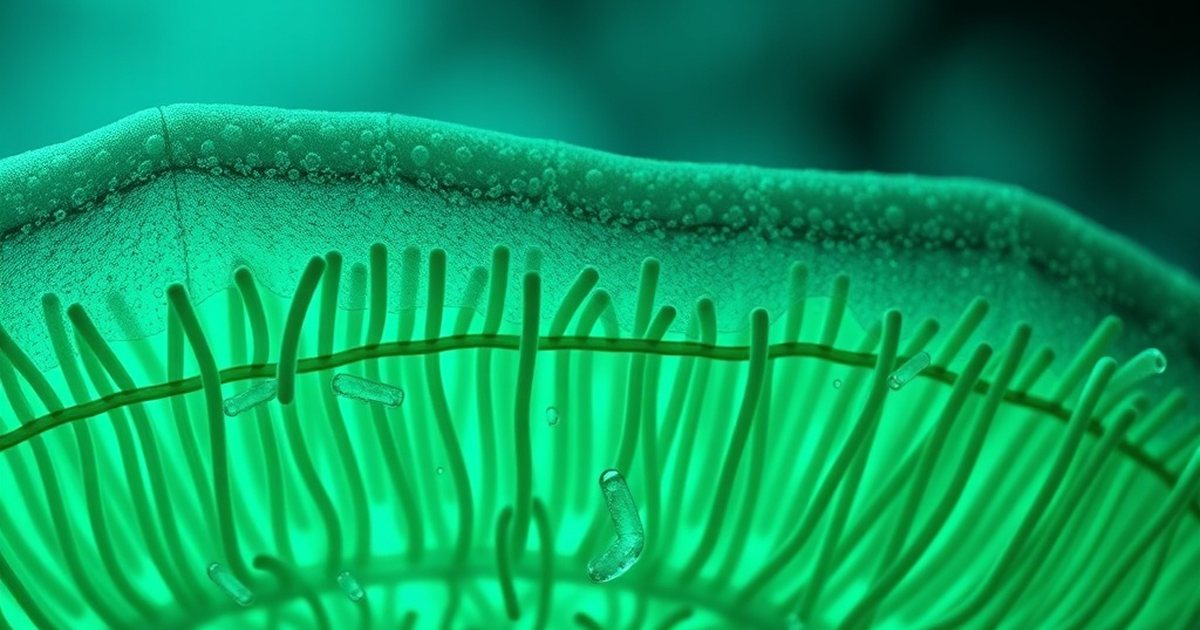
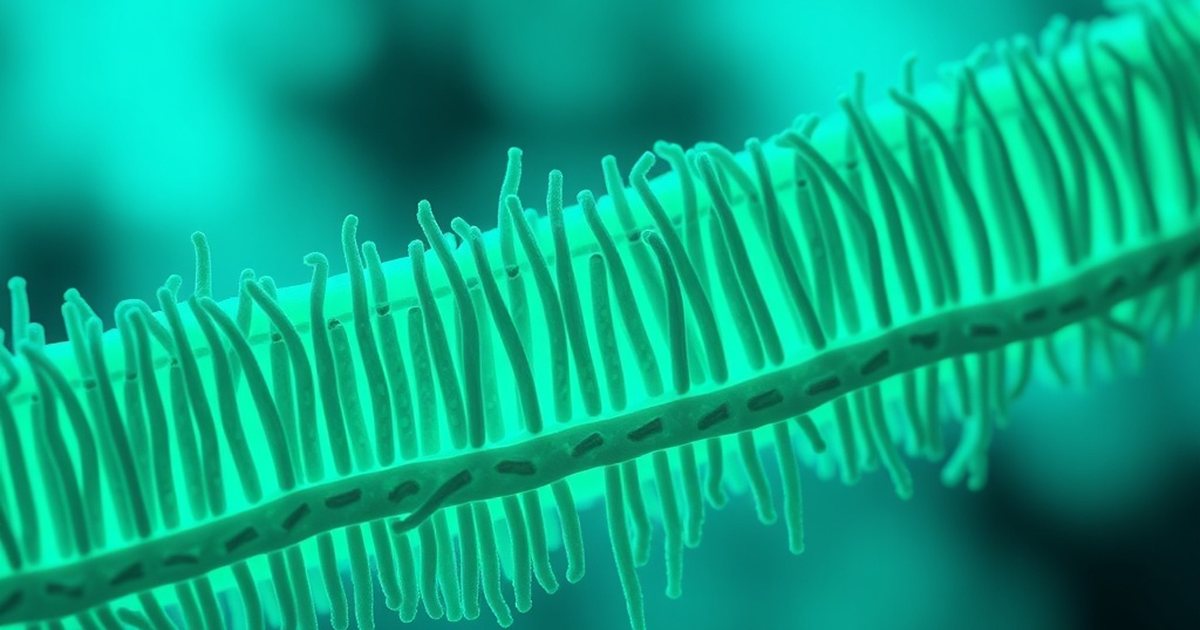
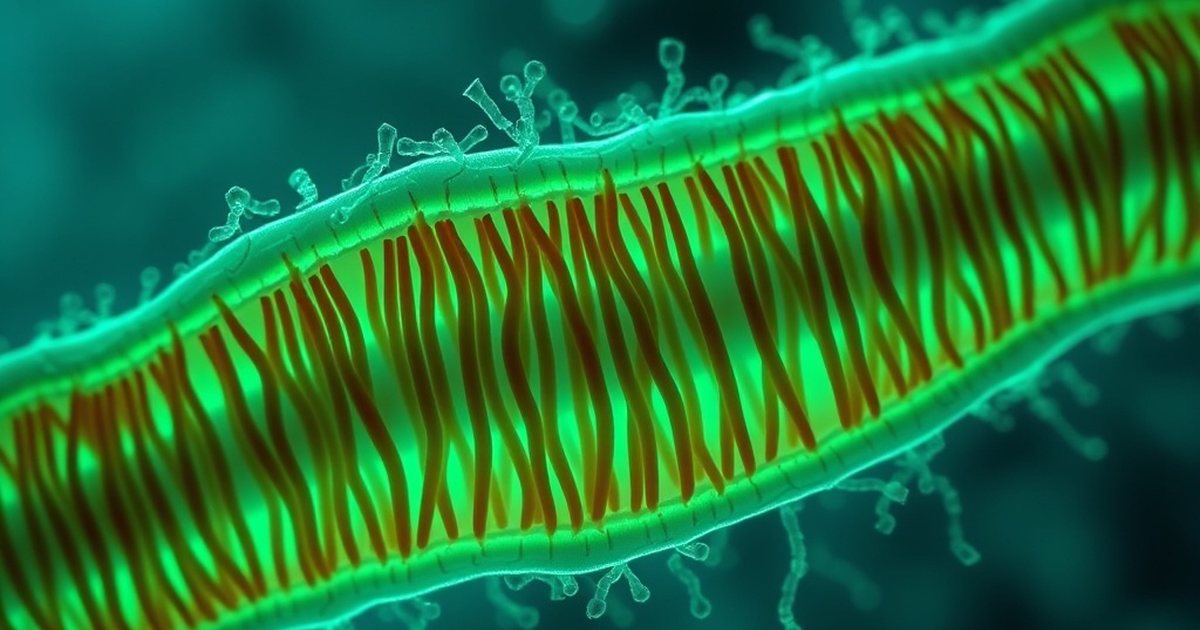
Akkermansia muciniphila is a gram-negative anaerobic bacterium that resides in the mucus layer of the intestine and accounts for more than 1% of the gut microbiome in healthy adults. It derives energy from mucin — the glycoprotein matrix of the gut lining — and in doing so continuously stimulates the epithelium to regenerate that layer. This turnover is associated with stronger tight junctions, reduced intestinal permeability, and a more resilient gut barrier.
One of its outer-membrane proteins, Amuc_1100, has attracted particular scientific interest because it appears to activate Toll-like receptor 2 signaling independently of the live bacterium, suggesting that even pasteurized or heat-treated preparations may retain some biological activity. Akkermansia abundance tends to decline with obesity, type 2 diabetes, aging, and poor diet — the same populations in which GLP-1 dysregulation is most common [1].
The Bidirectional Relationship: Akkermansia and GLP-1
Research published in 2026 describes what investigators call a bidirectional interaction between Akkermansia and GLP-1-based therapies [1]. On one side of this relationship, higher Akkermansia abundance in the gut is associated with greater GLP-1 secretion from intestinal L-cells, partly because the bacterium’s metabolic activity and its structural components may stimulate L-cell signaling pathways. On the other side, GLP-1 receptor agonists like semaglutide appear to alter gut microbiome composition — and some of that alteration includes shifts toward bacteria associated with improved metabolic outcomes.
This bidirectionality matters because it raises the possibility that a healthier gut microbiome, one richer in Akkermansia, might support the hormonal environment that GLP-1 drugs are designed to amplify — or, conversely, that GLP-1 drugs might influence microbial conditions that Akkermansia depends on. Neither pathway has been definitively established in large clinical trials; the current evidence is mechanistic and observational, drawn primarily from animal models and small human studies [1].
Separately, analyses of GLP-1 receptor agonist use in the context of obesity management have noted that these drugs do not work in a microbiome vacuum. The gut microbiome modulates the inflammatory and metabolic milieu through which GLP-1 signaling operates, which has prompted researchers to consider whether microbiome-targeted interventions might improve or sustain GLP-1 drug responses over time [3].
Akkermansia, Insulin Sensitivity, and Cardiometabolic Markers
Independent of GLP-1 drugs, Akkermansia has been examined for its potential effects on insulin sensitivity and related cardiometabolic markers. Animal studies consistently show that Akkermansia supplementation or its protein components can improve insulin resistance, reduce fasting glucose, and lower markers of metabolic inflammation. Human evidence is more limited: small trials have reported improvements in insulin sensitivity and some lipid markers in overweight adults following Akkermansia supplementation, while fasting glucose was not affected [1].
These are precisely the markers that GLP-1 drugs also target, which is part of why scientists are interested in whether the two might address overlapping problems through complementary routes. A GLP-1 agonist acts pharmacologically through receptor binding; Akkermansia is proposed to act through barrier integrity, mucin metabolism, and microbial signaling. The mechanisms are distinct, even if some downstream outcomes appear to converge.
What Role Does Diet and Fiber Play in Linking These Two?
A 2026 analysis examined how dietary fiber and GLP-1 receptor agonists may work through converging mechanisms in obesity management [2]. Dietary fiber is fermented by gut bacteria including Akkermansia into short-chain fatty acids (SCFAs) such as butyrate and propionate, which in turn stimulate L-cells to secrete GLP-1. This is a natural, food-driven activation of the same hormone pathway that GLP-1 drugs pharmacologically amplify.
The practical implication is that dietary choices capable of supporting Akkermansia — particularly prebiotic fibers found in foods like chicory, artichoke, and legumes — may independently contribute to GLP-1 production and gut barrier health. The same review notes that combining fiber intake with GLP-1 receptor agonist therapy may offer additive or synergistic benefits for weight and metabolic control, though direct clinical trials are still limited [2]. Akkermansia thrives on these same fermentable substrates, making diet a meaningful variable in any strategy that aims to support both the microbiome and GLP-1 biology.
This is not an argument that fiber or Akkermansia can replace a GLP-1 drug. Rather, it suggests that the gut environment shaped by diet and microbial composition is part of the broader metabolic context in which these drugs operate — and that neglecting it may leave a lever unpulled [2].
What This Means Practically: Realistic Expectations
The research connecting Akkermansia and GLP-1 drugs is genuinely interesting but early. There are no published randomized controlled trials directly testing Akkermansia supplementation as an adjunct to semaglutide or other GLP-1 agonists in humans. The evidence base currently consists of mechanistic studies, animal data, small human trials on Akkermansia alone, and observational data on microbiome changes in GLP-1 drug users [1] [3].
What can reasonably be said is that supporting gut health — through Akkermansia-favorable dietary patterns, prebiotic fiber intake, and potentially supplementation for those with documented low Akkermansia abundance — is unlikely to be harmful for most healthy adults and may support the broader metabolic environment in which GLP-1 biology operates. Treating Akkermansia as a pharmaceutical equivalent of semaglutide or claiming it will meaningfully boost a drug’s effects is not supported by current evidence.
Anyone using GLP-1 medications and considering adding a probiotic should discuss this with their prescribing physician. Interactions are not well characterized, and individual microbiome states vary enormously. The science here is promising but not yet prescriptive [3].
🛒 Where to Buy Akkermansia muciniphila
- Pendulum AkkermansiaLab-tested / studied
delayed-release capsules, 100M AFU — The only patented live A. muciniphila strain (WB-STR-0001); single-strain with chicory inulin, third-party tested. - Codeage Akkermansia Muciniphila
capsules, 100M AFU, 90 ct — Lower-cost Akkermansia plus chicory inulin synbiotic; 3-month supply, gluten-free. - Double Wood Akkermansia Probiotic + Postbiotic
capsules, per label — Budget Akkermansia option marketed around GLP-1 and postbiotic support.
As an Amazon Associate we earn from qualifying purchases. Akkermansia is a live, oxygen-sensitive strain — choose a delayed-release, third-party-tested product with a stated live AFU count.
A Note on the Evidence
The research connecting Akkermansia muciniphila to GLP-1 biology is early-stage, and no clinical trials have directly tested Akkermansia supplementation alongside semaglutide or other GLP-1 drugs in humans; findings from mechanistic and animal studies cannot be assumed to apply directly to people. Live probiotic formulations may carry risk for immunocompromised individuals, those on immunosuppressive therapy, or persons with active inflammatory bowel disease — these groups should consult a physician before use. Akkermansia supplements are not FDA-approved to treat, cure, or prevent any disease; this article is informational and does not constitute medical advice.

Frequently Asked Questions
Does Akkermansia increase GLP-1 levels in the body?
Animal studies and mechanistic research suggest Akkermansia may stimulate GLP-1 secretion from intestinal L-cells, partly through its outer-membrane protein Amuc_1100 and through SCFA production. Human evidence is limited and preliminary [1]. This is not the same as the potent, sustained receptor activation produced by pharmaceutical GLP-1 agonists.
Can taking Akkermansia make semaglutide work better?
No direct human clinical trial has tested this combination. What research describes is a bidirectional biological relationship — Akkermansia may support the gut conditions in which GLP-1 signaling operates, and GLP-1 drugs may shift microbiome composition — but whether this translates to enhanced drug efficacy in practice is unknown [3].
Does semaglutide affect Akkermansia in the gut?
Some research suggests GLP-1 receptor agonists alter gut microbiome composition, and shifts in metabolically relevant bacteria including those associated with improved metabolic outcomes have been observed [3]. Whether semaglutide specifically increases or decreases Akkermansia abundance in humans is not yet clearly established.
What foods help support Akkermansia growth?
Akkermansia thrives on prebiotic dietary fibers — particularly those found in chicory root, Jerusalem artichoke, garlic, leeks, and legumes. These same fibers are fermented into short-chain fatty acids that stimulate natural GLP-1 secretion, creating a potential overlap in mechanisms [2].
Is Akkermansia safe to take if I am on a GLP-1 drug?
For most healthy adults, Akkermansia supplementation is not associated with serious adverse effects in current studies. However, live probiotic preparations carry potential risk for immunocompromised individuals or those with active inflammatory bowel disease, and interactions with GLP-1 medications are not well characterized. Consult your prescribing physician before adding any probiotic to your regimen.
How does Akkermansia relate to insulin sensitivity?
Higher Akkermansia abundance is associated with improved insulin sensitivity in both animal models and small human trials; lower fasting glucose has been seen in animal models but not in human supplementation trials, with mechanisms proposed to include reduced intestinal permeability and lower systemic metabolic inflammation [1]. These same outcomes are targets of GLP-1-based therapies, which is part of what makes this biological overlap a subject of active research.
References
- Dinkov B et al. Akkermansia muciniphila and GLP-1-Based Therapies: Bidirectional Interactions and Implications for Type 2 Diabetes and MASLD/MASH. Biomedicines (2026). PMID 42351662
- Wang Y et al. Dietary Fiber and Glucagon-Like Peptide-1 Receptor Agonists in Obesity Management: Converging Mechanisms, Interactions, and Strategies for Durable Weight Control. Advances in nutrition (Bethesda, Md.) (2026). PMID 42106160
- Johnson A et al. The potential for complex interplay between GLP-1 receptor agonists, gut microbiome, and obesity management. Canadian journal of physiology and pharmacology (2026). PMID 41818791
These statements have not been evaluated by the Food and Drug Administration. This information is not intended to diagnose, treat, cure, or prevent any disease. Content is for informational purposes only and is not medical advice; consult a qualified healthcare provider before starting any supplement. As an Amazon Associate we earn from qualifying purchases.