When most people think of probiotics, they picture Lactobacillus acidophilus in a yogurt carton or Bifidobacterium longum on a supplement label. These two genera have dominated probiotic research for decades, accumulating a large body of evidence around digestion, immune modulation, and vaginal health. Akkermansia muciniphila is a newer arrival to mainstream attention: a gram-negative bacterium that lives in the mucus layer of the colon and is absent from most commercial probiotic blends entirely.
Understanding how these bacteria differ is not just an academic exercise. They occupy distinct ecological niches, act through different mechanisms, and have been studied for largely non-overlapping health outcomes. Choosing between them, or considering whether both matter, depends on what you are actually trying to support and what the current evidence honestly supports.
Key Takeaways
- Akkermansia muciniphila lives in the mucus layer and acts primarily on intestinal barrier integrity and metabolic signaling: a fundamentally different role than Lactobacillus or Bifidobacterium.
- Lactobacillus has the deepest clinical evidence for diarrhea prevention, IBS, and vaginal health; Bifidobacterium is best supported for infant gut development, constipation, and fermentation of prebiotic fibers.
- Akkermansia research in humans has focused on insulin sensitivity, weight and cardiometabolic markers, outcomes that Lactobacillus and Bifidobacterium probiotics have also been studied for, with mostly null results in a metabolic syndrome meta-analysis [1][2].
- In mice, the outer-membrane protein Amuc_1100 withstands pasteurization temperatures, and a 2019 pilot found the pasteurized form improved insulin sensitivity while the live form did not, but whether live or pasteurized cells work better is unresolved [3][4][5].
- Diet, particularly fiber diversity and polyphenol intake, supports all three groups; no supplement is a substitute for the foundational dietary habits that sustain a healthy microbiome.
Where Each Bacterium Lives and Why That Matters
Lactobacillus species are found primarily in the small intestine and, in women, the vaginal tract. They thrive in relatively oxygenated, acidic environments and are well adapted to competing with pathogenic bacteria through lactic acid production and bacteriocin secretion. Bifidobacterium species are predominantly large-intestine residents, fermenting dietary fiber into short-chain fatty acids such as acetate and lactate. Both genera are transient in the gut, they pass through rather than permanently colonize, which is one reason most probiotic supplements require ongoing use.
Akkermansia muciniphila occupies a uniquely different niche: the mucus layer itself. It is a strict anaerobe that uses mucin, the glycoprotein that forms the protective gel lining your intestinal wall, as its primary carbon and nitrogen source. This relationship is not destructive under normal conditions. The bacteria’s activity on mucin appears to stimulate the host to produce more of it, effectively maintaining mucus layer thickness. This mechanism is fundamentally different from anything Lactobacillus or Bifidobacterium do, which is why Akkermansia is sometimes categorized separately as a ‘next-generation probiotic’ candidate rather than a traditional probiotic strain.

Mechanisms: How Each Group Supports Gut Health
Lactobacillus strains support gut health primarily through competitive exclusion, occupying attachment sites on the intestinal epithelium so that pathogenic bacteria cannot, and through acidifying the local environment. Certain strains also modulate immune responses by interacting with Toll-like receptors on intestinal epithelial cells, contributing to regulatory T-cell activity and reduced inflammatory signaling. Some Lactobacillus species produce enzymes that assist with lactose digestion, and specific strains have been studied for managing antibiotic-associated diarrhea and irritable bowel syndrome symptoms.
Research note: A meta-analysis of trials in adults of a triple combination of Lactobacillus acidophilus, Lactobacillus casei and Bifidobacterium bifidum reported a reduction in HOMA-IR insulin resistance of 1.05 points [18].
Bifidobacterium species are especially well studied in infants, where they dominate the gut microbiome of breastfed newborns and appear critical to immune programming. In adults, Bifidobacterium strains ferment prebiotics such as fructooligosaccharides and galactooligosaccharides into short-chain fatty acids that nourish colonocytes. Declining Bifidobacterium abundance has been consistently observed with aging, antibiotic exposure, and highly processed diets, making replenishment a common goal in probiotic supplementation.
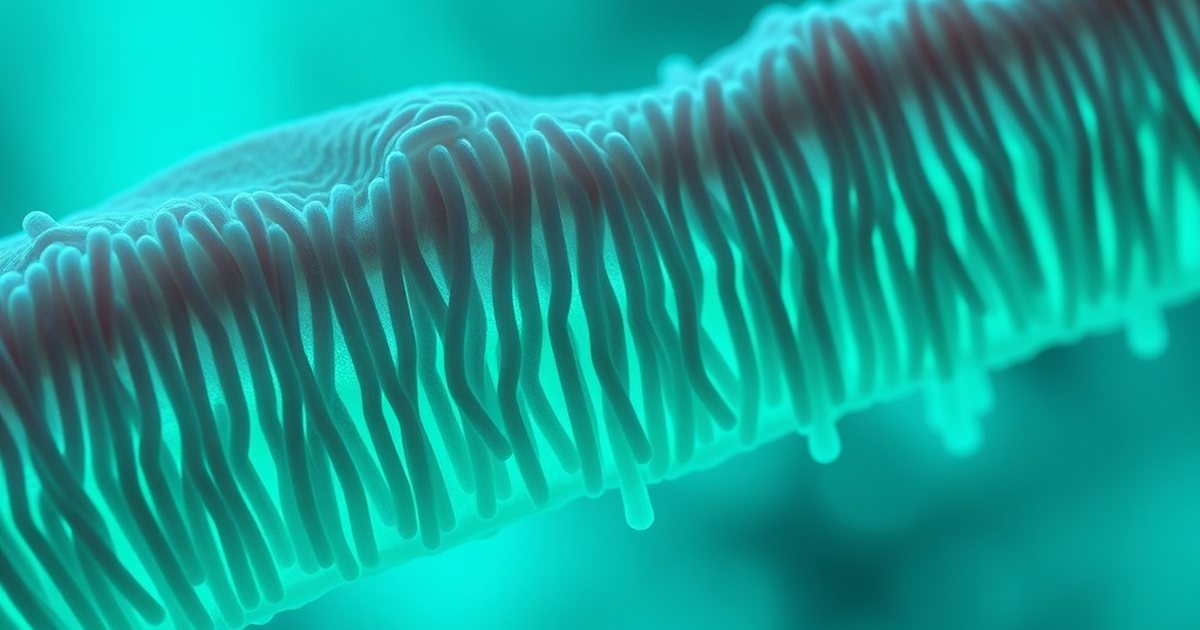
Akkermansia muciniphila’s proposed mechanisms center on intestinal barrier function and metabolic signaling. In cell and mouse experiments, the outer-membrane protein Amuc_1100 interacts with Toll-like receptor 2 and has been linked to tight-junction protein expression and a better gut barrier. Separately, an Akkermansia protein called P9 stimulated release of glucagon-like peptide-1 (GLP-1) in cells and mice, but a review notes that more human research is needed to prove clinical benefit [6][7][3][8][9]. These metabolic effects have made Akkermansia a focus of cardiometabolic research in a way that is largely distinct from the digestive and immune work around Lactobacillus and Bifidobacterium.
What the Research Has Actually Studied Each For
The bulk of clinical evidence for Lactobacillus strains covers infectious and antibiotic-associated diarrhea, traveler’s diarrhea, Clostridioides difficile recurrence prevention, certain IBS subtypes, vaginal dysbiosis, and atopic conditions such as eczema in infants. The evidence quality varies considerably by condition and strain; the specificity of strain matters significantly, meaning results from Lactobacillus rhamnosus GG cannot be generalized to every other Lactobacillus product on the market.
Bifidobacterium research has historically focused on infant gut development, constipation relief, reducing symptoms of IBS-C, and supporting immune responses during respiratory illness seasons. More recently, Bifidobacterium strains have been examined in the context of the gut-brain axis, with preliminary work on mood, anxiety, and cognitive performance, though this area remains early and findings are not yet consistent enough to draw firm conclusions.
Akkermansia research, being newer, is more concentrated in metabolic disease. Human trials have explored its effects on insulin sensitivity, body weight and lipids: a 2019 pilot in 40 overweight or obese insulin-resistant adults, and a 142-adult trial in people with metabolic syndrome that did not meet its primary insulin sensitivity endpoint [4][10][11]. There is also growing interest in its relationship to immunotherapy outcomes in certain cancers, since higher baseline Akkermansia abundance has been associated in observational studies with better responses to checkpoint inhibitor therapy. None of this constitutes proof of treatment efficacy, and Akkermansia supplements are not approved to treat or prevent any disease.
Abundance in a Healthy Gut: Natural Levels and What Depletes Them
In a healthy adult gut, Lactobacillus typically represents a small fraction of the total microbiome in the colon, often less than one percent, while being more prominent in the small intestine. Bifidobacterium can account for a larger share of colonic bacteria but declines substantially after infancy and continues to decrease with age. Akkermansia muciniphila normally constitutes more than 1 percent of the healthy adult gut microbiome, though this varies significantly between individuals and across populations.
All three groups are sensitive to antibiotic use, with broad-spectrum antibiotics often causing dramatic, sometimes prolonged reductions. Diet is linked to Akkermansia levels: a review links Western diets and ultra-processed foods to depletion of Akkermansia, while few diet trials have measured it and they report abundance only [12][13]. In mice, cranberry extract and green tea extract raised Akkermansia, and a nine-person Ramadan fasting pilot with no control group reported higher abundance; these are abundance outcomes, not shown health benefits in people [14][15][16]. Bifidobacterium is readily supported by prebiotic fibers. Lactobacillus populations in the gut are more diet-independent, though fermented foods contribute transient increases.
Can Akkermansia and Traditional Probiotics Work Together?
There is no established evidence of antagonism between Akkermansia and Lactobacillus or Bifidobacterium species. They occupy genuinely different ecological niches and appear to act through complementary rather than competing mechanisms. A gut with both robust mucus-layer Akkermansia and adequate Bifidobacterium-driven short-chain fatty acid production would, in theory, benefit from both the barrier integrity effects associated with Akkermansia and the colonocyte-nourishing effects of butyrate and acetate.
In practice, most commercial probiotic products do not include Akkermansia because it is technically challenging to stabilize live cultures of a strict anaerobe for shelf-stable supplementation. Pasteurized (heat-treated) Akkermansia preparations have been developed to address this, with a 2019 pilot reporting better insulin sensitivity with pasteurized Akkermansia while the live preparation did not, although a later 142-adult trial missed its primary endpoint. Whether live or pasteurized cells work better is unresolved [4][10][5][17]. This is a meaningful practical distinction: for Lactobacillus and Bifidobacterium, live cultures are generally considered necessary for effect, while for Akkermansia, non-live preparations may also have utility.
Choosing Based on Your Goal: A Realistic Framework
If your primary interest is managing antibiotic-associated diarrhea, supporting IBS symptoms, or improving vaginal microbiome health, the Lactobacillus evidence base, particularly for specific well-studied strains, is deeper and more clinically validated than anything currently available for Akkermansia. Strain selection matters: look for products that specify the strain designation (e.g., Lactobacillus rhamnosus GG, not just ‘Lactobacillus rhamnosus’) and that have clinical trial evidence for your specific goal.
If your primary interest is metabolic health (insulin sensitivity, blood glucose management, or weight-related outcomes) or if you are specifically focused on intestinal barrier function and mucosal integrity, Akkermansia is the more directly relevant research target, though the human evidence is still early and no supplement should be expected to substitute for dietary and lifestyle interventions. For general long-term gut health maintenance, supporting Bifidobacterium through prebiotic-rich foods may be more cost-effective than supplementation for many people.
These are not mutually exclusive choices. A gut ecology that supports Akkermansia in the mucus layer, Bifidobacterium in the lumen, and adequate Lactobacillus in the small intestine reflects a genuinely diverse microbiome. No single supplement recreates that; dietary diversity, fiber intake, fermented food consumption, and minimizing unnecessary antibiotic exposure remain the most broadly supported foundations of microbiome health.
🛒 Where to Buy Akkermansia muciniphila
- Pendulum Akkermansia
delayed-release capsules, 100M AFU: Live A. muciniphila strain (WB-STR-0001); single-strain with chicory inulin, third-party tested. - Codeage Akkermansia Muciniphila
capsules, 100M AFU, 90 ct: Lower-cost Akkermansia plus chicory inulin synbiotic; 3-month supply, gluten-free. - Double Wood Akkermansia Probiotic + Postbiotic
capsules, per label: Budget Akkermansia option marketed around GLP-1 and postbiotic support.
As an Amazon Associate we earn from qualifying purchases. Akkermansia is a live, oxygen-sensitive strain: choose a delayed-release, third-party-tested product with a stated live AFU count.
A Note on the Evidence
This article does not carry numbered references, so its statements are summaries of published research and should be checked against the primary literature; readers can consult systematic reviews via PubMed. Akkermansia muciniphila supplements are not FDA-approved to treat, cure, or prevent any disease; individuals who are immunocompromised, on immunosuppressive medications, pregnant, or managing active inflammatory bowel disease should consult a qualified healthcare provider before using any probiotic supplement.

Frequently Asked Questions
Is Akkermansia a probiotic like Lactobacillus?
Akkermansia muciniphila is increasingly referred to as a ‘next-generation probiotic’ candidate, but it differs from classical probiotics in important ways. It is a strict anaerobe that cannot be easily kept alive in shelf-stable capsule form, it is not currently FDA-approved as a probiotic, and its proposed mechanisms, mucus layer maintenance and metabolic hormone signaling, are distinct from the fermentation and competitive exclusion actions of Lactobacillus strains.
Can I take Akkermansia and Lactobacillus at the same time?
There is no known antagonism between Akkermansia and Lactobacillus or Bifidobacterium species. They occupy different niches in the gut and act through different mechanisms. However, combined supplement protocols have not been extensively studied in clinical trials, so the potential for additive or synergistic effects is not yet well characterized by evidence.
Which is better for IBS: Akkermansia or Lactobacillus?
For IBS, the clinical evidence strongly favors specific Lactobacillus and Bifidobacterium strains over Akkermansia. Multiple controlled trials have examined strains such as Lactobacillus rhamnosus GG and Bifidobacterium infantis for IBS symptom relief. Akkermansia has not been well studied specifically for IBS in humans, making it a less evidence-supported choice for that condition at this time.
Does diet affect Akkermansia levels differently than Lactobacillus levels?
Yes. Akkermansia abundance has been linked to some polyphenol-rich extracts in mice and to fasting in a small uncontrolled pilot, but few diet trials have measured it, and they report abundance, not health outcomes [14][15][16][13]. Lactobacillus levels in the colon are less dramatically influenced by diet and more responsive to direct supplementation or fermented food consumption. Bifidobacterium is strongly supported by prebiotic fibers such as inulin, FOS, and GOS.
Is Akkermansia safe for everyone?
Live Akkermansia probiotic formulations carry potential risks for immunocompromised individuals, those on immunosuppressive therapy, or persons with active inflammatory bowel disease, who should consult a physician before use. Pasteurized formulations may reduce but may not eliminate risk in these populations. As with any supplement, Akkermansia products are not FDA-approved to treat, cure, or prevent any disease, and this information is not a substitute for personalized medical advice.
How does low Akkermansia compare to low Bifidobacterium as a health concern?
Both are associated with less favorable health states in observational research, but for different reasons. Low Bifidobacterium is consistently linked to reduced fermentation capacity, slower gut transit, and diminished colonocyte nourishment via short-chain fatty acids. Low Akkermansia has been associated in observational studies with increased intestinal permeability, metabolic dysfunction, and obesity. These associations do not establish that supplementing with either will reverse those conditions, and the clinical evidence for intervention is considerably more developed for Bifidobacterium than for Akkermansia.
References
- Yue Dong et al. Probiotic Foods and Supplements Interventions for Metabolic Syndromes: A Systematic Review and Meta-Analysis of Recent Clinical Trials. Annals of Nutrition and Metabolism (2019). PMID 30889572
- Chen X et al. Comparative Efficacy of Probiotics for the Treatment of Obesity: A Systematic Review and Network Meta-analysis. Nutrition reviews (2026). PMID 42108208
- Plovier H et al. A purified membrane protein from Akkermansia muciniphila or the pasteurized bacterium improves metabolism in obese and diabetic mice. Nature medicine (2017). PMID 27892954
- Liu Y et al. Pasteurized Akkermansia muciniphila as a candidate multi-effector pharmacological system in the gut-liver axis: evidence, unresolved causality, and translational priorities. Frontiers in pharmacology (2026). PMID 42846334
- Amandine Everard et al. Cross-talk between Akkermansia muciniphila and intestinal epithelium controls diet-induced obesity. Proceedings of the National Academy of Sciences (2013). PMID 23671105
- Noora Ottman et al. Pili-like proteins of Akkermansia muciniphila modulate host immune responses and gut barrier function. PLoS ONE (2017). PMID 28249045
- Lee DW et al. Recombinant Amuc_1100 from Akkermansia muciniphila modulates tight junction-associated protein in vaginal epithelial cells. Archives of microbiology (2026). PMID 42554872
- Yoon HS et al. Akkermansia muciniphila secretes a glucagon-like peptide-1-inducing protein that improves glucose homeostasis and ameliorates metabolic disease in mice. Nature microbiology (2021). PMID 33820962
- Dulai AS et al. The Gut Microbiome's Influence on Incretins and Impact on Blood Glucose Control. Biomedicines (2024). PMID 39767626
- Suenaert P et al. Effect of pasteurized Akkermansia muciniphila MucT on insulin sensitivity, body composition, and GLP-1 production in subjects with metabolic syndrome: impact of low baseline gut Akkermansia levels. Gut microbes (2026). PMID 42343233
- European Food Safety Authority (NDA Panel) Safety of pasteurised Akkermansia muciniphila as a novel food pursuant to Regulation (EU) 2015/2283. European Food Safety Authority (NDA Panel) (2021). source
- Khial Y et al. Dietary patterns, gut microbiota, and gastrointestinal disorders: mechanistic insights into irritable bowel syndrome and inflammatory bowel disease. Reviews on environmental health (2026). PMID 42448648
- Sanne Verhoog et al. Dietary Factors and Modulation of Bacteria Strains of Akkermansia muciniphila and Faecalibacterium prausnitzii: A Systematic Review. Nutrients (2019). PMID 31336737
- Fernando F. Anhê et al. A polyphenol-rich cranberry extract protects from diet-induced obesity, insulin resistance and intestinal inflammation in association with increased Akkermansia spp. population in the gut microbiota of mice. Gut (2014). PMID 25080446
- Gurley BJ et al. Decaffeinated Green Tea Extract Does Not Elicit Hepatotoxic Effects and Modulates the Gut Microbiome in Lean B6C3F₁ Mice. Nutrients (2019). PMID 30987244
- Ceren Özkul et al. Islamic fasting leads to an increased abundance of Akkermansia muciniphila and Bacteroides fragilis group: A preliminary study on intermittent fasting. The Turkish Journal of Gastroenterology (2019). PMID 31854308
- Fatemeh Ashrafian et al. Comparative effects of alive and pasteurized Akkermansia muciniphila on normal diet-fed mice. Scientific Reports (2021). PMID 34504116
- Dubey VP et al. Efficacy of a Probiotic Combination on Glycemic Index and Insulin Resistance in Adults: A Systematic Review and Meta-Analysis. Journal of dietary supplements (2025). PMID 40550754
These statements have not been evaluated by the Food and Drug Administration. This information is not intended to diagnose, treat, cure, or prevent any disease. Content is for informational purposes only and is not medical advice; consult a qualified healthcare provider before starting any supplement. As an Amazon Associate we earn from qualifying purchases.