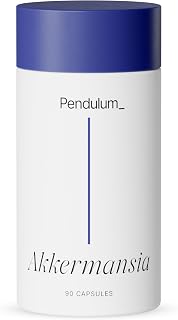
Akkermansia muciniphila is a mucus-dwelling gut bacterium that typically accounts for more than 1% of a healthy gut microbiome. It has attracted significant research attention because of its proposed roles in reinforcing intestinal barrier integrity, signaling through its outer-membrane protein Amuc_1100, and influencing metabolic hormones such as GLP-1. Lower relative abundance of Akkermansia has been observed in populations with obesity, type 2 diabetes, and metabolic liver disease, though whether this is a cause or a consequence of those conditions remains an active area of investigation.
The good news is that Akkermansia appears to be among the more diet-responsive bacteria in the gut. A consistent body of preclinical work and a growing number of human pilot studies suggest that several accessible dietary and lifestyle choices can shift its relative abundance meaningfully. This article outlines those strategies honestly, notes where the human evidence is still early or limited, and explains the proposed biological mechanisms without overstating what is known.
Key Takeaways
- Polyphenol-rich foods—pomegranate, berries, green tea, olive oil, dark chocolate—are among the most studied dietary drivers of higher Akkermansia abundance.
- Prebiotic fibers from chicory, garlic, onions, leeks, and resistant starch from oats and legumes support the colonic fermentation environment Akkermansia thrives in.
- Intermittent fasting or time-restricted eating has shown preliminary evidence for increasing Akkermansia relative abundance, though much of this evidence is still early.
- Regular aerobic exercise, adequate sleep, and stress management are lifestyle factors with plausible mechanistic links to a healthier gut microbiome, including Akkermansia.
- Limiting ultra-processed foods, unnecessary antibiotics, and chronic alcohol consumption removes key stressors that can suppress Akkermansia and overall microbial diversity.
Why Akkermansia Abundance May Matter for Metabolic Health
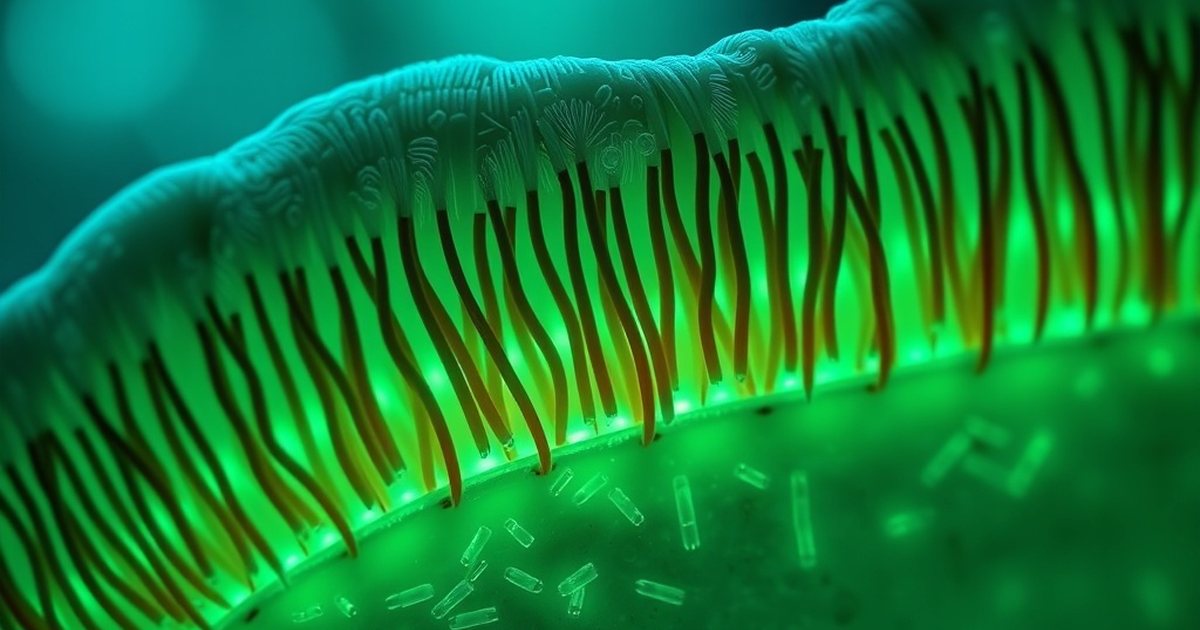
Akkermansia muciniphila colonizes the mucus layer of the colon, where it uses mucin glycoproteins as a primary carbon source. This activity is thought to stimulate the host to produce fresh mucin, in turn thickening the protective mucus layer rather than eroding it. The bacterium also appears to upregulate tight-junction proteins such as claudin-3, which are critical for preventing bacterial products from crossing into circulation—a process sometimes called ‘leaky gut.’
Separately, Akkermansia’s outer-membrane protein Amuc_1100 has been shown in animal models to interact with intestinal Toll-like receptor 2, triggering downstream improvements in gut barrier function and glucose homeostasis. Human randomized trials using pasteurized Akkermansia supplementation have reported improvements in insulin sensitivity, fasting glucose, and cardiometabolic markers in adults with metabolic syndrome, though sample sizes have generally been small and follow-up periods short. The gut-liver axis is also relevant here: gut-derived signals from microbiome shifts can influence hepatic lipid metabolism, as research into compounds that modulate this axis continues to demonstrate [1].
Understanding these mechanisms helps clarify why certain dietary choices appear beneficial—polyphenols, prebiotic fibers, and intermittent fasting all have plausible pathways through which they might support Akkermansia growth and the downstream effects it is proposed to produce.
Polyphenol-Rich Foods: The Most Studied Dietary Driver
Polyphenols—the class of plant compounds that includes flavonoids, ellagitannins, and lignans—are poorly absorbed in the small intestine, meaning a substantial fraction reaches the colon where gut bacteria can metabolize them. Akkermansia is among the bacterial species that appear to thrive in a polyphenol-rich colonic environment, and several preclinical and human observational studies have linked higher polyphenol intake to greater Akkermansia relative abundance.
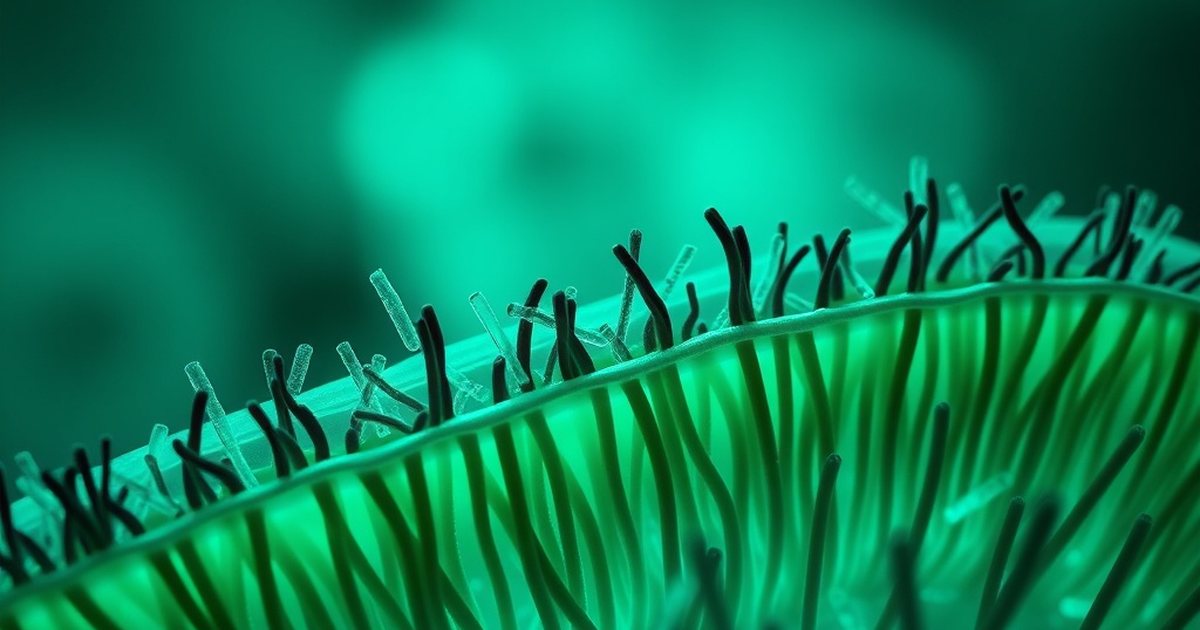
Pomegranate and its juice are among the most studied sources. The ellagitannins in pomegranate are converted by colonic bacteria into urolithins, and this fermentation environment appears particularly supportive of Akkermansia. Berries (blueberries, cranberries, raspberries), red grapes, dark chocolate, green tea, and extra-virgin olive oil are other polyphenol-dense foods frequently appearing in this literature. Citrus-derived bioactive compounds are also under investigation for their effects on gut-liver crosstalk and metabolic outcomes in high-fat-diet contexts [1], suggesting that the broader category of plant limonoids and flavonoids may modulate gut ecology through related pathways.
Practically, aiming for a wide variety of colorful vegetables, fruits, legumes, nuts, and whole grains each week is more realistic and evidence-aligned than supplementing any single polyphenol. Diversity of plant intake correlates broadly with microbial diversity, which itself correlates with Akkermansia presence.
Prebiotic Fibers and Resistant Starch
Prebiotics are non-digestible food ingredients that selectively feed beneficial gut bacteria. Inulin and fructooligosaccharides (FOS), found in chicory root, Jerusalem artichoke, garlic, leek, onion, and asparagus, have been among the more studied substrates in this context. Pectin, the soluble fiber abundant in apple skins and citrus pith, has also appeared in microbiome research as a potential Akkermansia-supporting substrate.
Resistant starch—the fraction of starch that escapes small-intestinal digestion and ferments in the colon—is another well-regarded prebiotic category. Cooked-and-cooled potatoes, unripe bananas, whole oats, and legumes are practical dietary sources. When these fibers arrive in the colon, they support a fermentative environment that produces short-chain fatty acids (SCFAs) like butyrate, acetate, and propionate. Butyrate in particular fuels colonocytes and helps maintain the mucus layer that Akkermansia depends on—creating a mutually reinforcing dynamic.
Increasing prebiotic fiber intake abruptly can cause temporary bloating or gas. A gradual increase over two to four weeks, starting at lower amounts and building up, allows the microbiome to adapt without discomfort.
Intermittent Fasting and Caloric Patterns
Several preclinical and some human pilot studies have observed increases in Akkermansia relative abundance following periods of caloric restriction or intermittent fasting protocols such as time-restricted eating (TRE). The proposed mechanism involves the colon spending periods without a continuous influx of digested food, which may alter the colonic environment in ways that favor mucin-degrading specialists like Akkermansia over fermentative generalists.
Time-restricted eating—consuming all meals within a 8–10 hour window—is among the more studied and practically sustainable fasting approaches. Ramadan fasting studies and other caloric-restriction trials have also reported microbiome shifts consistent with increased Akkermansia. However, these observations are often secondary endpoints in studies not specifically designed to measure Akkermansia, so the causal interpretation remains tentative.
If you are interested in TRE, typical starting points include a 16:8 (16 hours fasting, 8 hours eating) or a less demanding 14:10 schedule. Individuals with diabetes, a history of disordered eating, or who are pregnant should consult a physician before adopting any fasting regimen.
Exercise, Sleep, and Stress: Lifestyle Factors With Emerging Evidence
Regular aerobic exercise has been associated with greater gut microbial diversity in several cross-sectional studies, and some longitudinal exercise intervention trials have reported increases in Akkermansia-related taxa. The mechanism is not fully understood but may involve exercise-induced changes in gut motility, intestinal blood flow, and systemic inflammation—all of which can reshape the colonic environment.
Sleep quality and duration are also associated with microbiome composition in observational research. Short sleep duration and circadian disruption have been linked to reductions in beneficial taxa, possibly through the effect of circadian rhythms on gut motility and the immune surveillance of the mucosa. Targeting 7–9 hours of consistent sleep is a foundational health behavior with plausible microbiome-level benefits.
Chronic psychological stress elevates cortisol and activates the hypothalamic-pituitary-adrenal axis, which can alter gut motility, intestinal permeability, and the composition of the mucosal immune environment. Practices that reduce perceived stress—whether meditation, regular physical activity, social connection, or nature exposure—may have indirect benefits on gut microbiome composition, including Akkermansia, though the human microbiome research here is preliminary.
What to Limit: Factors That May Suppress Akkermansia
Ultra-processed foods—those high in refined sugars, industrial seed oils, emulsifiers, and artificial sweeteners—are consistently associated with lower gut microbial diversity and reduced abundance of health-associated taxa in large epidemiological datasets. Some emulsifiers (carboxymethylcellulose, polysorbate-80) have shown mucus-layer disruption in animal models, which is mechanistically relevant given that Akkermansia resides specifically in the mucus layer.
Unnecessary antibiotic use is one of the most reliably documented disruptors of gut microbiome composition. While antibiotics are sometimes medically essential, using them outside of clear clinical indications—or not completing prescribed courses correctly—can deplete Akkermansia and other beneficial taxa for months after treatment. If antibiotics are prescribed, discussing targeted probiotic co-administration or post-antibiotic dietary strategies with your clinician may be worthwhile.
Chronic heavy alcohol consumption and a sedentary lifestyle both correlate with less favorable gut microbiome profiles in population data. Moderating alcohol and reducing prolonged sitting—even with brief walking breaks—are low-cost adjustments that may support a more Akkermansia-favorable gut environment over time.
🛒 Where to Buy Akkermansia muciniphila
- Pendulum AkkermansiaLab-tested / studied
delayed-release capsules, 100M AFU — The only patented live A. muciniphila strain (WB-STR-0001); single-strain with chicory inulin, third-party tested. - Codeage Akkermansia Muciniphila
capsules, 100M AFU, 90 ct — Lower-cost Akkermansia plus chicory inulin synbiotic; 3-month supply, gluten-free. - Double Wood Akkermansia Probiotic + Postbiotic
capsules, per label — Budget Akkermansia option marketed around GLP-1 and postbiotic support.
As an Amazon Associate we earn from qualifying purchases. Akkermansia is a live, oxygen-sensitive strain — choose a delayed-release, third-party-tested product with a stated live AFU count.

A Note on the Evidence
Most human evidence linking diet and lifestyle to Akkermansia abundance comes from small trials, observational studies, or animal models, and should be interpreted cautiously. Individuals who are immunocompromised, on immunosuppressive therapy, pregnant, or living with active inflammatory bowel disease should consult a physician before making significant dietary changes or considering any probiotic supplement. This article is informational only and does not constitute medical advice.
Frequently Asked Questions
How long does it take to increase Akkermansia through diet?
Gut microbiome composition can shift within days to a few weeks in response to significant dietary changes, based on short-term dietary intervention studies. However, sustained changes in Akkermansia relative abundance likely require consistent dietary habits over weeks to months. Individual variation is substantial and not yet well predicted.
Can I take an Akkermansia supplement instead of changing my diet?
Pasteurized Akkermansia supplements exist and have been used in small human trials with some promising cardiometabolic results. However, these are not FDA-approved to treat or prevent any disease, and live probiotic formulations carry potential risk for immunocompromised individuals. Dietary strategies that nourish existing Akkermansia are generally considered safer first steps, and supplements should be discussed with a physician.
Is pomegranate really one of the best foods for Akkermansia?
Pomegranate is among the most frequently cited foods in Akkermansia research, likely because its ellagitannins are fermented in the colon in ways that appear to favor Akkermansia growth. However, many of the studies are preclinical or involve small human samples, so pomegranate should be viewed as one useful component of a broad polyphenol-rich diet rather than a stand-alone solution.
Does fasting really increase Akkermansia?
Several preclinical studies and some human pilot trials have reported increases in Akkermansia relative abundance during caloric restriction or intermittent fasting. The proposed mechanism involves changes in the colonic environment during food-free periods. This evidence is promising but largely preliminary, and fasting is not appropriate for everyone without medical guidance.
Are there foods that directly harm Akkermansia?
Ultra-processed foods, foods containing certain emulsifiers (like carboxymethylcellulose), and diets very high in refined sugar or saturated fat have been associated with reduced Akkermansia in animal and human observational research. Antibiotics are the most documented acute disruptor. Reducing ultra-processed food intake and using antibiotics only when clinically necessary are the most practical protective steps.
Does exercise increase Akkermansia?
Some cross-sectional and longitudinal exercise studies have reported associations between regular aerobic exercise and higher relative abundance of Akkermansia or related taxa. The mechanisms proposed include changes in gut motility, systemic inflammation, and intestinal perfusion. The evidence is suggestive but not yet strong enough to make precise exercise prescriptions for Akkermansia specifically; general physical activity guidelines (150+ minutes of moderate activity weekly) are a reasonable target.
References
- Wang X et al. Obacunone ameliorates high-fat diet-induced MAFLD by regulating the PPARγ-FABP1/CD36 axis and the gut-liver crosstalk. Phytomedicine : international journal of phytotherapy and phytopharmacology (2025). PMID 40850071
These statements have not been evaluated by the Food and Drug Administration. This information is not intended to diagnose, treat, cure, or prevent any disease. Content is for informational purposes only and is not medical advice; consult a qualified healthcare provider before starting any supplement. As an Amazon Associate we earn from qualifying purchases.