Non-alcoholic fatty liver disease, now formally renamed metabolic dysfunction-associated steatotic liver disease (MASLD) by international consensus, affects an estimated one in four adults worldwide and represents a leading cause of chronic liver disease. Its progression from simple fat accumulation to inflammation, fibrosis, and cirrhosis is shaped by many factors beyond diet and exercise alone, including the composition of the gut microbiome and how intestinal bacteria communicate with the liver through the gut-liver axis.
Akkermansia muciniphila, a gram-negative bacterium residing in the intestinal mucus layer that typically constitutes more than 1 percent of a healthy gut microbiome, has become one of the most studied microbes in metabolic disease research. A growing body of preclinical work and an emerging systematic review suggest that reduced Akkermansia abundance is associated with fatty liver pathology and that restoring this bacterium may influence liver fat accumulation, bile acid handling, and gut barrier integrity. This article reviews what the research actually shows, including where evidence remains preliminary, and what it means for anyone interested in the gut-liver connection.
Key Takeaways
- The gut-liver axis is a recognized driver of NAFLD/MASLD progression, with gut barrier disruption and altered bile acid metabolism as key mechanisms; Akkermansia muciniphila is proposed to influence both [1][2].
- A 2025 systematic review found consistent signals in animal models that Akkermansia supplementation reduces liver steatosis and modulates bile acid metabolism, but robust human randomized controlled trials in NAFLD are limited [3].
- Bile acid metabolism appears to be a central mechanistic bridge between Akkermansia activity and liver outcomes, though at least one animal study found that Akkermansia expansion via cholic acid improved diabetes while exacerbating steatohepatitis, highlighting context-dependency [4].
- Certain dietary fibers, including citrus pectin, have been shown to enrich Akkermansia and produce associated reductions in hepatic lipid accumulation in animal studies, suggesting diet-based microbiome support as a complementary strategy [5].
- Akkermansia supplements are not FDA-approved to treat any liver condition; the human evidence base is still early-stage, and anyone with liver disease should consult a physician before using probiotic supplements.
The Gut-Liver Axis: Why the Microbiome Matters in NAFLD/MASLD
The gut and liver are anatomically and functionally intertwined. The portal vein delivers blood from the intestines directly to the liver, meaning the liver is constantly exposed to bacterial metabolites, lipopolysaccharides (LPS), and other microbial products that cross the intestinal wall. When gut barrier integrity is compromised, this exposure increases significantly, triggering inflammatory signaling cascades that are directly implicated in fatty liver progression [1].
A 2026 FASEB review examining the gut-liver axis in MASLD described how disrupted microbial communities, reduced gut barrier function, altered bile acid profiles, and inflammatory signaling all converge to drive hepatic lipid accumulation and disease progression [2]. This framework helps explain why two people eating similar diets can have very different liver health outcomes depending on the composition of their gut microbiome.
Research published in EBioMedicine (2025) used microbiome and metabolomics profiling in fatty liver disease to demonstrate that gut microbial composition directly influences both lipid metabolism in the liver and the liver’s regenerative capacity, supporting the idea that the microbiome is an active participant in liver health outcomes rather than a passive bystander [6].
Akkermansia muciniphila: Proposed Roles in Fatty Liver Pathology
A 2025 systematic review published in BMC Gastroenterology examined the available evidence for Akkermansia muciniphila’s therapeutic potential in non-alcoholic fatty liver disease [3]. Across the reviewed studies, Akkermansia depletion was consistently associated with worsening liver steatosis and metabolic dysfunction, while supplementation with live or pasteurized Akkermansia in animal models was associated with reduced liver fat, improved insulin sensitivity, and attenuation of inflammatory markers.
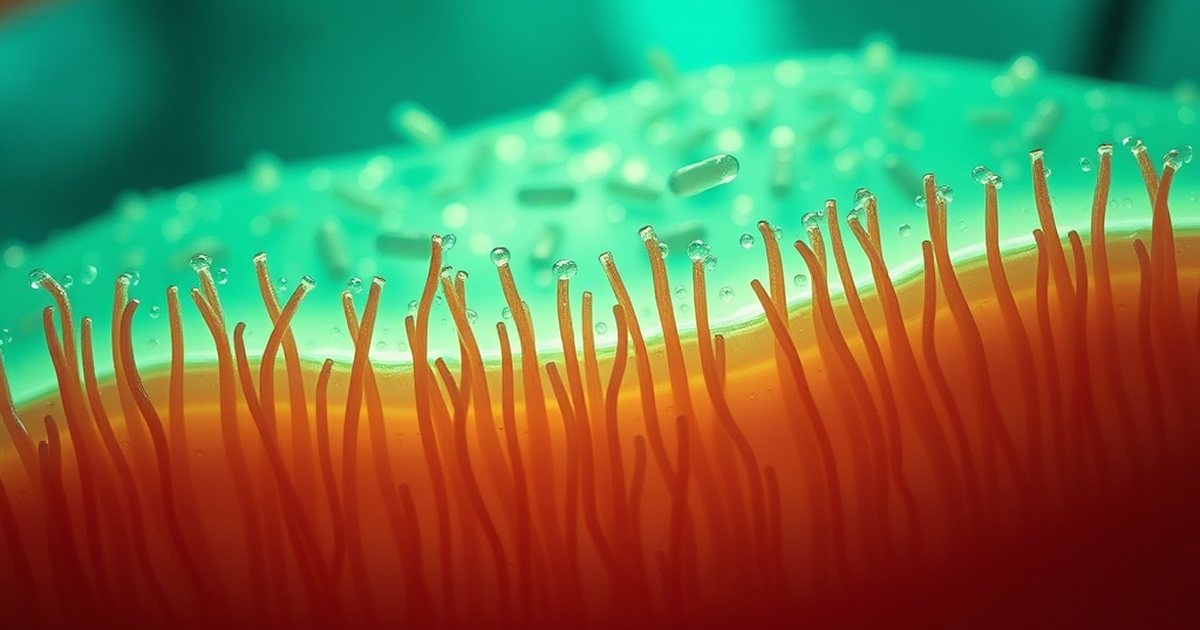
Several mechanisms have been proposed. Akkermansia reinforces the intestinal mucus layer, reducing translocation of bacterial endotoxins to the portal circulation and thereby reducing the Toll-like receptor-driven liver inflammation recognized as a driver of NAFLD progression [1]. Akkermansia’s outer-membrane protein Amuc_1100 has also been proposed to independently signal through gut receptors to support tight-junction integrity and metabolic regulation, though most of this evidence comes from cell and animal studies.
A mouse study published in Microbial Biotechnology (2023) found that Akkermansia supplementation in high-fat diet-fed mice alleviated metabolic-associated fatty liver disease by reshaping the gut microbial community and altering bile acid profiles, two mechanisms with direct relevance to hepatic lipid handling [7].
Bile Acid Metabolism: A Central Mechanistic Bridge
Bile acids are synthesized in the liver from cholesterol, secreted into the gut, and then modified by gut bacteria before being reabsorbed. This enterohepatic circulation is a two-way communication channel between the liver and the microbiome, and its disruption has been implicated in NAFLD progression. Gut bacteria influence whether primary bile acids are converted to secondary bile acids, which have distinct signaling properties affecting hepatic fat metabolism and glucose homeostasis.
A 2024 paper published in Cell identified a secondary bile acid biosynthetic pathway through which gut symbionts alleviate metabolic-associated steatohepatitis (MASH), the inflammatory form of fatty liver, highlighting how specific microbial metabolic activities can produce liver-protective bile acid species [8]. A separate 2023 NPJ Biofilms and Microbiomes study demonstrated that gut microbiome composition determines the therapeutic efficacy of obeticholic acid, a bile acid receptor agonist used in NAFLD treatment, by modulating bile acid metabolism pathways [9]. These findings reinforce that the relationship between gut bacteria and bile acid chemistry is central to liver fat outcomes.
A 2025 study in Genes to Cells examined a dietary intervention that induced Akkermansia expansion via cholic acid supplementation in TSOD mice, finding it upregulated FGF-15 (a bile acid-responsive hormone) and improved diabetic parameters. However, the same intervention also exacerbated steatohepatitis in that model [4]. This is an important finding: it underscores that bile acid-Akkermansia interactions are context-dependent and that results in one metabolic model do not automatically generalize to all conditions.
Preclinical Evidence: What Animal Models Reveal
Much of the mechanistic work on Akkermansia and fatty liver has been conducted in rodent models. A 2021 Microbiome study examining genetically obese ob/ob and diabetic db/db mice found that Akkermansia abundance was substantially reduced compared to lean controls, and that this reduction coincided with compromised gut barrier integrity and elevated systemic inflammation [10]. These observations have been widely cited to support the hypothesis that Akkermansia depletion is a feature of metabolic disease rather than merely an incidental correlation.
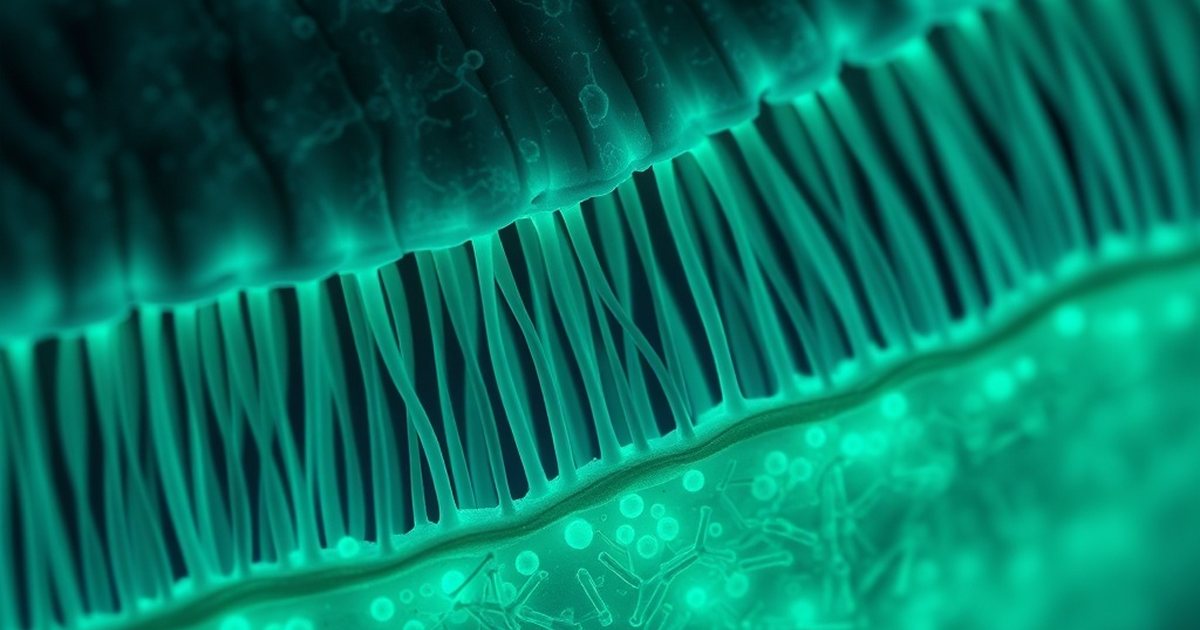
The 2023 Microbial Biotechnology study using high-fat diet-fed mice supplemented with Akkermansia muciniphila reported reductions in hepatic lipid accumulation and improvements in metabolic markers, mediated in part through bile acid pathway modulation and microbiome recomposition [7]. A 2025 International Journal of Biological Sciences study found that citrus pectin supplementation, which enriched Akkermansia among other microbes, was associated with reduced liver fat accumulation through an indole lactic acid and bile acid synthesis pathway [5], suggesting that dietary approaches supporting Akkermansia growth may engage some of the same downstream mechanisms.
Animal models, particularly high-fat diet rodent studies and genetic obesity models, do not always translate directly to human disease. Results from these studies are best interpreted as mechanistic hypothesis-generation rather than definitive clinical evidence.
Systematic Review Summary: Where the Human Evidence Stands
The 2025 systematic review in BMC Gastroenterology [3] represents the most comprehensive synthesis of available evidence on Akkermansia muciniphila in NAFLD. The reviewers found consistent signals across animal studies supporting reduced liver steatosis, improved gut barrier function, and modulation of bile acid and lipid metabolism with Akkermansia supplementation. Human evidence, however, remains sparse. The review noted that robust, randomized controlled trials in NAFLD patients are limited, making it premature to draw firm clinical conclusions about therapeutic dosing or efficacy in humans.
A 2025 study in the Journal of Ethnopharmacology examining a traditional herbal formula for NAFLD found improvements in liver markers associated with changes in gut microbiota composition and gut-adipose tissue crosstalk, with Akkermansia among the modulated microbes [11]. This provides further indirect evidence that supporting Akkermansia abundance is associated with liver-favorable metabolic shifts, even when Akkermansia is not the sole intervention variable.
The overall picture is one of promising preclinical evidence and plausible mechanistic pathways, set against an early-stage human evidence base. Commercially available Akkermansia supplements have begun to enter the market, but they are not FDA-approved to treat, cure, or prevent NAFLD, MASLD, or any liver condition.
Practical Takeaway: Diet, Lifestyle, and Supporting the Gut-Liver Axis
Akkermansia muciniphila thrives on the mucin layer and on fermentable dietary fibers. Dietary patterns associated with supporting Akkermansia abundance include high-fiber diets rich in vegetables and legumes, polyphenol-containing foods such as pomegranates and cranberries, and prebiotic fibers like inulin and pectin. The citrus pectin study noted above [5] illustrates how a dietary substrate enriching Akkermansia can produce downstream bile acid changes relevant to liver fat, though isolating Akkermansia as the sole variable in dietary studies is rarely possible.
For individuals concerned about fatty liver disease, the current evidence base suggests that gut microbiome health is one piece of a multifactorial picture that also includes dietary quality, physical activity, body weight management, and medical management of underlying conditions such as type 2 diabetes and dyslipidemia. No supplement, including Akkermansia-based products, should be viewed as a replacement for these foundational lifestyle interventions or for physician-supervised medical care.
🛒 Where to Buy Akkermansia muciniphila
- Pendulum AkkermansiaLab-tested / studied
delayed-release capsules, 100M AFU — The only patented live A. muciniphila strain (WB-STR-0001); single-strain with chicory inulin, third-party tested. - Codeage Akkermansia Muciniphila
capsules, 100M AFU, 90 ct — Lower-cost Akkermansia plus chicory inulin synbiotic; 3-month supply, gluten-free. - Double Wood Akkermansia Probiotic + Postbiotic
capsules, per label — Budget Akkermansia option marketed around GLP-1 and postbiotic support.
As an Amazon Associate we earn from qualifying purchases. Akkermansia is a live, oxygen-sensitive strain — choose a delayed-release, third-party-tested product with a stated live AFU count.
A Note on the Evidence
The majority of evidence linking Akkermansia muciniphila to fatty liver improvement comes from animal models; robust human clinical trials in NAFLD/MASLD patients are limited, and no Akkermansia supplement is FDA-approved to treat, cure, or prevent any liver condition. Individuals with existing liver disease, immunocompromised status, active inflammatory bowel disease, or those on immunosuppressive therapy should consult a qualified physician before using any probiotic supplement. This article is informational only and does not constitute medical advice.

Frequently Asked Questions
What is the gut-liver axis and why does it matter in fatty liver disease?
The gut-liver axis refers to the bidirectional signaling pathway between the intestinal microbiome and the liver, mediated by the portal vein, bile acids, and microbial metabolites. When gut barrier integrity is disrupted, bacterial endotoxins reach the liver and activate inflammatory pathways that contribute to fat accumulation and disease progression [1]. A 2026 FASEB review described how microbial imbalance, altered bile acids, and inflammatory signaling converge specifically in MASLD [2].
Is Akkermansia muciniphila lower in people with NAFLD?
Animal studies and observational work have consistently found reduced Akkermansia abundance in models of obesity and metabolic disease compared to lean controls [10]. The 2025 systematic review in BMC Gastroenterology noted this association across reviewed studies [3], though establishing causality in humans requires more rigorous longitudinal and interventional research.
How might Akkermansia muciniphila help reduce liver fat accumulation?
Proposed mechanisms include reinforcing the gut mucus layer to reduce LPS translocation to the liver, modulating bile acid profiles to improve hepatic lipid signaling, and recomposing the broader gut microbial community in ways that reduce fat deposition. A mouse study found that Akkermansia supplementation alleviated high-fat-diet-induced fatty liver through these bile acid and microbiome remodeling pathways [7].
What did the 2025 systematic review on Akkermansia and NAFLD conclude?
The systematic review published in BMC Gastroenterology (2025) found consistent preclinical evidence that Akkermansia muciniphila supplementation reduced liver steatosis, improved gut barrier function, and modulated bile acid metabolism in animal models of NAFLD [3]. The reviewers emphasized that robust human randomized controlled trials in NAFLD patients remain limited, making clinical translation premature at this stage.
Can diet support Akkermansia and benefit the liver?
Certain dietary fibers appear to support Akkermansia growth and produce associated liver-favorable effects. A 2025 study found that citrus pectin supplementation enriched Akkermansia among other microbes and was associated with reduced hepatic lipid accumulation through a bile acid synthesis pathway [5]. High-fiber and polyphenol-rich dietary patterns are generally associated with supporting Akkermansia abundance, though dietary studies rarely isolate Akkermansia as the sole explanatory variable.
Are there any risks with Akkermansia supplements for people with liver disease?
Live probiotic formulations, including Akkermansia-based products, carry potential risks for immunocompromised individuals, those on immunosuppressive therapy, and people with active inflammatory bowel disease. Additionally, one animal study found that a cholic acid-induced Akkermansia expansion improved diabetes markers but exacerbated steatohepatitis in a specific mouse model [4], suggesting that bile acid-Akkermansia interactions are context-dependent and outcomes are not uniformly beneficial across all metabolic conditions. Anyone with liver disease should consult a physician before using Akkermansia supplements.
References
- Miura K et al. Role of gut microbiota and Toll-like receptors in nonalcoholic fatty liver disease. World journal of gastroenterology (2014). PMID 24966608
- Zhu S et al. The Gut-Liver Axis in Metabolic Dysfunction-Associated Steatotic Liver Disease: From Mechanistic Insights to Precision Therapeutics. FASEB journal : official publication of the Federation of American Societies for Experimental Biology (2026). PMID 41824007
- Asghari P et al. Therapeutic potential of Akkermansia muciniphila in non-alcoholic fatty liver disease: a systematic review. BMC gastroenterology (2025). PMID 41257640
- Kato M et al. Cholic Acid-Induced Akkermansia Expansion and FGF-15 Upregulation Improve Diabetes While Exacerbating Steatohepatitis in TSOD Mice. Genes to cells : devoted to molecular & cellular mechanisms (2025). PMID 41251061
- Pan Z et al. Citrus Pectin Supplementation Alleviated Hepatic Lipid Accumulation through Gut Microbiota Indole Lactic Acid Promoting Hepatic Bile Acid Synthesis and Excretion. International journal of biological sciences (2025). PMID 40860180
- Hu Y et al. Microbiome and metabolomics reveal the effect of gut microbiota on liver regeneration of fatty liver disease. EBioMedicine (2025). PMID 39644773
- Wu W et al. Akkermansia muciniphila alleviates high-fat-diet-related metabolic-associated fatty liver disease by modulating gut microbiota and bile acids. Microbial biotechnology (2023). PMID 37377410
- Nie Q et al. Gut symbionts alleviate MASH through a secondary bile acid biosynthetic pathway. Cell (2024). PMID 38653239
- Liu J et al. Gut microbiome determines therapeutic effects of OCA on NAFLD by modulating bile acid metabolism. NPJ biofilms and microbiomes (2023). PMID 37258543
- Suriano F et al. Novel insights into the genetically obese (ob/ob) and diabetic (db/db) mice: two sides of the same coin. Microbiome (2021). PMID 34183063
- Shi J et al. Zexie-Baizhu Decoction ameliorates non-alcoholic fatty liver disease through gut-adipose tissue crosstalk. Journal of ethnopharmacology (2025). PMID 39182702
These statements have not been evaluated by the Food and Drug Administration. This information is not intended to diagnose, treat, cure, or prevent any disease. Content is for informational purposes only and is not medical advice; consult a qualified healthcare provider before starting any supplement. As an Amazon Associate we earn from qualifying purchases.