As discussions around metabolic health, weight management, and longevity continue to evolve, one name frequently emerges: Akkermansia muciniphila. This fascinating gut bacterium has garnered significant attention, often mentioned in the same breath as GLP-1 agonists and advanced nutritional strategies. For adults aged 35 to 65 navigating the complexities of blood sugar regulation or seeking effective weight management, the question isn’t just “What is Akkermansia?” but rather, “How does it truly compare to other interventions and supplements?”
This article aims to provide an evidence-based comparison, dissecting Akkermansia muciniphila‘s role and efficacy against other established and emerging strategies. We will examine its mechanisms, the current clinical evidence, and its practical application for those seeking genuine, science-backed guidance.
FTC Disclosure: This article may contain affiliate links. If you make a purchase through these links, Akkermansia muciniphilaHub may earn a commission at no extra cost to you. This helps support our continued efforts to provide evidence-based information.
Understanding Akkermansia muciniphila: Core Mechanisms
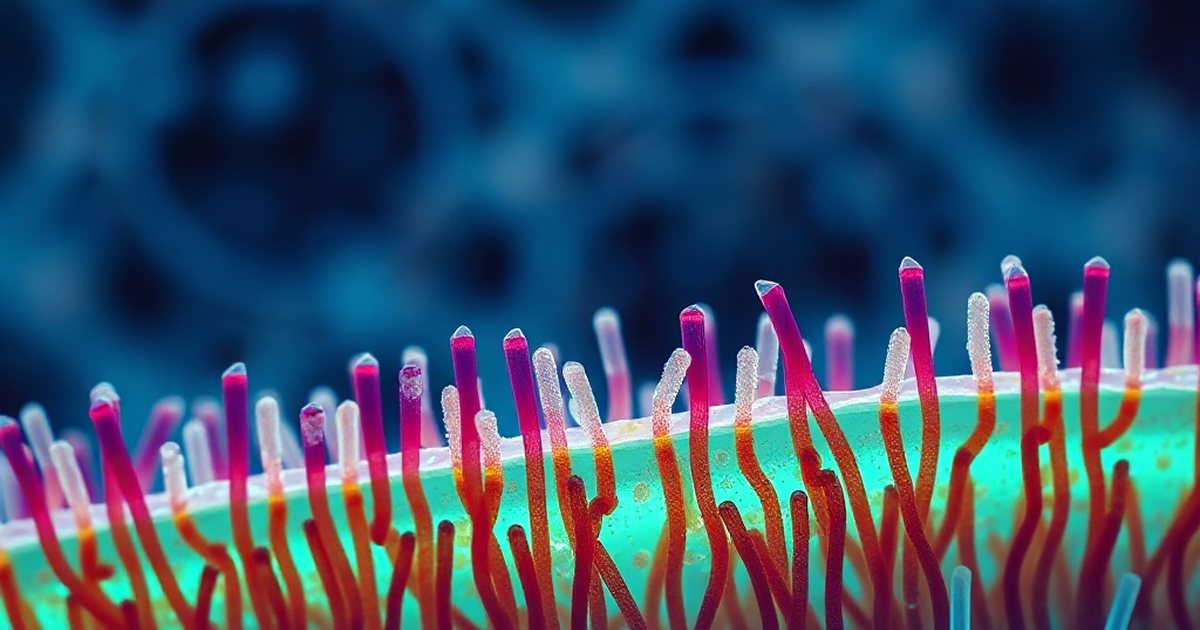
Akkermansia muciniphila is a Gram-negative bacterium naturally residing in the human gut. Its primary mechanism of action involves the degradation of mucin, a glycoprotein that forms the protective layer of the intestinal lining. This process is not simply destructive; it stimulates the host’s goblet cells to produce new, healthy mucin, thereby strengthening the gut barrier.
This mucin degradation also releases short-chain fatty acids (SCFAs), particularly acetate, which can then be converted into butyrate by other gut bacteria. Butyrate is a critical energy source for colonocytes and plays a significant role in reducing inflammation and improving gut barrier integrity. Beyond mucin, Akkermansia has been linked to the production of a specific protein, Amuc_1100, which has shown promise in modulating host metabolism and immune responses.
Akkermansia and Gut Barrier Function: Leaky Gut Bacteria
One of the most compelling areas of research for Akkermansia muciniphila is its impact on gut barrier function, often referred to as “leaky gut.” A compromised gut barrier allows undesirable substances, such as bacterial lipopolysaccharides (LPS), to enter the bloodstream, triggering systemic inflammation and contributing to metabolic dysfunction.
Preclinical studies have consistently demonstrated that supplementation with Akkermansia can reverse diet-induced gut barrier dysfunction. Human trials, though fewer, have begun to corroborate these findings. A study published in Nature Medicine (2019) observed that pasteurized Akkermansia improved insulin sensitivity and reduced markers of systemic inflammation in overweight or obese individuals, effects often associated with an improved gut barrier.
Comparison: Gut Barrier Probiotics
While Akkermansia is unique in its mucin-degrading capability, other probiotics also contribute to gut barrier integrity. Strains like Lactobacillus rhamnosus GG and Bifidobacterium longum have been shown to enhance tight junction proteins and reduce intestinal permeability. However, their mechanisms differ; they typically exert their effects through direct interaction with intestinal cells or by producing beneficial metabolites, rather than direct mucin remodeling.
Akkermansia and Metabolic Health: GLP-1 Probiotic and Metabolic Probiotic
The connection between Akkermansia muciniphila and metabolic health is a significant driver of its popularity. Research suggests it influences glucose homeostasis, lipid metabolism, and body weight. This has led to its informal classification as a “GLP-1 probiotic” and “metabolic probiotic.”
The proposed mechanisms include its ability to increase the production of GLP-1 (Glucagon-Like Peptide-1), an incretin hormone crucial for glucose regulation and satiety. Animal models have shown that Akkermansia can stimulate L-cells in the gut to release GLP-1, leading to improved glucose tolerance and reduced food intake. This effect is thought to be mediated by SCFAs and potentially other bacterial metabolites.
Human trials have shown promising, albeit modest, results. The aforementioned Nature Medicine study demonstrated that pasteurized Akkermansia supplementation improved insulin sensitivity and reduced body weight in a subset of participants. Another pilot study indicated improvements in metabolic parameters in individuals with prediabetes. It is important to note that these effects, while statistically significant, are generally less pronounced than those observed with pharmaceutical interventions.
Comparison: GLP-1 Agonists and Other Metabolic Interventions
GLP-1 receptor agonists (e.g., semaglutide, liraglutide) directly bind to GLP-1 receptors, mimicking and amplifying the effects of natural GLP-1. These drugs are highly effective for weight loss and blood sugar control, often resulting in significant reductions in body weight (15-20% or more) and substantial improvements in HbA1c. Their mechanism is direct and potent.
In contrast, Akkermansia muciniphila‘s influence on GLP-1 is indirect, working through modulating the gut environment and potentially stimulating endogenous GLP-1 production. While beneficial, its effects on weight loss and blood sugar are typically much milder compared to pharmacological GLP-1 agonists. It should be viewed as a supportive agent for metabolic health, not a standalone replacement for prescribed medications or significant lifestyle changes.
Other metabolic probiotics, such as certain strains of Bifidobacterium or Lactobacillus, have also shown some effects on weight and glucose metabolism, often by modulating gut inflammation or SCFA production. However, Akkermansia‘s unique mucin-degrading and GLP-1 stimulating properties set it apart in its specific mechanisms.
Akkermansia Supplementation: What to Look For
When considering Akkermansia muciniphila supplements, the primary distinction lies between live and pasteurized forms. Most commercially available supplements, such as those from Pendulum Therapeutics, utilize pasteurized Akkermansia. This is due to the bacterium’s strict anaerobic nature, making it challenging to maintain viability in a supplement format.
The efficacy of pasteurized Akkermansia has been demonstrated in human clinical trials, suggesting that its beneficial components, such as the Amuc_1100 protein and cell wall components, retain their activity even when the bacteria are not alive. This is an important consideration, as it broadens the accessibility and stability of Akkermansia as a supplement.

Pendulum Probiotic Review: A Case Study
Pendulum Therapeutics was a pioneer in bringing Akkermansia muciniphila to the consumer market. Their flagship product, Pendulum Glucose Control, combines pasteurized Akkermansia with other beneficial strains like Clostridium butyricum and Bifidobacterium infantis. Clinical trials funded by Pendulum have shown that this specific multi-strain formulation can improve glucose control in individuals with type 2 diabetes when used alongside standard care.
It is crucial to differentiate between the effects of a single strain of Akkermansia and a multi-strain formulation. While Akkermansia is a key component, the synergistic effects of other strains in Pendulum’s product likely contribute to its observed benefits. Consumers should evaluate whether they are seeking the benefits of Akkermansia specifically or a broader metabolic support blend.
Comparison Table: Akkermansia vs. Other Interventions
| Intervention | Primary Mechanism | Typical Efficacy (Metabolic Health/Weight) | Considerations |
|---|---|---|---|
| Akkermansia muciniphila Supplementation | Mucin degradation, gut barrier strengthening, potential GLP-1 stimulation, anti-inflammatory effects | Modest improvements in insulin sensitivity, glucose control, and weight in specific populations. Supportive role. | Requires consistent use. Pasteurized form widely available. Evidence growing but still emerging for standalone effects. |
| GLP-1 Receptor Agonists (e.g., Semaglutide) | Direct GLP-1 receptor activation, delayed gastric emptying, increased satiety | Significant weight loss (15-20%+) and substantial HbA1c reduction. | Prescription medication. Potential side effects (nausea, vomiting). High cost. |
| Dietary Fiber (e.g., Psyllium, Inulin) | Prebiotic effect, SCFA production, improved satiety, gut motility | Modest improvements in glucose, cholesterol, and weight. General gut health benefits. | Natural, food-based. Requires consistent intake. Can cause bloating/gas initially. |
| Other Probiotics (e.g., Lactobacillus, Bifidobacterium strains) | Modulation of gut microbiota, SCFA production, anti-inflammatory, immune modulation | Variable, generally modest effects on metabolic parameters depending on strain. | Strain-specific effects. Broad range of products. Less direct evidence for GLP-1 specific effects than Akkermansia. |
| Lifestyle Modification (Diet & Exercise) | Calorie deficit, improved insulin sensitivity, increased energy expenditure, reduced inflammation | Substantial and sustained improvements in weight, glucose, lipids, and overall health. Foundational. | Requires sustained effort and adherence. Most impactful intervention. |
Practical Guidance for Consumers
For individuals managing metabolic health, weight, or blood sugar, Akkermansia muciniphila offers a promising adjunctive strategy. It should not be viewed as a substitute for foundational interventions like diet and exercise, nor as an equivalent to pharmaceutical GLP-1 agonists. Instead, consider it a valuable tool to optimize gut health and potentially enhance metabolic function.
When selecting an Akkermansia supplement, prioritize products that have undergone rigorous testing and clearly state the form (e.g., pasteurized) and dosage. Look for transparency in clinical evidence supporting the specific formulation. Consultation with a healthcare professional is always recommended, especially if you are on medication for metabolic conditions.
Amazon Affiliate Section: Product Types to Explore
When searching for Akkermansia muciniphila supplements, look for products that specify “pasteurized Akkermansia muciniphila” in their ingredient lists. Many reputable brands offer such formulations, often combined with other beneficial prebiotics or probiotics to support a comprehensive gut health approach.
Consider multi-strain metabolic health probiotics that include Akkermansia, particularly if you are seeking broader support for glucose control and weight management. These blends are designed to address multiple facets of metabolic dysfunction. Lastly, explore gut barrier support supplements that feature Akkermansia as a key ingredient, especially if “leaky gut” or intestinal permeability is a primary concern for you.
Conclusion
Akkermansia muciniphila stands as a compelling player in the evolving landscape of gut health and metabolic management. Its unique mechanisms, particularly its role in mucin remodeling and potential GLP-1 stimulation, position it as a valuable “gut barrier probiotic” and “metabolic probiotic.” While not a magic bullet or a replacement for potent pharmaceuticals, its evidence-backed benefits for improving gut integrity and modulating metabolic parameters make it a worthy consideration for those committed to a holistic approach to their health. As research continues, Akkermansia‘s precise role will become even clearer, but current data firmly supports its place as a significant gut health ally.


Frequently Asked Questions (FAQ)
While some studies have shown modest weight reduction in specific populations, Akkermansia is not primarily a standalone weight loss supplement. It acts as a metabolic support probiotic, potentially aiding weight management by improving gut barrier function, insulin sensitivity, and indirectly influencing satiety, but its effects are generally less pronounced than dedicated weight loss interventions.
No, Akkermansia muciniphila cannot replace prescribed GLP-1 receptor agonists. GLP-1 medications directly and potently activate GLP-1 receptors, leading to significant effects on blood sugar and weight. Akkermansia’s influence on GLP-1 is indirect and much milder, making it a supportive agent rather than a therapeutic equivalent.
Live Akkermansia refers to viable, metabolically active bacteria. Pasteurized Akkermansia has been heat-treated, meaning the bacteria are no longer alive. Clinical trials have shown that pasteurized Akkermansia can still confer benefits, suggesting that its beneficial components (e.g., proteins, cell wall components) remain active even when the bacteria are not viable. Most commercial supplements use the pasteurized form due to stability challenges with live strains.
The timeline for results can vary, but most clinical trials involving Akkermansia supplementation typically run for 8 to 12 weeks. Consistent daily intake is generally recommended to allow the gut microbiota and host physiology to adapt and for potential benefits to manifest.
Akkermansia muciniphila is generally well-tolerated. In clinical studies, side effects have been rare and mild, typically limited to minor digestive discomfort like bloating or gas, similar to other probiotic supplements. If you experience persistent or severe side effects, discontinue use and consult a healthcare professional.
While direct dietary sources of Akkermansia are not available, certain dietary patterns and specific foods can support its natural growth. Diets rich in polyphenols (found in cranberries, grapes, pomegranates, green tea) and prebiotics (like inulin, FOS from onions, garlic, leeks) have been shown to positively influence Akkermansia abundance in the gut. A balanced, fiber-rich diet is generally beneficial for a diverse and healthy microbiome.
These statements have not been evaluated by the FDA. This product is not intended to diagnose, treat, cure, or prevent any disease.
These statements have not been evaluated by the Food and Drug Administration. This information is not intended to diagnose, treat, cure, or prevent any disease. Content is for informational purposes only and is not medical advice; consult a qualified healthcare provider before starting any supplement. As an Amazon Associate we earn from qualifying purchases.