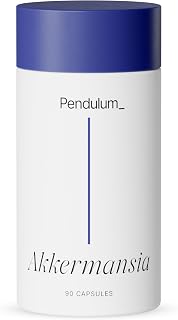
Akkermansia muciniphila is a gram-negative bacterium that colonizes the intestinal mucus layer and typically makes up more than 1% of a healthy adult gut microbiome. Over the past decade, researchers have moved from cataloguing its presence to asking a more pointed question: does its abundance meaningfully influence cardiovascular risk factors such as circulating lipids, arterial inflammation, and blood pressure? The honest answer is that the science is genuinely promising but still early, with most mechanistic evidence coming from cell studies and animal models, and human trials that are small and short.
What makes Akkermansia interesting from a heart-health standpoint is that it sits at the intersection of two systems that strongly influence cardiometabolic risk — the gut epithelial barrier and the host immune and metabolic signaling pathways. When the intestinal barrier is leaky, bacterial endotoxins such as lipopolysaccharide (LPS) can enter circulation and drive the kind of low-grade systemic inflammation that accelerates atherosclerosis. Akkermansia is proposed to reinforce that barrier, and its outer-membrane protein Amuc_1100 appears to engage immune receptors in ways that may dampen inflammatory signaling. This article walks through the proposed mechanisms and what limited human-level evidence currently exists, without overstating what is known.
Key Takeaways
- Akkermansia muciniphila may influence cardiovascular risk factors through proposed mechanisms involving intestinal barrier integrity, reduced LPS-driven inflammation, GLP-1 stimulation, and SCFA cross-feeding — but most mechanistic evidence comes from preclinical research.
- The gut microbiome and cardiovascular therapies are interrelated: atorvastatin, a standard lipid-lowering drug, modulates gut microbiota composition in hypercholesterolemic patients [1], suggesting the two systems are biologically connected.
- Human trial evidence for Akkermansia supplementation shows early promise for metabolic markers, but large cardiovascular outcomes trials do not yet exist; treat current findings as preliminary.
- Polyphenol-rich foods, prebiotic fiber, physical activity, and caloric moderation are dietary and lifestyle approaches that may support Akkermansia abundance without relying on supplementation.
- Immunocompromised individuals and those with active inflammatory bowel disease or on immunosuppressive therapy should consult a physician before taking any live probiotic including live Akkermansia formulations.
The Gut Microbiome and Cardiovascular Risk: A Two-Way Street
The connection between gut bacteria and heart disease is no longer considered fringe biology. Researchers now recognize that the composition of the gut microbiome influences plasma lipids, blood pressure, systemic inflammation, and insulin sensitivity — all recognized cardiovascular risk factors. One compelling illustration of this bidirectionality is the finding that atorvastatin, one of the most widely prescribed cholesterol-lowering medications, significantly alters gut microbiota composition in hypercholesterolemic patients [1]. This raises an important question: do some of the cardiometabolic benefits attributed to statins operate partly through microbial pathways, and could optimizing those microbial communities independently benefit cardiovascular health?
Akkermansia muciniphila is among the bacteria most consistently associated with a healthier cardiometabolic profile in observational research. Its relative abundance tends to be lower in people with obesity, type 2 diabetes, and metabolic syndrome — conditions that dramatically elevate cardiovascular risk. Whether reduced Akkermansia abundance is a cause, a consequence, or simply a marker of broader microbiome dysbiosis is still being untangled, but the mechanistic evidence reviewed below gives plausible biological reasons to study it more closely.
Proposed Mechanisms: How Akkermansia May Influence Lipid Metabolism
Akkermansia’s primary ecological niche is the mucus layer of the gut, where it degrades mucin glycoproteins and, in doing so, stimulates the host to replenish mucin production. This may sound unrelated to cholesterol, but the gut epithelium plays an active role in lipid absorption, bile acid recycling, and the secretion of gut hormones that regulate systemic metabolism. Bile acids, synthesized from cholesterol in the liver, are chemically transformed by gut bacteria during enterohepatic circulation, and the resulting bile acid profile affects how much cholesterol the liver draws from circulation.
Animal and cell-culture studies have proposed that Akkermansia abundance is linked to altered bile acid signaling and to the stimulation of glucagon-like peptide-1 (GLP-1) secretion from intestinal L-cells. GLP-1 receptors are expressed in the heart and vasculature, and GLP-1 receptor agonists — a class of diabetes medications — are now established to reduce major adverse cardiovascular events in clinical trials. Whether Akkermansia-driven GLP-1 stimulation reaches magnitudes relevant to cardiovascular protection in humans remains an open question that has not been established in large controlled trials.
The Amuc_1100 outer-membrane protein is the most-studied effector molecule from Akkermansia. In preclinical research, pasteurized (heat-treated) Akkermansia and isolated Amuc_1100 appear to activate Toll-like receptor 2 (TLR2) signaling in gut epithelial cells, improving tight-junction expression and reducing intestinal permeability. A less leaky gut means less circulating LPS, and lower endotoxemia is associated with reduced inflammatory activation of macrophages — the same cells that drive foam-cell formation in atherosclerotic plaques.
Intestinal Barrier Integrity and Atherosclerosis
Atherosclerosis is fundamentally an inflammatory disease. Low-density lipoprotein (LDL) particles that become oxidized within arterial walls trigger macrophage infiltration, foam-cell accumulation, and the formation of unstable plaques that can rupture and cause myocardial infarction or stroke. Systemic inflammation amplifies this process at every stage, and the gut is a significant source of inflammatory signals when barrier function degrades.
Gut-derived LPS activates TLR4 on circulating monocytes and vascular endothelial cells, upregulating adhesion molecules and pro-inflammatory cytokines including TNF-α, IL-6, and IL-1β. Each of these cytokines is independently associated with increased cardiovascular risk in epidemiological research. The proposed model is that Akkermansia — by degrading mucin in a way that stimulates its renewal, upregulating tight-junction proteins like claudin-3 and occludin, and signaling through Amuc_1100 — helps maintain the epithelial barrier against this LPS leak. This mechanism is biologically plausible and has been demonstrated in rodent models, but direct evidence of the full causal chain in humans is not yet established.
It is worth noting that the relationship between Akkermansia, gut permeability, and atherosclerotic progression has not been tested in a human cardiovascular outcomes trial. The mechanistic picture described here is built from preclinical data and inferences from observational associations. Researchers are actively working to close that gap.
Blood Pressure: Gut Bacteria, Short-Chain Fatty Acids, and Vascular Tone
Blood pressure regulation involves the kidneys, the renin-angiotensin-aldosterone system, vascular smooth muscle tone, and the autonomic nervous system. Recent research has added the gut microbiome to this picture. Gut bacteria ferment dietary fiber into short-chain fatty acids (SCFAs) — principally acetate, propionate, and butyrate — which interact with G-protein-coupled receptors (GPR41, GPR43) expressed in the vascular endothelium and kidney. SCFA-receptor signaling is associated with vasodilation and natriuresis (sodium excretion), both of which lower blood pressure.
Akkermansia is not itself a primary SCFA producer; it is a mucin degrader. However, the products of its mucin fermentation — including acetate — can be cross-fed to butyrate-producing bacteria in the colon, supporting a microbial food web that ultimately raises SCFA output. Additionally, by maintaining barrier integrity and reducing LPS-driven inflammation, Akkermansia may indirectly reduce the endothelial dysfunction and arterial stiffness that contribute to elevated systolic blood pressure. These are proposed mechanisms requiring further confirmation in humans.
What Human Evidence Currently Shows
Human evidence for Akkermansia and cardiovascular outcomes specifically is limited, and it is important to say that plainly. The most cited human supplementation studies have examined metabolic outcomes — body weight, insulin sensitivity, fasting glucose, and some lipid markers — rather than hard cardiovascular endpoints like myocardial infarction or stroke. One notable pilot trial tested pasteurized Akkermansia muciniphila supplementation and reported improvements in insulin sensitivity and some plasma lipid markers in overweight or obese adults with metabolic syndrome, but the trial was small and of short duration, limiting the conclusions that can be drawn.
The study finding that atorvastatin treatment reshapes the gut microbiota of hypercholesterolemic patients [1] is relevant here because it establishes that the gut microbiome and lipid-lowering therapies are not operating in separate biological compartments. If a standard cardiovascular medication changes microbial composition, the reverse pathway — that microbial composition influences cardiovascular risk factors — becomes more mechanistically credible. But ‘plausible’ and ‘proven’ are different standards, and the current evidence does not yet meet the bar of proof for a direct cardiovascular benefit of Akkermansia supplementation in humans.
Researchers are conducting larger and longer trials. Until those results are published and replicated, anyone considering Akkermansia supplementation for cardiovascular health should treat it as supporting a generally healthy gut environment rather than as a targeted cardiovascular therapy.
Dietary and Lifestyle Strategies That Support Akkermansia Abundance
Before reaching for a supplement, it is worth noting that Akkermansia abundance responds to diet. Polyphenol-rich foods — including pomegranate, cranberry, grape skin, and green tea — have been associated with increased Akkermansia relative abundance in human and animal studies, possibly because Akkermansia can metabolize certain polyphenol compounds. Prebiotic fibers, particularly inulin and fructooligosaccharides found in chicory, garlic, and asparagus, support the mucin layer indirectly by feeding bacteria that cross-feed Akkermansia.
Caloric restriction and time-restricted eating have also been linked to higher Akkermansia abundance, consistent with the observation that Akkermansia tends to be lower in obesity. Regular physical activity and avoiding prolonged antibiotic use are two additional factors associated with a healthier gut microbiome overall. These lifestyle approaches carry broad cardiovascular benefit regardless of their effects on any single bacterial species.
🛒 Where to Buy Akkermansia muciniphila
- Pendulum AkkermansiaLab-tested / studied
delayed-release capsules, 100M AFU — The only patented live A. muciniphila strain (WB-STR-0001); single-strain with chicory inulin, third-party tested. - Codeage Akkermansia Muciniphila
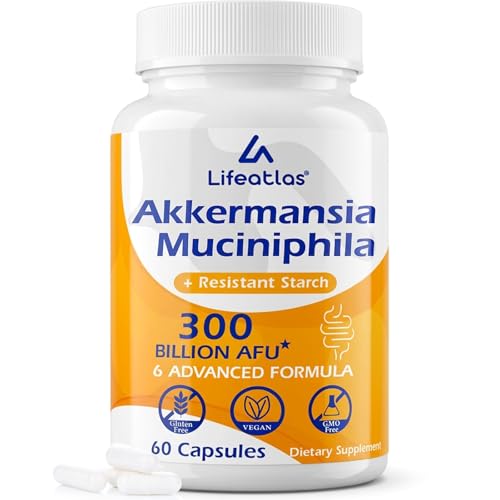
capsules, 100M AFU, 90 ct — Lower-cost Akkermansia plus chicory inulin synbiotic; 3-month supply, gluten-free. - Double Wood Akkermansia Probiotic + Postbiotic
capsules, per label — Budget Akkermansia option marketed around GLP-1 and postbiotic support.
As an Amazon Associate we earn from qualifying purchases. Akkermansia is a live, oxygen-sensitive strain — choose a delayed-release, third-party-tested product with a stated live AFU count.
A Note on the Evidence
The evidence linking Akkermansia muciniphila to cardiovascular outcomes in humans is preliminary; most mechanistic data come from animal and cell models, and human trials to date have been small, short, and focused on metabolic rather than hard cardiovascular endpoints. Live Akkermansia probiotic formulations are not appropriate without physician guidance for immunocompromised individuals, people on immunosuppressive therapy, or those with active inflammatory bowel disease. This article is informational only and does not constitute medical advice.

Frequently Asked Questions
Does Akkermansia muciniphila directly lower LDL cholesterol?
There is no established human trial demonstrating that Akkermansia supplementation directly lowers LDL cholesterol to a clinically meaningful degree. Proposed mechanisms — including altered bile acid recycling and reduced LPS-driven hepatic inflammation — could theoretically influence lipid metabolism, but these pathways have not been confirmed in adequately powered human studies. Research into the broader microbiome-lipid relationship, including findings that lipid-lowering medications like statins alter gut microbial composition [1], suggests the two systems interact, but this does not translate into a proven cholesterol-lowering effect for Akkermansia specifically.
Can Akkermansia help with blood pressure?
Akkermansia may indirectly support vascular health through mechanisms involving reduced intestinal permeability and the downstream effects of gut-derived short-chain fatty acids on vascular tone, but no human trial has demonstrated that Akkermansia supplementation significantly lowers blood pressure. The proposed pathways are biologically plausible and are under active investigation. Anyone with hypertension should continue working with their physician on evidence-based treatment rather than relying on a probiotic supplement.
Is pasteurized Akkermansia safer than live Akkermansia?
Pasteurized (heat-killed) Akkermansia formulations have been used in human pilot trials and may carry a lower theoretical risk for immunocompromised individuals because the bacteria cannot replicate. The Amuc_1100 outer-membrane protein, which appears to be responsible for some of the proposed barrier-supporting and metabolic effects, remains active after pasteurization. However, pasteurization does not eliminate all safety concerns, and both live and pasteurized formulations should be approached with caution by immunocompromised persons, those on immunosuppressive medications, and those with active inflammatory bowel disease.
How does gut permeability relate to atherosclerosis?
When the intestinal epithelial barrier is compromised, bacterial lipopolysaccharide (LPS) can translocate into circulation and activate inflammatory pathways in macrophages and vascular endothelial cells. This low-grade systemic inflammation promotes oxidized LDL uptake into arterial walls, foam-cell formation, and plaque development — the central process of atherosclerosis. Akkermansia is proposed to reduce this pathway by reinforcing tight junctions and stimulating mucin production, but the full causal chain has not been demonstrated in human cardiovascular studies.
What foods naturally support Akkermansia abundance?
Foods rich in polyphenols — pomegranate, cranberry, red wine (in moderation), green tea, and grape products — have been associated with increased Akkermansia levels in the gut. Prebiotic fibers found in chicory root, garlic, asparagus, and leeks support the broader microbial ecosystem that Akkermansia inhabits. A diet high in processed foods, saturated fat, and added sugar is associated with lower Akkermansia abundance. These dietary patterns also have independent cardiovascular benefits beyond their effects on any single bacterium.
Should I take an Akkermansia supplement for heart health instead of my prescribed medication?
No. Akkermansia supplements are not FDA-approved to treat, prevent, or cure any disease, including cardiovascular disease. Current evidence is early-stage and does not support replacing evidence-based cardiovascular therapies — such as statins, antihypertensives, or antiplatelet agents — with a probiotic supplement. Akkermansia research is promising as a possible complementary strategy to support gut and metabolic health, but any changes to prescribed cardiovascular medications should be made only in consultation with a qualified physician.
References
- Khan TJ et al. Atorvastatin Treatment Modulates the Gut Microbiota of the Hypercholesterolemic Patients. Omics : a journal of integrative biology (2018). PMID 29432061
These statements have not been evaluated by the Food and Drug Administration. This information is not intended to diagnose, treat, cure, or prevent any disease. Content is for informational purposes only and is not medical advice; consult a qualified healthcare provider before starting any supplement. As an Amazon Associate we earn from qualifying purchases.