Chronic low-grade inflammation underlies much of modern metabolic disease, and a central driver is metabolic endotoxemia — the slow leak of lipopolysaccharide (LPS), a cell-wall component of gram-negative gut bacteria, across a compromised intestinal barrier and into systemic circulation. Once in the bloodstream, LPS activates Toll-like receptor 4 on macrophages and endothelial cells, sustaining elevated levels of pro-inflammatory cytokines including tumor necrosis factor-alpha (TNF-α) and interleukin-6 (IL-6).
Akkermansia muciniphila, a mucus-layer bacterium that constitutes more than 1% of a healthy adult gut microbiome, has attracted significant research attention as a potential regulator of this inflammatory cascade. Through barrier reinforcement, secreted protein signals, and nanoscale extracellular vesicles, it and its components may interrupt the gut-to-blood LPS leak at its source. What follows is an honest review of the proposed mechanisms and what the current evidence — most of it preclinical — actually demonstrates.
Key Takeaways
- Akkermansia muciniphila may reduce LPS translocation into circulation by reinforcing intestinal tight junctions, potentially lowering the endotoxemia that sustains TNF-α and IL-6 production.
- Its outer-membrane protein Amuc_1100 has demonstrated barrier-protective and anti-inflammatory effects in multiple animal models [1][2].
- Akkermansia-derived extracellular vesicles carry anti-inflammatory protein cargo that may signal beyond the gut epithelium [3], though human evidence for this pathway is limited.
- Live Akkermansia and its secreted components reduced inflammatory markers and improved barrier function in preclinical colitis models [4], but most evidence remains animal-based.
- The anti-inflammatory case for Akkermansia is mechanistically plausible and supported by consistent preclinical data, but large human trials specifically targeting LPS, TNF-α, or IL-6 as primary outcomes are still needed.
The LPS–Inflammation Axis: Why Gut Barrier Integrity Is Central
LPS is an outer membrane component of gram-negative bacteria, including Akkermansia itself. Under normal conditions, the epithelial layer and its overlying mucus gel confine LPS to the gut lumen. When that barrier breaks down — through dysbiosis, poor diet, or chronic stress — LPS enters portal and systemic circulation at subclinical but biologically meaningful concentrations. This process activates innate immune receptors and drives sustained production of TNF-α and IL-6, contributing to the inflammatory milieu associated with insulin resistance, obesity, and cardiovascular risk.
Animal research has helped clarify this mechanism. Studies examining how metformin produces metabolic benefits in high-fat-fed mice found that attenuating endotoxemia — specifically reducing circulating LPS — was central to restoring insulin signaling [5]. This observation reinforces a broader principle: gut-derived LPS is an active inflammatory mediator, not a passive bystander. Interventions that reduce LPS translocation by restoring barrier function may therefore have meaningful downstream effects on systemic cytokine profiles, though this chain of causation has not been fully established in humans.
Amuc_1100: The Outer-Membrane Protein That Targets the Barrier
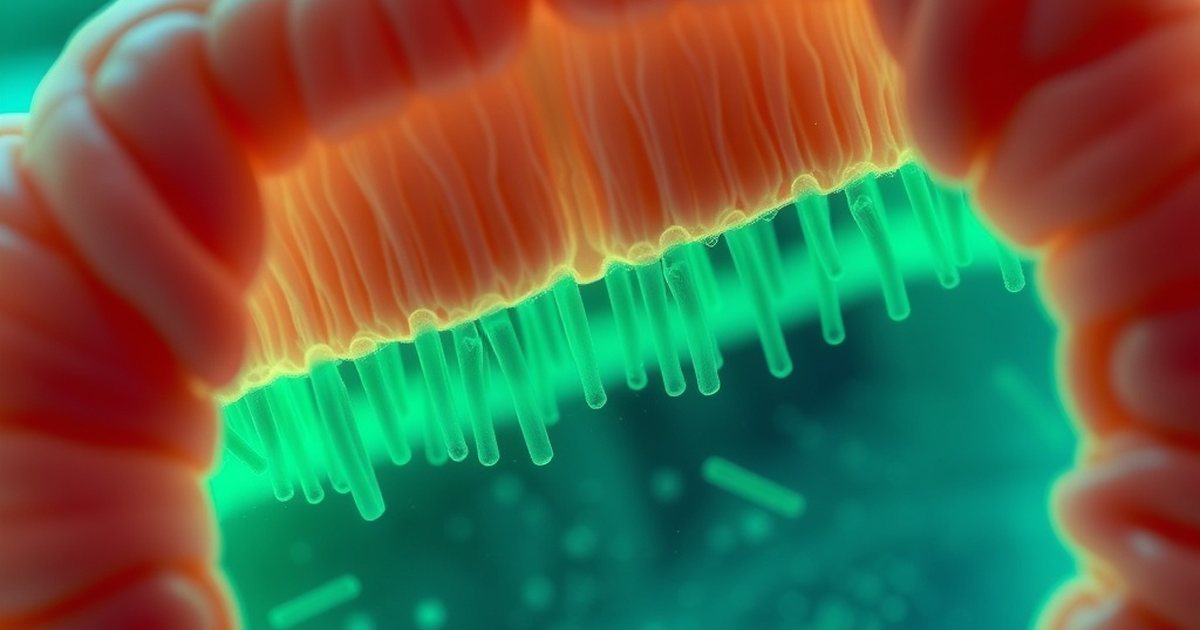
Akkermansia’s best-characterized molecular mechanism involves its outer-membrane protein Amuc_1100. This protein interacts with TLR2 on intestinal epithelial cells and has been shown in preclinical models to upregulate tight-junction proteins — the molecular seals between epithelial cells that physically block paracellular LPS transit. Reinforcing those junctions reduces the structural opportunity for LPS to cross the epithelium.
Research on spatially targeted delivery of Amuc_1100 in a colitis model demonstrated that where in the intestinal environment the protein is active significantly affects its barrier-enhancing and anti-inflammatory outcomes [1]. A separate study found that Amuc_1100 pretreatment in a mouse model of acute pancreatitis reduced inflammatory infiltration and modulated gut microbiota composition, suggesting the protein acts through both direct barrier support and broader microbial remodeling [2]. Both studies used animal models; human data on isolated Amuc_1100 remain limited.
Extracellular Vesicles: Akkermansia's Anti-Inflammatory Long-Range Signal
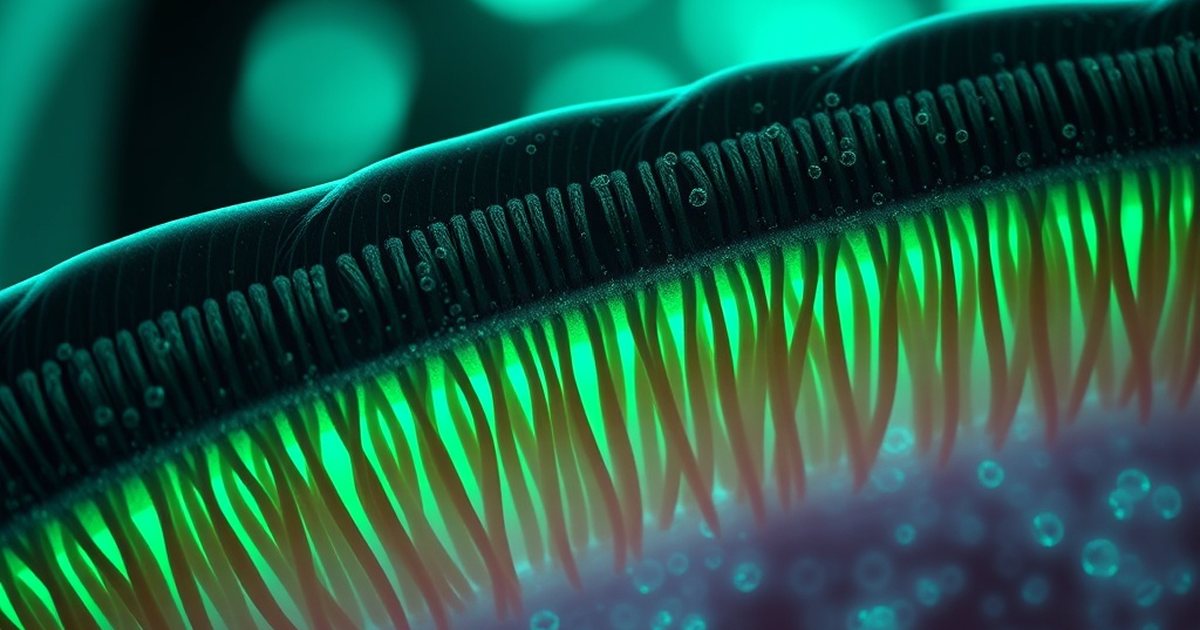
Bacteria communicate with host tissues not only through direct contact but also through extracellular vesicles (EVs) — nanoscale membrane-enclosed particles carrying proteins, lipids, and nucleic acids that can travel beyond the immediate epithelial surface. Research characterizing Akkermansia muciniphila-derived extracellular vesicles found that these particles demonstrated anti-inflammatory activity in laboratory assays, suggesting a mechanism by which Akkermansia’s influence on immune signaling could extend beyond the mucus layer [3].
The anti-inflammatory properties observed in these EVs are attributed in part to protein cargo that appears to modulate innate immune pathways. This work is still in early characterization stages, and the degree to which Akkermansia-derived EVs produce measurable cytokine changes in living humans has not been established. Still, it offers a plausible route by which an abundant Akkermansia population could contribute to lower systemic inflammatory tone over time.
TNF-α and IL-6: Evidence from Colitis and Immune Modulation Models
The most direct preclinical evidence for Akkermansia’s effect on pro-inflammatory cytokines comes from experimental colitis models. In one study, both live Akkermansia muciniphila and its culture supernatant reduced disease severity in interleukin-10 knockout mice — a model of spontaneous colitis — through improvements in gut barrier integrity and shifts in immune cell activity [4]. These high-inflammation experimental contexts are not equivalent to the chronic low-grade inflammation of metabolic syndrome in humans, but they confirm that Akkermansia-derived signals can meaningfully modulate cytokine-driven immune responses.
Contextual evidence from research on other commensal organisms also supports the idea that multiple bacteria converge on overlapping NF-κB and related signaling nodes to regulate cytokine output in the intestinal environment [6]. Akkermansia participates in this broader ecosystem of microbial anti-inflammatory signaling, but isolating its specific contribution from that of the surrounding microbiota remains methodologically challenging in both animal models and human studies.
Diet, Microbiota Composition, and Systemic Inflammatory Tone
Systemic inflammation does not arise from barrier dysfunction alone — it also reflects the overall composition of the microbial community and the metabolic signals it generates. Research on dietary interventions has shown that specific nutrients can reshape gut microbiota profiles in ways that reduce intestinal inflammation, partly by enriching or depleting particular species [7]. Akkermansia is frequently among the organisms positively associated with anti-inflammatory dietary patterns, though it functions as one component of a complex ecosystem rather than as a standalone effector.
Microbiota transplantation research further illustrates that microbial community composition shapes metabolic and inflammatory outcomes. Studies using fecal microbiota transplantation in animal models found that restoring a health-associated microbiota improved impaired glucose tolerance and modulated gut microbial balance [8], reinforcing the idea that a community richer in organisms like Akkermansia is linked to reduced inflammatory signaling and better metabolic regulation. These findings remain in animal models; human FMT research targeting metabolic disease is ongoing.
Interpreting the Evidence: What Is Established and What Remains Open
The mechanistic picture for Akkermansia’s anti-inflammatory potential is biologically coherent. Amuc_1100 reinforces tight junctions and reduces inflammatory infiltration [1][2]; extracellular vesicles carry anti-inflammatory molecular cargo [3]; and live bacteria plus culture supernatant dampen immune activation in colitis models [4]. These are independent lines of preclinical evidence pointing in the same direction.
What is less settled is how well these findings translate to humans with chronic low-grade inflammation rather than experimental colitis, and what magnitude of cytokine reduction is achievable through supplementation alone. Human intervention trials with Akkermansia have begun to emerge and generally show favorable safety profiles with signals toward improved metabolic markers, but most have been small, short in duration, and have not treated LPS, TNF-α, or IL-6 reduction as primary endpoints. The gap between a well-characterized preclinical mechanism and a confirmed clinical anti-inflammatory effect remains real and should inform realistic expectations.
🛒 Where to Buy Akkermansia muciniphila
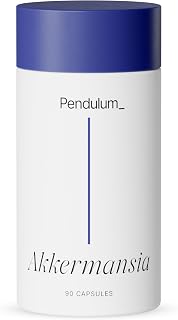
- Pendulum AkkermansiaLab-tested / studied
delayed-release capsules, 100M AFU — The only patented live A. muciniphila strain (WB-STR-0001); single-strain with chicory inulin, third-party tested. - Codeage Akkermansia Muciniphila
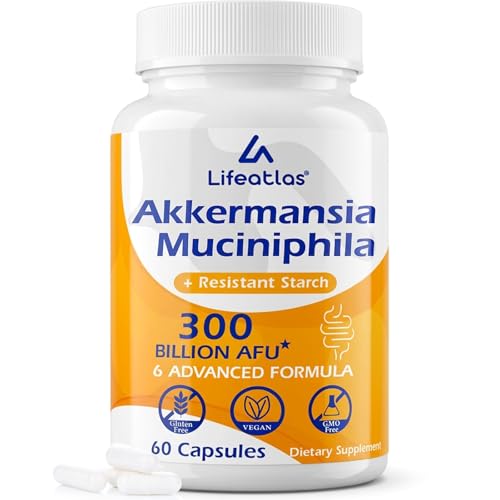
capsules, 100M AFU, 90 ct — Lower-cost Akkermansia plus chicory inulin synbiotic; 3-month supply, gluten-free. - Double Wood Akkermansia Probiotic + Postbiotic
capsules, per label — Budget Akkermansia option marketed around GLP-1 and postbiotic support.
As an Amazon Associate we earn from qualifying purchases. Akkermansia is a live, oxygen-sensitive strain — choose a delayed-release, third-party-tested product with a stated live AFU count.
A Note on the Evidence
The majority of evidence linking Akkermansia muciniphila to reductions in LPS translocation, TNF-α, and IL-6 comes from animal models and cell-based laboratory studies; large, well-controlled human trials using inflammatory cytokines as primary endpoints remain limited. Akkermansia supplements are not FDA-approved to treat or prevent any disease, and individuals who are immunocompromised, on immunosuppressive therapy, or living with active inflammatory bowel disease should consult a qualified healthcare provider before use.
Frequently Asked Questions
How does a compromised gut barrier lead to elevated TNF-α and IL-6?
When tight junctions between intestinal epithelial cells degrade, LPS from gram-negative gut bacteria crosses into the bloodstream and activates TLR4 on macrophages and endothelial cells, triggering TNF-α and IL-6 production. Research in high-fat-fed mice demonstrated that reducing circulating LPS — attenuating endotoxemia — was central to normalizing inflammatory and insulin-signaling profiles [5], illustrating how directly the barrier-LPS-cytokine chain operates.

What exactly does Amuc_1100 do, and why is it relevant to inflammation?
Amuc_1100 is an outer-membrane protein unique to Akkermansia muciniphila. It binds TLR2 on gut epithelial cells, has been shown to upregulate tight-junction proteins, and in preclinical colitis work demonstrated enhanced barrier integrity [1]. In a separate acute pancreatitis model, Amuc_1100 pretreatment reduced inflammatory infiltration and shifted gut microbiota composition [2]. Both studies are animal-based.
Can Akkermansia extracellular vesicles reduce inflammation beyond the gut lining?
Possibly. Characterization of Akkermansia muciniphila-derived extracellular vesicles found anti-inflammatory activity in cell-based assays, suggesting these nanoparticles carry molecular signals capable of modulating immune pathways [3]. Whether this produces meaningful reductions in systemic TNF-α or IL-6 in living humans has not been established in clinical trials.
Has live Akkermansia been tested directly for reducing inflammatory cytokines?
The strongest evidence comes from animal colitis models. Live Akkermansia muciniphila and its culture supernatant significantly reduced disease severity and immune activation in interleukin-10 knockout mice through barrier improvement and immune cell modulation [4]. Human trials have primarily measured metabolic endpoints; dedicated cytokine reduction studies in humans are limited.
Does diet affect Akkermansia levels and gut inflammatory tone?
Yes. Specific dietary nutrients can reshape gut microbiota composition in ways that reduce intestinal inflammation, with Akkermansia among the species positively influenced by anti-inflammatory dietary patterns [7]. Microbiota transplantation research also supports the view that a health-associated microbial community is linked to reduced inflammatory and metabolic dysregulation [8], though these findings are primarily from animal studies.
Who should be cautious about taking Akkermansia supplements?
People who are immunocompromised, on immunosuppressive medications, or managing active inflammatory bowel disease should consult a physician before using live probiotic Akkermansia formulations. Akkermansia supplements are not FDA-approved to treat, cure, or prevent any disease, and the current evidence base — while mechanistically compelling — is predominantly preclinical.
References
- Dong X et al. Subcellular Localization Dictates Therapeutic Function: Spatially Targeted Delivery of Amuc_1100 by Engineered Lacticaseibacillus paracasei L9 Enhances Intestinal Barrier in Colitis. Nutrients (2025). PMID 41515240
- Wang LJ et al. Amuc_1100 pretreatment alleviates acute pancreatitis in a mouse model through regulating gut microbiota and inhibiting inflammatory infiltration. Acta pharmacologica Sinica (2024). PMID 38012292
- Zhao S et al. Characterization and Anti-Inflammatory Effects of Akkermansia muciniphila-Derived Extracellular Vesicles. Microorganisms (2025). PMID 40005829
- Jiang M et al. Akkermansia muciniphila and its culture supernatant ameliorate colitis in interleukin-10 knockout mice via gut barrier and immune modulation. Frontiers in immunology (2025). PMID 41333470
- Zhou ZY et al. Metformin exerts glucose-lowering action in high-fat fed mice via attenuating endotoxemia and enhancing insulin signaling. Acta pharmacologica Sinica (2016). PMID 27180982
- Tang H et al. Weissella confusa alleviates experimental colitis in mice by regulating inflammatory pathways and gut microbiota. Frontiers in microbiology (2025). PMID 40356657
- Chen Y et al. Dietary palmitoleic acid reprograms gut microbiota and improves biological therapy against colitis. Gut microbes (2023). PMID 37203220
- Bhatia Z et al. Fecal microbiota transplantation as a potential therapeutic approach to improve impaired glucose tolerance via gut microbiota modulation in rat model. Journal of diabetes and metabolic disorders (2025). PMID 39735176
These statements have not been evaluated by the Food and Drug Administration. This information is not intended to diagnose, treat, cure, or prevent any disease. Content is for informational purposes only and is not medical advice; consult a qualified healthcare provider before starting any supplement. As an Amazon Associate we earn from qualifying purchases.