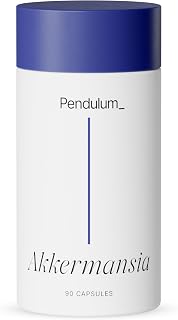
Akkermansia muciniphila is a gram-negative bacterium that colonizes the mucus layer of the human gut, typically comprising more than 1% of a healthy adult microbiome. Over the past decade, researchers have taken increasing interest in its potential role in metabolic health, particularly its proposed connections to insulin resistance and type 2 diabetes.
Observational data consistently find lower relative abundances of Akkermansia in people with prediabetes and newly diagnosed type 2 diabetes compared with metabolically healthy controls [1]. Whether this depletion is a cause, a consequence, or both remains an active area of investigation — but the mechanistic picture that has emerged is biologically compelling enough to support several dietary and supplementation trials.
Key Takeaways
- Akkermansia muciniphila is consistently found at lower abundances in people with prediabetes and type 2 diabetes compared with metabolically healthy individuals [1].
- Proposed mechanisms include reduced gut permeability, decreased endotoxemia, Amuc_1100-mediated anti-inflammatory signaling, and increased GLP-1 secretion — but these are primarily established in animal models.
- Mediterranean-style eating, high-fiber diets consumed earlier in the day, and intermittent fasting are evidence-linked strategies for supporting Akkermansia growth alongside broader microbiota benefits [2][3][4].
- Human probiotic trial data show encouraging shifts in metabolites like butyrate and ursodeoxycholate in people with type 2 diabetes [5], but large direct Akkermansia trials in this population are still lacking.
- Akkermansia supplements are not FDA-approved to treat, cure, or prevent type 2 diabetes; this remains an active research frontier, not established therapy.
How Akkermansia Levels Relate to Insulin Resistance in Humans
A 2022 systematic review of observational studies examined gut microbiota composition in individuals with prediabetes and newly diagnosed type 2 diabetes [1]. Across multiple cohorts, Akkermansia muciniphila abundance was consistently lower in people with impaired fasting glucose or frank type 2 diabetes than in normoglycemic controls. While observational data cannot establish causation, the consistency of this pattern across different populations and sequencing methods lends weight to the hypothesis that Akkermansia depletion is part of a microbiota signature associated with insulin resistance.
Gestational diabetes mellitus (GDM) offers another vantage point. In a 2024 study using a GDM mouse model, xylooligosaccharide supplementation raised Akkermansia muciniphila abundance, improved intestinal barrier function, and ameliorated insulin resistance [6]. Although this was an animal study, the mechanistic pathway it traced — Akkermansia enrichment leading to tighter gut junctions and reduced endotoxin translocation — is consistent with the leading mechanistic hypotheses being explored in human research.
Proposed Mechanisms: How Akkermansia May Influence Insulin Sensitivity
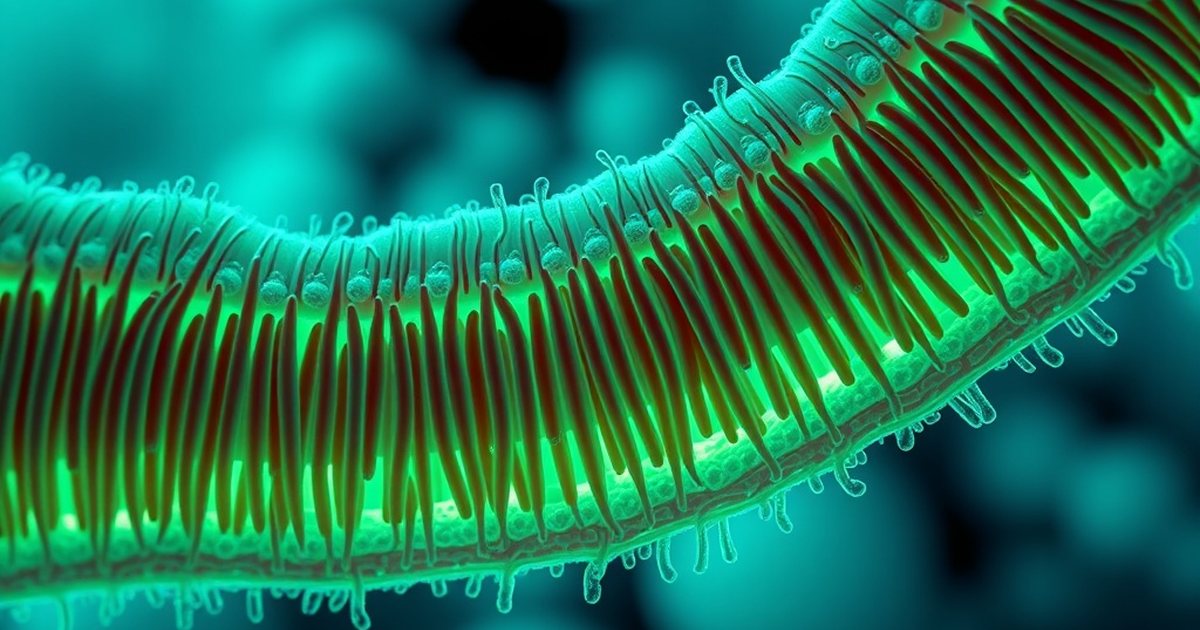
Three overlapping pathways dominate the current mechanistic discussion. First, Akkermansia degrades intestinal mucin as a carbon source — a process that paradoxically stimulates the host to secrete more mucus and thicken the protective barrier. A denser mucus layer reduces translocation of lipopolysaccharide (LPS), the pro-inflammatory outer-membrane fragment of gram-negative bacteria, into systemic circulation. Chronic low-grade endotoxemia is widely proposed to drive the systemic inflammation that impairs insulin receptor signaling in peripheral tissues.
Second, the outer-membrane protein Amuc_1100 produced by Akkermansia has been shown in preclinical work to interact with Toll-like receptor 2, triggering anti-inflammatory signaling and upregulating tight-junction proteins such as claudin-3 and occludin. Better tight-junction integrity means less paracellular permeability and, in turn, less metabolic endotoxemia. Animal studies support this pathway [6], but direct confirmation in large human trials is still pending.
Third, Akkermansia colonization has been linked in animal and early human research to increased intestinal secretion of glucagon-like peptide-1 (GLP-1), the incretin hormone that potentiates glucose-stimulated insulin release, slows gastric emptying, and suppresses glucagon. GLP-1 secretion from L-cells in the distal gut is thought to be partly triggered by short-chain fatty acids produced during microbial fermentation — a process in which Akkermansia participates indirectly by reshaping the broader fermentation ecology.
Dietary Patterns That Support Akkermansia Growth
Several dietary approaches associated with better glycemic outcomes also appear to support Akkermansia abundance. A 2026 systematic review and meta-analysis of intervention trials found that adherence to a Mediterranean diet was associated with favorable shifts in gut microbiota composition and improvements in glycemic markers in people with type 2 diabetes [2]. While the review covered the microbiome broadly, Akkermansia is among the bacteria that respond positively to the high polyphenol and fiber content characteristic of Mediterranean-style eating.
Dietary fiber timing may matter as well. A 2026 study found that consuming high-fiber nutrition earlier in the day improved glycemic control and produced distinctive reshaping of gut microbiota composition in a way that later fiber intake did not [4]. This suggests that prebiotic substrates that feed mucus-layer commensals may have stronger effects when consumed at specific times — a nuance that most supplement protocols currently ignore.
Genistein, the isoflavone found in soy, has also been studied as an indirect modulator of gut ecology. A 2020 trial in obese subjects found that genistein supplementation stimulated insulin sensitivity, an effect the authors attributed partly to gut microbiota reshaping and partly to direct skeletal muscle AMPK activation [7]. The findings illustrate how plant-derived compounds can influence microbial communities in ways that translate to measurable insulin sensitivity endpoints, though this study was not designed to isolate Akkermansia as the active variable.
Intermittent Fasting, Probiotics, and Gut Microbiota Modulation in Type 2 Diabetes
Intermittent fasting is one of the more studied behavioral interventions for improving insulin sensitivity, and emerging work suggests part of its benefit may be microbiota-mediated. A 2025 narrative review examined both intermittent fasting and probiotic supplementation as strategies for gut microbiota modulation in people with type 2 diabetes [3]. The authors noted that fasting protocols — particularly time-restricted eating — tend to increase Akkermansia relative abundance, plausibly because the prolonged absence of dietary substrate causes the epithelium to rely more heavily on mucin recycling, which selectively enriches this bacterium.
The same review assessed evidence for multi-strain probiotic formulations in type 2 diabetes [3]. While several trials reported modest improvements in fasting glucose and insulin resistance measures, the heterogeneity of strains, doses, and study populations makes it difficult to attribute effects to any single organism. The authors concluded that combining intermittent fasting with targeted probiotic supplementation represents a promising but insufficiently studied combination for future trials to evaluate rigorously.
Human Trial Data: Microbial Metabolites and Glycemic Markers
Direct Akkermansia supplementation trials in people with type 2 diabetes remain limited in number and scale. Most human evidence comes from studies that measured Akkermansia as a secondary endpoint after an intervention primarily designed to test something else — a diet, a fiber supplement, or a multi-strain probiotic.
A 2022 trial that administered a probiotic intervention to people with type 2 diabetes found significantly increased circulating levels of butyrate and ursodeoxycholate following supplementation [5]. These metabolites are relevant because butyrate is the primary energy substrate for colonocytes and supports tight-junction integrity, while ursodeoxycholate modulates bile acid signaling pathways linked to GLP-1 secretion. This study measured metabolites rather than direct Akkermansia counts, illustrating how a probiotic intervention can shift the metabolic output of the microbiome in ways consistent with improved barrier function and insulin sensitivity — even when the mechanism is not exclusively Akkermansia-dependent.
Evidence Gaps and the Honest State of the Science
The mechanistic case for Akkermansia as a contributor to insulin sensitivity is coherent and supported by consistent observational data and promising animal work. Human intervention data are more limited. No large randomized controlled trial has yet demonstrated that directly supplementing Akkermansia muciniphila in people with type 2 diabetes produces clinically meaningful reductions in HbA1c, fasting glucose, or validated insulin resistance measures.
The gut microbiome is highly individualized. Interventions that reliably raise Akkermansia in one person may have modest effects in another, depending on baseline microbiome composition, diet, host genetics, and medication use. Metformin — the most commonly prescribed oral diabetes drug — independently raises Akkermansia abundance, an often-overlooked confound in microbiome studies that recruit people with type 2 diabetes.
Researchers are also working to distinguish which outcomes are genuinely Akkermansia-driven versus attributable to the broader microbial ecosystem changes that accompany its enrichment. The studies cited here reflect the current state of evidence, which is promising but still preliminary for direct clinical recommendations.
🛒 Where to Buy Akkermansia muciniphila
- Pendulum AkkermansiaLab-tested / studied
delayed-release capsules, 100M AFU — The only patented live A. muciniphila strain (WB-STR-0001); single-strain with chicory inulin, third-party tested. - Codeage Akkermansia Muciniphila
capsules, 100M AFU, 90 ct — Lower-cost Akkermansia plus chicory inulin synbiotic; 3-month supply, gluten-free. - Double Wood Akkermansia Probiotic + Postbiotic
capsules, per label — Budget Akkermansia option marketed around GLP-1 and postbiotic support.
As an Amazon Associate we earn from qualifying purchases. Akkermansia is a live, oxygen-sensitive strain — choose a delayed-release, third-party-tested product with a stated live AFU count.
A Note on the Evidence
The evidence linking Akkermansia muciniphila to insulin resistance is promising but predominantly observational or derived from animal models; no large randomized trial has yet demonstrated clinically meaningful glycemic improvement from direct Akkermansia supplementation in people with type 2 diabetes. Akkermansia supplements are not FDA-approved to treat, cure, or prevent any disease, and individuals who are immunocompromised, taking immunosuppressive medications, or managing active inflammatory bowel disease should consult a physician before use. This article is informational only and does not constitute medical advice.

Frequently Asked Questions
Is Akkermansia muciniphila lower in people with type 2 diabetes?
Observational studies consistently find reduced Akkermansia abundance in individuals with prediabetes and newly diagnosed type 2 diabetes compared with normoglycemic controls [1]. This association does not prove causation, and it is unclear whether depletion precedes or follows metabolic deterioration — or both.
How might Akkermansia improve insulin sensitivity mechanically?
The leading proposed mechanisms involve strengthening the intestinal barrier to reduce LPS-driven systemic inflammation, signaling through the outer-membrane protein Amuc_1100 to upregulate tight-junction proteins, and stimulating GLP-1 secretion from intestinal L-cells. Animal data support these pathways [6], but robust mechanistic confirmation in large human trials is still pending.
Can diet alone raise Akkermansia levels?
Yes, several dietary strategies appear to support Akkermansia growth. Mediterranean-style eating [2], high dietary fiber consumed earlier in the day [4], and intermittent fasting [3] have all been associated with favorable microbiota shifts that include Akkermansia enrichment in at least some studies.
Do probiotic supplements affect gut barrier markers in type 2 diabetes?
A 2022 human trial found that a probiotic intervention in people with type 2 diabetes increased circulating butyrate and ursodeoxycholate — metabolites associated with colonocyte health and bile acid signaling linked to GLP-1 secretion [5]. These findings suggest microbiota-mediated improvements in metabolic signaling, though the contribution of Akkermansia specifically versus the full probiotic blend was not isolated.
Does intermittent fasting raise Akkermansia?
A 2025 narrative review found evidence that intermittent fasting protocols, particularly time-restricted eating, can increase Akkermansia relative abundance, plausibly because extended fasting periods alter the mucus-layer environment in ways that favor this bacterium [3]. The clinical significance of this shift for insulin resistance in humans requires larger controlled trials to quantify.
Who should be cautious about taking Akkermansia supplements?
Live probiotic formulations carry potential risk for immunocompromised individuals, those on immunosuppressive therapy, or persons with active inflammatory bowel disease. Pasteurized formulations are designed to reduce but not eliminate these concerns. Anyone in these categories should consult a physician before use, and no Akkermansia product is FDA-approved to treat or prevent any disease.
References
- Letchumanan G et al. Gut Microbiota Composition in Prediabetes and Newly Diagnosed Type 2 Diabetes: A Systematic Review of Observational Studies. Frontiers in cellular and infection microbiology (2022). PMID 36046745
- Lauria F et al. Mediterranean diet, gut microbiota, and type 2 diabetes: A systematic review and meta-analysis of intervention trials. Nutrition, metabolism, and cardiovascular diseases : NMCD (2026). PMID 41381307
- Zhang Z et al. Intermittent Fasting and Probiotics for Gut Microbiota Modulation in Type 2 Diabetes Mellitus: A Narrative Review. Nutrients (2025). PMID 41515236
- Wang L et al. Timing matters in type 2 diabetes: Early high-Fiber nutrition enhances glycemic control and reshapes gut microbiota. Food research international (Ottawa, Ont.) (2026). PMID 42116498
- McMurdie PJ et al. Increased circulating butyrate and ursodeoxycholate during probiotic intervention in humans with type 2 diabetes. BMC microbiology (2022). PMID 34996347
- Yang J et al. Xylooligosaccharides ameliorate insulin resistance by increasing Akkermansia muciniphila and improving intestinal barrier dysfunction in gestational diabetes mellitus mice. Food & function (2024). PMID 38426554
- Guevara-Cruz M et al. Genistein stimulates insulin sensitivity through gut microbiota reshaping and skeletal muscle AMPK activation in obese subjects. BMJ open diabetes research & care (2020). PMID 32152146
These statements have not been evaluated by the Food and Drug Administration. This information is not intended to diagnose, treat, cure, or prevent any disease. Content is for informational purposes only and is not medical advice; consult a qualified healthcare provider before starting any supplement. As an Amazon Associate we earn from qualifying purchases.