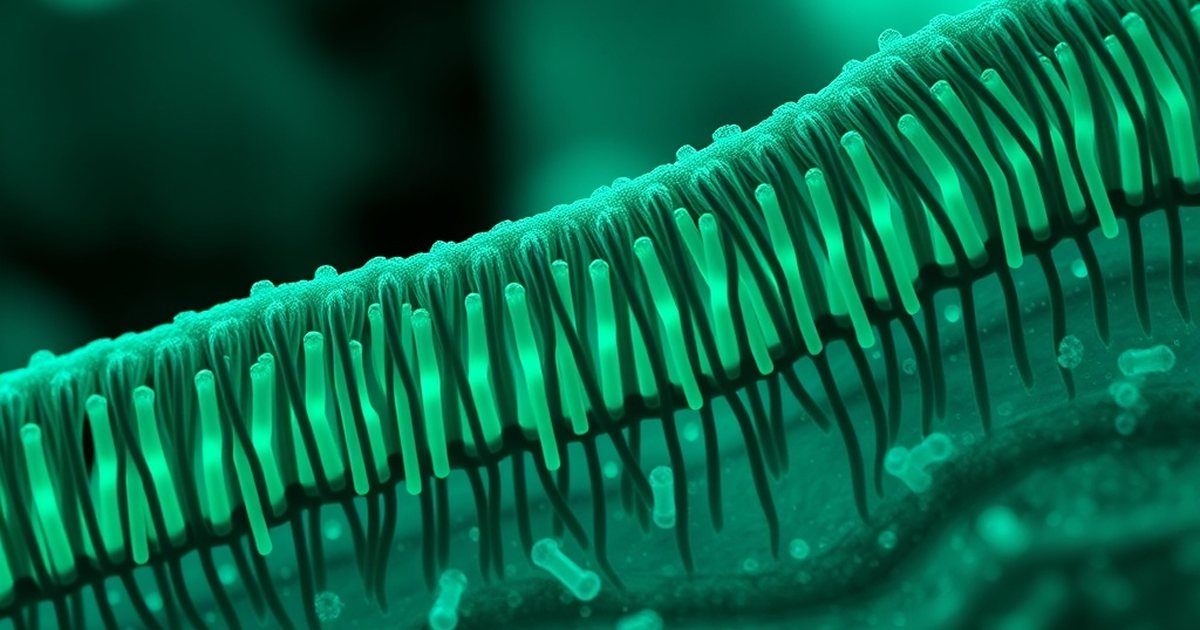
The lining of your small intestine is a single layer of epithelial cells held together by proteins called tight junctions. When those junctions loosen—a condition researchers call increased intestinal permeability, or colloquially ‘leaky gut’—bacterial fragments, undigested proteins, and other luminal contents can cross into circulation and trigger systemic inflammation. This is not a fringe concept; it appears in peer-reviewed gastroenterology literature as a measurable physiological state associated with a range of metabolic and inflammatory conditions.
Akkermansia muciniphila, a gram-negative bacterium that lives in the mucus layer lining your gut, has attracted substantial scientific interest as one organism that may help keep those tight junctions intact. It typically makes up more than 1 percent of a healthy adult’s gut microbiome, but its abundance tends to decline with age, obesity, type 2 diabetes, and antibiotic use. Understanding what this bacterium does—and what the evidence actually supports—requires looking carefully at proposed mechanisms, human trial data, and the genuine gaps that remain.
Key Takeaways
- Akkermansia muciniphila is a mucus-layer bacterium proposed to support intestinal barrier integrity through mucin turnover, tight-junction protein upregulation via Amuc_1100 signaling, and short-chain fatty acid production.
- Reduced Akkermansia abundance has been observed in individuals with obesity, type 2 diabetes, and gut dysbiosis-associated conditions; dysbiotic microbiomes have been studied as pathways to serious systemic disease [1].
- Small human trials with pasteurized Akkermansia show promising improvements in metabolic markers and favorable trends in gut barrier function, but larger, well-powered trials with permeability as a primary endpoint are still needed.
- Polyphenol-rich foods, prebiotic fiber, caloric balance, aerobic exercise, and limiting antibiotic overuse are practical lifestyle levers for supporting Akkermansia abundance.
- Akkermansia supplements are not FDA-approved treatments; immunocompromised individuals and those with active inflammatory bowel disease should consult a physician before use.
What 'Leaky Gut' Actually Means
Intestinal permeability refers to how selectively the gut epithelium controls what passes from the lumen into underlying tissue and the bloodstream. Under normal conditions, tight-junction proteins—including occludin, claudins, and zonula occludens proteins—form a regulated seal that permits water and nutrients to cross while excluding most bacteria and large molecules.
When this seal is compromised, lipopolysaccharide (LPS), a component of the outer membrane of gram-negative bacteria, can enter systemic circulation. Elevated circulating LPS has been associated with low-grade endotoxemia, a state of chronic, sub-clinical inflammation linked to insulin resistance, non-alcoholic fatty liver disease, and cardiovascular risk markers. Gut dysbiosis—an imbalance in the composition or function of the gut microbial community—is one recognized contributor to increased permeability, and dysbiotic states have been implicated in the progression of serious disease [1].
It is important to note that ‘leaky gut’ is not a single diagnosis with a single cause. Factors including diet, alcohol, chronic stress, non-steroidal anti-inflammatory drugs, and infections can all increase intestinal permeability by distinct mechanisms.
How Akkermansia muciniphila Interacts with the Gut Barrier
Akkermansia’s primary ecological role is degrading the mucin glycoproteins that form the mucus layer coating the gut epithelium. This might sound counterproductive—consuming mucin sounds like it would thin the barrier—but the relationship is more nuanced. Akkermansia’s activity appears to stimulate goblet cells to produce new mucin, effectively turning over and renewing the mucus layer rather than depleting it. In animal models, higher Akkermansia abundance consistently correlates with a thicker, better-maintained mucus layer.
Beyond mucin metabolism, researchers have identified a specific outer-membrane protein from Akkermansia called Amuc_1100. In preclinical studies, Amuc_1100 interacts with Toll-like receptor 2 on intestinal epithelial cells and appears to promote the expression of tight-junction proteins, including claudin-3. This mechanism is notable because it suggests that even pasteurized or non-viable Akkermansia preparations may retain some barrier-supportive signaling capacity—a finding that has practical implications for supplement formulation and safety.

Akkermansia also produces short-chain fatty acids and propionate during mucin fermentation. Propionate serves as an energy source for colonocytes (the epithelial cells lining the colon) and has been associated with reduced inflammatory signaling in intestinal tissue.
Evidence from Human Trials: What Has Been Studied
The human evidence base for Akkermansia and intestinal permeability specifically is still developing. The most-cited human intervention study to date enrolled overweight and obese adults with metabolic syndrome and administered either live or pasteurized Akkermansia muciniphila daily for three months. Participants receiving the pasteurized form showed improvements in insulin sensitivity, fasting blood glucose, plasma total cholesterol, and body composition compared to placebo. Markers of gut barrier function, including circulating LPS levels, also showed favorable trends in the treatment group.
This is promising, but the study was relatively small, and the permeability findings were secondary endpoints rather than the primary outcome. Larger, longer trials with intestinal permeability as a pre-specified endpoint are needed before firm conclusions can be drawn. At present, no human study has established that Akkermansia supplementation definitively closes a clinically leaky gut in people with diagnosed increased permeability.
Human trials have also explored Akkermansia abundance in the context of inflammatory and metabolic conditions. Reduced Akkermansia abundance has been documented in individuals with obesity, type 2 diabetes, inflammatory bowel disease, and colorectal cancer, and gut microbial dysbiosis more broadly has been studied as a pathway linking barrier dysfunction to systemic and even hepatic disease [1]. Whether low Akkermansia is a cause or a consequence of these conditions—or both—remains an active research question.
Diet, Lifestyle, and Akkermansia Abundance
Akkermansia abundance appears to be responsive to diet. Foods and nutrients associated with higher Akkermansia levels in observational and intervention studies include polyphenol-rich foods such as cranberries, pomegranates, and green tea; prebiotic fibers including inulin and fructooligosaccharides; and caloric restriction or intermittent fasting protocols. The proposed mechanism is that polyphenols and certain fermentable fibers preferentially support the mucus-layer environment in which Akkermansia thrives.
Conversely, high-fat, high-sugar Western diets have been consistently associated with reduced Akkermansia abundance in animal models, alongside increased intestinal permeability and elevated circulating endotoxins. Chronic stress, sleep disruption, and prolonged antibiotic use are additional factors that can suppress Akkermansia populations. This means that dietary and lifestyle interventions remain a practical, accessible lever for supporting this organism even independent of direct supplementation.
Regular aerobic exercise has also been associated with higher Akkermansia abundance in several studies of healthy adults, though the magnitude of effect varies and the mechanisms are not fully characterized. This convergence of diet, exercise, and microbial composition underscores how interconnected gut health is with general lifestyle factors.
Supplement Formulations: Live vs. Pasteurized Akkermansia
A practical consideration when evaluating Akkermansia products is the distinction between live and pasteurized formulations. Live probiotic bacteria face the challenge of surviving gastric acid, bile, and the transit through the small intestine to reach the colon. Pasteurization kills the bacteria but may preserve the Amuc_1100 outer-membrane protein and potentially other bioactive components, which is why pasteurized preparations showed efficacy in the metabolic syndrome trial mentioned above.
As of this writing, Akkermansia muciniphila supplements are not approved by the U.S. Food and Drug Administration to treat, cure, or prevent any disease. The regulatory status of these products varies by country. Most commercially available preparations are classified as dietary supplements or novel foods, with corresponding limits on the health claims that manufacturers can legally make.
Refrigerated storage is typically required for live preparations to maintain viable counts. Pasteurized formulations are generally more shelf-stable. Neither form should be considered a substitute for evidence-based medical treatment of diagnosed gastrointestinal conditions.
Limitations of Current Evidence and What Research Still Needs to Establish
It is worth being direct about what the evidence does not yet show. The bulk of mechanistic data on Akkermansia and tight-junction function comes from cell culture and rodent studies. Translation from mouse models to human outcomes is notoriously inconsistent in gut microbiome research. Human trials are few, mostly short-term, small in sample size, and not always consistent across populations.
The causal direction of the association between low Akkermansia and increased permeability has not been conclusively established in humans. It is possible that gut barrier disruption reduces the mucosal habitat Akkermansia requires, leading to a secondary decline in abundance—meaning low Akkermansia could be a marker of poor barrier health rather than a primary driver of it.
Long-term safety data on Akkermansia supplementation are also limited. For most healthy adults, the available evidence suggests good tolerability, but individuals with inflammatory bowel disease, compromised immune systems, or those taking immunosuppressive medications face theoretical risks with any live bacterial supplement, and the specific safety profile of Akkermansia in these populations is not fully characterized. Consulting a gastroenterologist or physician before starting supplementation is warranted for these groups.
🛒 Where to Buy Akkermansia muciniphila
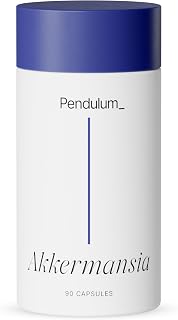
- Pendulum AkkermansiaLab-tested / studied
delayed-release capsules, 100M AFU — The only patented live A. muciniphila strain (WB-STR-0001); single-strain with chicory inulin, third-party tested. - Codeage Akkermansia Muciniphila
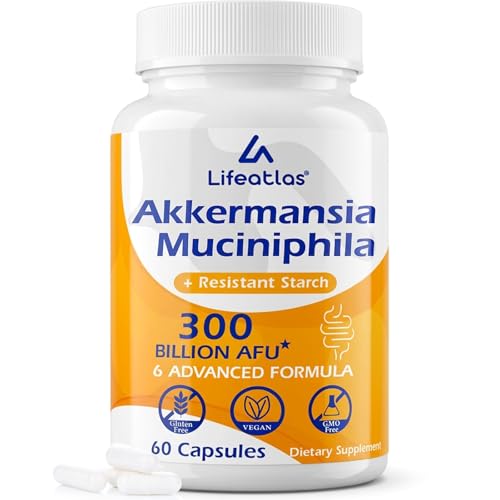
capsules, 100M AFU, 90 ct — Lower-cost Akkermansia plus chicory inulin synbiotic; 3-month supply, gluten-free. - Double Wood Akkermansia Probiotic + Postbiotic
capsules, per label — Budget Akkermansia option marketed around GLP-1 and postbiotic support.
As an Amazon Associate we earn from qualifying purchases. Akkermansia is a live, oxygen-sensitive strain — choose a delayed-release, third-party-tested product with a stated live AFU count.

A Note on the Evidence
Research on Akkermansia muciniphila and intestinal permeability is active but still early: most mechanistic evidence comes from preclinical models, and the few human trials to date are small and short-term. Akkermansia supplements are not approved by the FDA to treat, cure, or prevent any disease; individuals who are immunocompromised, taking immunosuppressive medications, pregnant, or living with active inflammatory bowel disease should consult a qualified healthcare provider before use. This article is informational and does not constitute medical advice.

Frequently Asked Questions
What is intestinal permeability and why does it matter?
Intestinal permeability describes how well the gut epithelial lining controls what passes from the intestinal lumen into the body. When tight-junction proteins weaken, bacterial components such as lipopolysaccharide can enter circulation, triggering low-grade systemic inflammation. Dysbiosis-driven barrier dysfunction has been studied in connection with metabolic, inflammatory, and hepatic disease pathways [1].
How does Akkermansia muciniphila support tight junctions?
Akkermansia’s outer-membrane protein Amuc_1100 appears to interact with Toll-like receptor 2 on intestinal epithelial cells, stimulating expression of tight-junction proteins including claudin-3. Separately, its mucin-degrading activity is thought to stimulate goblet-cell mucin renewal, maintaining the protective mucus layer. These mechanisms are primarily characterized in preclinical research and cell studies.
Is pasteurized Akkermansia effective, or does it need to be live?
A human metabolic syndrome trial found that pasteurized Akkermansia produced metabolic improvements comparable to or better than the live form, suggesting that heat-stable components such as Amuc_1100 may retain bioactivity. Pasteurized formulations are also more shelf-stable and may reduce theoretical risks associated with live organisms in vulnerable individuals, though the evidence base is still early.
What foods or habits increase Akkermansia in the gut?
Polyphenol-rich foods such as pomegranates, cranberries, and green tea; prebiotic fibers including inulin and fructooligosaccharides; caloric restriction; and regular aerobic exercise have each been associated with higher Akkermansia abundance in human observational and intervention research. A high-fat, high-sugar diet is consistently associated with lower abundance in animal models.
Who should not take Akkermansia supplements without medical supervision?
Individuals who are immunocompromised, undergoing immunosuppressive therapy (such as after organ transplant or for autoimmune conditions), or living with active inflammatory bowel disease face theoretical risks from live bacterial supplements. The specific safety profile of Akkermansia in these populations is not fully established, and a physician or gastroenterologist should be consulted before use.
Can Akkermansia supplements fix a leaky gut?
No supplement has been proven to ‘fix’ increased intestinal permeability as a standalone intervention. Akkermansia research is promising and mechanistically plausible, but human trial evidence specifically targeting gut barrier outcomes is limited and not yet definitive. Akkermansia supplements are not FDA-approved to treat any condition, and increased intestinal permeability with clinical consequences warrants evaluation by a healthcare provider.
References
- Ismaiel A et al. From dysbiosis to malignancy: decoding gut-driven pathways to clinical management in hepatocellular carcinoma. Frontiers in cellular and infection microbiology (2026). PMID 42345020
These statements have not been evaluated by the Food and Drug Administration. This information is not intended to diagnose, treat, cure, or prevent any disease. Content is for informational purposes only and is not medical advice; consult a qualified healthcare provider before starting any supplement. As an Amazon Associate we earn from qualifying purchases.