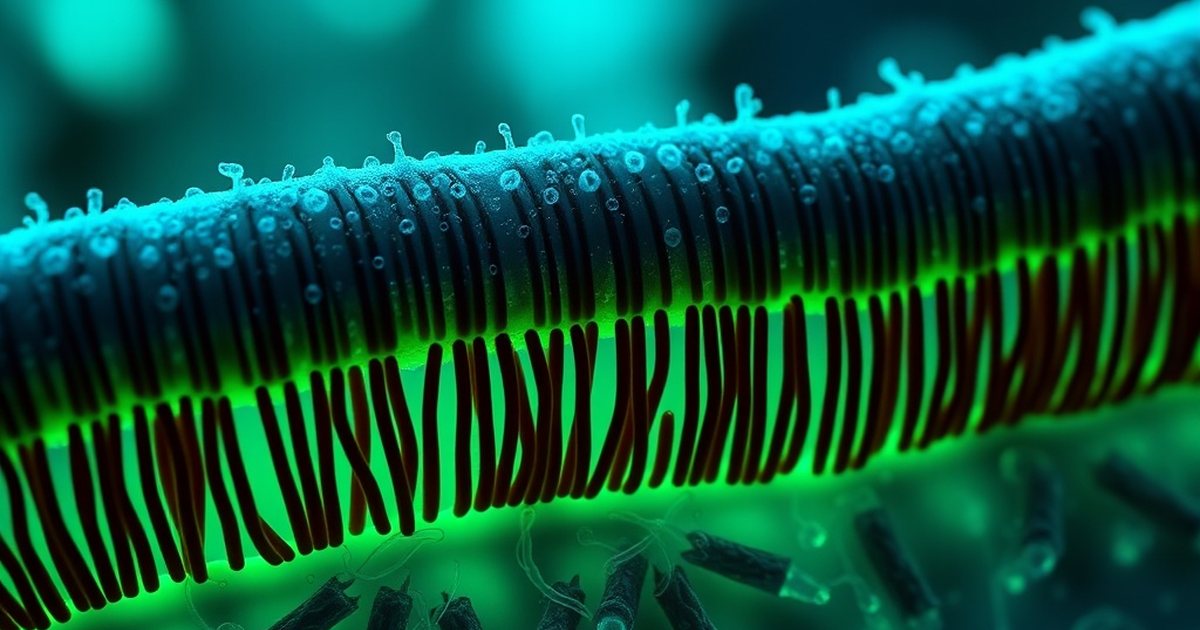
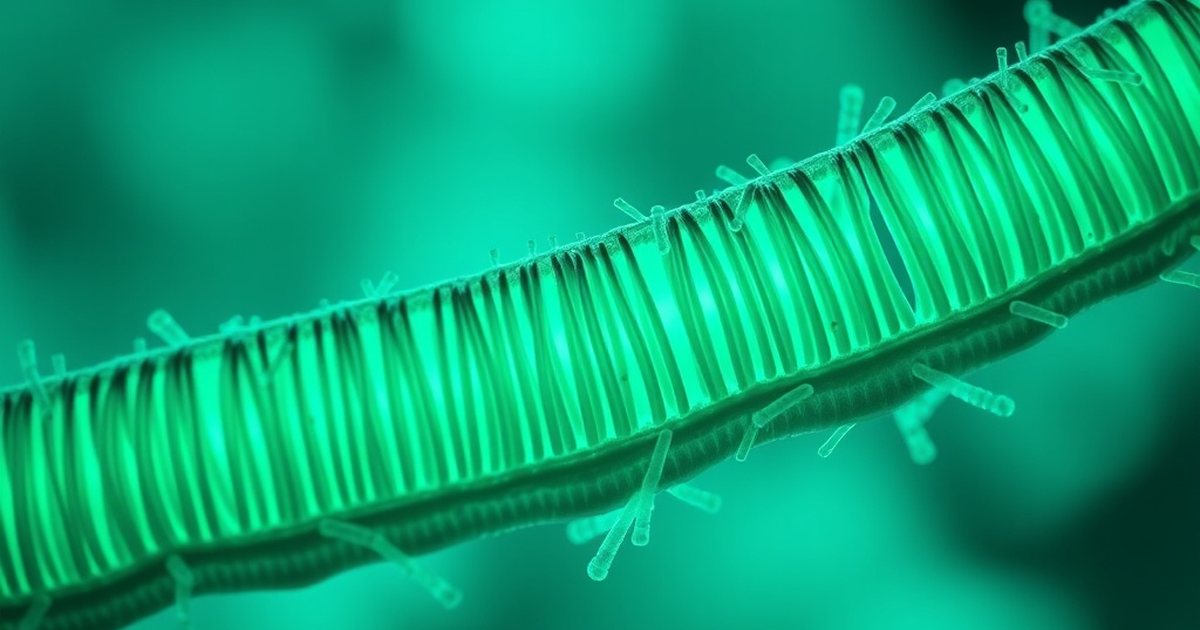
Akkermansia muciniphila is a gram-negative bacterium that lives in the mucus layer lining the human colon, typically accounting for more than 1% of a healthy adult gut microbiome. Unlike many better-known probiotics, Akkermansia does not simply pass through — it actively degrades and renews the mucus layer, reinforces tight junctions between intestinal cells, and signals through its outer-membrane protein Amuc_1100 to influence immune tone and metabolic hormones including GLP-1. These roles have drawn serious scientific attention over the past decade, particularly in the context of insulin sensitivity, intestinal barrier integrity, and systemic inflammation.
What makes this bacterium especially relevant to longevity research is a consistent observation: its relative abundance tends to fall as people get older, coinciding with the same period when metabolic resilience, immune regulation, and gut barrier function typically weaken. Whether that decline is a driver of aging-related changes or a downstream consequence remains an active research question. What studies of exceptional survivors — centenarians in particular — are beginning to show is that individuals who reach extreme old age in good health may hold on to Akkermansia at levels that their peers do not. This article reviews what the current evidence says, what mechanisms have been proposed, and where the science still has significant gaps.
Key Takeaways
- Akkermansia muciniphila is a mucus-layer bacterium comprising more than 1% of a healthy adult gut microbiome, with proposed roles in intestinal barrier integrity, GLP-1 secretion, and inflammation regulation.
- Multiple studies of centenarians and long-lived populations have found consistently higher relative Akkermansia abundance compared to younger elderly controls, though these are observational findings and do not establish causation [1] [2].
- Age-related decline in Akkermansia may be accelerated by micronutrient deficiencies such as selenium insufficiency, which was shown in animal research to worsen both microbial decline and glucose metabolism [3].
- Preclinical evidence links Akkermansia enrichment to reduced brain IL-6 and improved cognitive function in aged animals, suggesting a gut-brain axis mechanism, but human clinical data are limited [4].
- Diet — particularly fiber variety, polyphenol intake, and adequate micronutrient status — appears to be among the most evidence-supported levers for maintaining Akkermansia levels as people age.
What Akkermansia muciniphila Does in the Gut
Akkermansia muciniphila colonizes the outer mucus layer of the colon, where it uses mucin glycoproteins as a carbon and nitrogen source. Counterintuitively, this degradation appears to stimulate the host to produce more mucus rather than simply depleting it, helping maintain the thickness and integrity of the mucus barrier. A thicker, denser mucus layer reduces translocation of bacterial products — including lipopolysaccharide — into circulation, which is one proposed route by which low Akkermansia abundance may contribute to the low-grade systemic inflammation that characterizes aging, often called inflammaging.
The bacterium’s outer-membrane protein Amuc_1100 has attracted particular interest because it can interact with toll-like receptor 2 on intestinal epithelial cells independently of live bacteria. In animal and early human studies, this interaction has been linked to upregulation of tight-junction proteins, stimulation of GLP-1 secretion from enteroendocrine cells, and improvements in fasting glucose and insulin sensitivity. These are proposed mechanisms, not established clinical treatments, and the size and duration of human trials remain limited.
How and Why Akkermansia Declines with Age
The gut microbiome shifts substantially across a lifespan. In older adults, overall diversity tends to decrease, facultative anaerobes become more prevalent, and several obligate anaerobes associated with health — including Akkermansia — tend to contract. The reasons are multifactorial: reduced mucus production, altered intestinal motility, changes in dietary fiber intake, increased use of medications such as antibiotics and proton-pump inhibitors, and shifts in immune surveillance of the mucosal surface all likely play a role.
A 2025 study examining telomere-humanized aged mice found that dietary selenium deficiency significantly accelerated these aging-related gut microbial changes, with Akkermansia muciniphila identified as the most prominently affected taxon — and one whose depletion appeared linked to impaired glucose metabolism resembling type 2 diabetes [3]. While mouse models do not translate directly to human aging trajectories, the finding adds to a growing body of evidence that micronutrient status can modulate how quickly age-related microbial decline occurs, and that Akkermansia may sit at a metabolic crossroads in this process.
Centenarians and Longevous Populations: What the Research Shows
Some of the most intriguing evidence connecting Akkermansia to longevity comes from studies of people who have lived to 100 or beyond in good health. A 2024 meta-analysis examining gut microbiome signatures across multiple longevous populations found consistent enrichment of certain bacterial taxa in centenarians compared to younger elderly controls, with Akkermansia among the organisms showing notable relative abundance in the longest-lived individuals [1]. The authors noted that while these signatures cannot establish causation — healthy centenarians may maintain Akkermansia because of overall robust physiology rather than because Akkermansia drives longevity — the consistency across geographically distinct populations is scientifically meaningful.
A separate study focused on healthy Sardinian centenarians, a population long studied for exceptional longevity, found that gut microbiota markers including Akkermansia muciniphila were associated with both extreme age and dietary patterns rich in plant-based foods and legumes [2]. The authors highlighted that dietary habits and microbial composition were intertwined, making it difficult to isolate whether microbiome composition, diet, genetics, or some combination of all three underlies the observed longevity. This kind of honest qualification is important: centenarian microbiome studies are observational by nature and should be interpreted cautiously.
Taken together, these findings do not prove that boosting Akkermansia extends human lifespan. What they suggest is that this bacterium is a consistent feature of microbiomes associated with reaching very old age in good metabolic and immune health — which makes understanding what supports or depletes it a reasonable scientific and public-health question.
Akkermansia, Neuroinflammation, and Cognitive Health in Aging
Inflammaging — the chronic, low-grade systemic inflammation that accumulates with age — is increasingly recognized as a contributor to cognitive decline as well as metabolic disease. Interleukin-6 (IL-6) is one of the key proinflammatory cytokines elevated in aging brains, and it has been associated with reduced neuroplasticity and accelerated cognitive decline in older adults.
A 2023 study in aged mice found that Akkermansia muciniphila, enriched in the gut microbiota by the diabetes medication metformin, was associated with improved cognitive function and reduced brain IL-6 levels [4]. The researchers proposed that Akkermansia may help dampen neuroinflammation through gut-brain axis signaling, though the precise mechanisms and whether these results translate to humans remain to be established. This is early-stage mechanistic work, not clinical evidence that Akkermansia supplements improve human cognition.
A 2025 study examining rice bran peptides in an aging context found that modulating TNF-α — another key proinflammatory cytokine — through dietary interventions was associated with greater gut microbiota stability, including preservation of beneficial taxa, with implications for both gut barrier health and cognitive outcomes [5]. The intersection of inflammation control, microbiome stability, and cognitive resilience in aging is an active area of research, and Akkermansia appears to be one microbial player in that story.
Nutritional Factors That May Influence Akkermansia Levels
Diet is one of the most tractable ways to influence gut microbiome composition, and several dietary factors have been investigated in relation to Akkermansia abundance. High-fiber diets, polyphenol-rich foods (particularly pomegranate, cranberry, and red wine polyphenols), and caloric restriction have all been associated with higher Akkermansia in preclinical and small human studies, though effect sizes and consistency vary.
Micronutrient adequacy also appears relevant. The 2025 selenium-deficiency study in aged mice demonstrated that even a single micronutrient insufficiency — selenium — could significantly accelerate the decline of Akkermansia and worsen metabolic outcomes [3]. Selenium is an essential trace element with roles in antioxidant defense and thyroid function, and it is frequently suboptimal in older adults whose dietary intake narrows with age. The dietary interventions studied in the Sardinian centenarian research, characterized by variety, plant food density, and adequate micronutrient intake, align with this theme: diversity of nutrient inputs may support a more resilient microbiome [2].
It is worth noting that no human clinical trial has specifically tested whether selenium supplementation, shilajit, or any other single supplement reliably raises Akkermansia abundance to clinically meaningful levels. The nutritional data is largely mechanistic or observational. Individuals interested in supporting gut health should focus on overall dietary quality before pursuing any single supplement.
Practical Takeaways and Honest Limitations
The evidence reviewed here supports the view that Akkermansia muciniphila is a biologically plausible contributor to healthy aging — not a magic bullet, but a meaningful piece of the gut-health picture. Its associations with centenarian microbiomes, its proposed roles in inflammation, metabolic signaling, and intestinal barrier integrity, and its documented sensitivity to dietary and micronutrient factors all make it worth understanding.
At the same time, the field is early. Most human studies are cross-sectional or small, most mechanistic data come from animal models, and no Akkermansia-based intervention has been approved by the FDA to treat, cure, or prevent any disease. Pasteurized (heat-treated) formulations of Akkermansia muciniphila are available commercially in some markets and have shown acceptable safety profiles in initial human trials, but live probiotic preparations carry specific risks for immunocompromised individuals, those on immunosuppressive therapy, or people with active inflammatory bowel disease. Anyone in those categories should consult a physician before use.
🛒 Where to Buy Akkermansia muciniphila
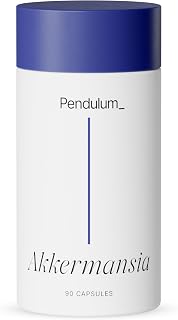
- Pendulum AkkermansiaLab-tested / studied
delayed-release capsules, 100M AFU — The only patented live A. muciniphila strain (WB-STR-0001); single-strain with chicory inulin, third-party tested. - Codeage Akkermansia Muciniphila
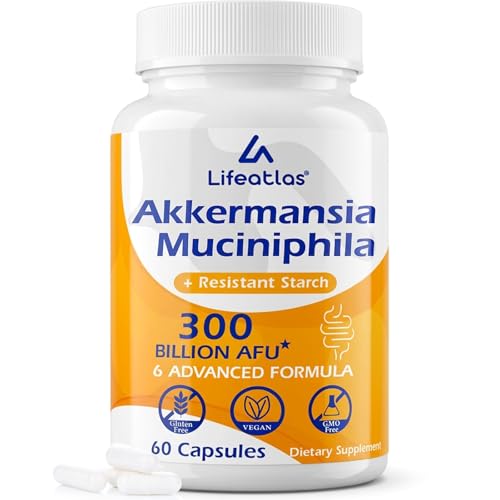
capsules, 100M AFU, 90 ct — Lower-cost Akkermansia plus chicory inulin synbiotic; 3-month supply, gluten-free. - Double Wood Akkermansia Probiotic + Postbiotic
capsules, per label — Budget Akkermansia option marketed around GLP-1 and postbiotic support.
As an Amazon Associate we earn from qualifying purchases. Akkermansia is a live, oxygen-sensitive strain — choose a delayed-release, third-party-tested product with a stated live AFU count.
A Note on the Evidence
The evidence reviewed here is largely observational or derived from animal models; human clinical trials of Akkermansia supplementation for longevity or aging outcomes are still early-stage and small. Akkermansia supplements are not FDA-approved to treat, cure, or prevent any disease, and live probiotic formulations may carry risk for immunocompromised individuals, those on immunosuppressive therapy, or people with active inflammatory bowel disease — consult a qualified healthcare provider before use. This article is informational only and does not constitute medical advice.

Frequently Asked Questions
Why does Akkermansia decline as we age?
Multiple factors likely contribute, including reduced intestinal mucus production, immune senescence, narrowing dietary variety, increased medication use, and micronutrient insufficiencies. Research in aged mice showed that even isolated selenium deficiency significantly accelerated aging-related gut microbial changes, with Akkermansia being the most affected taxon [3]. The interplay of these factors makes it difficult to isolate any single cause.
Do centenarians really have more Akkermansia?
Several studies report higher relative abundance of Akkermansia in individuals who have reached extreme old age in good health. A 2024 analysis of longevous populations found consistent Akkermansia enrichment as a signature feature of centenarian gut microbiomes [1], and a study of healthy Sardinian centenarians found similar associations alongside plant-rich dietary patterns [2]. These are observational findings — they cannot confirm that Akkermansia causes longevity, only that the two co-occur.
Can Akkermansia support cognitive health in aging?
Preclinical data are suggestive but not conclusive. A 2023 study in aged mice found that Akkermansia muciniphila enrichment was associated with reduced brain IL-6 levels and improved cognitive performance [4]. Animal models have significant limitations in predicting human outcomes, and no human clinical trial has established that Akkermansia supplementation prevents or reverses cognitive decline.
What dietary factors support Akkermansia levels?
High-fiber diets, polyphenol-rich plant foods, and adequate micronutrient intake are associated with higher Akkermansia in observational and preclinical research. Selenium adequacy appears particularly important — deficiency was linked to accelerated Akkermansia decline in animal aging models [3]. Dietary patterns associated with centenarian gut health emphasize variety and plant-food density rather than any single supplement [2].
Is it safe to take Akkermansia as a supplement?
Pasteurized Akkermansia formulations have shown acceptable short-term safety in small human trials, but no formulation is FDA-approved to treat or prevent disease. Live probiotic preparations carry potential risk for immunocompromised individuals, those on immunosuppressive medications, or people with active inflammatory bowel disease. Anyone in those categories should consult a physician before use. This is informational content, not medical advice.
How does inflammation connect Akkermansia to aging?
Low-grade chronic inflammation — inflammaging — is a hallmark of biological aging and is linked to both metabolic and neurological decline. Akkermansia is proposed to reduce systemic inflammatory signaling partly by strengthening the intestinal barrier and limiting bacterial product translocation, and partly through direct immune modulation. A 2025 study found that modulating TNF-α through dietary interventions was associated with greater gut microbiota stability in aging, highlighting how anti-inflammatory dietary strategies may support microbial resilience [5].
References
- Chen S et al. Consistent signatures in the human gut microbiome of longevous populations. Gut microbes (2024). PMID 39197040
- Palmas V et al. Gut Microbiota Markers and Dietary Habits Associated with Extreme Longevity in Healthy Sardinian Centenarians. Nutrients (2022). PMID 35745166
- Huang YC et al. Dietary Selenium Deficiency Accelerates the Onset of Aging-Related Gut Microbial Changes in Aged Telomere-Humanized Mice, With Akkermansia muciniphila Being the Most Prominent and Alleviating Selenium Deficiency-Induced Type 2 Diabetes. Aging cell (2025). PMID 40540389
- Zhu X et al. Akkermansia muciniphila, which is enriched in the gut microbiota by metformin, improves cognitive function in aged mice by reducing the proinflammatory cytokine interleukin-6. Microbiome (2023). PMID 37254162
- Mu J et al. TNF-α modulation by rice bran peptides: implications for gut microbiota stability and cognitive health in aging. NPJ biofilms and microbiomes (2025). PMID 41068138
These statements have not been evaluated by the Food and Drug Administration. This information is not intended to diagnose, treat, cure, or prevent any disease. Content is for informational purposes only and is not medical advice; consult a qualified healthcare provider before starting any supplement. As an Amazon Associate we earn from qualifying purchases.