In the evolving landscape of metabolic health and longevity, Akkermansia muciniphila has emerged as a bacterium of significant interest. Many individuals managing metabolic health, weight, or blood sugar have encountered discussions about this unique microbe on popular longevity podcasts or within conversations surrounding GLP-1 receptor agonists. The question for many discerning consumers is not whether Akkermansia is being discussed, but rather, what the robust scientific evidence truly indicates about its potential benefits and how it might fit into a comprehensive health strategy.
This article aims to provide a comprehensive, evidence-based review of Akkermansia muciniphila, dissecting the current research to offer clear, actionable insights for those seeking to understand its role as a potential gut barrier probiotic, GLP-1 probiotic, or metabolic probiotic. We will examine the mechanisms, human trial findings, and limitations, providing an honest assessment of what the science, as of 2026, genuinely supports.
FTC Disclosure: This article may contain affiliate links. If you make a purchase through these links, Akkermansia muciniphilaHub may earn a small commission at no extra cost to you. This helps support our research and content creation.
Understanding Akkermansia muciniphila: A Unique Gut Resident
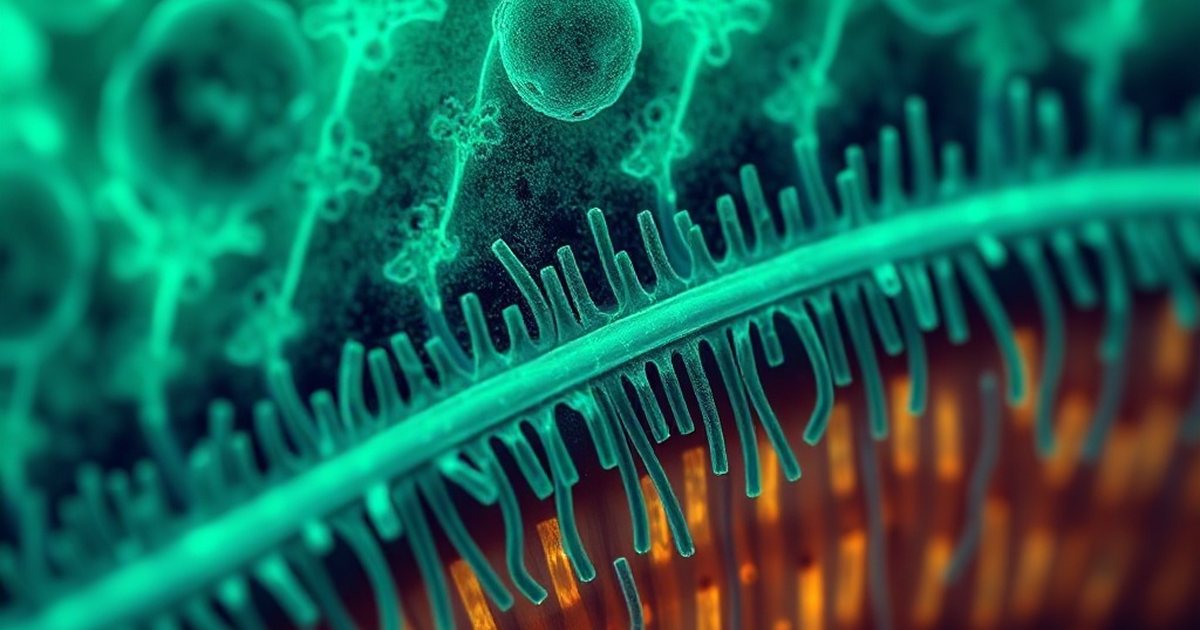
Akkermansia muciniphila is a Gram-negative, anaerobic bacterium naturally residing in the human intestinal tract. First identified in 2004, its name reflects its primary metabolic activity: “muciniphila” means “mucin-loving.” This bacterium thrives on mucin, the primary glycoprotein component of the protective mucus layer lining our intestines.
Its unique niche in the gut ecosystem positions it as a key player in maintaining intestinal barrier integrity and influencing metabolic health. Unlike many probiotics that add beneficial bacteria, Akkermansia‘s role often involves modulating the existing gut environment and interacting directly with host physiology.
Akkermansia and Gut Barrier Function: The “Leaky Gut” Connection
One of the most compelling areas of research for Akkermansia muciniphila involves its impact on the gut barrier. A compromised intestinal barrier, often referred to as “leaky gut,” allows bacterial components and toxins to translocate from the gut lumen into the bloodstream, triggering systemic inflammation and contributing to various metabolic disorders.
Mechanism of Action
Akkermansia‘s primary mechanism for enhancing gut barrier function is its interaction with the mucin layer. By degrading mucin, it stimulates the goblet cells to produce new, healthier mucin, effectively “renovating” the protective lining. This process strengthens the physical barrier, making it less permeable.
Furthermore, Akkermansia produces metabolites such as short-chain fatty acids (SCFAs), particularly propionate and acetate, which can nourish colonocytes and further support barrier integrity. It also influences the tight junctions between intestinal epithelial cells, reinforcing their sealing function.
Evidence from Human Trials
Early human studies have shown promising results. A randomized, double-blind, placebo-controlled trial published in Nature Medicine (2019) demonstrated that daily oral supplementation with pasteurized Akkermansia muciniphila for three months in overweight or obese individuals improved several markers associated with gut barrier integrity. Participants exhibited reduced levels of lipopolysaccharide (LPS), a bacterial endotoxin indicative of gut permeability, in their blood.
Another study in individuals with metabolic syndrome reported similar reductions in inflammatory markers associated with increased gut permeability. While these findings are encouraging, larger and longer-term trials are needed to solidify the clinical significance of these improvements across diverse populations and conditions.
Akkermansia as a Metabolic Probiotic: Weight, Glucose, and Lipid Metabolism
The link between gut health and metabolic disorders is well-established, and Akkermansia muciniphila has garnered significant attention for its potential to modulate various metabolic parameters. Its presence is often inversely correlated with obesity, type 2 diabetes, and metabolic syndrome.
Impact on Weight Management
Numerous animal studies have consistently shown that supplementation with Akkermansia can reduce body weight gain and fat mass in diet-induced obesity models. The mechanisms involve improved gut barrier function, reduced inflammation, and modulation of energy metabolism.
The human picture is weaker than the animal one, and it is worth being exact about it. In the 2019 Nature Medicine pilot trial, the changes in body composition did not reach statistical significance: body weight fell by 2.27 ± 0.92 kg (P = 0.091), fat mass by 1.37 ± 0.82 kg (P = 0.092) and hip circumference by 2.63 ± 1.14 cm (P = 0.091), and those comparisons were against each participant’s own baseline rather than against placebo[1]. Read plainly, that trial did not demonstrate weight loss.
A larger 2026 trial is the better evidence for a weight-related effect, and it tested a different question: weight-loss maintenance. Ninety adults with overweight or obesity completed an 8-week low-energy diet, then spent 24 weeks on an ad libitum diet with daily pasteurized A. muciniphila or placebo. The supplemented group regained less weight (1.2 ± 0.7 kg versus 3.2 ± 0.4 kg, P = 0.012) and held a greater net loss from baseline (P = 0.009)[2]. That is a real finding, but it is about keeping weight off after a diet, not about losing it in the first place.
Glucose and Insulin Sensitivity
Akkermansia‘s influence on glucose metabolism is another key area of investigation. It has been shown to improve insulin sensitivity and glucose tolerance in animal models.
Human trials mirror some of this, but only partly. The 2019 trial’s positive results were confined to the pasteurized arm and were: insulin sensitivity improved 28.62 ± 7.02% (P = 0.002), fasting insulin fell 34.08 ± 7.12% (P = 0.006) and total cholesterol fell 8.68 ± 2.38% (P = 0.02)[1]. It reported no reduction in fasting glucose — a claim that circulates widely but is not in the paper — and the live Akkermansia arm did not produce these metabolic improvements at all.
The largest trial to date tempers this further. A 2026 multicentre double-blind trial in 142 adults with metabolic syndrome missed its primary endpoint: whole-body insulin sensitivity (Matsuda index) did not differ from placebo after four months in the intention-to-treat analysis[3]. Benefits appeared only in exploratory subgroups, chiefly participants who began with low Akkermansia levels. Anyone weighing this supplement should know that the biggest test of its headline claim came back null overall.
Lipid Metabolism
Beyond weight and glucose, Akkermansia may also influence lipid profiles. Animal studies indicate reductions in total cholesterol and triglycerides. Human data is more limited but suggests a trend towards improved lipid markers. The Nature Medicine study showed a reduction in total cholesterol levels in the intervention group.
Akkermansia as a GLP-1 Probiotic: Modulating Gut Hormones
The concept of a “GLP-1 probiotic” has gained traction due to the widespread interest in GLP-1 receptor agonists for weight loss and diabetes management. GLP-1 (Glucagon-like peptide-1) is an incretin hormone that stimulates insulin secretion, slows gastric emptying, and promotes satiety.
Dietary and Lifestyle Strategies to Support Akkermansia Levels
While direct supplementation is one avenue, supporting your existing Akkermansia population through diet and lifestyle is also crucial. Several factors can influence its abundance in the gut.
| Strategy | Impact on Akkermansia | Evidence Type |
|---|---|---|
| Polyphenol-Rich Foods (e.g., cranberries, pomegranates, green tea) | Promotes growth and activity | Preclinical & observational human studies |
| Fiber-Rich Diet (especially prebiotics like FOS, inulin) | Indirectly supports mucin production and beneficial gut environment | Preclinical & observational human studies |
| Omega-3 Fatty Acids (e.g., fish oil) | Associated with higher levels; modulates gut environment | Preclinical & observational human studies |
| Fasting/Time-Restricted Eating | May increase abundance; metabolic benefits | Preclinical & emerging human studies |
| Regular Physical Activity | Associated with higher levels and gut diversity | Observational human studies |
Incorporating a diverse range of plant-based foods, particularly those high in polyphenols, appears to be a key dietary strategy. For instance, specific compounds found in cranberries and pomegranates have been shown to selectively promote Akkermansia growth.
Choosing an Akkermansia Supplement: What to Look For
Given the growing interest, several companies now offer Akkermansia muciniphila supplements. For those considering supplementation, understanding the key features to look for is essential for making an informed choice. It is important to note that most human studies to date have used pasteurized, non-viable Akkermansia.
When searching for an Akkermansia product, consider these factors:
Formulation Type: Live vs. Pasteurized
Currently, the market primarily offers two types: pasteurized (non-viable) Akkermansia and, more recently, some brands are attempting to offer live, viable forms. The majority of the robust human clinical evidence for metabolic benefits comes from studies using pasteurized Akkermansia. This form is stable and has demonstrated efficacy. While live Akkermansia is theoretically appealing, its stability and efficacy in supplement form are still under active investigation and may present manufacturing challenges.
Colony Forming Units (CFUs) or Cell Count
For pasteurized products, look for the stated cell count, typically in billions. The dose used in human trials has generally been in the range of 109 (1 billion) cells per day. For viable products, CFUs are the standard measure. Ensure the product specifies a clear count.
Third-Party Testing and Quality Assurance
As with any supplement, independent third-party testing for purity, potency, and absence of contaminants is crucial. Look for certifications or indications of such testing on the product label or company website. This ensures you are getting what is advertised and that the product is free from harmful substances.

You can find options by searching for Akkermansia muciniphila supplement, Pendulum Akkermansia, or gut barrier probiotic on major online retailers.
Conclusion: The Evolving Role of Akkermansia muciniphila
The scientific understanding of Akkermansia muciniphila has advanced significantly, moving from initial discovery to human clinical trials. Current evidence strongly supports its role in improving gut barrier integrity, modulating glucose and lipid metabolism, and influencing GLP-1 secretion. These benefits position Akkermansia as a promising metabolic probiotic and gut barrier enhancer.

However, it is crucial to maintain an evidence-first perspective. While the findings are encouraging, Akkermansia should be viewed as a component of a holistic health strategy, not a standalone cure. Continued research, particularly larger and more diverse human trials, will further refine our understanding of its full potential and optimal application in various health conditions.
These statements have not been evaluated by the FDA. This product is not intended to diagnose, treat, cure, or prevent any disease.
Frequently Asked Questions (FAQ)
What is Akkermansia muciniphila?
Akkermansia muciniphila is a beneficial bacterium that naturally resides in the human gut. It is known for its ability to degrade mucin, the primary component of the intestinal mucus layer, thereby stimulating the production of new, healthier mucin and strengthening the gut barrier.
What are the main benefits of Akkermansia supplementation?
Research suggests benefits include improved gut barrier function (reducing “leaky gut”), enhanced glucose metabolism and insulin sensitivity, modest weight and fat mass reduction, and increased GLP-1 levels. These effects contribute to better metabolic health.
Is Akkermansia a “GLP-1 probiotic”?
Yes, human studies have shown that Akkermansia muciniphila supplementation can increase circulating levels of GLP-1, an incretin hormone that plays a role in glucose regulation and satiety. This makes it a potential “GLP-1 probiotic” by modulating the body’s natural GLP-1 production.
What is the difference between live and pasteurized Akkermansia supplements?
Pasteurized Akkermansia is non-viable (not alive) but retains its beneficial components, and most human clinical trials showing metabolic benefits have used this form. Live Akkermansia contains viable bacteria. Both forms are being researched, but the efficacy data is currently stronger for the pasteurized version.
How can I naturally increase my Akkermansia levels?
Dietary strategies include consuming polyphenol-rich foods (e.g., cranberries, pomegranates, green tea), a diverse fiber-rich diet, and omega-3 fatty acids. Lifestyle factors like regular exercise and time-restricted eating may also support its abundance.
Are there any side effects of Akkermansia supplementation?
In human clinical trials, pasteurized Akkermansia muciniphila has generally been well-tolerated with no serious adverse events reported. Some individuals might experience mild gastrointestinal discomfort, such as bloating, especially when first starting supplementation, but this is uncommon.
References
- Depommier C et al. Supplementation with Akkermansia muciniphila in overweight and obese human volunteers: a proof-of-concept exploratory study. Nature Medicine (2019). PMID 31263284
- Mount S, Canfora EE et al. Pasteurized Akkermansia muciniphila Muc(T) for weight loss maintenance in people with overweight and obesity: a controlled randomized trial. Nature Medicine (2026). PMID 42120725
- Suenaert P et al. Effect of pasteurized Akkermansia muciniphila MucT on insulin sensitivity, body composition, and GLP-1 production in subjects with metabolic syndrome. Gut Microbes (2026). PMID 42343233
These statements have not been evaluated by the Food and Drug Administration. This information is not intended to diagnose, treat, cure, or prevent any disease. Content is for informational purposes only and is not medical advice; consult a qualified healthcare provider before starting any supplement. As an Amazon Associate we earn from qualifying purchases.