Immune checkpoint inhibitors—drugs that block the PD-1, PD-L1, and CTLA-4 pathways—have transformed treatment for several cancers, producing durable responses in patients who previously had few options. Yet response rates remain inconsistent: some patients experience dramatic tumor regression while others see little benefit. Researchers looking beyond the tumor itself have found that the composition of the gut microbiome may be one factor shaping how well these drugs work.
Among the hundreds of bacterial species that populate the human gut, Akkermansia muciniphila has emerged as a recurring name in immunotherapy research. This gram-negative bacterium colonizes the intestinal mucus layer and represents more than 1% of a healthy adult microbiome. It is being studied for its potential to modulate intestinal barrier integrity and immune signaling in ways that may influence anti-tumor immunity. The science is still early, but the pattern of findings across cancer types is consistent enough to warrant careful examination.
Key Takeaways
- Multiple observational studies have associated higher baseline Akkermansia muciniphila gut abundance with better responses to anti-PD-1 checkpoint inhibitor therapy across hepatocellular carcinoma, renal cell carcinoma, and non-small cell lung cancer [1][2][3].
- Proposed mechanisms include Akkermansia’s role in maintaining intestinal barrier integrity and immune cell modulation via the Amuc_1100 outer membrane protein, though most mechanistic evidence comes from preclinical models [4].
- A 2024 Cell study suggests the ecological relationships between gut bacteria—not just Akkermansia abundance in isolation—may be a stronger predictor of immunotherapy outcomes [5].
- Dietary interventions that increase fiber and plant-food diversity may support Akkermansia-favorable microbiome conditions, though evidence that this improves immunotherapy outcomes in humans is still emerging [6].
- Current findings are largely correlative; no microbiome-based intervention targeting Akkermansia has been established as a standard adjunct to cancer immunotherapy.
How Gut Bacteria Interact with Immune Checkpoint Therapies
The gut microbiome is the largest reservoir of antigen-presenting stimuli in the body, continuously shaping baseline immune tone. Certain bacterial species promote regulatory or tolerogenic immune states, while others drive more active, inflammatory responses. Checkpoint inhibitors work by releasing brakes on T-cell activity, so it follows that the pre-existing immune environment—partly set by gut bacteria—could influence how forcefully the immune system attacks tumor cells once those brakes are removed.
A 2021 review examining clinical data from patients receiving anti-PD-1 antibodies noted consistent associations between specific gut microbial profiles and treatment outcomes [7]. Patients whose microbiomes were enriched in certain bacteria, including Akkermansia muciniphila, tended to show better objective response rates, while those with microbial profiles associated with reduced immune activation showed lower response rates. The authors acknowledged these were correlative observations and that the direction of causality remains an active research question.
A 2024 study published in Cell refined this picture further by developing an ecologically informed scoring method. Rather than examining individual species in isolation, researchers modeled the topological relationships between bacterial communities to predict immunotherapy outcomes [5]. This systems-level approach suggested that the functional relationships among organisms—including Akkermansia’s position within the broader community—may matter as much as its raw abundance.
Akkermansia muciniphila's Proposed Mechanisms in Tumor Immunity
Several mechanistic pathways have been proposed to explain how Akkermansia muciniphila might influence immunotherapy response. The bacterium degrades intestinal mucin and, through that process, produces short-chain fatty acids and stimulates secretion of new mucins, collectively helping maintain intestinal barrier integrity. A leakier gut barrier has been associated with systemic inflammation and dysregulated immune activation; a more intact barrier may support a more disciplined immune response [4].
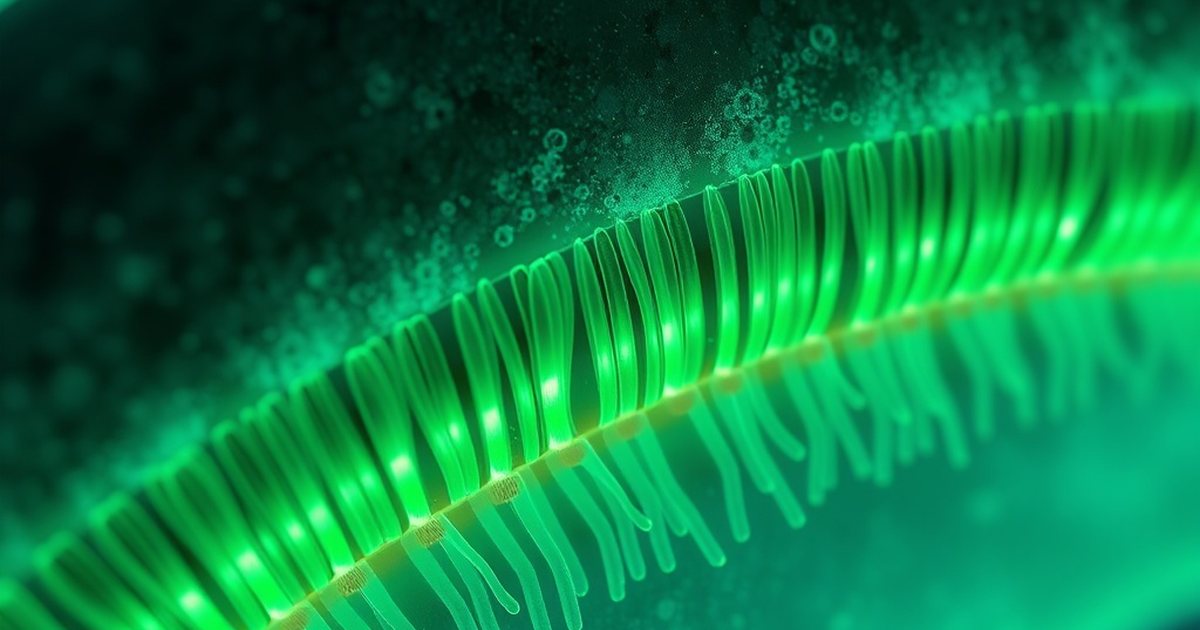
Akkermansia’s outer membrane protein, Amuc_1100, has been shown in preclinical models to interact with Toll-like receptor 2 on intestinal epithelial and immune cells, triggering downstream signaling that can influence T-cell polarization and cytokine production. There is also evidence that this bacterium stimulates glucagon-like peptide-1 (GLP-1) secretion, a gut hormone with known immunomodulatory properties. In the immunotherapy context, the hypothesis is that these signals prime the immune environment in a way that makes checkpoint inhibition more effective [4].
A 2025 review specifically examining Akkermansia’s role in overcoming immunotherapy challenges identified additional proposed mechanisms, including modulation of the tumor microenvironment and influence on dendritic cell maturation [4]. The authors were careful to note that most mechanistic evidence comes from murine models and that human translational data remain limited.
Evidence Across Specific Cancer Types
Some of the most detailed clinical observations come from hepatocellular carcinoma. A 2019 study in patients with HCC receiving anti-PD-1 therapy found that baseline gut microbiome composition was significantly associated with treatment response [1]. Responders showed higher abundance of several bacteria including Akkermansia muciniphila compared to non-responders. Investigators also found that patients with more diverse microbiomes at baseline fared better, suggesting no single species tells the whole story.
In renal cell carcinoma, researchers examining patients receiving checkpoint inhibitors found that specific bacterial compositions at the start of treatment predicted primary resistance [2]. Patients who did not respond showed gut microbial profiles characterized by lower diversity and a different community structure than responders, reinforcing the idea that the microbiome may actively modulate immunotherapy response rather than being a passive bystander.
Non-small cell lung cancer represents another area of active investigation. A 2025 review examining gut microbiome influences in NSCLC patients receiving immunotherapy noted that higher baseline Akkermansia abundance was among microbiome features associated with better outcomes in some cohorts, though the authors cautioned that heterogeneity of study designs makes definitive conclusions difficult [3].
Ecological Topology: Moving Beyond Single-Species Analysis
One of the more conceptually significant advances in this field came from a 2024 paper in Cell proposing a shift away from single-species biomarkers toward ecological scoring that captures the topological structure of the entire microbial community [5]. The researchers argued that Akkermansia muciniphila’s influence on immunotherapy outcomes is partly a function of its ecological relationships with other bacteria—its role in maintaining barrier health and its interactions with other immune-modulatory taxa.
This ecological framing has practical implications. It suggests that boosting Akkermansia abundance in isolation, without attending to the broader microbial context, may not reliably translate into improved immunotherapy outcomes. The scoring approach showed stronger predictive power for treatment outcomes than single-species abundance measures alone [5], though this work requires external validation before it can guide clinical decisions.

Dietary Strategies and Microbiome Modulation During Immunotherapy
Because the gut microbiome is modifiable through diet, researchers have begun testing whether dietary interventions can shift microbial composition in ways that favor immunotherapy response. A 2025 systematic review of preclinical and clinical evidence found that dietary interventions—particularly those increasing fiber, fermented foods, and plant-based diversity—were associated with increases in beneficial bacteria including Akkermansia muciniphila, and in some cases with improved immunotherapy-related outcomes [6].
High-fiber diets appeared to support microbial diversity and favor bacteria associated with better checkpoint inhibitor response. Conversely, diets high in processed foods and simple sugars were associated with reduced Akkermansia abundance and less favorable microbial profiles [6]. The authors noted that most clinical evidence is observational and that randomized controlled trials specifically designed to test dietary microbiome modulation as an immunotherapy adjunct are still needed.
Where the Evidence Stands: Limitations and Open Questions
The body of research connecting Akkermansia muciniphila to checkpoint inhibitor outcomes is growing, but it remains largely observational. Most human studies report correlations between baseline microbiome composition and treatment response; they do not yet establish whether deliberately increasing Akkermansia abundance before or during immunotherapy would improve clinical outcomes. Confounding factors—including diet, antibiotic exposure, cancer stage, and prior treatment history—complicate interpretation of existing data [7].
Randomized controlled trials testing microbiome-based interventions—including fecal microbiota transplant, targeted probiotics, and dietary strategies—as immunotherapy adjuncts are underway, but results are preliminary. The heterogeneity across cancer types, drug regimens, and patient populations means findings from one setting may not generalize to another [3]. Akkermansia muciniphila supplements are not FDA-approved to treat, cure, or prevent any disease, and their safety and efficacy in cancer patients receiving immunotherapy has not been established in rigorous human trials.
🛒 Where to Buy Akkermansia muciniphila
- Pendulum AkkermansiaLab-tested / studied
delayed-release capsules, 100M AFU — The only patented live A. muciniphila strain (WB-STR-0001); single-strain with chicory inulin, third-party tested. - Codeage Akkermansia Muciniphila
capsules, 100M AFU, 90 ct — Lower-cost Akkermansia plus chicory inulin synbiotic; 3-month supply, gluten-free. - Double Wood Akkermansia Probiotic + Postbiotic
capsules, per label — Budget Akkermansia option marketed around GLP-1 and postbiotic support.
As an Amazon Associate we earn from qualifying purchases. Akkermansia is a live, oxygen-sensitive strain — choose a delayed-release, third-party-tested product with a stated live AFU count.
A Note on the Evidence
The evidence linking Akkermansia muciniphila to cancer immunotherapy outcomes is preliminary and largely observational; no Akkermansia supplement has been approved or established as an adjunct to checkpoint inhibitor therapy, and no causative relationship has been proven in humans. Cancer patients—especially those who are immunocompromised, on immunosuppressive therapy, or have active inflammatory bowel disease—should consult their oncologist before starting any probiotic or microbiome intervention. This article is informational only and does not constitute medical advice.

Frequently Asked Questions
Why is Akkermansia muciniphila specifically associated with better immunotherapy outcomes?
Researchers have proposed that Akkermansia strengthens the intestinal mucosal barrier and produces signaling molecules—including via its Amuc_1100 outer membrane protein—that influence T-cell activity and systemic immune tone [4]. Akkermansia-rich microbiomes also tend to feature greater overall microbial diversity, which itself correlates with better checkpoint inhibitor response across multiple cancer types [1].

Has this association been observed in more than one cancer type?
Yes. Observational evidence linking Akkermansia abundance to checkpoint inhibitor response has been reported in hepatocellular carcinoma [1], renal cell carcinoma [2], and non-small cell lung cancer [3], among others. The consistency across cancer types is notable, though each study population has unique characteristics that limit direct comparison.
Does this mean cancer patients should take Akkermansia supplements before immunotherapy?
Current evidence does not support that recommendation. The studies to date are largely observational and do not establish that supplementing with Akkermansia improves immunotherapy outcomes in humans [6]. Randomized trials are underway but conclusive results are not yet available. Cancer patients considering any microbiome intervention should discuss it with their oncologist first.
Can diet meaningfully increase Akkermansia levels in the gut?
Research suggests that high-fiber, plant-rich diets are associated with higher Akkermansia abundance and greater overall microbial diversity [6]. However, the extent to which diet-driven changes in Akkermansia abundance translate into meaningfully improved immunotherapy outcomes in humans has not been demonstrated in controlled trials.
What is the ecological topology approach to predicting immunotherapy response?
Rather than asking whether a single species predicts treatment response, this approach models the relational structure of the entire microbial community—which species cluster together and which serve as keystones. A 2024 Cell study found that topology-based scoring was more predictive of checkpoint inhibitor outcomes than individual species abundance alone [5], suggesting Akkermansia’s effect depends partly on its context within the broader community.
Are there special risks to taking Akkermansia supplements for people in cancer treatment?
Live probiotic formulations carry potential risk for immunocompromised individuals—a category that includes many cancer patients, particularly those receiving immunosuppressive therapies or who have undergone bone marrow or organ transplant. Antibiotic use, which is common in oncology settings, can also substantially disrupt microbial balance in unpredictable ways [3]. Anyone in active cancer treatment should consult their oncologist before using any probiotic supplement.
References
- Zheng Y et al. Gut microbiome affects the response to anti-PD-1 immunotherapy in patients with hepatocellular carcinoma. Journal for immunotherapy of cancer (2019). PMID 31337439
- Derosa L et al. Gut Bacteria Composition Drives Primary Resistance to Cancer Immunotherapy in Renal Cell Carcinoma Patients. European urology (2020). PMID 32376136
- Raziq MF et al. Non-small Cell Lung Cancer, Immunotherapy and the Influence of Gut Microbiome. Current microbiology (2025). PMID 40728577
- Shi Y et al. The microbial revolution: Akkermansia muciniphila's role in overcoming immunotherapy challenges. International immunopharmacology (2025). PMID 40834528
- Derosa L et al. Custom scoring based on ecological topology of gut microbiota associated with cancer immunotherapy outcome. Cell (2024). PMID 38906102
- Somodi C et al. Gut microbiome changes and cancer immunotherapy outcomes associated with dietary interventions: a systematic review of preclinical and clinical evidence. Journal of translational medicine (2025). PMID 40629403
- Ozaki Y et al. [Association between Immunotherapy with Immune Checkpoint Inhibitors(Anti-PD-1 Antibodies)and Intestinal Microbiota]. Gan to kagaku ryoho. Cancer & chemotherapy (2021). PMID 34521783
These statements have not been evaluated by the Food and Drug Administration. This information is not intended to diagnose, treat, cure, or prevent any disease. Content is for informational purposes only and is not medical advice; consult a qualified healthcare provider before starting any supplement. As an Amazon Associate we earn from qualifying purchases.