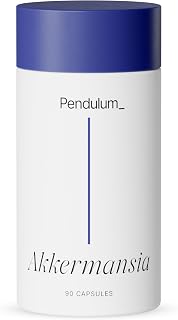
You’ve likely encountered the name Akkermansia muciniphila while navigating discussions around longevity, metabolic health, or even the latest GLP-1 agonists. This intriguing gut bacterium has garnered significant attention for its potential role in modulating various physiological processes, from gut barrier function to glucose metabolism. As interest grows, so does the desire for clear, evidence-based information to separate robust scientific findings from speculative claims.
This article aims to provide a comprehensive, up-to-date overview of Akkermansia muciniphila in 2026, examining its benefits, the underlying research, and safety considerations. We will explore what the scientific literature truly indicates about this bacterium’s impact on human health, offering guidance for those considering its potential inclusion in their health regimen.
What is Akkermansia muciniphila?
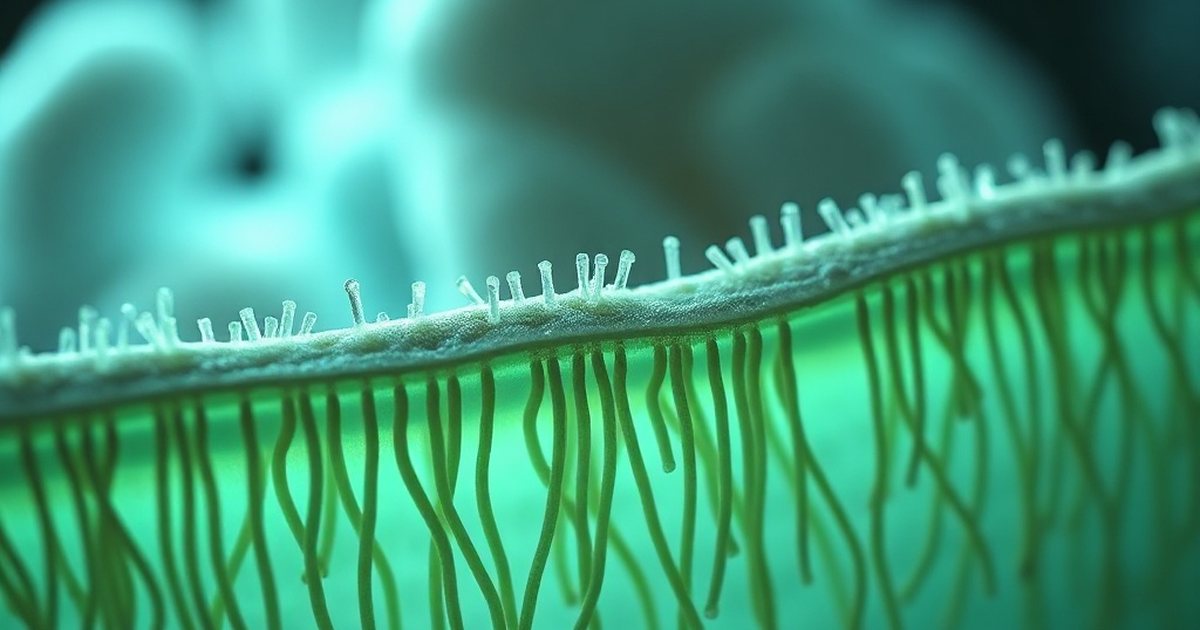
Akkermansia muciniphila is a Gram-negative, anaerobic bacterium that naturally resides in the human gut, specifically within the mucus layer lining the intestinal tract. It is a prominent member of the gut microbiota, typically accounting for more than 1% of the total bacterial population in healthy individuals.
Its name reflects its primary characteristic: “muciniphila” means “mucin-loving,” indicating its ability to degrade mucin, the main glycoprotein component of the protective mucus layer. This unique metabolic activity plays a crucial role in maintaining gut homeostasis and influencing the broader gut ecosystem.
The Role of Akkermansia in Gut Barrier Function
One of the most well-researched functions of Akkermansia muciniphila is its contribution to the integrity of the gut barrier. The gut barrier is a critical defense mechanism, preventing the translocation of harmful substances, toxins, and undigested food particles from the intestinal lumen into the bloodstream.
Akkermansia’s mucin-degrading activity, while seemingly counterintuitive, is thought to stimulate the host’s goblet cells to produce new, healthier mucin. This continuous turnover process helps maintain a robust and dynamic mucus layer, reinforcing the physical barrier against pathogens and inflammatory stimuli.
Studies in both animal models and humans have shown a positive correlation between higher levels of Akkermansia and improved gut barrier function, often assessed by reduced intestinal permeability (sometimes referred to as “leaky gut”). This mechanism is considered foundational to many of its other observed benefits.
Akkermansia and Metabolic Health: Glucose and Weight Management
The interest in Akkermansia muciniphila as a “metabolic probiotic” stems from its consistent association with improved metabolic parameters. Numerous studies have observed lower levels of Akkermansia in individuals with obesity, type 2 diabetes, and metabolic syndrome.
Impact on Glucose Metabolism
Research indicates that supplementation with Akkermansia can improve glucose homeostasis. Mechanisms include enhancing insulin sensitivity, reducing inflammation, and potentially modulating gut hormone secretion.
The human evidence is narrower than that, and the detail matters when you are choosing a product. The double-blind, placebo-controlled Nature Medicine pilot trial randomised 40 overweight or obese insulin-resistant adults (32 completed) to placebo, live A. muciniphila, or pasteurized A. muciniphila at 1010 cells daily for three months. The metabolic improvements came from the pasteurized arm — insulin sensitivity +28.62% (P = 0.002), fasting insulin −34.08% (P = 0.006), total cholesterol −8.68% (P = 0.02) — and the live arm did not reproduce them[1]. The trial reported no reduction in fasting glucose.
Nor has that held up unchallenged. A 2026 multicentre trial in 142 adults with metabolic syndrome missed its primary endpoint: insulin sensitivity did not differ from placebo after four months in the intention-to-treat analysis, with improvements confined to exploratory subgroups such as participants who started with low Akkermansia levels[2]. The honest summary is a promising but unsettled literature, not a demonstrated blood-sugar treatment.

Potential for Weight Management
While Akkermansia is not a magic bullet for weight loss, its influence on metabolic health extends to body weight regulation. Animal studies consistently show that Akkermansia administration can prevent diet-induced obesity and reduce fat mass.
In human studies, while direct weight loss has been modest, improvements in body composition and reductions in markers associated with obesity have been observed. The bacterium’s ability to reduce inflammation and improve gut barrier function may indirectly support weight management efforts by addressing underlying metabolic dysfunctions.
Akkermansia as a GLP-1 Probiotic: Understanding the Connection
The concept of Akkermansia as a “GLP-1 probiotic” has gained traction, drawing parallels to the effects of GLP-1 receptor agonists used for diabetes and weight management. GLP-1 (Glucagon-Like Peptide-1) is an incretin hormone that stimulates insulin secretion, slows gastric emptying, and promotes satiety.
Emerging research suggests that Akkermansia muciniphila may influence GLP-1 secretion. By improving gut barrier integrity and potentially modulating the gut environment, Akkermansia could indirectly stimulate the enteroendocrine cells in the gut to release more GLP-1.
While promising, direct evidence of Akkermansia significantly increasing GLP-1 levels in humans to a degree comparable to pharmaceutical interventions is still evolving. The mechanism is likely indirect, contributing to an overall healthier gut environment that supports optimal hormone signaling.
Safety and Efficacy of Akkermansia Supplementation
The safety profile of Akkermansia muciniphila has been a key focus of clinical research. Since it is a natural inhabitant of the human gut, concerns about introducing a foreign bacterium are generally lower than with some other microbial interventions.
Clinical trials involving oral administration of pasteurized Akkermansia muciniphila have reported good tolerability, with no serious adverse events attributed to the supplement. Mild gastrointestinal symptoms, such as bloating or gas, are occasionally reported, consistent with the introduction of any new probiotic.
It is important to note that most human trials have utilized pasteurized (heat-killed) Akkermansia, which has shown efficacy, suggesting that components of the bacterial cell wall or metabolites, rather than just live bacteria, contribute to its benefits. This also simplifies manufacturing and enhances product stability.
How to Increase Akkermansia Naturally
While direct supplementation is an option, certain dietary and lifestyle interventions can also support the natural growth of Akkermansia muciniphila in the gut. These approaches work by providing the necessary substrates or creating a favorable environment for its proliferation.
| Method | Mechanism | Evidence Level |
|---|---|---|
| Polyphenol-Rich Foods (e.g., cranberries, pomegranates, green tea) | Polyphenols act as prebiotics, selectively stimulating the growth of beneficial bacteria like Akkermansia. | Moderate (animal and observational human studies) |
| Prebiotic Fibers (e.g., inulin, FOS from chicory root, onions, garlic) | While not directly mucin, some fibers can indirectly support mucin production or create an environment conducive to Akkermansia. | Moderate (animal and some human studies) |
| Fasting or Time-Restricted Eating | May influence gut microbiota composition and metabolic pathways, potentially favoring Akkermansia. | Preliminary (animal and small human studies) |
| Omega-3 Fatty Acids (e.g., fatty fish, flaxseeds) | Anti-inflammatory effects and potential modulation of gut microbiota. | Preliminary (animal studies, some human correlations) |
Incorporating these dietary strategies can complement supplementation or serve as a foundational approach to fostering a healthy gut microbiome rich in beneficial bacteria like Akkermansia.
Choosing an Akkermansia Supplement: What to Look For
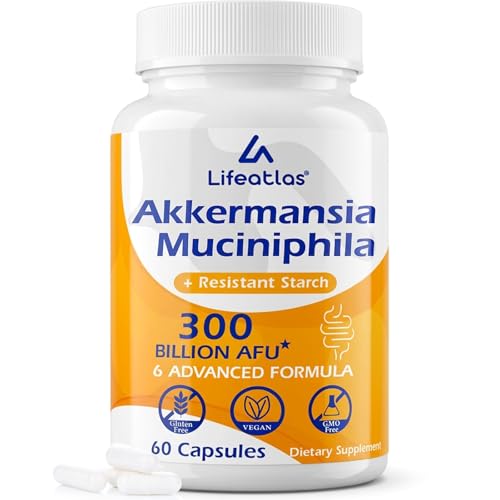
When considering an Akkermansia muciniphila supplement, it’s essential to look for products backed by scientific rigor and transparent manufacturing practices. The market is evolving, and knowing what differentiates a quality product is key.

Affiliate disclosure: As an Amazon Associate, we may earn from qualifying purchases made through links in this section. This helps support our research and content creation at no extra cost to you.
Pasteurized vs. Live Strains
Most commercially available and clinically studied Akkermansia supplements use a pasteurized (heat-treated) form. This is because the beneficial effects have been demonstrated with pasteurized strains, and it offers superior stability and shelf-life compared to live, anaerobic bacteria, which are challenging to formulate and maintain viable in a supplement.
Colony Forming Units (CFUs) or Cell Count
Look for products that clearly state the quantity of Akkermansia per serving. While CFU is standard for live probiotics, pasteurized products will typically list a cell count (e.g., billions of cells). Compare this to dosages used in clinical trials (often in the range of 10^9 cells per day).
Third-Party Testing and Quality Assurance
Reputable brands will often provide evidence of third-party testing for purity, potency, and absence of contaminants. This ensures that the product contains what it claims and is free from harmful substances. Search for supplements with certifications or explicit statements regarding quality control.
When searching online, consider terms like “Akkermansia muciniphila supplement pasteurized,” “gut barrier probiotic Akkermansia,” or “metabolic health probiotic Akkermansia” to find relevant options.
Conclusion
Akkermansia muciniphila represents a fascinating and impactful member of the human gut microbiome with well-documented roles in gut barrier integrity, glucose metabolism, and overall metabolic health. The scientific evidence, particularly from human clinical trials, supports its potential as a beneficial intervention for individuals managing weight, blood sugar, and gut health.

While it is not a standalone cure, incorporating Akkermansia, either through supplementation or dietary adjustments, offers a promising avenue for supporting metabolic wellness. As research continues to expand, our understanding of its intricate mechanisms and broader applications will only deepen, solidifying its place in the landscape of targeted microbiome interventions.
Frequently Asked Questions (FAQ)
What specific health conditions is Akkermansia most studied for?
Akkermansia muciniphila is most extensively studied for its potential benefits in metabolic health conditions such as obesity, type 2 diabetes, insulin resistance, and issues related to gut barrier dysfunction (e.g., “leaky gut”).
Is live Akkermansia or pasteurized Akkermansia more effective?
Most human clinical trials demonstrating benefits have used pasteurized (heat-killed) Akkermansia muciniphila. This suggests that the beneficial effects are derived from its cellular components or metabolites rather than requiring live bacteria, and pasteurized forms offer better stability for supplements.
How long does it take to see benefits from Akkermansia supplementation?
The timeline for observing benefits can vary among individuals and depends on the specific health markers being addressed. Clinical studies often show significant changes in metabolic parameters within 2-3 months of consistent supplementation.
Can I get Akkermansia from food?
You cannot directly consume Akkermansia muciniphila from food as it is not a common component of fermented foods. However, certain foods rich in polyphenols (e.g., cranberries, pomegranates) and prebiotics can help foster the natural growth of Akkermansia in your gut.
Are there any side effects of taking Akkermansia?
Akkermansia muciniphila supplements are generally well-tolerated. Some individuals may experience mild gastrointestinal symptoms, such as bloating or gas, especially when first starting supplementation, which typically subsides as the body adjusts.
Does Akkermansia interact with medications, especially GLP-1 drugs?
There is currently no strong evidence of adverse interactions between Akkermansia muciniphila supplements and medications, including GLP-1 receptor agonists. However, it is always advisable to consult with a healthcare professional before starting any new supplement, especially if you are on prescription medication.
These statements have not been evaluated by the FDA. This product is not intended to diagnose, treat, cure, or prevent any disease.
References
- Depommier C et al. Supplementation with Akkermansia muciniphila in overweight and obese human volunteers: a proof-of-concept exploratory study. Nature Medicine (2019). PMID 31263284
- Suenaert P et al. Effect of pasteurized Akkermansia muciniphila MucT on insulin sensitivity, body composition, and GLP-1 production in subjects with metabolic syndrome. Gut Microbes (2026). PMID 42343233
These statements have not been evaluated by the Food and Drug Administration. This information is not intended to diagnose, treat, cure, or prevent any disease. Content is for informational purposes only and is not medical advice; consult a qualified healthcare provider before starting any supplement. As an Amazon Associate we earn from qualifying purchases.