Akkermansia muciniphila is a gram-negative bacterium that colonizes the intestinal mucus layer and, in healthy adults, typically represents more than 1% of total gut microbiota. Over the past decade, researchers have proposed that declining Akkermansia abundance correlates with metabolic dysfunction, including insulin resistance and impaired glucose regulation. That correlation has driven significant scientific interest in whether restoring or boosting Akkermansia levels could improve blood sugar control in people with type 2 diabetes or obesity.
The proposed mechanisms are plausible and increasingly well-characterized in animal models: Akkermansia degrades mucin to sustain mucus-layer turnover, upregulates tight-junction proteins to reinforce intestinal barrier integrity, and its outer-membrane protein Amuc_1100 appears to stimulate GLP-1 secretion and Toll-like receptor 2 signaling. Human clinical evidence, however, remains limited in scale and scope. This article summarizes what the available human data actually demonstrates, where the evidence is still preliminary, and what anyone considering Akkermansia supplementation should keep in mind.
Key Takeaways
- Akkermansia muciniphila abundance has been reported as lower in some studies of people with prediabetes or newly diagnosed type 2 diabetes, but a systematic review found the differences inconsistent across studies, and it is proposed to influence blood sugar [4][7] through gut barrier integrity, GLP-1 stimulation, and reduced inflammatory endotoxin exposure.
- A multicenter, double-blind, randomized placebo-controlled trial of a multi-strain formula (not an Akkermansia-only product) in 76 adults with type 2 diabetes lowered glucose total AUC versus placebo, right at the p=0.0500 threshold, and its authors are all employees and shareholders of the manufacturer [1].
- In a randomized trial of 45 adults with obesity, genistein for 2 months reduced insulin resistance alongside a rise in the Verrucomicrobia phylum, which contains Akkermansia; the study does not show that Akkermansia caused the change [2].
- In a small inpatient study of 27 volunteers with obesity and impaired glucose tolerance, a rise in A. muciniphila was common to both underfeeding and oral vancomycin, the two interventions that raised stool calorie loss [3].
- Most mechanistic evidence is from preclinical models; large, long-duration human RCTs specifically testing Akkermansia supplementation for glycemic control are still limited, and results should be interpreted cautiously.
Why Gut Bacteria Matter for Glucose Metabolism
The gut microbiome influences blood sugar regulation through several interconnected pathways. Intestinal barrier function determines how much bacterial endotoxin (lipopolysaccharide, or LPS) leaks into systemic circulation; elevated endotoxin exposure drives low-grade inflammation that impairs insulin signaling in muscle and liver tissue. A second pathway involves the production of short-chain fatty acids (SCFAs) such as butyrate and propionate, which stimulate enteroendocrine L-cells to secrete glucagon-like peptide-1 (GLP-1), a hormone that enhances insulin secretion and slows gastric emptying.
A third pathway is indirect: changes in microbial composition alter how dietary carbohydrates and fats are absorbed. A small inpatient study published in Nature Medicine found that two interventions that changed the gut microbiome, underfeeding and oral vancomycin, both raised stool calorie loss and both were accompanied by a rise in A. muciniphila [3]. Akkermansia muciniphila sits at the intersection of all three pathways (barrier integrity, SCFA metabolism, and GLP-1 stimulation) which is why it has attracted particular attention in metabolic research.

Probiotic Interventions and Postprandial Glucose: RCT Evidence
One of the most cited pieces of human clinical evidence in this area comes from a multicenter, double-blind, randomized, placebo-controlled trial that examined whether a novel probiotic formulation could improve postprandial glucose control in subjects with type 2 diabetes. In 76 adults with type 2 diabetes, the multi-strain formula lowered glucose total AUC versus placebo, right at the p=0.0500 threshold, and improved HbA1c and incremental glucose AUC. The authors are all employees and shareholders of the manufacturer, and they caution that the limited sample size calls for confirmatory studies [1]..
A small pilot found better insulin sensitivity, but the 142-adult trial missed its primary endpoint
Insulin sensitivity improved
Pasteurized Akkermansia improved insulin sensitivity by 28.62% versus placebo (P = 0.002) in insulin-resistant adults. 40 were enrolled; the live form did not significantly improve it.
Primary endpoint not met
In 142 adults with metabolic syndrome, 30 billion pasteurized cells daily did not change whole-body insulin sensitivity (Matsuda index) versus placebo after 4 months.
Exploratory only
In people with low baseline fecal Akkermansia the Matsuda index rose 26.3% at 3 months (p = 0.007), but the 4 month difference of 16.1% was not significant.
The larger trial did not confirm the pilot's insulin result in the whole group.
Both placebo-controlled trials of pasteurized Akkermansia in adults. Human data on supplementation remain small and mixed. Source: Depommier et al., Nature medicine 2019; Suenaert et al., Gut microbes 2026
Embed this chart
Free to reuse on your site. Copy the code below; please keep the credit link.
Research note: In people with diabetes, the relative abundance of Akkermansia muciniphila was negatively correlated with HbA1c, and A. muciniphila was reduced in refractory diabetes versus ordinary diabetes [27].
It is important to interpret this finding carefully. Probiotic formulations used in clinical trials are typically multi-strain products, and attributing the glucose benefit specifically to any single organism requires mechanistic data that is often absent. The trial result is encouraging as a demonstration that gut microbiota manipulation can move glycemic markers in humans, but it does not establish that Akkermansia alone is responsible for the effect. Replication in larger, longer-duration trials with strain-level transparency will be needed before strong causal claims can be made.
Trials of Akkermansia itself have been mixed. In 58 adults with overweight or obese type 2 diabetes, AKK-WST01 did not differ significantly from placebo over 12 weeks, with gains seen only in people with low baseline Akkermansia. A 142-adult trial in adults with metabolic syndrome, using 30 billion pasteurized cells daily, did not change its primary insulin sensitivity endpoint, and the low-baseline subgroup gain was post hoc and exploratory [26][23][16].

Microbiota Reshaping and Insulin Sensitivity: Evidence from Dietary Interventions
A meaningful body of evidence suggests that dietary compounds and lifestyle interventions improve insulin sensitivity partly by reshaping gut microbial composition. One human study investigated genistein, a soy isoflavone, and found that, in 45 adults with obesity, 2 months of genistein reduced insulin resistance alongside a shift in the gut microbiota; the authors are inventors on a patent application on genistein as a gut microbiota modulator [2]. AMPK is an energy-sensing enzyme that, when activated in muscle, drives glucose uptake independently of insulin: the same pathway targeted by metformin.
The relevance to Akkermansia is indirect but meaningful. In that trial the rise was measured at the Verrucomicrobia phylum level and was associated with an increase in the Akkermansia genus; causation is not shown [2]. Polyphenols raised Akkermansia in mouse studies, but in a trial of 46 older adults with early sarcopenia a polyphenol-rich fermented black soybean product lowered LDL while Akkermansia abundance decreased, so the pattern is not consistent [2][8][9][10]. It remains possible that Akkermansia enrichment is a marker of a favorable gut environment rather than a primary driver of the metabolic benefit.
Proposed Mechanisms Linking Akkermansia to GLP-1 and Fasting Glucose
In preclinical models, the most studied mechanism by which Akkermansia may improve blood sugar is through its outer-membrane protein Amuc_1100. This protein survives pasteurization and appears to directly activate Toll-like receptor 2 on intestinal epithelial cells, triggering downstream signaling that promotes tight-junction assembly and reduces gut permeability. A less leaky gut means less systemic LPS exposure, which translates to reduced inflammatory tone and better insulin receptor responsiveness in peripheral tissues.
A second mechanism involves GLP-1 stimulation. Akkermansia degrades mucins into monosaccharides and SCFAs; these fermentation products reach enteroendocrine L-cells and stimulate GLP-1 release. GLP-1 enhances glucose-dependent insulin secretion, suppresses glucagon, and slows gastric emptying: collectively lowering postprandial glucose spikes. GLP-1 receptor agonist drugs act on the same hormone, but a narrative review says Akkermansia’s GLP-1-agonistic properties still need more human research to prove clinical benefit, and the GLP-1 findings so far come from cells and mice [11][12][13].
It is honest to note that most mechanistic evidence comes from mouse models or in vitro cell studies. Translating these findings to humans is not straightforward: gut transit time, host immune background, competing microbiota, and diet all modulate whether a given Akkermansia abundance change will produce a measurable glycemic effect in a given person.
Gut Microbiome Composition, Underfeeding, and Metabolic Outcomes
An important piece of human evidence comes from a controlled study examining how both caloric restriction and oral vancomycin, an antibiotic that selectively depletes gram-positive bacteria, affect gut microbiome composition and nutrient absorption in human volunteers [3]. Oral vancomycin, by reducing gram-positive competitors, predictably increases the relative abundance of gram-negative organisms including Akkermansia. In this study of 27 volunteers, a rise in A. muciniphila was common to both interventions that raised stool calorie loss; it was a small inpatient study and it does not show that Akkermansia itself changed calorie absorption [3].

This study is only loosely relevant to the glucose axis: it reported stool calorie loss and an A. muciniphila rise, and it cannot separate Akkermansia from the other changes the two interventions caused [3]. It also serves as a caution: manipulating microbial composition, whether via antibiotics or probiotics, produces system-wide changes that go beyond any single intended effect. Antibiotic-induced microbiome changes carry significant risks and are not a practical or advisable strategy for blood sugar management.
How Akkermansia Levels Relate to Insulin Resistance in Humans
A 2022 systematic review of observational studies examined gut microbiota composition in individuals with prediabetes and newly diagnosed type 2 diabetes [4]. In some observational studies, Akkermansia muciniphila abundance was lower in people with prediabetes or newly diagnosed type 2 diabetes than in normoglycemic controls, although findings differed across studies. While observational data cannot establish causation, the pattern seen in some studies lends some weight to the hypothesis that Akkermansia depletion is part of a microbiota signature associated with insulin resistance.
Gestational diabetes mellitus (GDM) offers another vantage point. In a 2024 study using a GDM mouse model, xylooligosaccharide supplementation raised Akkermansia muciniphila abundance, improved intestinal barrier function, and ameliorated insulin resistance [5]. Although this was an animal study, the mechanistic pathway it traced, Akkermansia enrichment leading to tighter gut junctions and reduced endotoxin translocation, is consistent with the leading mechanistic hypotheses being explored in human research.
Intermittent Fasting, Probiotics, and Gut Microbiota Modulation in Type 2 Diabetes
Intermittent fasting is one of the more studied behavioral interventions for improving insulin sensitivity, and emerging work suggests part of its benefit may be microbiota-mediated. A 2025 narrative review examined both intermittent fasting and probiotic supplementation as strategies for gut microbiota modulation in people with type 2 diabetes [6]. The review states that intermittent fasting consistently increases A. muciniphila abundance; the mucin-recycling explanation is a hypothesis, and the finding is about abundance, not blood sugar [6][14].
The same review assessed evidence for multi-strain probiotic formulations in type 2 diabetes [6]. The heterogeneity of strains, doses, and study populations makes it difficult to attribute any effect to a single organism, and a meta-analysis of 18 randomized trials in 1,544 people with metabolic syndrome found no significant differences in fasting glucose, fasting insulin or HbA1c with Lactobacillus and Bifidobacterium probiotics [15]. The authors concluded that combining intermittent fasting with targeted probiotic supplementation represents a promising but insufficiently studied combination for future trials to evaluate rigorously.
Current Limitations and What Remains to Be Proven
The honest summary of the human evidence base on Akkermansia and blood sugar control is that it is promising but incomplete. Most large-scale human data comes from observational studies showing that lower Akkermansia abundance associates with obesity, type 2 diabetes, and metabolic syndrome, not from interventional trials directly testing Akkermansia supplementation as a standalone treatment for glycemic outcomes. The one multi-strain probiotic trial discussed above was borderline and run by the manufacturer [1], the genistein trial changed Akkermansia only at the phylum level [2], and isolating Akkermansia’s individual contribution remains difficult [1][2].
Additionally, the commercially available Akkermansia supplements that have reached the market are relatively new, and long-term safety and efficacy data in humans, particularly for live strains, are still being gathered. In the one human pilot, pasteurized Akkermansia improved insulin sensitivity versus placebo while the live preparation did not significantly improve it, and mouse work on live versus pasteurized forms is mixed; no verified fact shows the human effect works through Amuc_1100 [16][17][18][19][20]. Anyone with type 2 diabetes making treatment decisions should treat this category of evidence as supplementary context rather than clinical guidance, and work directly with their physician on any changes to their management plan.
🛒 Where to Buy Akkermansia muciniphila
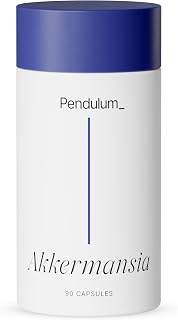
- Pendulum Akkermansia
delayed-release capsules, 100M AFU: Live A. muciniphila strain (WB-STR-0001); single-strain with chicory inulin, third-party tested. - Codeage Akkermansia Muciniphila
capsules, 100M AFU, 90 ct: Lower-cost Akkermansia plus chicory inulin synbiotic; 3-month supply, gluten-free. - Double Wood Akkermansia Probiotic + Postbiotic
capsules, per label: Budget Akkermansia option marketed around GLP-1 and postbiotic support.
As an Amazon Associate we earn from qualifying purchases. Akkermansia is a live, oxygen-sensitive strain: choose a delayed-release, third-party-tested product with a stated live AFU count.
A Note on the Evidence
The human clinical evidence base for Akkermansia muciniphila as a direct intervention for blood sugar control remains early-stage and largely indirect; existing trials often test multi-strain probiotic formulations rather than Akkermansia in isolation, and no Akkermansia supplement is FDA-approved to treat, cure, or prevent any disease. Individuals with diabetes, immunocompromising conditions, active inflammatory bowel disease, or those on immunosuppressive medications should consult a qualified healthcare provider before using any probiotic supplement. This article is informational only and does not constitute medical advice.
Frequently Asked Questions
Can Akkermansia muciniphila supplements lower blood sugar in people with type 2 diabetes?
One manufacturer-run randomized trial of a multi-strain formula in 76 adults with type 2 diabetes reported lower postprandial glucose than placebo, right at the significance threshold [1]. However, Akkermansia-specific standalone supplementation trials in humans are still limited in number and scale, and no supplement is FDA-approved to treat type 2 diabetes. Anyone managing diabetes should discuss any supplementation with their physician before making changes.


How does Akkermansia muciniphila affect GLP-1 secretion?
Akkermansia degrades intestinal mucins into fermentation products including short-chain fatty acids, which stimulate enteroendocrine L-cells to secrete GLP-1. GLP-1 is a hormone that enhances glucose-dependent insulin release and slows gastric emptying, both of which blunt postprandial blood sugar spikes. This mechanism has been well characterized in preclinical models and is mechanistically plausible in humans, though direct human trials confirming GLP-1 elevation from Akkermansia supplementation specifically are still emerging.
Does diet affect Akkermansia levels?
Yes. In a trial of 45 adults with obesity, genistein from soy was accompanied by a rise in the Verrucomicrobia phylum, which contains Akkermansia, and by lower insulin resistance, but this does not show that Akkermansia caused the improvement [2]. Caloric restriction is also associated with increased Akkermansia relative abundance. This suggests that dietary strategies may be a practical, low-risk way to support Akkermansia levels alongside any direct supplementation.
Is the evidence that Akkermansia improves insulin sensitivity proven in humans?
The current human evidence is indirect rather than definitive. In adults with overweight or obesity on calorie restriction, higher baseline Akkermansia was associated with greater improvement in insulin sensitivity markers, and one genistein trial raised the phylum that contains Akkermansia alongside lower insulin resistance [2]. These are associations, not tests of Akkermansia itself [21][2]. These findings are consistent with Akkermansia playing a contributing role, but they do not establish causality at the strain level. Controlled human trials of Akkermansia supplementation do exist but are small or mixed: a 2019 pilot in 40 insulin-resistant adults found improved insulin sensitivity with pasteurized but not live Akkermansia, while a 142-adult trial in adults with metabolic syndrome did not meet its primary insulin sensitivity endpoint. Larger confirmatory trials are still needed [16][22][23].
Are Akkermansia supplements safe for everyone?
Live probiotic formulations carry potential risk for immunocompromised individuals, people on immunosuppressive therapy, or those with active inflammatory bowel disease. EFSA found pasteurised Akkermansia safe for adults at up to 3.4 x 10^10 cells per day, excluding pregnant and lactating women, and required a viable count under 10 CFU/g; it said pregnancy and lactation safety is not established. Company-reported safety records are not independent evidence. Regardless of formulation, anyone with a chronic medical condition, compromised immune system, or who is pregnant should consult a physician before use. Akkermansia supplements are not FDA-approved to treat, cure, or prevent any disease [22][24].
How does gut permeability connect Akkermansia to fasting glucose?
A more permeable intestinal barrier allows bacterial endotoxin (LPS) to enter systemic circulation, triggering low-grade chronic inflammation that impairs insulin receptor signaling in liver and muscle tissue: contributing to elevated fasting glucose. Akkermansia is proposed to reinforce the gut barrier by upregulating tight-junction proteins and by signaling through its outer-membrane protein Amuc_1100. By reducing barrier permeability and therefore systemic LPS exposure, Akkermansia may indirectly support insulin sensitivity and fasting glucose regulation. This mechanism rests mainly on cell and mouse work; the verified evidence includes no large human trial confirming it, and one mouse test found live or pasteurized Akkermansia did not prevent colitis [17][12][13][11][25].
References
- Perraudeau F et al. Improvements to postprandial glucose control in subjects with type 2 diabetes: a multicenter, double blind, randomized placebo-controlled trial of a novel probiotic formulation. BMJ open diabetes research & care (2020). PMID 32675291
- Guevara-Cruz M et al. Genistein stimulates insulin sensitivity through gut microbiota reshaping and skeletal muscle AMPK activation in obese subjects. BMJ open diabetes research & care (2020). PMID 32152146
- Basolo A et al. Effects of underfeeding and oral vancomycin on gut microbiome and nutrient absorption in humans. Nature medicine (2020). PMID 32235930
- Letchumanan G et al. Gut Microbiota Composition in Prediabetes and Newly Diagnosed Type 2 Diabetes: A Systematic Review of Observational Studies. Frontiers in cellular and infection microbiology (2022). PMID 36046745
- Yang J et al. Xylooligosaccharides ameliorate insulin resistance by increasing Akkermansia muciniphila and improving intestinal barrier dysfunction in gestational diabetes mellitus mice. Food & function (2024). PMID 38426554
- Zhang Z et al. Intermittent Fasting and Probiotics for Gut Microbiota Modulation in Type 2 Diabetes Mellitus: A Narrative Review. Nutrients (2025). PMID 41515236
- Saiedi E et al. Comparative analysis of gut microbiota composition in the fecal samples from type 2 diabetes mellitus patients and healthy individuals: a case control study. Iranian journal of microbiology (2025). PMID 41510046
- Fernando F. Anhê et al. A polyphenol-rich cranberry extract protects from diet-induced obesity, insulin resistance and intestinal inflammation in association with increased Akkermansia spp. population in the gut microbiota of mice. Gut (2014). PMID 25080446
- Chang SS et al. Plant-based polyphenol rich protein supplementation attenuated skeletal muscle loss and lowered the LDL level via gut microbiota remodeling in Taiwan's community-dwelling elderly. Food & function (2023). PMID 37795525
- Yuji Naito et al. A next-generation beneficial microbe: Akkermansia muciniphila. Journal of Clinical Biochemistry and Nutrition (2018). PMID 30087541
- Dulai AS et al. The Gut Microbiome's Influence on Incretins and Impact on Blood Glucose Control. Biomedicines (2024). PMID 39767626
- Wenxuan Di et al. Heterologous expression of P9 from Akkermansia muciniphila increases the GLP-1 secretion of intestinal L cells. World Journal of Microbiology and Biotechnology (2024). PMID 38727988
- Di W et al. Engineered Lactococcus lactis secreting a glucagon-like peptide-1-inducing protein P9 for amelioration of obesity in mice. 3 Biotech (2025). PMID 40822427
- Ceren Özkul et al. Islamic fasting leads to an increased abundance of Akkermansia muciniphila and Bacteroides fragilis group: A preliminary study on intermittent fasting. The Turkish Journal of Gastroenterology (2019). PMID 31854308
- Yue Dong et al. Probiotic Foods and Supplements Interventions for Metabolic Syndromes: A Systematic Review and Meta-Analysis of Recent Clinical Trials. Annals of Nutrition and Metabolism (2019). PMID 30889572
- Liu Y et al. Pasteurized Akkermansia muciniphila as a candidate multi-effector pharmacological system in the gut-liver axis: evidence, unresolved causality, and translational priorities. Frontiers in pharmacology (2026). PMID 42846334
- Fatemeh Ashrafian et al. Comparative effects of alive and pasteurized Akkermansia muciniphila on normal diet-fed mice. Scientific Reports (2021). PMID 34504116
- Fatemeh Ashrafian et al. Extracellular vesicles and pasteurized cells derived from Akkermansia muciniphila protect against high-fat induced obesity in mice. Microbial Cell Factories (2021). PMID 34863163
- Amandine Everard et al. Cross-talk between Akkermansia muciniphila and intestinal epithelium controls diet-induced obesity. Proceedings of the National Academy of Sciences (2013). PMID 23671105
- Jiaxiu Liu et al. Live and pasteurized Akkermansia muciniphila decrease susceptibility to Salmonella Typhimurium infection in mice. Journal of Advanced Research (2023). PMID 36996967
- Maria Carlota Dao et al. Akkermansia muciniphila and improved metabolic health during a dietary intervention in obesity: relationship with gut microbiome richness and ecology. Gut (2015). PMID 26100928
- European Food Safety Authority (NDA Panel) Safety of pasteurised Akkermansia muciniphila as a novel food pursuant to Regulation (EU) 2015/2283. European Food Safety Authority (NDA Panel) (2021). source
- Suenaert P et al. Effect of pasteurized Akkermansia muciniphila MucT on insulin sensitivity, body composition, and GLP-1 production in subjects with metabolic syndrome: impact of low baseline gut Akkermansia levels. Gut microbes (2026). PMID 42343233
- EFSA Panel on Nutrition et al. Safety of an extension of use of pasteurised Akkermansia muciniphila as a novel food pursuant to Regulation (EU) 2015/2283. EFSA journal. European Food Safety Authority (2025). PMID 41018002
- Grondin JA et al. Akkermansia muciniphila supplementation alters inflammatory profiles across diverse models of colitis. Scientific reports (2026). PMID 42380569
- Zhang Y et al. Akkermansia muciniphila supplementation in patients with overweight/obese type 2 diabetes: Efficacy depends on its baseline levels in the gut. Cell metabolism (2025). PMID 39879980
- Ching‐Tang Shih et al. Akkermansia muciniphila is Negatively Correlated with Hemoglobin A1c in Refractory Diabetes. Microorganisms (2020). PMID 32899513
These statements have not been evaluated by the Food and Drug Administration. This information is not intended to diagnose, treat, cure, or prevent any disease. Content is for informational purposes only and is not medical advice; consult a qualified healthcare provider before starting any supplement. As an Amazon Associate we earn from qualifying purchases.