Antibiotics are among the most prescribed medications in modern medicine, and for good reason: they save lives. But broad-spectrum antibiotic courses do not distinguish between harmful pathogens and beneficial residents of the gut. Akkermansia muciniphila, a gram-negative bacterium found at more than 1% of faecal cells in one study of human samples, responds to antibiotics in mixed ways: antibiotic use was associated with low levels in cancer patients, but oral vancomycin was followed by an increase in a small inpatient study [7][8][9].
Understanding what happens to Akkermansia during and after antibiotic use matters because this organism plays a proposed role in maintaining the intestinal mucus layer, supporting tight-junction proteins, and communicating with the immune system. This article reviews what current research tells us about antibiotic-related Akkermansia depletion, how that loss may affect multiple body systems including the gut-brain and gut-lung axes, and what approaches show early promise for recovery, while being honest about where the evidence currently stands.
Key Takeaways
- Antibiotic effects on Akkermansia muciniphila, a mucus-layer bacterium with proposed roles in intestinal barrier integrity and immune signaling, are mixed: antibiotic use was associated with low levels in cancer patients, but oral vancomycin raised it in a small inpatient study [8][9].
- Animal research suggests Akkermansia’s outer membrane protein Amuc_1100 may help mitigate antibiotic-associated anxiety- and depression-like behaviors through TLR2 and serotonin-related pathways [1][2], though human clinical evidence is not yet established.
- In mice, giving Akkermansia after antibiotics worsened colitis-associated colorectal cancer, and the authors advised caution with probiotics after antibiotic treatment [3].
- Polyphenols and plant fibers have been linked to higher Akkermansia abundance in some studies, but human trials of Akkermansia recovery after antibiotics remain limited [10][11][12].
- Shilajit and pasteurized Akkermansia supplements are marketed as supportive options, but direct human evidence for post-antibiotic Akkermansia recovery is limited; immunocompromised individuals should consult a healthcare provider before use.
Why Akkermansia Is Particularly Vulnerable to Antibiotics
Akkermansia muciniphila occupies a specialized niche in the gut: the mucus layer lining the intestinal wall. It lives by degrading mucin glycoproteins and, in doing so, stimulates the host to continuously renew this protective layer. This niche-specific lifestyle makes it less resilient to the broad chemical disruption that antibiotics impose on the microbial ecosystem as a whole.
Antibiotic effects on Akkermansia are mixed. Antibiotic use was associated with low Akkermansia in cancer patients, but oral vancomycin was followed by an increase in A. muciniphila in a small inpatient study of 27 volunteers, so the effect depends on the antibiotic [8][9][13]. Recovery timelines also vary widely across individuals; some research suggests the microbiome may not fully return to its pre-antibiotic composition for weeks to months after treatment ends, or in some cases even longer.
Because Akkermansia is not highly spore-forming and does not persist in the same environmental reservoirs as some other gut bacteria, re-colonization after antibiotics likely depends on dietary inputs that favor mucus-layer bacteria, surviving microbial cross-feeding relationships, and possibly re-exposure from food or environmental sources.

What Akkermansia Loss Means for the Intestinal Barrier
One of Akkermansia’s primary proposed roles is reinforcing intestinal barrier integrity. The outer membrane protein Amuc_1100, expressed on the Akkermansia surface, interacts with Toll-like receptor 2 (TLR2) on intestinal epithelial cells: a signaling pathway associated with tight-junction protein expression and mucus layer renewal. When Akkermansia abundance falls sharply during an antibiotic course, this TLR2 signaling input is reduced.
Research note: In advanced renal cell carcinoma patients on nivolumab, recent antibiotic use (n = 11; 16%) lowered objective response rate from 28% to 9% (p < 0.03) [17].
In mice, Akkermansia given after antibiotic treatment worsened colitis-associated colorectal cancer, with more tumors larger than 2 mm in diameter, and the authors concluded that replenishing a single microbe was less important than maintaining microbial homeostasis. That makes the direction of post-antibiotic recolonization an open question rather than a settled benefit [3].

Separate research in a mouse model of psychological stress-induced colitis found that Akkermansia appeared to protect against colonic mucosal barrier damage and worsening of colitis under those conditions [4]. These are animal findings and should not be extrapolated directly to human antibiotic recovery without supporting clinical evidence.
The Gut-Brain Axis: Antibiotic-Induced Akkermansia Loss and Mood
The gut-brain axis (the bidirectional communication network linking the enteric nervous system with central brain function via the vagus nerve, immune signaling, and microbial metabolites) is increasingly recognized as a target of antibiotic-related microbiome disruption. Animal research has found that antibiotic treatment can produce anxiety- and depression-like behavioral changes, and some of this effect appears connected specifically to Akkermansia loss.
In one mouse study, administration of Akkermansia’s outer membrane protein Amuc_1100 was found to alleviate antibiotic-induced anxiety- and depression-like behavior, suggesting that at least some mood-related consequences of antibiotic-driven microbiome disruption may be mediated through Akkermansia-specific signaling pathways [1].
Part of the proposed mechanism involves serotonin. Amuc_1100 has been shown in mouse research to promote intestinal biosynthesis of 5-hydroxytryptamine (5-HT, serotonin) and increase its extracellular availability through TLR2-dependent signaling [2]. Since approximately 90% of the body’s serotonin is produced in the gut, reductions in Akkermansia after antibiotic use may affect gut-brain serotonergic signaling. These are preclinical findings and have not yet been validated in human antibiotic trials.
Post-Surgical and Post-Antibiotic Cognitive Considerations
Antibiotic exposure is common in surgical and hospital settings, where the intersection of microbiome disruption, systemic inflammation, and cognitive function has become an area of growing clinical interest. A 2026 review on gut-brain axis mechanisms in post-operative cognitive dysfunction highlighted that the gut microbiome, including mucus-layer commensals, plays a multifactorial role in neuroinflammation and cognitive recovery following major surgery [5].
While this review does not specifically isolate Akkermansia in human post-antibiotic settings, it underscores why gut microbial recovery after antibiotic treatment is clinically relevant beyond digestive symptoms alone. Disruptions to the mucus layer and its associated signaling systems may have downstream effects that extend into neurological and immunological domains, at least according to animal and observational data currently available.
The Gut-Lung Axis: Broader Implications of Mucus-Layer Disruption
Gut microbiome disruption does not confine its effects to the digestive tract. Emerging research on the gut-lung axis has examined how changes in intestinal barrier integrity and microbial composition can influence respiratory mucosal immunity. A 2026 mouse study of allergic asthma found that the plant compound baicalein enriched Akkermansia muciniphila and its metabolites, and the authors concluded it acts by targeting A. muciniphila [6].

This is mouse work with a plant compound and does not show that supporting Akkermansia recovery after antibiotics matters for mucosal immunity in people [6]. However, this is preclinical evidence, and the specific contribution of Akkermansia depletion to respiratory outcomes following antibiotic treatment in humans has not been directly studied.
Recovery Strategies: Timing, Diet, and Emerging Supplementation
Approaches for supporting Akkermansia levels, whether after antibiotics or in general, center on dietary inputs, but the evidence is limited. Polyphenols have been linked to higher Akkermansia abundance mainly in mice (cranberry and green tea extracts), and a systematic review of dietary trials found only five of 29 trials examined Akkermansia alone. Inulin raised it in one trial in people with diabetes (as summarized in a review) but not in a pilot in type 1 diabetes, and pectin raised it in mice on a high-fat, high-sugar diet. None of these tested recovery after antibiotics [11][12][10][14][15].
On supplement timing, a general principle in microbiome research is that spacing probiotic intake from an antibiotic dose by at least two hours reduces direct antibiotic-on-probiotic contact. This does not prevent the broader ecological disruption of the antibiotic course itself. When to start recovery-focused dietary strategies has not been tested for Akkermansia, so timing advice here is general rather than evidence-based.
Shilajit is sometimes promoted for gut recovery, but no evidence in the verified research links it to Akkermansia abundance after antibiotic treatment, so this connection is speculative. Pasteurized Akkermansia supplementation is available in some markets and has been studied in human cardiometabolic trials, but no Akkermansia supplement is FDA-approved to treat or prevent any condition; immunocompromised individuals or those with active inflammatory bowel disease should consult a physician before use.
🛒 Where to Buy Akkermansia muciniphila
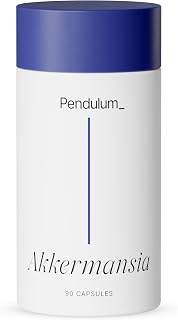
- Pendulum Akkermansia
delayed-release capsules, 100M AFU: Live A. muciniphila strain (WB-STR-0001); single-strain with chicory inulin, third-party tested. - Codeage Akkermansia Muciniphila
capsules, 100M AFU, 90 ct: Lower-cost Akkermansia plus chicory inulin synbiotic; 3-month supply, gluten-free. - Double Wood Akkermansia Probiotic + Postbiotic
capsules, per label: Budget Akkermansia option marketed around GLP-1 and postbiotic support.
As an Amazon Associate we earn from qualifying purchases. Akkermansia is a live, oxygen-sensitive strain: choose a delayed-release, third-party-tested product with a stated live AFU count.
A Note on the Evidence
The majority of mechanistic evidence reviewed here comes from mouse models, and human clinical trials specifically examining Akkermansia recovery following antibiotic treatment remain limited; findings should not be treated as established medical guidance. No supplement (including pasteurized Akkermansia, shilajit, or any probiotic) is FDA-approved to treat, prevent, or cure any disease, and immunocompromised individuals, those on immunosuppressive therapy, and people with active inflammatory bowel disease should consult a qualified healthcare provider before beginning any probiotic or gut-health supplement regimen.


Frequently Asked Questions
Do all antibiotics deplete Akkermansia equally?
No. In one small inpatient study oral vancomycin was followed by an increase in A. muciniphila, while antibiotic use was associated with low Akkermansia in cancer patients, so effects appear to differ by antibiotic. Individual baseline microbiome composition also shapes the response [9][8].
How long does Akkermansia take to recover after antibiotics?
Recovery timelines vary considerably by individual. Some research suggests the broader gut microbiome may take weeks to months to partially recover, and some individuals may not return to pre-antibiotic microbial composition without active dietary support. There is no established clinical standard for Akkermansia-specific recovery time in humans.
Can antibiotic-related Akkermansia loss affect mood?
Animal research suggests it may. Amuc_1100 supplementation alleviated antibiotic-induced anxiety- and depression-like behaviors in mice [1], and the same protein has been shown to promote intestinal serotonin biosynthesis via TLR2 signaling in rodent models [2]. Human clinical evidence for this specific connection has not yet been established.
Should I take a probiotic during antibiotics to protect Akkermansia?
No probiotic is currently approved specifically to protect Akkermansia during antibiotic treatment. General guidance suggests spacing probiotic doses from antibiotic doses by at least two hours to reduce direct contact, but this does not prevent the broader ecological disruption the antibiotic course creates. Maintaining a polyphenol- and fiber-rich diet throughout and after treatment is a more practical and evidence-adjacent approach.
Is pasteurized Akkermansia supplementation safe after antibiotics?
Pasteurized Akkermansia formulations have been studied in human trials for cardiometabolic endpoints, and adverse events were balanced with placebo in a 142-adult trial, but no trial in the verified research tested them after antibiotics. In mice, giving Akkermansia after antibiotics worsened colitis-associated colorectal cancer, and the authors advised caution. No Akkermansia supplement is FDA-approved to treat or prevent any condition. People who are immunocompromised, taking immunosuppressive medications, or managing active inflammatory bowel disease should consult a qualified physician before using any probiotic or Akkermansia supplement [16][3].
Could Akkermansia loss from antibiotics affect the lungs or respiratory immunity?
A mouse study found that the plant compound baicalein enriched Akkermansia muciniphila and eased allergic asthma inflammation. Whether Akkermansia-specific depletion from antibiotic treatment meaningfully affects respiratory outcomes in humans has not been directly studied, and conclusions should not be drawn from animal data alone [6].
References
- Sun Y et al. Outer membrane protein Amuc_1100 of Akkermansia muciniphila alleviates antibiotic-induced anxiety and depression-like behavior in mice. Physiology & behavior (2023). PMID 36336146
- Wang J et al. The outer membrane protein Amuc_1100 of Akkermansia muciniphila promotes intestinal 5-HT biosynthesis and extracellular availability through TLR2 signalling. Food & function (2021). PMID 33900345
- Wang K et al. The negative effect of Akkermansia muciniphila-mediated post-antibiotic reconstitution of the gut microbiota on the development of colitis-associated colorectal cancer in mice. Frontiers in microbiology (2022). PMID 36312913
- Chen T et al. Akkermansia muciniphila Protects Against Psychological Disorder-Induced Gut Microbiota-Mediated Colonic Mucosal Barrier Damage and Aggravation of Colitis. Frontiers in cellular and infection microbiology (2021). PMID 34722332
- Joshi R et al. Gut-brain axis and post-operative cognitive dysfunction: A multifactorial perspective on microbiota, inflammation, and cognitive health. World journal of gastrointestinal pharmacology and therapeutics (2026). PMID 41809212
- Lu Y et al. Baicalein mitigates epithelial barrier impairment and microbiota dysbiosis in allergic asthmatic mice via the gut‑lung axis. Chinese medicine (2026). PMID 42169007
- Derrien M et al. The Mucin degrader Akkermansia muciniphila is an abundant resident of the human intestinal tract. Applied and environmental microbiology (2008). PMID 18083887
- Vancheswaran Gopalakrishnan et al. Gut microbiome modulates response to anti-PD-1 immunotherapy in melanoma patients. Science (2017). PMID 29097493
- Basolo A et al. Effects of underfeeding and oral vancomycin on gut microbiome and nutrient absorption in humans. Nature medicine (2020). PMID 32235930
- Sanne Verhoog et al. Dietary Factors and Modulation of Bacteria Strains of Akkermansia muciniphila and Faecalibacterium prausnitzii: A Systematic Review. Nutrients (2019). PMID 31336737
- Fernando F. Anhê et al. A polyphenol-rich cranberry extract protects from diet-induced obesity, insulin resistance and intestinal inflammation in association with increased Akkermansia spp. population in the gut microbiota of mice. Gut (2014). PMID 25080446
- Gurley BJ et al. Decaffeinated Green Tea Extract Does Not Elicit Hepatotoxic Effects and Modulates the Gut Microbiome in Lean B6C3F₁ Mice. Nutrients (2019). PMID 30987244
- Ouyang J et al. The Bacterium Akkermansia muciniphila: A Sentinel for Gut Permeability and Its Relevance to HIV-Related Inflammation. Frontiers in immunology (2020). PMID 32328074
- Ojetti V et al. Efficacy of inulin supplementation in metabolic control and Akkermansia muciniphila levels in subjects with type 1 diabetes: a pilot study. European review for medical and pharmacological sciences (2026). PMID 41636295
- Pan Z et al. Citrus Pectin Supplementation Alleviated Hepatic Lipid Accumulation through Gut Microbiota Indole Lactic Acid Promoting Hepatic Bile Acid Synthesis and Excretion. International journal of biological sciences (2025). PMID 40860180
- Suenaert P et al. Effect of pasteurized Akkermansia muciniphila MucT on insulin sensitivity, body composition, and GLP-1 production in subjects with metabolic syndrome: impact of low baseline gut Akkermansia levels. Gut microbes (2026). PMID 42343233
- Derosa L et al. Gut Bacteria Composition Drives Primary Resistance to Cancer Immunotherapy in Renal Cell Carcinoma Patients. European urology (2020). PMID 32376136
These statements have not been evaluated by the Food and Drug Administration. This information is not intended to diagnose, treat, cure, or prevent any disease. Content is for informational purposes only and is not medical advice; consult a qualified healthcare provider before starting any supplement. As an Amazon Associate we earn from qualifying purchases.