Akkermansia muciniphila is a gram-negative bacterium that lives in the mucus layer coating your intestinal wall. In a healthy adult gut it typically accounts for roughly one to four percent of the total microbial community, making it one of the more consistently abundant species researchers encounter. Its unusual position — feeding directly on the mucin glycoproteins that form intestinal mucus — has drawn considerable scientific attention, and low levels of this organism turn up repeatedly in people with obesity, type 2 diabetes, and metabolic liver conditions.
Research into Akkermansia is still maturing. A meaningful portion of the mechanistic evidence comes from animal studies or small human trials, and associations between Akkermansia abundance and health outcomes do not by themselves establish cause and effect. This article explains what the bacterium does in the gut, the proposed pathways through which it may influence metabolism and barrier function, and what current evidence — including studies on dietary polyphenols — says about maintaining its populations. Nothing here constitutes medical advice.
Key Takeaways
- Akkermansia muciniphila inhabits the intestinal mucus layer and comprises roughly 1–4% of a healthy gut microbiome, where it is proposed to strengthen barrier integrity and influence metabolic signaling.
- Low Akkermansia abundance is consistently observed in obesity, type 2 diabetes, metabolic liver disease, and high-fat dietary patterns, though the causal direction is not fully established.
- Pomegranate ellagitannins have direct in vivo evidence for stimulating Akkermansia growth, making polyphenol-rich whole foods a reasonable dietary priority for microbiome support [1].
- Impaired capacity to metabolize dietary polyphenols — a function linked to Akkermansia-supporting communities — has been documented in adults with prediabetes, suggesting a two-way relationship between metabolic health and microbiome function [2].
- Akkermansia supplements are not FDA-approved to treat any condition; evidence in humans is early, and immunocompromised individuals should consult a physician before use.
What Is Akkermansia muciniphila and Where Does It Live?
Akkermansia muciniphila belongs to the phylum Verrucomicrobia, a lineage uncommon in nature but disproportionately well represented in the human intestine. First isolated and characterized in 2004, it colonizes the mucus layer that sits between the epithelial cell surface and the gut lumen — a location that places it at a critical interface between the microbial world and the body’s own tissue.
Unlike the majority of colonic bacteria that depend on dietary fiber as their primary carbon source, Akkermansia derives energy by breaking down mucin, the glycoprotein scaffold of intestinal mucus. This relationship is not simply destructive. Current thinking holds that controlled mucin degradation stimulates the host epithelium to upregulate mucus production, effectively keeping the layer thick and continuously renewed. The bacterium’s ecological niche therefore depends on — and may reinforce — the very structure it inhabits.
Proposed Roles in Gut Barrier Integrity and Metabolic Signaling
Several mechanistic pathways have been proposed to explain why higher Akkermansia abundance associates with better metabolic outcomes in observational studies. One involves Amuc_1100, an outer membrane protein that is thought to interact with intestinal toll-like receptor 2 (TLR2), a signaling pathway linked to tight-junction reinforcement. Tight junctions are the protein complexes sealing the spaces between epithelial cells; their disruption, sometimes called increased intestinal permeability, is associated with low-grade systemic inflammation and metabolic dysregulation.
A second proposed mechanism involves short-chain fatty acids and other metabolites produced during mucin fermentation, which may supply energy to the colonocytes lining the gut wall. A third line of evidence — from early human trials — suggests that Akkermansia supplementation may influence glucagon-like peptide-1 (GLP-1) secretion and improve markers of insulin sensitivity and fasting glucose. These findings are preliminary, and Akkermansia supplements are not approved by the FDA to treat or prevent any disease.
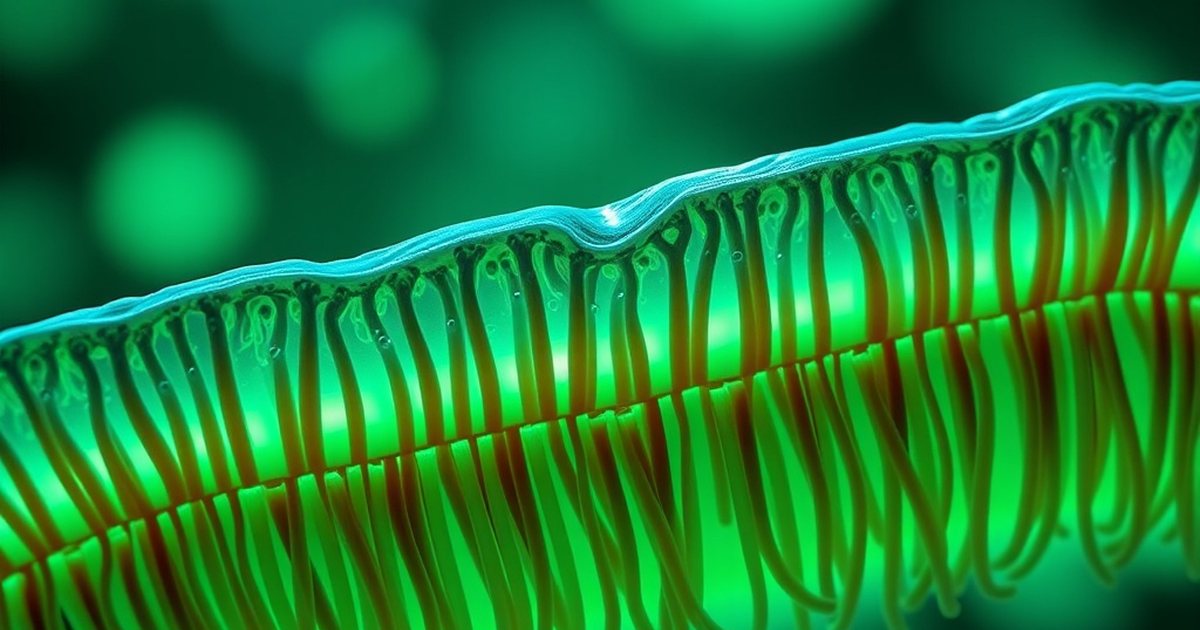
Akkermansia-associated microbial communities are also connected to liver health through what researchers call the gut-microbiota-liver axis. Studies examining urolithin A — a metabolite produced when gut bacteria process ellagitannins from foods like pomegranate — have found it to have effects on this axis in preclinical models of chronic liver disease [5]. Separately, research on obacunone, a dietary limonoid, has pointed to gut-liver crosstalk as a route through which microbiome composition influences metabolic-associated fatty liver disease [6], underscoring the broader theme that Akkermansia-supporting communities may matter beyond the intestine itself.
Why Akkermansia Levels Decline
Akkermansia abundance is not fixed throughout life. It shifts in response to diet, medications, aging, and underlying health status, and several categories of decline are reasonably well characterized. Antibiotic courses represent the most acute cause: broad-spectrum antibiotics disrupt the entire microbial community, and Akkermansia populations can take weeks to recover. Because the bacterium occupies a specialized position in the mucus layer rather than the lumen, recolonization after antibiotic disruption may be slower than for some other species.
Diet quality is an equally important driver. High-fat, high-sugar, and highly processed dietary patterns are consistently associated with lower Akkermansia levels across population studies. One proposed mechanism is that such diets thin the intestinal mucus layer, shrinking the ecological niche the bacterium depends on. A parallel mechanism involves the reduced intake of dietary polyphenols; research on adults with prediabetes has shown that the gut microbiome’s capacity to metabolize bioactive polyphenols — a function that overlaps with Akkermansia-supporting communities — is significantly impaired compared with metabolically healthy individuals [2].
Age is a third factor. Akkermansia abundance tends to decline as part of broader gut microbiome shifts in older adults, often alongside increasing intestinal permeability and low-grade inflammation. Obesity, type 2 diabetes, non-alcoholic fatty liver disease, and several inflammatory conditions are each independently associated with lower Akkermansia levels in cross-sectional data, though the directional relationship — whether the microbial decline precedes or follows metabolic dysfunction — has not been definitively established in humans.
Polyphenols, Ellagitannins, and Akkermansia: A Dietary Connection
Among dietary interventions studied for their effect on Akkermansia, the strongest direct evidence centers on ellagitannins — a class of polyphenols concentrated in pomegranates, walnuts, and raspberries. In a direct in vivo study, pomegranate ellagitannins were shown to stimulate the growth of Akkermansia muciniphila [1]. This is a notable finding because it identifies a specific, measurable mechanism by which a commonly available food can influence the abundance of this organism. A broader review of evidence on pomegranate and gut microbiota confirmed that pomegranate consumption has meaningful effects on microbial composition and activity [4].
Ellagic acid, the precursor released when ellagitannins are hydrolyzed in the gut, has also been studied in the context of aging and microbiome composition. Research in aging rats demonstrated that ellagic acid supplementation altered gut microbiota structure and enhanced urolithin A production [3] — a downstream metabolite whose generation depends in part on the kinds of microbial communities that Akkermansia inhabits. This suggests that polyphenol-rich whole foods may help maintain the ecological conditions in which Akkermansia thrives, rather than acting solely as direct growth stimulants.
The practical implication is that a diet regularly including pomegranate, walnuts, berries, and other ellagitannin-containing foods may support Akkermansia-favorable microbial communities. Individual responses vary considerably based on existing microbiome composition, and no single food or supplement is established to reliably raise Akkermansia levels in all people.
Urolithin A as a Marker of Akkermansia-Supporting Microbial Activity
Urolithin A has emerged as a useful functional readout for the activity of ellagitannin-metabolizing gut bacterial communities, which include and are supported by Akkermansia muciniphila. The conversion of dietary ellagitannins to urolithin A requires a chain of bacterial enzymatic steps, and the capacity to complete this conversion varies significantly between individuals based on their microbiome composition. People consuming low-polyphenol diets or experiencing gut dysbiosis tend to be poor urolithin A producers.
In prediabetic adults, impaired capacity to metabolize bioactive polyphenols points to a functional deficit in these microbial communities [2]. This creates a plausible cycle: metabolic dysfunction impairs the gut microbiome, which reduces urolithin A output and the benefits associated with it, which may in turn worsen metabolic outcomes. Urolithin A has also been studied as an active compound in the context of chronic alcohol-related liver disease, where it modulated the gut-microbiota-liver axis in preclinical models [5], further connecting Akkermansia-associated microbial activity to organ-level outcomes.
Supporting Akkermansia Through Lifestyle and Diet: What Is Currently Known
The clearest single dietary strategy with direct evidence is consumption of pomegranate and foods containing ellagitannins. The demonstration that pomegranate ellagitannins stimulate Akkermansia growth in vivo [1], combined with evidence of broader microbiome-supportive effects from pomegranate [4] and ellagic acid [3], points toward this food group as particularly relevant. Regular consumption of polyphenol-rich plants — including berries, walnuts, green tea, and vegetables — is associated more generally with greater microbiome diversity, which benefits Akkermansia by preserving the ecological balance it depends on.
Beyond diet, avoiding unnecessary antibiotic use, maintaining adequate sleep, managing chronic psychological stress, and engaging in regular physical activity are all associated with healthier overall microbiome composition. Commercially available pasteurized Akkermansia supplements have been assessed in some human trials and have shown a generally acceptable safety profile in healthy and overweight populations, though long-term, large-scale data are limited. Live probiotic formulations carry additional considerations discussed in the caution below. Dietary strategies to support a polyphenol-rich, diverse-food pattern represent the most evidence-consistent approach available to most people at this stage of research.
🛒 Where to Buy Akkermansia muciniphila
- Pendulum AkkermansiaLab-tested / studied
delayed-release capsules, 100M AFU — The only patented live A. muciniphila strain (WB-STR-0001); single-strain with chicory inulin, third-party tested. - Codeage Akkermansia Muciniphila
capsules, 100M AFU, 90 ct — Lower-cost Akkermansia plus chicory inulin synbiotic; 3-month supply, gluten-free. - Double Wood Akkermansia Probiotic + Postbiotic
capsules, per label — Budget Akkermansia option marketed around GLP-1 and postbiotic support.
As an Amazon Associate we earn from qualifying purchases. Akkermansia is a live, oxygen-sensitive strain — choose a delayed-release, third-party-tested product with a stated live AFU count.
A Note on the Evidence
The human evidence base for Akkermansia muciniphila is still limited primarily to small-scale trials and observational data; a significant proportion of mechanistic findings come from animal models, and causal conclusions cannot yet be drawn. Live Akkermansia probiotic formulations are not appropriate for immunocompromised individuals, those receiving immunosuppressive medications, or anyone with active inflammatory bowel disease without prior consultation with a qualified healthcare provider.
Frequently Asked Questions
What does Akkermansia muciniphila actually do in the gut?
It degrades mucin glycoproteins in the intestinal mucus layer for energy while stimulating the host to continuously renew that layer. It is also proposed to reinforce tight junctions between epithelial cells via its outer membrane protein Amuc_1100, and early human trial data suggest it may influence GLP-1 secretion and insulin sensitivity — though these mechanisms have not been confirmed in large clinical trials.
Why would someone have low Akkermansia levels?
Common causes include antibiotic courses, diets high in ultra-processed foods and low in dietary polyphenols, older age, obesity, and metabolic conditions such as type 2 diabetes. Adults with prediabetes have been found to have significantly impaired capacity to metabolize bioactive polyphenols via their gut microbiome [2], reflecting a broader functional deficit in these communities.
Can eating pomegranate raise Akkermansia levels?
Pomegranate ellagitannins have been shown in a direct in vivo study to stimulate Akkermansia muciniphila growth [1], and broader evidence supports pomegranate’s positive effects on gut microbiota composition [4]. Regular consumption is a reasonable dietary strategy, though individual responses vary based on pre-existing microbiome composition and overall diet quality.
What is urolithin A and how does it connect to Akkermansia?
Urolithin A is a metabolite formed when gut bacteria convert ellagitannins from foods like pomegranate. The microbial community capable of completing this conversion overlaps with communities that Akkermansia inhabits and supports. Urolithin A has shown effects on the gut-microbiota-liver axis in preclinical liver disease models [5], and reduced urolithin A production in metabolically impaired individuals [2] may partly reflect impaired Akkermansia-linked bacterial activity.
Is aging an important factor in Akkermansia decline?
Yes. Akkermansia abundance tends to be highest in younger adults and typically falls as part of broader gut microbiome changes in older age, often alongside increases in intestinal permeability and low-grade inflammation. Research on ellagic acid supplementation in aging rats showed it could modify gut microbiota composition and improve urolithin A-producing capacity [3], suggesting dietary polyphenols may be particularly relevant for maintaining Akkermansia-supporting communities as people age.
Are Akkermansia supplements safe to take?
Pasteurized Akkermansia preparations have been assessed in small human studies with a generally acceptable safety profile in healthy and overweight adults. However, live probiotic formulations may carry risk for immunocompromised individuals, those on immunosuppressive therapy, or people with active inflammatory bowel disease. Akkermansia supplements are not FDA-approved to treat, cure, or prevent any disease, and a healthcare provider should be consulted before starting any probiotic supplement.
References
- Henning SM et al. Pomegranate ellagitannins stimulate the growth of Akkermansia muciniphila in vivo. Anaerobe (2017). PMID 27940244
- Zhang X et al. Functional Deficits in Gut Microbiome of Young and Middle-Aged Adults with Prediabetes Apparent in Metabolizing Bioactive (Poly)phenols. Nutrients (2020). PMID 33238618
- Xian W et al. Ameliorative Effect of Ellagic Acid on Aging in Rats with the Potential Mechanism Relying on the Gut Microbiota and Urolithin A-Producing Ability. Journal of agricultural and food chemistry (2023). PMID 37132992
- Yin Y et al. Crosstalk between dietary pomegranate and gut microbiota: evidence of health benefits. Critical reviews in food science and nutrition (2024). PMID 37335106
- Zhang H et al. MUP1 mediates urolithin A alleviation of chronic alcohol-related liver disease via gut-microbiota-liver axis. Gut microbes (2024). PMID 38889450
- Wang X et al. Obacunone ameliorates high-fat diet-induced MAFLD by regulating the PPARγ-FABP1/CD36 axis and the gut-liver crosstalk. Phytomedicine : international journal of phytotherapy and phytopharmacology (2025). PMID 40850071
These statements have not been evaluated by the Food and Drug Administration. This information is not intended to diagnose, treat, cure, or prevent any disease. Content is for informational purposes only and is not medical advice; consult a qualified healthcare provider before starting any supplement. As an Amazon Associate we earn from qualifying purchases.