- The most common real-world complaint isn’t harm, it’s “I noticed no difference at all”[1]
- Independent reviewers note there’s currently a lack of clinical research confirming safety, efficacy, and optimal dosing[2]
- A critical scientific review flags specific risk populations: IBD, PCOS, endometriosis, and Parkinson’s/MS patients should have supplementation critically evaluated[3]
- Effects appear diet-dependent — Akkermansia may compromise the gut mucus barrier when combined with a low-fiber diet[4]
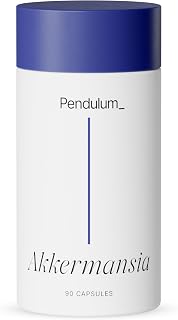
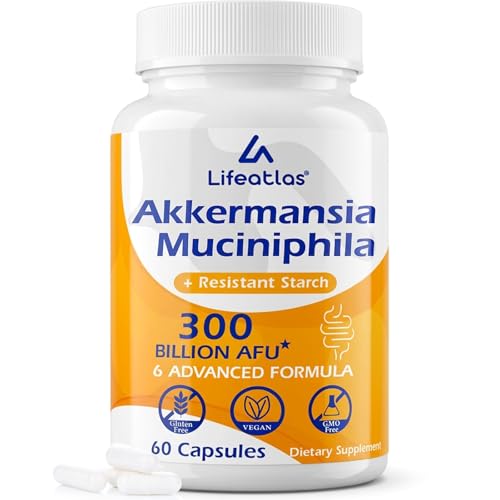
Akkermansia muciniphila is marketed as a next-generation “keystone” probiotic tied to metabolic and gut-barrier health. The negative-review picture here is unusually well-documented in the scientific literature compared to most supplement categories — not because the bacterium is dangerous for most people, but because the evidence for benefit is thinner than the marketing suggests, and there are real, specific populations flagged for caution.
The Most Common Complaint: No Noticeable Effect
Real consumer reviews on retail platforms show a genuine split. Some report dramatic improvement (“this product has saved my life… improves immunity and regulates metabolism”), while others report nothing at all: “I cannot recommend this probiotic because I did not notice any difference at all from taking it. Nothing negative”[1]. That second pattern — no harm, but no benefit either — is the single most common negative signal in this category.
The Evidence Gap Behind the Marketing
Independent reviewers are consistent on this point. Examine.com notes that supplementing with A. muciniphila is a novel concept, and there’s currently a lack of clinical research confirming its safety, efficacy, or optimal dosage and form[2]. ConsumerLab similarly found little to no clinical research demonstrating benefit for the conditions it’s marketed for, with results “modest at best”[2].
Specific Populations Flagged for Caution
A critical scientific review went further than the usual “talk to your doctor” boilerplate, identifying concrete risk scenarios: in certain intestinal microenvironments, excessive Akkermansia enrichment may not be beneficial, and conditions including inflammatory bowel disease (IBD), Salmonella infection, or post-antibiotic gut reconstitution may not benefit from supplementation[3]. The same review specifically cautioned patients with polycystic ovary syndrome (PCOS) or endometriosis, given their elevated IBD risk, and noted a neurological signal: the gut microbiota of Parkinson’s disease and multiple sclerosis patients shows a characteristic Akkermansia abundance pattern worth evaluating before supplementing[3].
The Diet Interaction Nobody Mentions on the Label
One health analysis highlighted that Akkermansia’s effects depend heavily on background diet — it appears more likely to compromise the gut’s protective mucus barrier when combined with a low-fiber diet, with high sugar and high heme iron intake also linked to increased mucus-breakdown risk in animal studies[4]. That means the exact same supplement could behave differently depending on what else is on your plate, a nuance rarely disclosed on product packaging.
The Reassuring Counterpoint
To be fair to the ingredient: in the human studies conducted so far, both live and pasteurized Akkermansia were well tolerated over three months, with side-effect rates similar to placebo[2]. Long-term safety data remains limited, and pregnant, breastfeeding, immunocompromised, or seriously ill individuals are advised to be cautious and consult a doctor first[2].

FAQ
Does Akkermansia muciniphila actually work?
Evidence is thin. Independent reviewers note a lack of clinical research confirming efficacy, and real user reviews are genuinely split between strong results and none at all[1][2].
Who should avoid Akkermansia supplements?
Research flags people with IBD, PCOS, endometriosis, Parkinson’s disease, or MS for critical evaluation before use, along with anyone pregnant, breastfeeding, or immunocompromised[3][2].
Does diet affect how Akkermansia supplements work?
Yes — a low-fiber diet combined with Akkermansia may compromise the gut mucus barrier rather than support it[4].
References
- Walmart Customer Reviews. Akkermansia Muciniphila Probiotics for Digestive Health. www.walmart.com/reviews/product/5022827949…
- ConsumerLab / Examine. Akkermansia muciniphila: Safety and Health Benefits. www.consumerlab.com/answers/akkermansia-mucin…
- PubMed. A Critical Perspective on the Supplementation of Akkermansia muciniphila: Benefits and Harms. pubmed.ncbi.nlm.nih.gov/37374030/…
- HealthyMag. Akkermansia muciniphila: Should You Take This ‘Next-Generation’ Probiotic?. healthymag.org/2026/07/11/akkermansia-mucinip…
These statements have not been evaluated by the Food and Drug Administration. This information is not intended to diagnose, treat, cure, or prevent any disease. Content is for informational purposes only and is not medical advice; consult a qualified healthcare provider before starting any supplement. As an Amazon Associate we earn from qualifying purchases.