Best Akkermansia muciniphila Supplements: Ranked and Reviewed (2026)

When searching for Akkermansia muciniphila supplements online, particularly through platforms like Amazon, it is crucial to use specific search terms to filter for reputable products. Focus your search on key product attributes rather than just brand names.

Found this useful? Send it to someone who needs it.

Look for products described as “pasteurized Akkermansia muciniphila postbiotic” to ensure you are selecting a formulation consistent with clinical research. Another useful search term is “gut barrier probiotic Akkermansia”, which highlights products targeting the specific mechanism of strengthening the intestinal lining. Additionally, consider searching for “metabolic health Akkermansia supplement” to find products that emphasize the broader metabolic benefits discussed.

Frequently Asked Questions (FAQ)

Q: How long does it take to see results from Akkermansia supplementation?

A: The timeline for observing benefits can vary among individuals. Clinical studies have typically shown improvements in metabolic markers after 8-12 weeks of consistent daily supplementation. However, subjective improvements in gut comfort or energy levels might be noticed sooner.

Q: Are there any side effects associated with Akkermansia?

A: In human clinical trials, pasteurized Akkermansia muciniphila has been generally well-tolerated with no serious adverse events reported. Some individuals might experience mild gastrointestinal discomfort, such as bloating or gas, when first starting supplementation, which typically subsides as the gut adapts.

Q: Can I take Akkermansia with my current medications, including GLP-1 agonists?

A: While Akkermansia is generally considered safe, it is always advisable to consult with your healthcare provider before starting any new supplement, especially if you are taking prescription medications, including GLP-1 receptor agonists. Your doctor can provide personalized advice based on your health status and medication regimen.

Q: Does diet affect Akkermansia levels in the gut?

A: Yes, diet plays a significant role. A diet rich in plant-based fibers, prebiotics, and polyphenols (found in fruits like cranberries and pomegranates) can naturally support and increase the abundance of Akkermansia muciniphila in the gut, even without supplementation.

Q: Is live Akkermansia better than pasteurized Akkermansia?

A: Currently, the strongest human clinical evidence for metabolic benefits comes from studies using pasteurized (heat-killed) Akkermansia muciniphila. While live probiotics are effective for many other strains, the challenges in culturing and stabilizing live Akkermansia for oral supplements mean that pasteurized forms are currently the most reliable based on existing research.

Q: Can Akkermansia help with weight loss?

A: Some human clinical trials have shown modest reductions in body weight and fat mass in overweight and obese individuals supplementing with pasteurized Akkermansia muciniphila. These effects are often attributed to improvements in gut barrier function, reduced inflammation, and enhanced metabolic parameters. However, it should be considered a supportive measure alongside diet and exercise.

These statements have not been evaluated by the FDA. This product is not intended to diagnose, treat, cure, or prevent any disease.

Regular physical activity, adequate sleep, and stress management are all well-established pillars of metabolic health. Akkermansia supplementation may act synergistically with these lifestyle interventions, potentially amplifying their benefits. For individuals managing conditions like type 2 diabetes or obesity, Akkermansia might offer an additional layer of support alongside conventional medical treatments, including GLP-1 receptor agonists, under the guidance of a healthcare professional.

Where to Find Quality Akkermansia Supplements

When searching for Akkermansia muciniphila supplements online, particularly through platforms like Amazon, it is crucial to use specific search terms to filter for reputable products. Focus your search on key product attributes rather than just brand names.

Look for products described as “pasteurized Akkermansia muciniphila postbiotic” to ensure you are selecting a formulation consistent with clinical research. Another useful search term is “gut barrier probiotic Akkermansia”, which highlights products targeting the specific mechanism of strengthening the intestinal lining. Additionally, consider searching for “metabolic health Akkermansia supplement” to find products that emphasize the broader metabolic benefits discussed.

Frequently Asked Questions (FAQ)

Q: How long does it take to see results from Akkermansia supplementation?

A: The timeline for observing benefits can vary among individuals. Clinical studies have typically shown improvements in metabolic markers after 8-12 weeks of consistent daily supplementation. However, subjective improvements in gut comfort or energy levels might be noticed sooner.

Q: Are there any side effects associated with Akkermansia?

A: In human clinical trials, pasteurized Akkermansia muciniphila has been generally well-tolerated with no serious adverse events reported. Some individuals might experience mild gastrointestinal discomfort, such as bloating or gas, when first starting supplementation, which typically subsides as the gut adapts.

Q: Can I take Akkermansia with my current medications, including GLP-1 agonists?

A: While Akkermansia is generally considered safe, it is always advisable to consult with your healthcare provider before starting any new supplement, especially if you are taking prescription medications, including GLP-1 receptor agonists. Your doctor can provide personalized advice based on your health status and medication regimen.

Q: Does diet affect Akkermansia levels in the gut?

A: Yes, diet plays a significant role. A diet rich in plant-based fibers, prebiotics, and polyphenols (found in fruits like cranberries and pomegranates) can naturally support and increase the abundance of Akkermansia muciniphila in the gut, even without supplementation.

Q: Is live Akkermansia better than pasteurized Akkermansia?

A: Currently, the strongest human clinical evidence for metabolic benefits comes from studies using pasteurized (heat-killed) Akkermansia muciniphila. While live probiotics are effective for many other strains, the challenges in culturing and stabilizing live Akkermansia for oral supplements mean that pasteurized forms are currently the most reliable based on existing research.

Q: Can Akkermansia help with weight loss?

A: Some human clinical trials have shown modest reductions in body weight and fat mass in overweight and obese individuals supplementing with pasteurized Akkermansia muciniphila. These effects are often attributed to improvements in gut barrier function, reduced inflammation, and enhanced metabolic parameters. However, it should be considered a supportive measure alongside diet and exercise.

These statements have not been evaluated by the FDA. This product is not intended to diagnose, treat, cure, or prevent any disease.

Even if you are supplementing with Akkermansia, consuming a diet rich in prebiotics can help foster its natural growth and activity within your gut. Foods high in polyphenols, such as cranberries, grapes, and pomegranates, have been shown to positively influence Akkermansia populations. Dietary fibers, particularly those found in fruits, vegetables, and whole grains, also contribute to a diverse and healthy gut microbiome, which can indirectly support Akkermansia.

Complementary Strategies

Regular physical activity, adequate sleep, and stress management are all well-established pillars of metabolic health. Akkermansia supplementation may act synergistically with these lifestyle interventions, potentially amplifying their benefits. For individuals managing conditions like type 2 diabetes or obesity, Akkermansia might offer an additional layer of support alongside conventional medical treatments, including GLP-1 receptor agonists, under the guidance of a healthcare professional.

Where to Find Quality Akkermansia Supplements

When searching for Akkermansia muciniphila supplements online, particularly through platforms like Amazon, it is crucial to use specific search terms to filter for reputable products. Focus your search on key product attributes rather than just brand names.

Look for products described as “pasteurized Akkermansia muciniphila postbiotic” to ensure you are selecting a formulation consistent with clinical research. Another useful search term is “gut barrier probiotic Akkermansia”, which highlights products targeting the specific mechanism of strengthening the intestinal lining. Additionally, consider searching for “metabolic health Akkermansia supplement” to find products that emphasize the broader metabolic benefits discussed.

Frequently Asked Questions (FAQ)

Q: How long does it take to see results from Akkermansia supplementation?

A: The timeline for observing benefits can vary among individuals. Clinical studies have typically shown improvements in metabolic markers after 8-12 weeks of consistent daily supplementation. However, subjective improvements in gut comfort or energy levels might be noticed sooner.

Q: Are there any side effects associated with Akkermansia?

A: In human clinical trials, pasteurized Akkermansia muciniphila has been generally well-tolerated with no serious adverse events reported. Some individuals might experience mild gastrointestinal discomfort, such as bloating or gas, when first starting supplementation, which typically subsides as the gut adapts.

Q: Can I take Akkermansia with my current medications, including GLP-1 agonists?

A: While Akkermansia is generally considered safe, it is always advisable to consult with your healthcare provider before starting any new supplement, especially if you are taking prescription medications, including GLP-1 receptor agonists. Your doctor can provide personalized advice based on your health status and medication regimen.

Q: Does diet affect Akkermansia levels in the gut?

A: Yes, diet plays a significant role. A diet rich in plant-based fibers, prebiotics, and polyphenols (found in fruits like cranberries and pomegranates) can naturally support and increase the abundance of Akkermansia muciniphila in the gut, even without supplementation.

Q: Is live Akkermansia better than pasteurized Akkermansia?

A: Currently, the strongest human clinical evidence for metabolic benefits comes from studies using pasteurized (heat-killed) Akkermansia muciniphila. While live probiotics are effective for many other strains, the challenges in culturing and stabilizing live Akkermansia for oral supplements mean that pasteurized forms are currently the most reliable based on existing research.

Q: Can Akkermansia help with weight loss?

A: Some human clinical trials have shown modest reductions in body weight and fat mass in overweight and obese individuals supplementing with pasteurized Akkermansia muciniphila. These effects are often attributed to improvements in gut barrier function, reduced inflammation, and enhanced metabolic parameters. However, it should be considered a supportive measure alongside diet and exercise.

These statements have not been evaluated by the FDA. This product is not intended to diagnose, treat, cure, or prevent any disease.

While Akkermansia muciniphila supplements show promise, they should be viewed as part of a holistic approach to metabolic health, not a standalone solution. Lifestyle factors remain foundational.

Dietary Support for Akkermansia

Even if you are supplementing with Akkermansia, consuming a diet rich in prebiotics can help foster its natural growth and activity within your gut. Foods high in polyphenols, such as cranberries, grapes, and pomegranates, have been shown to positively influence Akkermansia populations. Dietary fibers, particularly those found in fruits, vegetables, and whole grains, also contribute to a diverse and healthy gut microbiome, which can indirectly support Akkermansia.

Complementary Strategies

Regular physical activity, adequate sleep, and stress management are all well-established pillars of metabolic health. Akkermansia supplementation may act synergistically with these lifestyle interventions, potentially amplifying their benefits. For individuals managing conditions like type 2 diabetes or obesity, Akkermansia might offer an additional layer of support alongside conventional medical treatments, including GLP-1 receptor agonists, under the guidance of a healthcare professional.

Where to Find Quality Akkermansia Supplements

When searching for Akkermansia muciniphila supplements online, particularly through platforms like Amazon, it is crucial to use specific search terms to filter for reputable products. Focus your search on key product attributes rather than just brand names.

Look for products described as “pasteurized Akkermansia muciniphila postbiotic” to ensure you are selecting a formulation consistent with clinical research. Another useful search term is “gut barrier probiotic Akkermansia”, which highlights products targeting the specific mechanism of strengthening the intestinal lining. Additionally, consider searching for “metabolic health Akkermansia supplement” to find products that emphasize the broader metabolic benefits discussed.

Frequently Asked Questions (FAQ)

Q: How long does it take to see results from Akkermansia supplementation?

A: The timeline for observing benefits can vary among individuals. Clinical studies have typically shown improvements in metabolic markers after 8-12 weeks of consistent daily supplementation. However, subjective improvements in gut comfort or energy levels might be noticed sooner.

Q: Are there any side effects associated with Akkermansia?

A: In human clinical trials, pasteurized Akkermansia muciniphila has been generally well-tolerated with no serious adverse events reported. Some individuals might experience mild gastrointestinal discomfort, such as bloating or gas, when first starting supplementation, which typically subsides as the gut adapts.

Q: Can I take Akkermansia with my current medications, including GLP-1 agonists?

A: While Akkermansia is generally considered safe, it is always advisable to consult with your healthcare provider before starting any new supplement, especially if you are taking prescription medications, including GLP-1 receptor agonists. Your doctor can provide personalized advice based on your health status and medication regimen.

Q: Does diet affect Akkermansia levels in the gut?

A: Yes, diet plays a significant role. A diet rich in plant-based fibers, prebiotics, and polyphenols (found in fruits like cranberries and pomegranates) can naturally support and increase the abundance of Akkermansia muciniphila in the gut, even without supplementation.

Q: Is live Akkermansia better than pasteurized Akkermansia?

A: Currently, the strongest human clinical evidence for metabolic benefits comes from studies using pasteurized (heat-killed) Akkermansia muciniphila. While live probiotics are effective for many other strains, the challenges in culturing and stabilizing live Akkermansia for oral supplements mean that pasteurized forms are currently the most reliable based on existing research.

Q: Can Akkermansia help with weight loss?

A: Some human clinical trials have shown modest reductions in body weight and fat mass in overweight and obese individuals supplementing with pasteurized Akkermansia muciniphila. These effects are often attributed to improvements in gut barrier function, reduced inflammation, and enhanced metabolic parameters. However, it should be considered a supportive measure alongside diet and exercise.

These statements have not been evaluated by the FDA. This product is not intended to diagnose, treat, cure, or prevent any disease.

Mid-tier products may offer pasteurized Akkermansia but might have slightly lower dosages or less transparent sourcing. Some may also include live Akkermansia, where the stability and viability outside of controlled laboratory conditions remain a significant challenge for supplement manufacturers. While potentially beneficial, the evidence for their efficacy in a supplement format is still developing.

Emerging options often experiment with novel combinations, such as pairing Akkermansia with specific prebiotics known to nourish mucin-degrading bacteria, or with other probiotic strains. While innovative, these formulations require more independent research to substantiate their unique claims. Consumers should approach these with a critical eye, prioritizing products that clearly articulate their scientific rationale.

Integrating Akkermansia into Your Metabolic Health Strategy

While Akkermansia muciniphila supplements show promise, they should be viewed as part of a holistic approach to metabolic health, not a standalone solution. Lifestyle factors remain foundational.

Dietary Support for Akkermansia

Even if you are supplementing with Akkermansia, consuming a diet rich in prebiotics can help foster its natural growth and activity within your gut. Foods high in polyphenols, such as cranberries, grapes, and pomegranates, have been shown to positively influence Akkermansia populations. Dietary fibers, particularly those found in fruits, vegetables, and whole grains, also contribute to a diverse and healthy gut microbiome, which can indirectly support Akkermansia.

Complementary Strategies

Regular physical activity, adequate sleep, and stress management are all well-established pillars of metabolic health. Akkermansia supplementation may act synergistically with these lifestyle interventions, potentially amplifying their benefits. For individuals managing conditions like type 2 diabetes or obesity, Akkermansia might offer an additional layer of support alongside conventional medical treatments, including GLP-1 receptor agonists, under the guidance of a healthcare professional.

Where to Find Quality Akkermansia Supplements

When searching for Akkermansia muciniphila supplements online, particularly through platforms like Amazon, it is crucial to use specific search terms to filter for reputable products. Focus your search on key product attributes rather than just brand names.

Look for products described as “pasteurized Akkermansia muciniphila postbiotic” to ensure you are selecting a formulation consistent with clinical research. Another useful search term is “gut barrier probiotic Akkermansia”, which highlights products targeting the specific mechanism of strengthening the intestinal lining. Additionally, consider searching for “metabolic health Akkermansia supplement” to find products that emphasize the broader metabolic benefits discussed.

Frequently Asked Questions (FAQ)

Q: How long does it take to see results from Akkermansia supplementation?

A: The timeline for observing benefits can vary among individuals. Clinical studies have typically shown improvements in metabolic markers after 8-12 weeks of consistent daily supplementation. However, subjective improvements in gut comfort or energy levels might be noticed sooner.

Q: Are there any side effects associated with Akkermansia?

A: In human clinical trials, pasteurized Akkermansia muciniphila has been generally well-tolerated with no serious adverse events reported. Some individuals might experience mild gastrointestinal discomfort, such as bloating or gas, when first starting supplementation, which typically subsides as the gut adapts.

Q: Can I take Akkermansia with my current medications, including GLP-1 agonists?

A: While Akkermansia is generally considered safe, it is always advisable to consult with your healthcare provider before starting any new supplement, especially if you are taking prescription medications, including GLP-1 receptor agonists. Your doctor can provide personalized advice based on your health status and medication regimen.

Q: Does diet affect Akkermansia levels in the gut?

A: Yes, diet plays a significant role. A diet rich in plant-based fibers, prebiotics, and polyphenols (found in fruits like cranberries and pomegranates) can naturally support and increase the abundance of Akkermansia muciniphila in the gut, even without supplementation.

Q: Is live Akkermansia better than pasteurized Akkermansia?

A: Currently, the strongest human clinical evidence for metabolic benefits comes from studies using pasteurized (heat-killed) Akkermansia muciniphila. While live probiotics are effective for many other strains, the challenges in culturing and stabilizing live Akkermansia for oral supplements mean that pasteurized forms are currently the most reliable based on existing research.

Q: Can Akkermansia help with weight loss?

A: Some human clinical trials have shown modest reductions in body weight and fat mass in overweight and obese individuals supplementing with pasteurized Akkermansia muciniphila. These effects are often attributed to improvements in gut barrier function, reduced inflammation, and enhanced metabolic parameters. However, it should be considered a supportive measure alongside diet and exercise.

These statements have not been evaluated by the FDA. This product is not intended to diagnose, treat, cure, or prevent any disease.

Our top recommendations consistently feature pasteurized A. muciniphila at doses aligned with the successful human clinical trials. Brands that prioritize rigorous quality control, provide detailed Certificates of Analysis (COAs), and openly share their research affiliations stand out in this category. These products aim to deliver the specific bacterial components proven to modulate gut health and metabolic markers.

Mid-tier products may offer pasteurized Akkermansia but might have slightly lower dosages or less transparent sourcing. Some may also include live Akkermansia, where the stability and viability outside of controlled laboratory conditions remain a significant challenge for supplement manufacturers. While potentially beneficial, the evidence for their efficacy in a supplement format is still developing.

Emerging options often experiment with novel combinations, such as pairing Akkermansia with specific prebiotics known to nourish mucin-degrading bacteria, or with other probiotic strains. While innovative, these formulations require more independent research to substantiate their unique claims. Consumers should approach these with a critical eye, prioritizing products that clearly articulate their scientific rationale.

Integrating Akkermansia into Your Metabolic Health Strategy

While Akkermansia muciniphila supplements show promise, they should be viewed as part of a holistic approach to metabolic health, not a standalone solution. Lifestyle factors remain foundational.

Dietary Support for Akkermansia

Even if you are supplementing with Akkermansia, consuming a diet rich in prebiotics can help foster its natural growth and activity within your gut. Foods high in polyphenols, such as cranberries, grapes, and pomegranates, have been shown to positively influence Akkermansia populations. Dietary fibers, particularly those found in fruits, vegetables, and whole grains, also contribute to a diverse and healthy gut microbiome, which can indirectly support Akkermansia.

Complementary Strategies

Regular physical activity, adequate sleep, and stress management are all well-established pillars of metabolic health. Akkermansia supplementation may act synergistically with these lifestyle interventions, potentially amplifying their benefits. For individuals managing conditions like type 2 diabetes or obesity, Akkermansia might offer an additional layer of support alongside conventional medical treatments, including GLP-1 receptor agonists, under the guidance of a healthcare professional.

Where to Find Quality Akkermansia Supplements

When searching for Akkermansia muciniphila supplements online, particularly through platforms like Amazon, it is crucial to use specific search terms to filter for reputable products. Focus your search on key product attributes rather than just brand names.

Look for products described as “pasteurized Akkermansia muciniphila postbiotic” to ensure you are selecting a formulation consistent with clinical research. Another useful search term is “gut barrier probiotic Akkermansia”, which highlights products targeting the specific mechanism of strengthening the intestinal lining. Additionally, consider searching for “metabolic health Akkermansia supplement” to find products that emphasize the broader metabolic benefits discussed.

Frequently Asked Questions (FAQ)

Q: How long does it take to see results from Akkermansia supplementation?

A: The timeline for observing benefits can vary among individuals. Clinical studies have typically shown improvements in metabolic markers after 8-12 weeks of consistent daily supplementation. However, subjective improvements in gut comfort or energy levels might be noticed sooner.

Q: Are there any side effects associated with Akkermansia?

A: In human clinical trials, pasteurized Akkermansia muciniphila has been generally well-tolerated with no serious adverse events reported. Some individuals might experience mild gastrointestinal discomfort, such as bloating or gas, when first starting supplementation, which typically subsides as the gut adapts.

Q: Can I take Akkermansia with my current medications, including GLP-1 agonists?

A: While Akkermansia is generally considered safe, it is always advisable to consult with your healthcare provider before starting any new supplement, especially if you are taking prescription medications, including GLP-1 receptor agonists. Your doctor can provide personalized advice based on your health status and medication regimen.

Q: Does diet affect Akkermansia levels in the gut?

A: Yes, diet plays a significant role. A diet rich in plant-based fibers, prebiotics, and polyphenols (found in fruits like cranberries and pomegranates) can naturally support and increase the abundance of Akkermansia muciniphila in the gut, even without supplementation.

Q: Is live Akkermansia better than pasteurized Akkermansia?

A: Currently, the strongest human clinical evidence for metabolic benefits comes from studies using pasteurized (heat-killed) Akkermansia muciniphila. While live probiotics are effective for many other strains, the challenges in culturing and stabilizing live Akkermansia for oral supplements mean that pasteurized forms are currently the most reliable based on existing research.

Q: Can Akkermansia help with weight loss?

A: Some human clinical trials have shown modest reductions in body weight and fat mass in overweight and obese individuals supplementing with pasteurized Akkermansia muciniphila. These effects are often attributed to improvements in gut barrier function, reduced inflammation, and enhanced metabolic parameters. However, it should be considered a supportive measure alongside diet and exercise.

These statements have not been evaluated by the FDA. This product is not intended to diagnose, treat, cure, or prevent any disease.

Our top recommendations consistently feature pasteurized A. muciniphila at doses aligned with the successful human clinical trials. Brands that prioritize rigorous quality control, provide detailed Certificates of Analysis (COAs), and openly share their research affiliations stand out in this category. These products aim to deliver the specific bacterial components proven to modulate gut health and metabolic markers.

Mid-tier products may offer pasteurized Akkermansia but might have slightly lower dosages or less transparent sourcing. Some may also include live Akkermansia, where the stability and viability outside of controlled laboratory conditions remain a significant challenge for supplement manufacturers. While potentially beneficial, the evidence for their efficacy in a supplement format is still developing.

Emerging options often experiment with novel combinations, such as pairing Akkermansia with specific prebiotics known to nourish mucin-degrading bacteria, or with other probiotic strains. While innovative, these formulations require more independent research to substantiate their unique claims. Consumers should approach these with a critical eye, prioritizing products that clearly articulate their scientific rationale.

Integrating Akkermansia into Your Metabolic Health Strategy

While Akkermansia muciniphila supplements show promise, they should be viewed as part of a holistic approach to metabolic health, not a standalone solution. Lifestyle factors remain foundational.

Dietary Support for Akkermansia

Even if you are supplementing with Akkermansia, consuming a diet rich in prebiotics can help foster its natural growth and activity within your gut. Foods high in polyphenols, such as cranberries, grapes, and pomegranates, have been shown to positively influence Akkermansia populations. Dietary fibers, particularly those found in fruits, vegetables, and whole grains, also contribute to a diverse and healthy gut microbiome, which can indirectly support Akkermansia.

Complementary Strategies

Regular physical activity, adequate sleep, and stress management are all well-established pillars of metabolic health. Akkermansia supplementation may act synergistically with these lifestyle interventions, potentially amplifying their benefits. For individuals managing conditions like type 2 diabetes or obesity, Akkermansia might offer an additional layer of support alongside conventional medical treatments, including GLP-1 receptor agonists, under the guidance of a healthcare professional.

Where to Find Quality Akkermansia Supplements

When searching for Akkermansia muciniphila supplements online, particularly through platforms like Amazon, it is crucial to use specific search terms to filter for reputable products. Focus your search on key product attributes rather than just brand names.

Look for products described as “pasteurized Akkermansia muciniphila postbiotic” to ensure you are selecting a formulation consistent with clinical research. Another useful search term is “gut barrier probiotic Akkermansia”, which highlights products targeting the specific mechanism of strengthening the intestinal lining. Additionally, consider searching for “metabolic health Akkermansia supplement” to find products that emphasize the broader metabolic benefits discussed.

Frequently Asked Questions (FAQ)

Q: How long does it take to see results from Akkermansia supplementation?

A: The timeline for observing benefits can vary among individuals. Clinical studies have typically shown improvements in metabolic markers after 8-12 weeks of consistent daily supplementation. However, subjective improvements in gut comfort or energy levels might be noticed sooner.

Q: Are there any side effects associated with Akkermansia?

A: In human clinical trials, pasteurized Akkermansia muciniphila has been generally well-tolerated with no serious adverse events reported. Some individuals might experience mild gastrointestinal discomfort, such as bloating or gas, when first starting supplementation, which typically subsides as the gut adapts.

Q: Can I take Akkermansia with my current medications, including GLP-1 agonists?

A: While Akkermansia is generally considered safe, it is always advisable to consult with your healthcare provider before starting any new supplement, especially if you are taking prescription medications, including GLP-1 receptor agonists. Your doctor can provide personalized advice based on your health status and medication regimen.

Q: Does diet affect Akkermansia levels in the gut?

A: Yes, diet plays a significant role. A diet rich in plant-based fibers, prebiotics, and polyphenols (found in fruits like cranberries and pomegranates) can naturally support and increase the abundance of Akkermansia muciniphila in the gut, even without supplementation.

Q: Is live Akkermansia better than pasteurized Akkermansia?

A: Currently, the strongest human clinical evidence for metabolic benefits comes from studies using pasteurized (heat-killed) Akkermansia muciniphila. While live probiotics are effective for many other strains, the challenges in culturing and stabilizing live Akkermansia for oral supplements mean that pasteurized forms are currently the most reliable based on existing research.

Q: Can Akkermansia help with weight loss?

A: Some human clinical trials have shown modest reductions in body weight and fat mass in overweight and obese individuals supplementing with pasteurized Akkermansia muciniphila. These effects are often attributed to improvements in gut barrier function, reduced inflammation, and enhanced metabolic parameters. However, it should be considered a supportive measure alongside diet and exercise.

These statements have not been evaluated by the FDA. This product is not intended to diagnose, treat, cure, or prevent any disease.

Based on our criteria of scientific backing, formulation quality, dosage, and brand transparency, we have evaluated the leading Akkermansia muciniphila supplements available in 2026. This ranking focuses on products that align most closely with the current scientific understanding and clinical trial parameters.

Supplement Feature Top-Tier Products Mid-Tier Products Emerging Options
Formulation Type Pasteurized A. muciniphila (postbiotic) Pasteurized A. muciniphila (postbiotic) or live cultures (with less robust evidence) Novel formulations, potentially with prebiotics or synergistic strains
Akkermansia Dosage ≥ 10 Billion cells/day (based on clinical trials) Variable, may be lower than clinically studied doses Potentially higher or different dosages, awaiting further validation
Strain Purity & Identity Clearly stated and verified strain, often proprietary Strain may be less specifically identified or proprietary blend May feature newer, less studied strains
Third-Party Testing Routinely conducted and results often available upon request May have some internal testing, third-party less common Varies widely, crucial to verify for new brands
Additional Ingredients Minimal, or well-researched synergistic compounds (e.g., specific prebiotics) May include a broader range of probiotics or prebiotics, sometimes without clear rationale Often experimental combinations of probiotics/prebiotics
Brand Reputation & Transparency Established brands with strong scientific advisory boards and transparent sourcing Reputable, but may have less extensive research backing their specific formulation Newer brands, requiring careful scrutiny of claims and manufacturing practices

Our top recommendations consistently feature pasteurized A. muciniphila at doses aligned with the successful human clinical trials. Brands that prioritize rigorous quality control, provide detailed Certificates of Analysis (COAs), and openly share their research affiliations stand out in this category. These products aim to deliver the specific bacterial components proven to modulate gut health and metabolic markers.

Mid-tier products may offer pasteurized Akkermansia but might have slightly lower dosages or less transparent sourcing. Some may also include live Akkermansia, where the stability and viability outside of controlled laboratory conditions remain a significant challenge for supplement manufacturers. While potentially beneficial, the evidence for their efficacy in a supplement format is still developing.

Emerging options often experiment with novel combinations, such as pairing Akkermansia with specific prebiotics known to nourish mucin-degrading bacteria, or with other probiotic strains. While innovative, these formulations require more independent research to substantiate their unique claims. Consumers should approach these with a critical eye, prioritizing products that clearly articulate their scientific rationale.

Integrating Akkermansia into Your Metabolic Health Strategy

While Akkermansia muciniphila supplements show promise, they should be viewed as part of a holistic approach to metabolic health, not a standalone solution. Lifestyle factors remain foundational.

Dietary Support for Akkermansia

Even if you are supplementing with Akkermansia, consuming a diet rich in prebiotics can help foster its natural growth and activity within your gut. Foods high in polyphenols, such as cranberries, grapes, and pomegranates, have been shown to positively influence Akkermansia populations. Dietary fibers, particularly those found in fruits, vegetables, and whole grains, also contribute to a diverse and healthy gut microbiome, which can indirectly support Akkermansia.

Complementary Strategies

Regular physical activity, adequate sleep, and stress management are all well-established pillars of metabolic health. Akkermansia supplementation may act synergistically with these lifestyle interventions, potentially amplifying their benefits. For individuals managing conditions like type 2 diabetes or obesity, Akkermansia might offer an additional layer of support alongside conventional medical treatments, including GLP-1 receptor agonists, under the guidance of a healthcare professional.

Where to Find Quality Akkermansia Supplements

When searching for Akkermansia muciniphila supplements online, particularly through platforms like Amazon, it is crucial to use specific search terms to filter for reputable products. Focus your search on key product attributes rather than just brand names.

Look for products described as “pasteurized Akkermansia muciniphila postbiotic” to ensure you are selecting a formulation consistent with clinical research. Another useful search term is “gut barrier probiotic Akkermansia”, which highlights products targeting the specific mechanism of strengthening the intestinal lining. Additionally, consider searching for “metabolic health Akkermansia supplement” to find products that emphasize the broader metabolic benefits discussed.

Frequently Asked Questions (FAQ)

Q: How long does it take to see results from Akkermansia supplementation?

A: The timeline for observing benefits can vary among individuals. Clinical studies have typically shown improvements in metabolic markers after 8-12 weeks of consistent daily supplementation. However, subjective improvements in gut comfort or energy levels might be noticed sooner.

Q: Are there any side effects associated with Akkermansia?

A: In human clinical trials, pasteurized Akkermansia muciniphila has been generally well-tolerated with no serious adverse events reported. Some individuals might experience mild gastrointestinal discomfort, such as bloating or gas, when first starting supplementation, which typically subsides as the gut adapts.

Q: Can I take Akkermansia with my current medications, including GLP-1 agonists?

A: While Akkermansia is generally considered safe, it is always advisable to consult with your healthcare provider before starting any new supplement, especially if you are taking prescription medications, including GLP-1 receptor agonists. Your doctor can provide personalized advice based on your health status and medication regimen.

Q: Does diet affect Akkermansia levels in the gut?

A: Yes, diet plays a significant role. A diet rich in plant-based fibers, prebiotics, and polyphenols (found in fruits like cranberries and pomegranates) can naturally support and increase the abundance of Akkermansia muciniphila in the gut, even without supplementation.

Q: Is live Akkermansia better than pasteurized Akkermansia?

A: Currently, the strongest human clinical evidence for metabolic benefits comes from studies using pasteurized (heat-killed) Akkermansia muciniphila. While live probiotics are effective for many other strains, the challenges in culturing and stabilizing live Akkermansia for oral supplements mean that pasteurized forms are currently the most reliable based on existing research.

Q: Can Akkermansia help with weight loss?

A: Some human clinical trials have shown modest reductions in body weight and fat mass in overweight and obese individuals supplementing with pasteurized Akkermansia muciniphila. These effects are often attributed to improvements in gut barrier function, reduced inflammation, and enhanced metabolic parameters. However, it should be considered a supportive measure alongside diet and exercise.

These statements have not been evaluated by the FDA. This product is not intended to diagnose, treat, cure, or prevent any disease.

A reputable supplement brand will provide full transparency regarding all ingredients, including excipients and any other added components. Some Akkermansia supplements may include prebiotics or other probiotic strains. While these additions can be beneficial, ensure the primary focus remains on the Akkermansia itself, and that any additional ingredients are also evidence-backed for their stated purpose.

Akkermansia muciniphila Supplements: Ranked and Reviewed (2026)

Based on our criteria of scientific backing, formulation quality, dosage, and brand transparency, we have evaluated the leading Akkermansia muciniphila supplements available in 2026. This ranking focuses on products that align most closely with the current scientific understanding and clinical trial parameters.

Supplement Feature Top-Tier Products Mid-Tier Products Emerging Options
Formulation Type Pasteurized A. muciniphila (postbiotic) Pasteurized A. muciniphila (postbiotic) or live cultures (with less robust evidence) Novel formulations, potentially with prebiotics or synergistic strains
Akkermansia Dosage ≥ 10 Billion cells/day (based on clinical trials) Variable, may be lower than clinically studied doses Potentially higher or different dosages, awaiting further validation
Strain Purity & Identity Clearly stated and verified strain, often proprietary Strain may be less specifically identified or proprietary blend May feature newer, less studied strains
Third-Party Testing Routinely conducted and results often available upon request May have some internal testing, third-party less common Varies widely, crucial to verify for new brands
Additional Ingredients Minimal, or well-researched synergistic compounds (e.g., specific prebiotics) May include a broader range of probiotics or prebiotics, sometimes without clear rationale Often experimental combinations of probiotics/prebiotics
Brand Reputation & Transparency Established brands with strong scientific advisory boards and transparent sourcing Reputable, but may have less extensive research backing their specific formulation Newer brands, requiring careful scrutiny of claims and manufacturing practices

Our top recommendations consistently feature pasteurized A. muciniphila at doses aligned with the successful human clinical trials. Brands that prioritize rigorous quality control, provide detailed Certificates of Analysis (COAs), and openly share their research affiliations stand out in this category. These products aim to deliver the specific bacterial components proven to modulate gut health and metabolic markers.

Mid-tier products may offer pasteurized Akkermansia but might have slightly lower dosages or less transparent sourcing. Some may also include live Akkermansia, where the stability and viability outside of controlled laboratory conditions remain a significant challenge for supplement manufacturers. While potentially beneficial, the evidence for their efficacy in a supplement format is still developing.

Emerging options often experiment with novel combinations, such as pairing Akkermansia with specific prebiotics known to nourish mucin-degrading bacteria, or with other probiotic strains. While innovative, these formulations require more independent research to substantiate their unique claims. Consumers should approach these with a critical eye, prioritizing products that clearly articulate their scientific rationale.

Integrating Akkermansia into Your Metabolic Health Strategy

While Akkermansia muciniphila supplements show promise, they should be viewed as part of a holistic approach to metabolic health, not a standalone solution. Lifestyle factors remain foundational.

Dietary Support for Akkermansia

Even if you are supplementing with Akkermansia, consuming a diet rich in prebiotics can help foster its natural growth and activity within your gut. Foods high in polyphenols, such as cranberries, grapes, and pomegranates, have been shown to positively influence Akkermansia populations. Dietary fibers, particularly those found in fruits, vegetables, and whole grains, also contribute to a diverse and healthy gut microbiome, which can indirectly support Akkermansia.

Complementary Strategies

Regular physical activity, adequate sleep, and stress management are all well-established pillars of metabolic health. Akkermansia supplementation may act synergistically with these lifestyle interventions, potentially amplifying their benefits. For individuals managing conditions like type 2 diabetes or obesity, Akkermansia might offer an additional layer of support alongside conventional medical treatments, including GLP-1 receptor agonists, under the guidance of a healthcare professional.

Where to Find Quality Akkermansia Supplements

When searching for Akkermansia muciniphila supplements online, particularly through platforms like Amazon, it is crucial to use specific search terms to filter for reputable products. Focus your search on key product attributes rather than just brand names.

Look for products described as “pasteurized Akkermansia muciniphila postbiotic” to ensure you are selecting a formulation consistent with clinical research. Another useful search term is “gut barrier probiotic Akkermansia”, which highlights products targeting the specific mechanism of strengthening the intestinal lining. Additionally, consider searching for “metabolic health Akkermansia supplement” to find products that emphasize the broader metabolic benefits discussed.

Frequently Asked Questions (FAQ)

Q: How long does it take to see results from Akkermansia supplementation?

A: The timeline for observing benefits can vary among individuals. Clinical studies have typically shown improvements in metabolic markers after 8-12 weeks of consistent daily supplementation. However, subjective improvements in gut comfort or energy levels might be noticed sooner.

Q: Are there any side effects associated with Akkermansia?

A: In human clinical trials, pasteurized Akkermansia muciniphila has been generally well-tolerated with no serious adverse events reported. Some individuals might experience mild gastrointestinal discomfort, such as bloating or gas, when first starting supplementation, which typically subsides as the gut adapts.

Q: Can I take Akkermansia with my current medications, including GLP-1 agonists?

A: While Akkermansia is generally considered safe, it is always advisable to consult with your healthcare provider before starting any new supplement, especially if you are taking prescription medications, including GLP-1 receptor agonists. Your doctor can provide personalized advice based on your health status and medication regimen.

Q: Does diet affect Akkermansia levels in the gut?

A: Yes, diet plays a significant role. A diet rich in plant-based fibers, prebiotics, and polyphenols (found in fruits like cranberries and pomegranates) can naturally support and increase the abundance of Akkermansia muciniphila in the gut, even without supplementation.

Q: Is live Akkermansia better than pasteurized Akkermansia?

A: Currently, the strongest human clinical evidence for metabolic benefits comes from studies using pasteurized (heat-killed) Akkermansia muciniphila. While live probiotics are effective for many other strains, the challenges in culturing and stabilizing live Akkermansia for oral supplements mean that pasteurized forms are currently the most reliable based on existing research.

Q: Can Akkermansia help with weight loss?

A: Some human clinical trials have shown modest reductions in body weight and fat mass in overweight and obese individuals supplementing with pasteurized Akkermansia muciniphila. These effects are often attributed to improvements in gut barrier function, reduced inflammation, and enhanced metabolic parameters. However, it should be considered a supportive measure alongside diet and exercise.

These statements have not been evaluated by the FDA. This product is not intended to diagnose, treat, cure, or prevent any disease.

The effective dosage observed in human studies has typically been in the range of 1010 (10 billion) cells per day. Check the product label to ensure it provides a comparable dose. The delivery system is also important, as gastric acid can degrade bacterial components; look for capsules designed to protect the active ingredients until they reach the intestines.

Ingredient Transparency and Additional Components

A reputable supplement brand will provide full transparency regarding all ingredients, including excipients and any other added components. Some Akkermansia supplements may include prebiotics or other probiotic strains. While these additions can be beneficial, ensure the primary focus remains on the Akkermansia itself, and that any additional ingredients are also evidence-backed for their stated purpose.

Akkermansia muciniphila Supplements: Ranked and Reviewed (2026)

Based on our criteria of scientific backing, formulation quality, dosage, and brand transparency, we have evaluated the leading Akkermansia muciniphila supplements available in 2026. This ranking focuses on products that align most closely with the current scientific understanding and clinical trial parameters.

Supplement Feature Top-Tier Products Mid-Tier Products Emerging Options
Formulation Type Pasteurized A. muciniphila (postbiotic) Pasteurized A. muciniphila (postbiotic) or live cultures (with less robust evidence) Novel formulations, potentially with prebiotics or synergistic strains
Akkermansia Dosage ≥ 10 Billion cells/day (based on clinical trials) Variable, may be lower than clinically studied doses Potentially higher or different dosages, awaiting further validation
Strain Purity & Identity Clearly stated and verified strain, often proprietary Strain may be less specifically identified or proprietary blend May feature newer, less studied strains
Third-Party Testing Routinely conducted and results often available upon request May have some internal testing, third-party less common Varies widely, crucial to verify for new brands
Additional Ingredients Minimal, or well-researched synergistic compounds (e.g., specific prebiotics) May include a broader range of probiotics or prebiotics, sometimes without clear rationale Often experimental combinations of probiotics/prebiotics
Brand Reputation & Transparency Established brands with strong scientific advisory boards and transparent sourcing Reputable, but may have less extensive research backing their specific formulation Newer brands, requiring careful scrutiny of claims and manufacturing practices

Our top recommendations consistently feature pasteurized A. muciniphila at doses aligned with the successful human clinical trials. Brands that prioritize rigorous quality control, provide detailed Certificates of Analysis (COAs), and openly share their research affiliations stand out in this category. These products aim to deliver the specific bacterial components proven to modulate gut health and metabolic markers.

Mid-tier products may offer pasteurized Akkermansia but might have slightly lower dosages or less transparent sourcing. Some may also include live Akkermansia, where the stability and viability outside of controlled laboratory conditions remain a significant challenge for supplement manufacturers. While potentially beneficial, the evidence for their efficacy in a supplement format is still developing.

Emerging options often experiment with novel combinations, such as pairing Akkermansia with specific prebiotics known to nourish mucin-degrading bacteria, or with other probiotic strains. While innovative, these formulations require more independent research to substantiate their unique claims. Consumers should approach these with a critical eye, prioritizing products that clearly articulate their scientific rationale.

Integrating Akkermansia into Your Metabolic Health Strategy

While Akkermansia muciniphila supplements show promise, they should be viewed as part of a holistic approach to metabolic health, not a standalone solution. Lifestyle factors remain foundational.

Dietary Support for Akkermansia

Even if you are supplementing with Akkermansia, consuming a diet rich in prebiotics can help foster its natural growth and activity within your gut. Foods high in polyphenols, such as cranberries, grapes, and pomegranates, have been shown to positively influence Akkermansia populations. Dietary fibers, particularly those found in fruits, vegetables, and whole grains, also contribute to a diverse and healthy gut microbiome, which can indirectly support Akkermansia.

Complementary Strategies

Regular physical activity, adequate sleep, and stress management are all well-established pillars of metabolic health. Akkermansia supplementation may act synergistically with these lifestyle interventions, potentially amplifying their benefits. For individuals managing conditions like type 2 diabetes or obesity, Akkermansia might offer an additional layer of support alongside conventional medical treatments, including GLP-1 receptor agonists, under the guidance of a healthcare professional.

Where to Find Quality Akkermansia Supplements

When searching for Akkermansia muciniphila supplements online, particularly through platforms like Amazon, it is crucial to use specific search terms to filter for reputable products. Focus your search on key product attributes rather than just brand names.

Look for products described as “pasteurized Akkermansia muciniphila postbiotic” to ensure you are selecting a formulation consistent with clinical research. Another useful search term is “gut barrier probiotic Akkermansia”, which highlights products targeting the specific mechanism of strengthening the intestinal lining. Additionally, consider searching for “metabolic health Akkermansia supplement” to find products that emphasize the broader metabolic benefits discussed.

Frequently Asked Questions (FAQ)

Q: How long does it take to see results from Akkermansia supplementation?

A: The timeline for observing benefits can vary among individuals. Clinical studies have typically shown improvements in metabolic markers after 8-12 weeks of consistent daily supplementation. However, subjective improvements in gut comfort or energy levels might be noticed sooner.

Q: Are there any side effects associated with Akkermansia?

A: In human clinical trials, pasteurized Akkermansia muciniphila has been generally well-tolerated with no serious adverse events reported. Some individuals might experience mild gastrointestinal discomfort, such as bloating or gas, when first starting supplementation, which typically subsides as the gut adapts.

Q: Can I take Akkermansia with my current medications, including GLP-1 agonists?

A: While Akkermansia is generally considered safe, it is always advisable to consult with your healthcare provider before starting any new supplement, especially if you are taking prescription medications, including GLP-1 receptor agonists. Your doctor can provide personalized advice based on your health status and medication regimen.

Q: Does diet affect Akkermansia levels in the gut?

A: Yes, diet plays a significant role. A diet rich in plant-based fibers, prebiotics, and polyphenols (found in fruits like cranberries and pomegranates) can naturally support and increase the abundance of Akkermansia muciniphila in the gut, even without supplementation.

Q: Is live Akkermansia better than pasteurized Akkermansia?

A: Currently, the strongest human clinical evidence for metabolic benefits comes from studies using pasteurized (heat-killed) Akkermansia muciniphila. While live probiotics are effective for many other strains, the challenges in culturing and stabilizing live Akkermansia for oral supplements mean that pasteurized forms are currently the most reliable based on existing research.

Q: Can Akkermansia help with weight loss?

A: Some human clinical trials have shown modest reductions in body weight and fat mass in overweight and obese individuals supplementing with pasteurized Akkermansia muciniphila. These effects are often attributed to improvements in gut barrier function, reduced inflammation, and enhanced metabolic parameters. However, it should be considered a supportive measure alongside diet and exercise.

These statements have not been evaluated by the FDA. This product is not intended to diagnose, treat, cure, or prevent any disease.

Just like other probiotics, the specific strain of Akkermansia muciniphila matters. Ensure the supplement clearly states the strain used, ideally matching those investigated in clinical trials. Purity is also paramount; look for products that are third-party tested for contaminants and allergens.

Dosage and Delivery System

The effective dosage observed in human studies has typically been in the range of 1010 (10 billion) cells per day. Check the product label to ensure it provides a comparable dose. The delivery system is also important, as gastric acid can degrade bacterial components; look for capsules designed to protect the active ingredients until they reach the intestines.

Ingredient Transparency and Additional Components

A reputable supplement brand will provide full transparency regarding all ingredients, including excipients and any other added components. Some Akkermansia supplements may include prebiotics or other probiotic strains. While these additions can be beneficial, ensure the primary focus remains on the Akkermansia itself, and that any additional ingredients are also evidence-backed for their stated purpose.

Akkermansia muciniphila Supplements: Ranked and Reviewed (2026)

Based on our criteria of scientific backing, formulation quality, dosage, and brand transparency, we have evaluated the leading Akkermansia muciniphila supplements available in 2026. This ranking focuses on products that align most closely with the current scientific understanding and clinical trial parameters.

Supplement Feature Top-Tier Products Mid-Tier Products Emerging Options
Formulation Type Pasteurized A. muciniphila (postbiotic) Pasteurized A. muciniphila (postbiotic) or live cultures (with less robust evidence) Novel formulations, potentially with prebiotics or synergistic strains
Akkermansia Dosage ≥ 10 Billion cells/day (based on clinical trials) Variable, may be lower than clinically studied doses Potentially higher or different dosages, awaiting further validation
Strain Purity & Identity Clearly stated and verified strain, often proprietary Strain may be less specifically identified or proprietary blend May feature newer, less studied strains
Third-Party Testing Routinely conducted and results often available upon request May have some internal testing, third-party less common Varies widely, crucial to verify for new brands
Additional Ingredients Minimal, or well-researched synergistic compounds (e.g., specific prebiotics) May include a broader range of probiotics or prebiotics, sometimes without clear rationale Often experimental combinations of probiotics/prebiotics
Brand Reputation & Transparency Established brands with strong scientific advisory boards and transparent sourcing Reputable, but may have less extensive research backing their specific formulation Newer brands, requiring careful scrutiny of claims and manufacturing practices

Our top recommendations consistently feature pasteurized A. muciniphila at doses aligned with the successful human clinical trials. Brands that prioritize rigorous quality control, provide detailed Certificates of Analysis (COAs), and openly share their research affiliations stand out in this category. These products aim to deliver the specific bacterial components proven to modulate gut health and metabolic markers.

Mid-tier products may offer pasteurized Akkermansia but might have slightly lower dosages or less transparent sourcing. Some may also include live Akkermansia, where the stability and viability outside of controlled laboratory conditions remain a significant challenge for supplement manufacturers. While potentially beneficial, the evidence for their efficacy in a supplement format is still developing.

Emerging options often experiment with novel combinations, such as pairing Akkermansia with specific prebiotics known to nourish mucin-degrading bacteria, or with other probiotic strains. While innovative, these formulations require more independent research to substantiate their unique claims. Consumers should approach these with a critical eye, prioritizing products that clearly articulate their scientific rationale.

Integrating Akkermansia into Your Metabolic Health Strategy

While Akkermansia muciniphila supplements show promise, they should be viewed as part of a holistic approach to metabolic health, not a standalone solution. Lifestyle factors remain foundational.

Dietary Support for Akkermansia

Even if you are supplementing with Akkermansia, consuming a diet rich in prebiotics can help foster its natural growth and activity within your gut. Foods high in polyphenols, such as cranberries, grapes, and pomegranates, have been shown to positively influence Akkermansia populations. Dietary fibers, particularly those found in fruits, vegetables, and whole grains, also contribute to a diverse and healthy gut microbiome, which can indirectly support Akkermansia.

Complementary Strategies

Regular physical activity, adequate sleep, and stress management are all well-established pillars of metabolic health. Akkermansia supplementation may act synergistically with these lifestyle interventions, potentially amplifying their benefits. For individuals managing conditions like type 2 diabetes or obesity, Akkermansia might offer an additional layer of support alongside conventional medical treatments, including GLP-1 receptor agonists, under the guidance of a healthcare professional.

Where to Find Quality Akkermansia Supplements

When searching for Akkermansia muciniphila supplements online, particularly through platforms like Amazon, it is crucial to use specific search terms to filter for reputable products. Focus your search on key product attributes rather than just brand names.

Look for products described as “pasteurized Akkermansia muciniphila postbiotic” to ensure you are selecting a formulation consistent with clinical research. Another useful search term is “gut barrier probiotic Akkermansia”, which highlights products targeting the specific mechanism of strengthening the intestinal lining. Additionally, consider searching for “metabolic health Akkermansia supplement” to find products that emphasize the broader metabolic benefits discussed.

Frequently Asked Questions (FAQ)

Q: How long does it take to see results from Akkermansia supplementation?

A: The timeline for observing benefits can vary among individuals. Clinical studies have typically shown improvements in metabolic markers after 8-12 weeks of consistent daily supplementation. However, subjective improvements in gut comfort or energy levels might be noticed sooner.

Q: Are there any side effects associated with Akkermansia?

A: In human clinical trials, pasteurized Akkermansia muciniphila has been generally well-tolerated with no serious adverse events reported. Some individuals might experience mild gastrointestinal discomfort, such as bloating or gas, when first starting supplementation, which typically subsides as the gut adapts.

Q: Can I take Akkermansia with my current medications, including GLP-1 agonists?

A: While Akkermansia is generally considered safe, it is always advisable to consult with your healthcare provider before starting any new supplement, especially if you are taking prescription medications, including GLP-1 receptor agonists. Your doctor can provide personalized advice based on your health status and medication regimen.

Q: Does diet affect Akkermansia levels in the gut?

A: Yes, diet plays a significant role. A diet rich in plant-based fibers, prebiotics, and polyphenols (found in fruits like cranberries and pomegranates) can naturally support and increase the abundance of Akkermansia muciniphila in the gut, even without supplementation.

Q: Is live Akkermansia better than pasteurized Akkermansia?

A: Currently, the strongest human clinical evidence for metabolic benefits comes from studies using pasteurized (heat-killed) Akkermansia muciniphila. While live probiotics are effective for many other strains, the challenges in culturing and stabilizing live Akkermansia for oral supplements mean that pasteurized forms are currently the most reliable based on existing research.

Q: Can Akkermansia help with weight loss?

A: Some human clinical trials have shown modest reductions in body weight and fat mass in overweight and obese individuals supplementing with pasteurized Akkermansia muciniphila. These effects are often attributed to improvements in gut barrier function, reduced inflammation, and enhanced metabolic parameters. However, it should be considered a supportive measure alongside diet and exercise.

These statements have not been evaluated by the FDA. This product is not intended to diagnose, treat, cure, or prevent any disease.

Currently, most commercially available Akkermansia supplements utilize a pasteurized, or “postbiotic,” form of the bacterium. This means the bacteria are heat-killed, and it is primarily the bacterial components, such as specific proteins and outer membrane vesicles, that are thought to exert the beneficial effects. The prominent human clinical trial that showed positive metabolic outcomes used a pasteurized formulation, lending strong evidence to its efficacy.

While live probiotic forms of other bacteria are common, culturing and stabilizing live Akkermansia for oral supplementation presents significant challenges. The research supporting the efficacy of live Akkermansia in supplement form is still emerging. For now, pasteurized forms are generally considered the gold standard due to existing clinical evidence.

Strain Specificity and Purity

Just like other probiotics, the specific strain of Akkermansia muciniphila matters. Ensure the supplement clearly states the strain used, ideally matching those investigated in clinical trials. Purity is also paramount; look for products that are third-party tested for contaminants and allergens.

Dosage and Delivery System

The effective dosage observed in human studies has typically been in the range of 1010 (10 billion) cells per day. Check the product label to ensure it provides a comparable dose. The delivery system is also important, as gastric acid can degrade bacterial components; look for capsules designed to protect the active ingredients until they reach the intestines.

Ingredient Transparency and Additional Components

A reputable supplement brand will provide full transparency regarding all ingredients, including excipients and any other added components. Some Akkermansia supplements may include prebiotics or other probiotic strains. While these additions can be beneficial, ensure the primary focus remains on the Akkermansia itself, and that any additional ingredients are also evidence-backed for their stated purpose.

Akkermansia muciniphila Supplements: Ranked and Reviewed (2026)

Based on our criteria of scientific backing, formulation quality, dosage, and brand transparency, we have evaluated the leading Akkermansia muciniphila supplements available in 2026. This ranking focuses on products that align most closely with the current scientific understanding and clinical trial parameters.

Supplement Feature Top-Tier Products Mid-Tier Products Emerging Options
Formulation Type Pasteurized A. muciniphila (postbiotic) Pasteurized A. muciniphila (postbiotic) or live cultures (with less robust evidence) Novel formulations, potentially with prebiotics or synergistic strains
Akkermansia Dosage ≥ 10 Billion cells/day (based on clinical trials) Variable, may be lower than clinically studied doses Potentially higher or different dosages, awaiting further validation
Strain Purity & Identity Clearly stated and verified strain, often proprietary Strain may be less specifically identified or proprietary blend May feature newer, less studied strains
Third-Party Testing Routinely conducted and results often available upon request May have some internal testing, third-party less common Varies widely, crucial to verify for new brands
Additional Ingredients Minimal, or well-researched synergistic compounds (e.g., specific prebiotics) May include a broader range of probiotics or prebiotics, sometimes without clear rationale Often experimental combinations of probiotics/prebiotics
Brand Reputation & Transparency Established brands with strong scientific advisory boards and transparent sourcing Reputable, but may have less extensive research backing their specific formulation Newer brands, requiring careful scrutiny of claims and manufacturing practices

Our top recommendations consistently feature pasteurized A. muciniphila at doses aligned with the successful human clinical trials. Brands that prioritize rigorous quality control, provide detailed Certificates of Analysis (COAs), and openly share their research affiliations stand out in this category. These products aim to deliver the specific bacterial components proven to modulate gut health and metabolic markers.

Mid-tier products may offer pasteurized Akkermansia but might have slightly lower dosages or less transparent sourcing. Some may also include live Akkermansia, where the stability and viability outside of controlled laboratory conditions remain a significant challenge for supplement manufacturers. While potentially beneficial, the evidence for their efficacy in a supplement format is still developing.

Emerging options often experiment with novel combinations, such as pairing Akkermansia with specific prebiotics known to nourish mucin-degrading bacteria, or with other probiotic strains. While innovative, these formulations require more independent research to substantiate their unique claims. Consumers should approach these with a critical eye, prioritizing products that clearly articulate their scientific rationale.

Integrating Akkermansia into Your Metabolic Health Strategy

While Akkermansia muciniphila supplements show promise, they should be viewed as part of a holistic approach to metabolic health, not a standalone solution. Lifestyle factors remain foundational.

Dietary Support for Akkermansia

Even if you are supplementing with Akkermansia, consuming a diet rich in prebiotics can help foster its natural growth and activity within your gut. Foods high in polyphenols, such as cranberries, grapes, and pomegranates, have been shown to positively influence Akkermansia populations. Dietary fibers, particularly those found in fruits, vegetables, and whole grains, also contribute to a diverse and healthy gut microbiome, which can indirectly support Akkermansia.

Complementary Strategies

Regular physical activity, adequate sleep, and stress management are all well-established pillars of metabolic health. Akkermansia supplementation may act synergistically with these lifestyle interventions, potentially amplifying their benefits. For individuals managing conditions like type 2 diabetes or obesity, Akkermansia might offer an additional layer of support alongside conventional medical treatments, including GLP-1 receptor agonists, under the guidance of a healthcare professional.

Where to Find Quality Akkermansia Supplements

When searching for Akkermansia muciniphila supplements online, particularly through platforms like Amazon, it is crucial to use specific search terms to filter for reputable products. Focus your search on key product attributes rather than just brand names.

Look for products described as “pasteurized Akkermansia muciniphila postbiotic” to ensure you are selecting a formulation consistent with clinical research. Another useful search term is “gut barrier probiotic Akkermansia”, which highlights products targeting the specific mechanism of strengthening the intestinal lining. Additionally, consider searching for “metabolic health Akkermansia supplement” to find products that emphasize the broader metabolic benefits discussed.

Frequently Asked Questions (FAQ)

Q: How long does it take to see results from Akkermansia supplementation?

A: The timeline for observing benefits can vary among individuals. Clinical studies have typically shown improvements in metabolic markers after 8-12 weeks of consistent daily supplementation. However, subjective improvements in gut comfort or energy levels might be noticed sooner.

Q: Are there any side effects associated with Akkermansia?

A: In human clinical trials, pasteurized Akkermansia muciniphila has been generally well-tolerated with no serious adverse events reported. Some individuals might experience mild gastrointestinal discomfort, such as bloating or gas, when first starting supplementation, which typically subsides as the gut adapts.

Q: Can I take Akkermansia with my current medications, including GLP-1 agonists?

A: While Akkermansia is generally considered safe, it is always advisable to consult with your healthcare provider before starting any new supplement, especially if you are taking prescription medications, including GLP-1 receptor agonists. Your doctor can provide personalized advice based on your health status and medication regimen.

Q: Does diet affect Akkermansia levels in the gut?

A: Yes, diet plays a significant role. A diet rich in plant-based fibers, prebiotics, and polyphenols (found in fruits like cranberries and pomegranates) can naturally support and increase the abundance of Akkermansia muciniphila in the gut, even without supplementation.

Q: Is live Akkermansia better than pasteurized Akkermansia?

A: Currently, the strongest human clinical evidence for metabolic benefits comes from studies using pasteurized (heat-killed) Akkermansia muciniphila. While live probiotics are effective for many other strains, the challenges in culturing and stabilizing live Akkermansia for oral supplements mean that pasteurized forms are currently the most reliable based on existing research.

Q: Can Akkermansia help with weight loss?

A: Some human clinical trials have shown modest reductions in body weight and fat mass in overweight and obese individuals supplementing with pasteurized Akkermansia muciniphila. These effects are often attributed to improvements in gut barrier function, reduced inflammation, and enhanced metabolic parameters. However, it should be considered a supportive measure alongside diet and exercise.

These statements have not been evaluated by the FDA. This product is not intended to diagnose, treat, cure, or prevent any disease.

Currently, most commercially available Akkermansia supplements utilize a pasteurized, or “postbiotic,” form of the bacterium. This means the bacteria are heat-killed, and it is primarily the bacterial components, such as specific proteins and outer membrane vesicles, that are thought to exert the beneficial effects. The prominent human clinical trial that showed positive metabolic outcomes used a pasteurized formulation, lending strong evidence to its efficacy.

While live probiotic forms of other bacteria are common, culturing and stabilizing live Akkermansia for oral supplementation presents significant challenges. The research supporting the efficacy of live Akkermansia in supplement form is still emerging. For now, pasteurized forms are generally considered the gold standard due to existing clinical evidence.

Strain Specificity and Purity

Just like other probiotics, the specific strain of Akkermansia muciniphila matters. Ensure the supplement clearly states the strain used, ideally matching those investigated in clinical trials. Purity is also paramount; look for products that are third-party tested for contaminants and allergens.

Dosage and Delivery System

The effective dosage observed in human studies has typically been in the range of 1010 (10 billion) cells per day. Check the product label to ensure it provides a comparable dose. The delivery system is also important, as gastric acid can degrade bacterial components; look for capsules designed to protect the active ingredients until they reach the intestines.

Ingredient Transparency and Additional Components

A reputable supplement brand will provide full transparency regarding all ingredients, including excipients and any other added components. Some Akkermansia supplements may include prebiotics or other probiotic strains. While these additions can be beneficial, ensure the primary focus remains on the Akkermansia itself, and that any additional ingredients are also evidence-backed for their stated purpose.

Akkermansia muciniphila Supplements: Ranked and Reviewed (2026)

Based on our criteria of scientific backing, formulation quality, dosage, and brand transparency, we have evaluated the leading Akkermansia muciniphila supplements available in 2026. This ranking focuses on products that align most closely with the current scientific understanding and clinical trial parameters.

Supplement Feature Top-Tier Products Mid-Tier Products Emerging Options
Formulation Type Pasteurized A. muciniphila (postbiotic) Pasteurized A. muciniphila (postbiotic) or live cultures (with less robust evidence) Novel formulations, potentially with prebiotics or synergistic strains
Akkermansia Dosage ≥ 10 Billion cells/day (based on clinical trials) Variable, may be lower than clinically studied doses Potentially higher or different dosages, awaiting further validation
Strain Purity & Identity Clearly stated and verified strain, often proprietary Strain may be less specifically identified or proprietary blend May feature newer, less studied strains
Third-Party Testing Routinely conducted and results often available upon request May have some internal testing, third-party less common Varies widely, crucial to verify for new brands
Additional Ingredients Minimal, or well-researched synergistic compounds (e.g., specific prebiotics) May include a broader range of probiotics or prebiotics, sometimes without clear rationale Often experimental combinations of probiotics/prebiotics
Brand Reputation & Transparency Established brands with strong scientific advisory boards and transparent sourcing Reputable, but may have less extensive research backing their specific formulation Newer brands, requiring careful scrutiny of claims and manufacturing practices

Our top recommendations consistently feature pasteurized A. muciniphila at doses aligned with the successful human clinical trials. Brands that prioritize rigorous quality control, provide detailed Certificates of Analysis (COAs), and openly share their research affiliations stand out in this category. These products aim to deliver the specific bacterial components proven to modulate gut health and metabolic markers.

Mid-tier products may offer pasteurized Akkermansia but might have slightly lower dosages or less transparent sourcing. Some may also include live Akkermansia, where the stability and viability outside of controlled laboratory conditions remain a significant challenge for supplement manufacturers. While potentially beneficial, the evidence for their efficacy in a supplement format is still developing.

Emerging options often experiment with novel combinations, such as pairing Akkermansia with specific prebiotics known to nourish mucin-degrading bacteria, or with other probiotic strains. While innovative, these formulations require more independent research to substantiate their unique claims. Consumers should approach these with a critical eye, prioritizing products that clearly articulate their scientific rationale.

Integrating Akkermansia into Your Metabolic Health Strategy

While Akkermansia muciniphila supplements show promise, they should be viewed as part of a holistic approach to metabolic health, not a standalone solution. Lifestyle factors remain foundational.

Dietary Support for Akkermansia

Even if you are supplementing with Akkermansia, consuming a diet rich in prebiotics can help foster its natural growth and activity within your gut. Foods high in polyphenols, such as cranberries, grapes, and pomegranates, have been shown to positively influence Akkermansia populations. Dietary fibers, particularly those found in fruits, vegetables, and whole grains, also contribute to a diverse and healthy gut microbiome, which can indirectly support Akkermansia.

Complementary Strategies

Regular physical activity, adequate sleep, and stress management are all well-established pillars of metabolic health. Akkermansia supplementation may act synergistically with these lifestyle interventions, potentially amplifying their benefits. For individuals managing conditions like type 2 diabetes or obesity, Akkermansia might offer an additional layer of support alongside conventional medical treatments, including GLP-1 receptor agonists, under the guidance of a healthcare professional.

Where to Find Quality Akkermansia Supplements

When searching for Akkermansia muciniphila supplements online, particularly through platforms like Amazon, it is crucial to use specific search terms to filter for reputable products. Focus your search on key product attributes rather than just brand names.

Look for products described as “pasteurized Akkermansia muciniphila postbiotic” to ensure you are selecting a formulation consistent with clinical research. Another useful search term is “gut barrier probiotic Akkermansia”, which highlights products targeting the specific mechanism of strengthening the intestinal lining. Additionally, consider searching for “metabolic health Akkermansia supplement” to find products that emphasize the broader metabolic benefits discussed.

Frequently Asked Questions (FAQ)

Q: How long does it take to see results from Akkermansia supplementation?

A: The timeline for observing benefits can vary among individuals. Clinical studies have typically shown improvements in metabolic markers after 8-12 weeks of consistent daily supplementation. However, subjective improvements in gut comfort or energy levels might be noticed sooner.

Q: Are there any side effects associated with Akkermansia?

A: In human clinical trials, pasteurized Akkermansia muciniphila has been generally well-tolerated with no serious adverse events reported. Some individuals might experience mild gastrointestinal discomfort, such as bloating or gas, when first starting supplementation, which typically subsides as the gut adapts.

Q: Can I take Akkermansia with my current medications, including GLP-1 agonists?

A: While Akkermansia is generally considered safe, it is always advisable to consult with your healthcare provider before starting any new supplement, especially if you are taking prescription medications, including GLP-1 receptor agonists. Your doctor can provide personalized advice based on your health status and medication regimen.

Q: Does diet affect Akkermansia levels in the gut?

A: Yes, diet plays a significant role. A diet rich in plant-based fibers, prebiotics, and polyphenols (found in fruits like cranberries and pomegranates) can naturally support and increase the abundance of Akkermansia muciniphila in the gut, even without supplementation.

Q: Is live Akkermansia better than pasteurized Akkermansia?

A: Currently, the strongest human clinical evidence for metabolic benefits comes from studies using pasteurized (heat-killed) Akkermansia muciniphila. While live probiotics are effective for many other strains, the challenges in culturing and stabilizing live Akkermansia for oral supplements mean that pasteurized forms are currently the most reliable based on existing research.

Q: Can Akkermansia help with weight loss?

A: Some human clinical trials have shown modest reductions in body weight and fat mass in overweight and obese individuals supplementing with pasteurized Akkermansia muciniphila. These effects are often attributed to improvements in gut barrier function, reduced inflammation, and enhanced metabolic parameters. However, it should be considered a supportive measure alongside diet and exercise.

These statements have not been evaluated by the FDA. This product is not intended to diagnose, treat, cure, or prevent any disease.

When evaluating Akkermansia muciniphila supplements, several critical factors differentiate quality products from less effective ones. Focusing on these aspects will help ensure you are investing in a supplement with the highest likelihood of delivering tangible benefits.

Live vs. Pasteurized (Postbiotic) Formulations

Currently, most commercially available Akkermansia supplements utilize a pasteurized, or “postbiotic,” form of the bacterium. This means the bacteria are heat-killed, and it is primarily the bacterial components, such as specific proteins and outer membrane vesicles, that are thought to exert the beneficial effects. The prominent human clinical trial that showed positive metabolic outcomes used a pasteurized formulation, lending strong evidence to its efficacy.

While live probiotic forms of other bacteria are common, culturing and stabilizing live Akkermansia for oral supplementation presents significant challenges. The research supporting the efficacy of live Akkermansia in supplement form is still emerging. For now, pasteurized forms are generally considered the gold standard due to existing clinical evidence.

Strain Specificity and Purity

Just like other probiotics, the specific strain of Akkermansia muciniphila matters. Ensure the supplement clearly states the strain used, ideally matching those investigated in clinical trials. Purity is also paramount; look for products that are third-party tested for contaminants and allergens.

Dosage and Delivery System

The effective dosage observed in human studies has typically been in the range of 1010 (10 billion) cells per day. Check the product label to ensure it provides a comparable dose. The delivery system is also important, as gastric acid can degrade bacterial components; look for capsules designed to protect the active ingredients until they reach the intestines.

Ingredient Transparency and Additional Components

A reputable supplement brand will provide full transparency regarding all ingredients, including excipients and any other added components. Some Akkermansia supplements may include prebiotics or other probiotic strains. While these additions can be beneficial, ensure the primary focus remains on the Akkermansia itself, and that any additional ingredients are also evidence-backed for their stated purpose.

Akkermansia muciniphila Supplements: Ranked and Reviewed (2026)

Based on our criteria of scientific backing, formulation quality, dosage, and brand transparency, we have evaluated the leading Akkermansia muciniphila supplements available in 2026. This ranking focuses on products that align most closely with the current scientific understanding and clinical trial parameters.

Supplement Feature Top-Tier Products Mid-Tier Products Emerging Options
Formulation Type Pasteurized A. muciniphila (postbiotic) Pasteurized A. muciniphila (postbiotic) or live cultures (with less robust evidence) Novel formulations, potentially with prebiotics or synergistic strains
Akkermansia Dosage ≥ 10 Billion cells/day (based on clinical trials) Variable, may be lower than clinically studied doses Potentially higher or different dosages, awaiting further validation
Strain Purity & Identity Clearly stated and verified strain, often proprietary Strain may be less specifically identified or proprietary blend May feature newer, less studied strains
Third-Party Testing Routinely conducted and results often available upon request May have some internal testing, third-party less common Varies widely, crucial to verify for new brands
Additional Ingredients Minimal, or well-researched synergistic compounds (e.g., specific prebiotics) May include a broader range of probiotics or prebiotics, sometimes without clear rationale Often experimental combinations of probiotics/prebiotics
Brand Reputation & Transparency Established brands with strong scientific advisory boards and transparent sourcing Reputable, but may have less extensive research backing their specific formulation Newer brands, requiring careful scrutiny of claims and manufacturing practices

Our top recommendations consistently feature pasteurized A. muciniphila at doses aligned with the successful human clinical trials. Brands that prioritize rigorous quality control, provide detailed Certificates of Analysis (COAs), and openly share their research affiliations stand out in this category. These products aim to deliver the specific bacterial components proven to modulate gut health and metabolic markers.

Mid-tier products may offer pasteurized Akkermansia but might have slightly lower dosages or less transparent sourcing. Some may also include live Akkermansia, where the stability and viability outside of controlled laboratory conditions remain a significant challenge for supplement manufacturers. While potentially beneficial, the evidence for their efficacy in a supplement format is still developing.

Emerging options often experiment with novel combinations, such as pairing Akkermansia with specific prebiotics known to nourish mucin-degrading bacteria, or with other probiotic strains. While innovative, these formulations require more independent research to substantiate their unique claims. Consumers should approach these with a critical eye, prioritizing products that clearly articulate their scientific rationale.

Integrating Akkermansia into Your Metabolic Health Strategy

While Akkermansia muciniphila supplements show promise, they should be viewed as part of a holistic approach to metabolic health, not a standalone solution. Lifestyle factors remain foundational.

Dietary Support for Akkermansia

Even if you are supplementing with Akkermansia, consuming a diet rich in prebiotics can help foster its natural growth and activity within your gut. Foods high in polyphenols, such as cranberries, grapes, and pomegranates, have been shown to positively influence Akkermansia populations. Dietary fibers, particularly those found in fruits, vegetables, and whole grains, also contribute to a diverse and healthy gut microbiome, which can indirectly support Akkermansia.

Complementary Strategies

Regular physical activity, adequate sleep, and stress management are all well-established pillars of metabolic health. Akkermansia supplementation may act synergistically with these lifestyle interventions, potentially amplifying their benefits. For individuals managing conditions like type 2 diabetes or obesity, Akkermansia might offer an additional layer of support alongside conventional medical treatments, including GLP-1 receptor agonists, under the guidance of a healthcare professional.

Where to Find Quality Akkermansia Supplements

When searching for Akkermansia muciniphila supplements online, particularly through platforms like Amazon, it is crucial to use specific search terms to filter for reputable products. Focus your search on key product attributes rather than just brand names.

Look for products described as “pasteurized Akkermansia muciniphila postbiotic” to ensure you are selecting a formulation consistent with clinical research. Another useful search term is “gut barrier probiotic Akkermansia”, which highlights products targeting the specific mechanism of strengthening the intestinal lining. Additionally, consider searching for “metabolic health Akkermansia supplement” to find products that emphasize the broader metabolic benefits discussed.

Frequently Asked Questions (FAQ)

Q: How long does it take to see results from Akkermansia supplementation?

A: The timeline for observing benefits can vary among individuals. Clinical studies have typically shown improvements in metabolic markers after 8-12 weeks of consistent daily supplementation. However, subjective improvements in gut comfort or energy levels might be noticed sooner.

Q: Are there any side effects associated with Akkermansia?

A: In human clinical trials, pasteurized Akkermansia muciniphila has been generally well-tolerated with no serious adverse events reported. Some individuals might experience mild gastrointestinal discomfort, such as bloating or gas, when first starting supplementation, which typically subsides as the gut adapts.

Q: Can I take Akkermansia with my current medications, including GLP-1 agonists?

A: While Akkermansia is generally considered safe, it is always advisable to consult with your healthcare provider before starting any new supplement, especially if you are taking prescription medications, including GLP-1 receptor agonists. Your doctor can provide personalized advice based on your health status and medication regimen.

Q: Does diet affect Akkermansia levels in the gut?

A: Yes, diet plays a significant role. A diet rich in plant-based fibers, prebiotics, and polyphenols (found in fruits like cranberries and pomegranates) can naturally support and increase the abundance of Akkermansia muciniphila in the gut, even without supplementation.

Q: Is live Akkermansia better than pasteurized Akkermansia?

A: Currently, the strongest human clinical evidence for metabolic benefits comes from studies using pasteurized (heat-killed) Akkermansia muciniphila. While live probiotics are effective for many other strains, the challenges in culturing and stabilizing live Akkermansia for oral supplements mean that pasteurized forms are currently the most reliable based on existing research.

Q: Can Akkermansia help with weight loss?

A: Some human clinical trials have shown modest reductions in body weight and fat mass in overweight and obese individuals supplementing with pasteurized Akkermansia muciniphila. These effects are often attributed to improvements in gut barrier function, reduced inflammation, and enhanced metabolic parameters. However, it should be considered a supportive measure alongside diet and exercise.

These statements have not been evaluated by the FDA. This product is not intended to diagnose, treat, cure, or prevent any disease.

Human clinical trials investigating Akkermansia muciniphila are still relatively nascent but show promising results. A notable study published in Nature Medicine demonstrated that daily oral supplementation with pasteurized A. muciniphila was safe and well-tolerated in overweight or obese individuals. Participants in this study experienced improved insulin sensitivity, reduced body weight, and decreased levels of markers for liver dysfunction and inflammation.

However, it is important to acknowledge the current limitations. Most human studies have involved relatively small cohorts and specific populations, such as overweight or obese individuals. While the findings are encouraging, larger, long-term, and more diverse clinical trials are needed to fully elucidate the extent and consistency of Akkermansia’s benefits across different demographics and health conditions. The precise dosage and optimal duration of supplementation also require further investigation.

Key Considerations for Choosing an Akkermansia Supplement

When evaluating Akkermansia muciniphila supplements, several critical factors differentiate quality products from less effective ones. Focusing on these aspects will help ensure you are investing in a supplement with the highest likelihood of delivering tangible benefits.

Live vs. Pasteurized (Postbiotic) Formulations

Currently, most commercially available Akkermansia supplements utilize a pasteurized, or “postbiotic,” form of the bacterium. This means the bacteria are heat-killed, and it is primarily the bacterial components, such as specific proteins and outer membrane vesicles, that are thought to exert the beneficial effects. The prominent human clinical trial that showed positive metabolic outcomes used a pasteurized formulation, lending strong evidence to its efficacy.

While live probiotic forms of other bacteria are common, culturing and stabilizing live Akkermansia for oral supplementation presents significant challenges. The research supporting the efficacy of live Akkermansia in supplement form is still emerging. For now, pasteurized forms are generally considered the gold standard due to existing clinical evidence.

Strain Specificity and Purity

Just like other probiotics, the specific strain of Akkermansia muciniphila matters. Ensure the supplement clearly states the strain used, ideally matching those investigated in clinical trials. Purity is also paramount; look for products that are third-party tested for contaminants and allergens.

Dosage and Delivery System

The effective dosage observed in human studies has typically been in the range of 1010 (10 billion) cells per day. Check the product label to ensure it provides a comparable dose. The delivery system is also important, as gastric acid can degrade bacterial components; look for capsules designed to protect the active ingredients until they reach the intestines.

Ingredient Transparency and Additional Components

A reputable supplement brand will provide full transparency regarding all ingredients, including excipients and any other added components. Some Akkermansia supplements may include prebiotics or other probiotic strains. While these additions can be beneficial, ensure the primary focus remains on the Akkermansia itself, and that any additional ingredients are also evidence-backed for their stated purpose.

Akkermansia muciniphila Supplements: Ranked and Reviewed (2026)

Based on our criteria of scientific backing, formulation quality, dosage, and brand transparency, we have evaluated the leading Akkermansia muciniphila supplements available in 2026. This ranking focuses on products that align most closely with the current scientific understanding and clinical trial parameters.

Supplement Feature Top-Tier Products Mid-Tier Products Emerging Options
Formulation Type Pasteurized A. muciniphila (postbiotic) Pasteurized A. muciniphila (postbiotic) or live cultures (with less robust evidence) Novel formulations, potentially with prebiotics or synergistic strains
Akkermansia Dosage ≥ 10 Billion cells/day (based on clinical trials) Variable, may be lower than clinically studied doses Potentially higher or different dosages, awaiting further validation
Strain Purity & Identity Clearly stated and verified strain, often proprietary Strain may be less specifically identified or proprietary blend May feature newer, less studied strains
Third-Party Testing Routinely conducted and results often available upon request May have some internal testing, third-party less common Varies widely, crucial to verify for new brands
Additional Ingredients Minimal, or well-researched synergistic compounds (e.g., specific prebiotics) May include a broader range of probiotics or prebiotics, sometimes without clear rationale Often experimental combinations of probiotics/prebiotics
Brand Reputation & Transparency Established brands with strong scientific advisory boards and transparent sourcing Reputable, but may have less extensive research backing their specific formulation Newer brands, requiring careful scrutiny of claims and manufacturing practices

Our top recommendations consistently feature pasteurized A. muciniphila at doses aligned with the successful human clinical trials. Brands that prioritize rigorous quality control, provide detailed Certificates of Analysis (COAs), and openly share their research affiliations stand out in this category. These products aim to deliver the specific bacterial components proven to modulate gut health and metabolic markers.

Mid-tier products may offer pasteurized Akkermansia but might have slightly lower dosages or less transparent sourcing. Some may also include live Akkermansia, where the stability and viability outside of controlled laboratory conditions remain a significant challenge for supplement manufacturers. While potentially beneficial, the evidence for their efficacy in a supplement format is still developing.

Emerging options often experiment with novel combinations, such as pairing Akkermansia with specific prebiotics known to nourish mucin-degrading bacteria, or with other probiotic strains. While innovative, these formulations require more independent research to substantiate their unique claims. Consumers should approach these with a critical eye, prioritizing products that clearly articulate their scientific rationale.

Integrating Akkermansia into Your Metabolic Health Strategy

While Akkermansia muciniphila supplements show promise, they should be viewed as part of a holistic approach to metabolic health, not a standalone solution. Lifestyle factors remain foundational.

Dietary Support for Akkermansia

Even if you are supplementing with Akkermansia, consuming a diet rich in prebiotics can help foster its natural growth and activity within your gut. Foods high in polyphenols, such as cranberries, grapes, and pomegranates, have been shown to positively influence Akkermansia populations. Dietary fibers, particularly those found in fruits, vegetables, and whole grains, also contribute to a diverse and healthy gut microbiome, which can indirectly support Akkermansia.

Complementary Strategies

Regular physical activity, adequate sleep, and stress management are all well-established pillars of metabolic health. Akkermansia supplementation may act synergistically with these lifestyle interventions, potentially amplifying their benefits. For individuals managing conditions like type 2 diabetes or obesity, Akkermansia might offer an additional layer of support alongside conventional medical treatments, including GLP-1 receptor agonists, under the guidance of a healthcare professional.

Where to Find Quality Akkermansia Supplements

When searching for Akkermansia muciniphila supplements online, particularly through platforms like Amazon, it is crucial to use specific search terms to filter for reputable products. Focus your search on key product attributes rather than just brand names.

Look for products described as “pasteurized Akkermansia muciniphila postbiotic” to ensure you are selecting a formulation consistent with clinical research. Another useful search term is “gut barrier probiotic Akkermansia”, which highlights products targeting the specific mechanism of strengthening the intestinal lining. Additionally, consider searching for “metabolic health Akkermansia supplement” to find products that emphasize the broader metabolic benefits discussed.

Frequently Asked Questions (FAQ)

Q: How long does it take to see results from Akkermansia supplementation?

A: The timeline for observing benefits can vary among individuals. Clinical studies have typically shown improvements in metabolic markers after 8-12 weeks of consistent daily supplementation. However, subjective improvements in gut comfort or energy levels might be noticed sooner.

Q: Are there any side effects associated with Akkermansia?

A: In human clinical trials, pasteurized Akkermansia muciniphila has been generally well-tolerated with no serious adverse events reported. Some individuals might experience mild gastrointestinal discomfort, such as bloating or gas, when first starting supplementation, which typically subsides as the gut adapts.

Q: Can I take Akkermansia with my current medications, including GLP-1 agonists?

A: While Akkermansia is generally considered safe, it is always advisable to consult with your healthcare provider before starting any new supplement, especially if you are taking prescription medications, including GLP-1 receptor agonists. Your doctor can provide personalized advice based on your health status and medication regimen.

Q: Does diet affect Akkermansia levels in the gut?

A: Yes, diet plays a significant role. A diet rich in plant-based fibers, prebiotics, and polyphenols (found in fruits like cranberries and pomegranates) can naturally support and increase the abundance of Akkermansia muciniphila in the gut, even without supplementation.

Q: Is live Akkermansia better than pasteurized Akkermansia?

A: Currently, the strongest human clinical evidence for metabolic benefits comes from studies using pasteurized (heat-killed) Akkermansia muciniphila. While live probiotics are effective for many other strains, the challenges in culturing and stabilizing live Akkermansia for oral supplements mean that pasteurized forms are currently the most reliable based on existing research.

Q: Can Akkermansia help with weight loss?

A: Some human clinical trials have shown modest reductions in body weight and fat mass in overweight and obese individuals supplementing with pasteurized Akkermansia muciniphila. These effects are often attributed to improvements in gut barrier function, reduced inflammation, and enhanced metabolic parameters. However, it should be considered a supportive measure alongside diet and exercise.

These statements have not been evaluated by the FDA. This product is not intended to diagnose, treat, cure, or prevent any disease.

Human clinical trials investigating Akkermansia muciniphila are still relatively nascent but show promising results. A notable study published in Nature Medicine demonstrated that daily oral supplementation with pasteurized A. muciniphila was safe and well-tolerated in overweight or obese individuals. Participants in this study experienced improved insulin sensitivity, reduced body weight, and decreased levels of markers for liver dysfunction and inflammation.

However, it is important to acknowledge the current limitations. Most human studies have involved relatively small cohorts and specific populations, such as overweight or obese individuals. While the findings are encouraging, larger, long-term, and more diverse clinical trials are needed to fully elucidate the extent and consistency of Akkermansia’s benefits across different demographics and health conditions. The precise dosage and optimal duration of supplementation also require further investigation.

Key Considerations for Choosing an Akkermansia Supplement

When evaluating Akkermansia muciniphila supplements, several critical factors differentiate quality products from less effective ones. Focusing on these aspects will help ensure you are investing in a supplement with the highest likelihood of delivering tangible benefits.

Live vs. Pasteurized (Postbiotic) Formulations

Currently, most commercially available Akkermansia supplements utilize a pasteurized, or “postbiotic,” form of the bacterium. This means the bacteria are heat-killed, and it is primarily the bacterial components, such as specific proteins and outer membrane vesicles, that are thought to exert the beneficial effects. The prominent human clinical trial that showed positive metabolic outcomes used a pasteurized formulation, lending strong evidence to its efficacy.

While live probiotic forms of other bacteria are common, culturing and stabilizing live Akkermansia for oral supplementation presents significant challenges. The research supporting the efficacy of live Akkermansia in supplement form is still emerging. For now, pasteurized forms are generally considered the gold standard due to existing clinical evidence.

Strain Specificity and Purity

Just like other probiotics, the specific strain of Akkermansia muciniphila matters. Ensure the supplement clearly states the strain used, ideally matching those investigated in clinical trials. Purity is also paramount; look for products that are third-party tested for contaminants and allergens.

Dosage and Delivery System

The effective dosage observed in human studies has typically been in the range of 1010 (10 billion) cells per day. Check the product label to ensure it provides a comparable dose. The delivery system is also important, as gastric acid can degrade bacterial components; look for capsules designed to protect the active ingredients until they reach the intestines.

Ingredient Transparency and Additional Components

A reputable supplement brand will provide full transparency regarding all ingredients, including excipients and any other added components. Some Akkermansia supplements may include prebiotics or other probiotic strains. While these additions can be beneficial, ensure the primary focus remains on the Akkermansia itself, and that any additional ingredients are also evidence-backed for their stated purpose.

Akkermansia muciniphila Supplements: Ranked and Reviewed (2026)

Based on our criteria of scientific backing, formulation quality, dosage, and brand transparency, we have evaluated the leading Akkermansia muciniphila supplements available in 2026. This ranking focuses on products that align most closely with the current scientific understanding and clinical trial parameters.

Supplement Feature Top-Tier Products Mid-Tier Products Emerging Options
Formulation Type Pasteurized A. muciniphila (postbiotic) Pasteurized A. muciniphila (postbiotic) or live cultures (with less robust evidence) Novel formulations, potentially with prebiotics or synergistic strains
Akkermansia Dosage ≥ 10 Billion cells/day (based on clinical trials) Variable, may be lower than clinically studied doses Potentially higher or different dosages, awaiting further validation
Strain Purity & Identity Clearly stated and verified strain, often proprietary Strain may be less specifically identified or proprietary blend May feature newer, less studied strains
Third-Party Testing Routinely conducted and results often available upon request May have some internal testing, third-party less common Varies widely, crucial to verify for new brands
Additional Ingredients Minimal, or well-researched synergistic compounds (e.g., specific prebiotics) May include a broader range of probiotics or prebiotics, sometimes without clear rationale Often experimental combinations of probiotics/prebiotics
Brand Reputation & Transparency Established brands with strong scientific advisory boards and transparent sourcing Reputable, but may have less extensive research backing their specific formulation Newer brands, requiring careful scrutiny of claims and manufacturing practices

Our top recommendations consistently feature pasteurized A. muciniphila at doses aligned with the successful human clinical trials. Brands that prioritize rigorous quality control, provide detailed Certificates of Analysis (COAs), and openly share their research affiliations stand out in this category. These products aim to deliver the specific bacterial components proven to modulate gut health and metabolic markers.

Mid-tier products may offer pasteurized Akkermansia but might have slightly lower dosages or less transparent sourcing. Some may also include live Akkermansia, where the stability and viability outside of controlled laboratory conditions remain a significant challenge for supplement manufacturers. While potentially beneficial, the evidence for their efficacy in a supplement format is still developing.

Emerging options often experiment with novel combinations, such as pairing Akkermansia with specific prebiotics known to nourish mucin-degrading bacteria, or with other probiotic strains. While innovative, these formulations require more independent research to substantiate their unique claims. Consumers should approach these with a critical eye, prioritizing products that clearly articulate their scientific rationale.

Integrating Akkermansia into Your Metabolic Health Strategy

While Akkermansia muciniphila supplements show promise, they should be viewed as part of a holistic approach to metabolic health, not a standalone solution. Lifestyle factors remain foundational.

Dietary Support for Akkermansia

Even if you are supplementing with Akkermansia, consuming a diet rich in prebiotics can help foster its natural growth and activity within your gut. Foods high in polyphenols, such as cranberries, grapes, and pomegranates, have been shown to positively influence Akkermansia populations. Dietary fibers, particularly those found in fruits, vegetables, and whole grains, also contribute to a diverse and healthy gut microbiome, which can indirectly support Akkermansia.

Complementary Strategies

Regular physical activity, adequate sleep, and stress management are all well-established pillars of metabolic health. Akkermansia supplementation may act synergistically with these lifestyle interventions, potentially amplifying their benefits. For individuals managing conditions like type 2 diabetes or obesity, Akkermansia might offer an additional layer of support alongside conventional medical treatments, including GLP-1 receptor agonists, under the guidance of a healthcare professional.

Where to Find Quality Akkermansia Supplements

When searching for Akkermansia muciniphila supplements online, particularly through platforms like Amazon, it is crucial to use specific search terms to filter for reputable products. Focus your search on key product attributes rather than just brand names.

Look for products described as “pasteurized Akkermansia muciniphila postbiotic” to ensure you are selecting a formulation consistent with clinical research. Another useful search term is “gut barrier probiotic Akkermansia”, which highlights products targeting the specific mechanism of strengthening the intestinal lining. Additionally, consider searching for “metabolic health Akkermansia supplement” to find products that emphasize the broader metabolic benefits discussed.

Frequently Asked Questions (FAQ)

Q: How long does it take to see results from Akkermansia supplementation?

A: The timeline for observing benefits can vary among individuals. Clinical studies have typically shown improvements in metabolic markers after 8-12 weeks of consistent daily supplementation. However, subjective improvements in gut comfort or energy levels might be noticed sooner.

Q: Are there any side effects associated with Akkermansia?

A: In human clinical trials, pasteurized Akkermansia muciniphila has been generally well-tolerated with no serious adverse events reported. Some individuals might experience mild gastrointestinal discomfort, such as bloating or gas, when first starting supplementation, which typically subsides as the gut adapts.

Q: Can I take Akkermansia with my current medications, including GLP-1 agonists?

A: While Akkermansia is generally considered safe, it is always advisable to consult with your healthcare provider before starting any new supplement, especially if you are taking prescription medications, including GLP-1 receptor agonists. Your doctor can provide personalized advice based on your health status and medication regimen.

Q: Does diet affect Akkermansia levels in the gut?

A: Yes, diet plays a significant role. A diet rich in plant-based fibers, prebiotics, and polyphenols (found in fruits like cranberries and pomegranates) can naturally support and increase the abundance of Akkermansia muciniphila in the gut, even without supplementation.

Q: Is live Akkermansia better than pasteurized Akkermansia?

A: Currently, the strongest human clinical evidence for metabolic benefits comes from studies using pasteurized (heat-killed) Akkermansia muciniphila. While live probiotics are effective for many other strains, the challenges in culturing and stabilizing live Akkermansia for oral supplements mean that pasteurized forms are currently the most reliable based on existing research.

Q: Can Akkermansia help with weight loss?

A: Some human clinical trials have shown modest reductions in body weight and fat mass in overweight and obese individuals supplementing with pasteurized Akkermansia muciniphila. These effects are often attributed to improvements in gut barrier function, reduced inflammation, and enhanced metabolic parameters. However, it should be considered a supportive measure alongside diet and exercise.

These statements have not been evaluated by the FDA. This product is not intended to diagnose, treat, cure, or prevent any disease.

Beyond its direct impact on the mucus layer, Akkermansia also plays a role in metabolic regulation. Research indicates its involvement in improving glucose metabolism and insulin sensitivity. Studies have shown that supplementation with Akkermansia can lead to reductions in fasting blood glucose and improved insulin response in both animal models and preliminary human trials.

One of the most exciting aspects of Akkermansia is its potential to modulate GLP-1 (Glucagon-Like Peptide-1) secretion. GLP-1 is an incretin hormone that plays a crucial role in glucose homeostasis, stimulating insulin release, inhibiting glucagon secretion, and slowing gastric emptying. Some research suggests that Akkermansia can indirectly enhance GLP-1 production, offering a potential complementary pathway for metabolic health improvement, particularly relevant for those exploring GLP-1-related therapies.

Clinical Trials and Limitations

Human clinical trials investigating Akkermansia muciniphila are still relatively nascent but show promising results. A notable study published in Nature Medicine demonstrated that daily oral supplementation with pasteurized A. muciniphila was safe and well-tolerated in overweight or obese individuals. Participants in this study experienced improved insulin sensitivity, reduced body weight, and decreased levels of markers for liver dysfunction and inflammation.

However, it is important to acknowledge the current limitations. Most human studies have involved relatively small cohorts and specific populations, such as overweight or obese individuals. While the findings are encouraging, larger, long-term, and more diverse clinical trials are needed to fully elucidate the extent and consistency of Akkermansia’s benefits across different demographics and health conditions. The precise dosage and optimal duration of supplementation also require further investigation.

Key Considerations for Choosing an Akkermansia Supplement

When evaluating Akkermansia muciniphila supplements, several critical factors differentiate quality products from less effective ones. Focusing on these aspects will help ensure you are investing in a supplement with the highest likelihood of delivering tangible benefits.

Live vs. Pasteurized (Postbiotic) Formulations

Currently, most commercially available Akkermansia supplements utilize a pasteurized, or “postbiotic,” form of the bacterium. This means the bacteria are heat-killed, and it is primarily the bacterial components, such as specific proteins and outer membrane vesicles, that are thought to exert the beneficial effects. The prominent human clinical trial that showed positive metabolic outcomes used a pasteurized formulation, lending strong evidence to its efficacy.

While live probiotic forms of other bacteria are common, culturing and stabilizing live Akkermansia for oral supplementation presents significant challenges. The research supporting the efficacy of live Akkermansia in supplement form is still emerging. For now, pasteurized forms are generally considered the gold standard due to existing clinical evidence.
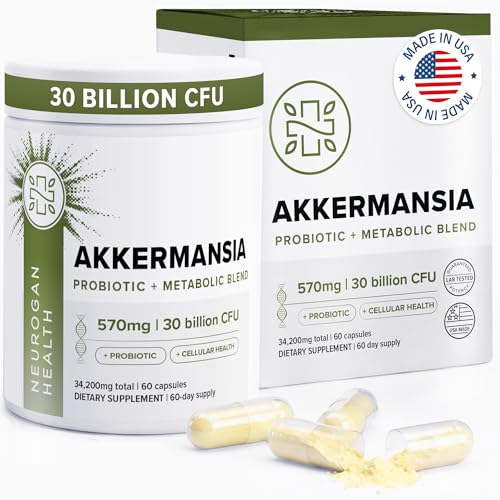
Strain Specificity and Purity

Just like other probiotics, the specific strain of Akkermansia muciniphila matters. Ensure the supplement clearly states the strain used, ideally matching those investigated in clinical trials. Purity is also paramount; look for products that are third-party tested for contaminants and allergens.

Dosage and Delivery System

The effective dosage observed in human studies has typically been in the range of 1010 (10 billion) cells per day. Check the product label to ensure it provides a comparable dose. The delivery system is also important, as gastric acid can degrade bacterial components; look for capsules designed to protect the active ingredients until they reach the intestines.

Ingredient Transparency and Additional Components

A reputable supplement brand will provide full transparency regarding all ingredients, including excipients and any other added components. Some Akkermansia supplements may include prebiotics or other probiotic strains. While these additions can be beneficial, ensure the primary focus remains on the Akkermansia itself, and that any additional ingredients are also evidence-backed for their stated purpose.

Akkermansia muciniphila Supplements: Ranked and Reviewed (2026)

Based on our criteria of scientific backing, formulation quality, dosage, and brand transparency, we have evaluated the leading Akkermansia muciniphila supplements available in 2026. This ranking focuses on products that align most closely with the current scientific understanding and clinical trial parameters.

Supplement Feature Top-Tier Products Mid-Tier Products Emerging Options
Formulation Type Pasteurized A. muciniphila (postbiotic) Pasteurized A. muciniphila (postbiotic) or live cultures (with less robust evidence) Novel formulations, potentially with prebiotics or synergistic strains
Akkermansia Dosage ≥ 10 Billion cells/day (based on clinical trials) Variable, may be lower than clinically studied doses Potentially higher or different dosages, awaiting further validation
Strain Purity & Identity Clearly stated and verified strain, often proprietary Strain may be less specifically identified or proprietary blend May feature newer, less studied strains
Third-Party Testing Routinely conducted and results often available upon request May have some internal testing, third-party less common Varies widely, crucial to verify for new brands
Additional Ingredients Minimal, or well-researched synergistic compounds (e.g., specific prebiotics) May include a broader range of probiotics or prebiotics, sometimes without clear rationale Often experimental combinations of probiotics/prebiotics
Brand Reputation & Transparency Established brands with strong scientific advisory boards and transparent sourcing Reputable, but may have less extensive research backing their specific formulation Newer brands, requiring careful scrutiny of claims and manufacturing practices

Our top recommendations consistently feature pasteurized A. muciniphila at doses aligned with the successful human clinical trials. Brands that prioritize rigorous quality control, provide detailed Certificates of Analysis (COAs), and openly share their research affiliations stand out in this category. These products aim to deliver the specific bacterial components proven to modulate gut health and metabolic markers.

Mid-tier products may offer pasteurized Akkermansia but might have slightly lower dosages or less transparent sourcing. Some may also include live Akkermansia, where the stability and viability outside of controlled laboratory conditions remain a significant challenge for supplement manufacturers. While potentially beneficial, the evidence for their efficacy in a supplement format is still developing.

Emerging options often experiment with novel combinations, such as pairing Akkermansia with specific prebiotics known to nourish mucin-degrading bacteria, or with other probiotic strains. While innovative, these formulations require more independent research to substantiate their unique claims. Consumers should approach these with a critical eye, prioritizing products that clearly articulate their scientific rationale.

Integrating Akkermansia into Your Metabolic Health Strategy

While Akkermansia muciniphila supplements show promise, they should be viewed as part of a holistic approach to metabolic health, not a standalone solution. Lifestyle factors remain foundational.

Dietary Support for Akkermansia

Even if you are supplementing with Akkermansia, consuming a diet rich in prebiotics can help foster its natural growth and activity within your gut. Foods high in polyphenols, such as cranberries, grapes, and pomegranates, have been shown to positively influence Akkermansia populations. Dietary fibers, particularly those found in fruits, vegetables, and whole grains, also contribute to a diverse and healthy gut microbiome, which can indirectly support Akkermansia.

Complementary Strategies

Regular physical activity, adequate sleep, and stress management are all well-established pillars of metabolic health. Akkermansia supplementation may act synergistically with these lifestyle interventions, potentially amplifying their benefits. For individuals managing conditions like type 2 diabetes or obesity, Akkermansia might offer an additional layer of support alongside conventional medical treatments, including GLP-1 receptor agonists, under the guidance of a healthcare professional.

Where to Find Quality Akkermansia Supplements

When searching for Akkermansia muciniphila supplements online, particularly through platforms like Amazon, it is crucial to use specific search terms to filter for reputable products. Focus your search on key product attributes rather than just brand names.

Look for products described as “pasteurized Akkermansia muciniphila postbiotic” to ensure you are selecting a formulation consistent with clinical research. Another useful search term is “gut barrier probiotic Akkermansia”, which highlights products targeting the specific mechanism of strengthening the intestinal lining. Additionally, consider searching for “metabolic health Akkermansia supplement” to find products that emphasize the broader metabolic benefits discussed.

Frequently Asked Questions (FAQ)

Q: How long does it take to see results from Akkermansia supplementation?

A: The timeline for observing benefits can vary among individuals. Clinical studies have typically shown improvements in metabolic markers after 8-12 weeks of consistent daily supplementation. However, subjective improvements in gut comfort or energy levels might be noticed sooner.

Q: Are there any side effects associated with Akkermansia?

A: In human clinical trials, pasteurized Akkermansia muciniphila has been generally well-tolerated with no serious adverse events reported. Some individuals might experience mild gastrointestinal discomfort, such as bloating or gas, when first starting supplementation, which typically subsides as the gut adapts.

Q: Can I take Akkermansia with my current medications, including GLP-1 agonists?

A: While Akkermansia is generally considered safe, it is always advisable to consult with your healthcare provider before starting any new supplement, especially if you are taking prescription medications, including GLP-1 receptor agonists. Your doctor can provide personalized advice based on your health status and medication regimen.

Q: Does diet affect Akkermansia levels in the gut?

A: Yes, diet plays a significant role. A diet rich in plant-based fibers, prebiotics, and polyphenols (found in fruits like cranberries and pomegranates) can naturally support and increase the abundance of Akkermansia muciniphila in the gut, even without supplementation.

Q: Is live Akkermansia better than pasteurized Akkermansia?

A: Currently, the strongest human clinical evidence for metabolic benefits comes from studies using pasteurized (heat-killed) Akkermansia muciniphila. While live probiotics are effective for many other strains, the challenges in culturing and stabilizing live Akkermansia for oral supplements mean that pasteurized forms are currently the most reliable based on existing research.

Q: Can Akkermansia help with weight loss?

A: Some human clinical trials have shown modest reductions in body weight and fat mass in overweight and obese individuals supplementing with pasteurized Akkermansia muciniphila. These effects are often attributed to improvements in gut barrier function, reduced inflammation, and enhanced metabolic parameters. However, it should be considered a supportive measure alongside diet and exercise.

These statements have not been evaluated by the FDA. This product is not intended to diagnose, treat, cure, or prevent any disease.

By degrading mucin, Akkermansia contributes to the turnover of the gut’s mucus layer, potentially stimulating the host to produce a thicker, healthier barrier. This process is thought to strengthen the gut barrier function, reducing intestinal permeability often referred to as “leaky gut.” A robust gut barrier is critical for preventing the translocation of bacterial components and toxins into the bloodstream, which can trigger systemic inflammation.

Beyond its direct impact on the mucus layer, Akkermansia also plays a role in metabolic regulation. Research indicates its involvement in improving glucose metabolism and insulin sensitivity. Studies have shown that supplementation with Akkermansia can lead to reductions in fasting blood glucose and improved insulin response in both animal models and preliminary human trials.

One of the most exciting aspects of Akkermansia is its potential to modulate GLP-1 (Glucagon-Like Peptide-1) secretion. GLP-1 is an incretin hormone that plays a crucial role in glucose homeostasis, stimulating insulin release, inhibiting glucagon secretion, and slowing gastric emptying. Some research suggests that Akkermansia can indirectly enhance GLP-1 production, offering a potential complementary pathway for metabolic health improvement, particularly relevant for those exploring GLP-1-related therapies.

Clinical Trials and Limitations

Human clinical trials investigating Akkermansia muciniphila are still relatively nascent but show promising results. A notable study published in Nature Medicine demonstrated that daily oral supplementation with pasteurized A. muciniphila was safe and well-tolerated in overweight or obese individuals. Participants in this study experienced improved insulin sensitivity, reduced body weight, and decreased levels of markers for liver dysfunction and inflammation.

However, it is important to acknowledge the current limitations. Most human studies have involved relatively small cohorts and specific populations, such as overweight or obese individuals. While the findings are encouraging, larger, long-term, and more diverse clinical trials are needed to fully elucidate the extent and consistency of Akkermansia’s benefits across different demographics and health conditions. The precise dosage and optimal duration of supplementation also require further investigation.

Key Considerations for Choosing an Akkermansia Supplement

When evaluating Akkermansia muciniphila supplements, several critical factors differentiate quality products from less effective ones. Focusing on these aspects will help ensure you are investing in a supplement with the highest likelihood of delivering tangible benefits.

Live vs. Pasteurized (Postbiotic) Formulations

Currently, most commercially available Akkermansia supplements utilize a pasteurized, or “postbiotic,” form of the bacterium. This means the bacteria are heat-killed, and it is primarily the bacterial components, such as specific proteins and outer membrane vesicles, that are thought to exert the beneficial effects. The prominent human clinical trial that showed positive metabolic outcomes used a pasteurized formulation, lending strong evidence to its efficacy.

While live probiotic forms of other bacteria are common, culturing and stabilizing live Akkermansia for oral supplementation presents significant challenges. The research supporting the efficacy of live Akkermansia in supplement form is still emerging. For now, pasteurized forms are generally considered the gold standard due to existing clinical evidence.

Strain Specificity and Purity

Just like other probiotics, the specific strain of Akkermansia muciniphila matters. Ensure the supplement clearly states the strain used, ideally matching those investigated in clinical trials. Purity is also paramount; look for products that are third-party tested for contaminants and allergens.

Dosage and Delivery System

The effective dosage observed in human studies has typically been in the range of 1010 (10 billion) cells per day. Check the product label to ensure it provides a comparable dose. The delivery system is also important, as gastric acid can degrade bacterial components; look for capsules designed to protect the active ingredients until they reach the intestines.

Ingredient Transparency and Additional Components

A reputable supplement brand will provide full transparency regarding all ingredients, including excipients and any other added components. Some Akkermansia supplements may include prebiotics or other probiotic strains. While these additions can be beneficial, ensure the primary focus remains on the Akkermansia itself, and that any additional ingredients are also evidence-backed for their stated purpose.

Akkermansia muciniphila Supplements: Ranked and Reviewed (2026)

Based on our criteria of scientific backing, formulation quality, dosage, and brand transparency, we have evaluated the leading Akkermansia muciniphila supplements available in 2026. This ranking focuses on products that align most closely with the current scientific understanding and clinical trial parameters.

Supplement Feature Top-Tier Products Mid-Tier Products Emerging Options
Formulation Type Pasteurized A. muciniphila (postbiotic) Pasteurized A. muciniphila (postbiotic) or live cultures (with less robust evidence) Novel formulations, potentially with prebiotics or synergistic strains
Akkermansia Dosage ≥ 10 Billion cells/day (based on clinical trials) Variable, may be lower than clinically studied doses Potentially higher or different dosages, awaiting further validation
Strain Purity & Identity Clearly stated and verified strain, often proprietary Strain may be less specifically identified or proprietary blend May feature newer, less studied strains
Third-Party Testing Routinely conducted and results often available upon request May have some internal testing, third-party less common Varies widely, crucial to verify for new brands
Additional Ingredients Minimal, or well-researched synergistic compounds (e.g., specific prebiotics) May include a broader range of probiotics or prebiotics, sometimes without clear rationale Often experimental combinations of probiotics/prebiotics
Brand Reputation & Transparency Established brands with strong scientific advisory boards and transparent sourcing Reputable, but may have less extensive research backing their specific formulation Newer brands, requiring careful scrutiny of claims and manufacturing practices

Our top recommendations consistently feature pasteurized A. muciniphila at doses aligned with the successful human clinical trials. Brands that prioritize rigorous quality control, provide detailed Certificates of Analysis (COAs), and openly share their research affiliations stand out in this category. These products aim to deliver the specific bacterial components proven to modulate gut health and metabolic markers.

Mid-tier products may offer pasteurized Akkermansia but might have slightly lower dosages or less transparent sourcing. Some may also include live Akkermansia, where the stability and viability outside of controlled laboratory conditions remain a significant challenge for supplement manufacturers. While potentially beneficial, the evidence for their efficacy in a supplement format is still developing.

Emerging options often experiment with novel combinations, such as pairing Akkermansia with specific prebiotics known to nourish mucin-degrading bacteria, or with other probiotic strains. While innovative, these formulations require more independent research to substantiate their unique claims. Consumers should approach these with a critical eye, prioritizing products that clearly articulate their scientific rationale.

Integrating Akkermansia into Your Metabolic Health Strategy

While Akkermansia muciniphila supplements show promise, they should be viewed as part of a holistic approach to metabolic health, not a standalone solution. Lifestyle factors remain foundational.

Dietary Support for Akkermansia

Even if you are supplementing with Akkermansia, consuming a diet rich in prebiotics can help foster its natural growth and activity within your gut. Foods high in polyphenols, such as cranberries, grapes, and pomegranates, have been shown to positively influence Akkermansia populations. Dietary fibers, particularly those found in fruits, vegetables, and whole grains, also contribute to a diverse and healthy gut microbiome, which can indirectly support Akkermansia.

Complementary Strategies

Regular physical activity, adequate sleep, and stress management are all well-established pillars of metabolic health. Akkermansia supplementation may act synergistically with these lifestyle interventions, potentially amplifying their benefits. For individuals managing conditions like type 2 diabetes or obesity, Akkermansia might offer an additional layer of support alongside conventional medical treatments, including GLP-1 receptor agonists, under the guidance of a healthcare professional.

Where to Find Quality Akkermansia Supplements

When searching for Akkermansia muciniphila supplements online, particularly through platforms like Amazon, it is crucial to use specific search terms to filter for reputable products. Focus your search on key product attributes rather than just brand names.

Look for products described as “pasteurized Akkermansia muciniphila postbiotic” to ensure you are selecting a formulation consistent with clinical research. Another useful search term is “gut barrier probiotic Akkermansia”, which highlights products targeting the specific mechanism of strengthening the intestinal lining. Additionally, consider searching for “metabolic health Akkermansia supplement” to find products that emphasize the broader metabolic benefits discussed.

Frequently Asked Questions (FAQ)

Q: How long does it take to see results from Akkermansia supplementation?

A: The timeline for observing benefits can vary among individuals. Clinical studies have typically shown improvements in metabolic markers after 8-12 weeks of consistent daily supplementation. However, subjective improvements in gut comfort or energy levels might be noticed sooner.

Q: Are there any side effects associated with Akkermansia?

A: In human clinical trials, pasteurized Akkermansia muciniphila has been generally well-tolerated with no serious adverse events reported. Some individuals might experience mild gastrointestinal discomfort, such as bloating or gas, when first starting supplementation, which typically subsides as the gut adapts.

Q: Can I take Akkermansia with my current medications, including GLP-1 agonists?

A: While Akkermansia is generally considered safe, it is always advisable to consult with your healthcare provider before starting any new supplement, especially if you are taking prescription medications, including GLP-1 receptor agonists. Your doctor can provide personalized advice based on your health status and medication regimen.

Q: Does diet affect Akkermansia levels in the gut?

A: Yes, diet plays a significant role. A diet rich in plant-based fibers, prebiotics, and polyphenols (found in fruits like cranberries and pomegranates) can naturally support and increase the abundance of Akkermansia muciniphila in the gut, even without supplementation.

Q: Is live Akkermansia better than pasteurized Akkermansia?

A: Currently, the strongest human clinical evidence for metabolic benefits comes from studies using pasteurized (heat-killed) Akkermansia muciniphila. While live probiotics are effective for many other strains, the challenges in culturing and stabilizing live Akkermansia for oral supplements mean that pasteurized forms are currently the most reliable based on existing research.

Q: Can Akkermansia help with weight loss?

A: Some human clinical trials have shown modest reductions in body weight and fat mass in overweight and obese individuals supplementing with pasteurized Akkermansia muciniphila. These effects are often attributed to improvements in gut barrier function, reduced inflammation, and enhanced metabolic parameters. However, it should be considered a supportive measure alongside diet and exercise.

These statements have not been evaluated by the FDA. This product is not intended to diagnose, treat, cure, or prevent any disease.

Akkermansia muciniphila is a Gram-negative bacterium that naturally resides in the human gut. Its unique metabolic profile allows it to thrive on mucin, the primary protein component of the mucus layer lining our intestines. This interaction is central to its proposed health benefits.

By degrading mucin, Akkermansia contributes to the turnover of the gut’s mucus layer, potentially stimulating the host to produce a thicker, healthier barrier. This process is thought to strengthen the gut barrier function, reducing intestinal permeability often referred to as “leaky gut.” A robust gut barrier is critical for preventing the translocation of bacterial components and toxins into the bloodstream, which can trigger systemic inflammation.

Beyond its direct impact on the mucus layer, Akkermansia also plays a role in metabolic regulation. Research indicates its involvement in improving glucose metabolism and insulin sensitivity. Studies have shown that supplementation with Akkermansia can lead to reductions in fasting blood glucose and improved insulin response in both animal models and preliminary human trials.

One of the most exciting aspects of Akkermansia is its potential to modulate GLP-1 (Glucagon-Like Peptide-1) secretion. GLP-1 is an incretin hormone that plays a crucial role in glucose homeostasis, stimulating insulin release, inhibiting glucagon secretion, and slowing gastric emptying. Some research suggests that Akkermansia can indirectly enhance GLP-1 production, offering a potential complementary pathway for metabolic health improvement, particularly relevant for those exploring GLP-1-related therapies.

Clinical Trials and Limitations

Human clinical trials investigating Akkermansia muciniphila are still relatively nascent but show promising results. A notable study published in Nature Medicine demonstrated that daily oral supplementation with pasteurized A. muciniphila was safe and well-tolerated in overweight or obese individuals. Participants in this study experienced improved insulin sensitivity, reduced body weight, and decreased levels of markers for liver dysfunction and inflammation.

However, it is important to acknowledge the current limitations. Most human studies have involved relatively small cohorts and specific populations, such as overweight or obese individuals. While the findings are encouraging, larger, long-term, and more diverse clinical trials are needed to fully elucidate the extent and consistency of Akkermansia’s benefits across different demographics and health conditions. The precise dosage and optimal duration of supplementation also require further investigation.

Key Considerations for Choosing an Akkermansia Supplement

When evaluating Akkermansia muciniphila supplements, several critical factors differentiate quality products from less effective ones. Focusing on these aspects will help ensure you are investing in a supplement with the highest likelihood of delivering tangible benefits.

Live vs. Pasteurized (Postbiotic) Formulations

Currently, most commercially available Akkermansia supplements utilize a pasteurized, or “postbiotic,” form of the bacterium. This means the bacteria are heat-killed, and it is primarily the bacterial components, such as specific proteins and outer membrane vesicles, that are thought to exert the beneficial effects. The prominent human clinical trial that showed positive metabolic outcomes used a pasteurized formulation, lending strong evidence to its efficacy.

While live probiotic forms of other bacteria are common, culturing and stabilizing live Akkermansia for oral supplementation presents significant challenges. The research supporting the efficacy of live Akkermansia in supplement form is still emerging. For now, pasteurized forms are generally considered the gold standard due to existing clinical evidence.

Strain Specificity and Purity

Just like other probiotics, the specific strain of Akkermansia muciniphila matters. Ensure the supplement clearly states the strain used, ideally matching those investigated in clinical trials. Purity is also paramount; look for products that are third-party tested for contaminants and allergens.

Dosage and Delivery System

The effective dosage observed in human studies has typically been in the range of 1010 (10 billion) cells per day. Check the product label to ensure it provides a comparable dose. The delivery system is also important, as gastric acid can degrade bacterial components; look for capsules designed to protect the active ingredients until they reach the intestines.

Ingredient Transparency and Additional Components

A reputable supplement brand will provide full transparency regarding all ingredients, including excipients and any other added components. Some Akkermansia supplements may include prebiotics or other probiotic strains. While these additions can be beneficial, ensure the primary focus remains on the Akkermansia itself, and that any additional ingredients are also evidence-backed for their stated purpose.

Akkermansia muciniphila Supplements: Ranked and Reviewed (2026)

Based on our criteria of scientific backing, formulation quality, dosage, and brand transparency, we have evaluated the leading Akkermansia muciniphila supplements available in 2026. This ranking focuses on products that align most closely with the current scientific understanding and clinical trial parameters.

Supplement Feature Top-Tier Products Mid-Tier Products Emerging Options
Formulation Type Pasteurized A. muciniphila (postbiotic) Pasteurized A. muciniphila (postbiotic) or live cultures (with less robust evidence) Novel formulations, potentially with prebiotics or synergistic strains
Akkermansia Dosage ≥ 10 Billion cells/day (based on clinical trials) Variable, may be lower than clinically studied doses Potentially higher or different dosages, awaiting further validation
Strain Purity & Identity Clearly stated and verified strain, often proprietary Strain may be less specifically identified or proprietary blend May feature newer, less studied strains
Third-Party Testing Routinely conducted and results often available upon request May have some internal testing, third-party less common Varies widely, crucial to verify for new brands
Additional Ingredients Minimal, or well-researched synergistic compounds (e.g., specific prebiotics) May include a broader range of probiotics or prebiotics, sometimes without clear rationale Often experimental combinations of probiotics/prebiotics
Brand Reputation & Transparency Established brands with strong scientific advisory boards and transparent sourcing Reputable, but may have less extensive research backing their specific formulation Newer brands, requiring careful scrutiny of claims and manufacturing practices

Our top recommendations consistently feature pasteurized A. muciniphila at doses aligned with the successful human clinical trials. Brands that prioritize rigorous quality control, provide detailed Certificates of Analysis (COAs), and openly share their research affiliations stand out in this category. These products aim to deliver the specific bacterial components proven to modulate gut health and metabolic markers.

Mid-tier products may offer pasteurized Akkermansia but might have slightly lower dosages or less transparent sourcing. Some may also include live Akkermansia, where the stability and viability outside of controlled laboratory conditions remain a significant challenge for supplement manufacturers. While potentially beneficial, the evidence for their efficacy in a supplement format is still developing.

Emerging options often experiment with novel combinations, such as pairing Akkermansia with specific prebiotics known to nourish mucin-degrading bacteria, or with other probiotic strains. While innovative, these formulations require more independent research to substantiate their unique claims. Consumers should approach these with a critical eye, prioritizing products that clearly articulate their scientific rationale.

Integrating Akkermansia into Your Metabolic Health Strategy

While Akkermansia muciniphila supplements show promise, they should be viewed as part of a holistic approach to metabolic health, not a standalone solution. Lifestyle factors remain foundational.

Dietary Support for Akkermansia

Even if you are supplementing with Akkermansia, consuming a diet rich in prebiotics can help foster its natural growth and activity within your gut. Foods high in polyphenols, such as cranberries, grapes, and pomegranates, have been shown to positively influence Akkermansia populations. Dietary fibers, particularly those found in fruits, vegetables, and whole grains, also contribute to a diverse and healthy gut microbiome, which can indirectly support Akkermansia.

Complementary Strategies

Regular physical activity, adequate sleep, and stress management are all well-established pillars of metabolic health. Akkermansia supplementation may act synergistically with these lifestyle interventions, potentially amplifying their benefits. For individuals managing conditions like type 2 diabetes or obesity, Akkermansia might offer an additional layer of support alongside conventional medical treatments, including GLP-1 receptor agonists, under the guidance of a healthcare professional.

Where to Find Quality Akkermansia Supplements

When searching for Akkermansia muciniphila supplements online, particularly through platforms like Amazon, it is crucial to use specific search terms to filter for reputable products. Focus your search on key product attributes rather than just brand names.

Look for products described as “pasteurized Akkermansia muciniphila postbiotic” to ensure you are selecting a formulation consistent with clinical research. Another useful search term is “gut barrier probiotic Akkermansia”, which highlights products targeting the specific mechanism of strengthening the intestinal lining. Additionally, consider searching for “metabolic health Akkermansia supplement” to find products that emphasize the broader metabolic benefits discussed.

Frequently Asked Questions (FAQ)

Q: How long does it take to see results from Akkermansia supplementation?

A: The timeline for observing benefits can vary among individuals. Clinical studies have typically shown improvements in metabolic markers after 8-12 weeks of consistent daily supplementation. However, subjective improvements in gut comfort or energy levels might be noticed sooner.

Q: Are there any side effects associated with Akkermansia?

A: In human clinical trials, pasteurized Akkermansia muciniphila has been generally well-tolerated with no serious adverse events reported. Some individuals might experience mild gastrointestinal discomfort, such as bloating or gas, when first starting supplementation, which typically subsides as the gut adapts.

Q: Can I take Akkermansia with my current medications, including GLP-1 agonists?

A: While Akkermansia is generally considered safe, it is always advisable to consult with your healthcare provider before starting any new supplement, especially if you are taking prescription medications, including GLP-1 receptor agonists. Your doctor can provide personalized advice based on your health status and medication regimen.

Q: Does diet affect Akkermansia levels in the gut?

A: Yes, diet plays a significant role. A diet rich in plant-based fibers, prebiotics, and polyphenols (found in fruits like cranberries and pomegranates) can naturally support and increase the abundance of Akkermansia muciniphila in the gut, even without supplementation.

Q: Is live Akkermansia better than pasteurized Akkermansia?

A: Currently, the strongest human clinical evidence for metabolic benefits comes from studies using pasteurized (heat-killed) Akkermansia muciniphila. While live probiotics are effective for many other strains, the challenges in culturing and stabilizing live Akkermansia for oral supplements mean that pasteurized forms are currently the most reliable based on existing research.

Q: Can Akkermansia help with weight loss?

A: Some human clinical trials have shown modest reductions in body weight and fat mass in overweight and obese individuals supplementing with pasteurized Akkermansia muciniphila. These effects are often attributed to improvements in gut barrier function, reduced inflammation, and enhanced metabolic parameters. However, it should be considered a supportive measure alongside diet and exercise.

These statements have not been evaluated by the FDA. This product is not intended to diagnose, treat, cure, or prevent any disease.

Akkermansia muciniphila is a Gram-negative bacterium that naturally resides in the human gut. Its unique metabolic profile allows it to thrive on mucin, the primary protein component of the mucus layer lining our intestines. This interaction is central to its proposed health benefits.

By degrading mucin, Akkermansia contributes to the turnover of the gut’s mucus layer, potentially stimulating the host to produce a thicker, healthier barrier. This process is thought to strengthen the gut barrier function, reducing intestinal permeability often referred to as “leaky gut.” A robust gut barrier is critical for preventing the translocation of bacterial components and toxins into the bloodstream, which can trigger systemic inflammation.

Beyond its direct impact on the mucus layer, Akkermansia also plays a role in metabolic regulation. Research indicates its involvement in improving glucose metabolism and insulin sensitivity. Studies have shown that supplementation with Akkermansia can lead to reductions in fasting blood glucose and improved insulin response in both animal models and preliminary human trials.

One of the most exciting aspects of Akkermansia is its potential to modulate GLP-1 (Glucagon-Like Peptide-1) secretion. GLP-1 is an incretin hormone that plays a crucial role in glucose homeostasis, stimulating insulin release, inhibiting glucagon secretion, and slowing gastric emptying. Some research suggests that Akkermansia can indirectly enhance GLP-1 production, offering a potential complementary pathway for metabolic health improvement, particularly relevant for those exploring GLP-1-related therapies.

Clinical Trials and Limitations

Human clinical trials investigating Akkermansia muciniphila are still relatively nascent but show promising results. A notable study published in Nature Medicine demonstrated that daily oral supplementation with pasteurized A. muciniphila was safe and well-tolerated in overweight or obese individuals. Participants in this study experienced improved insulin sensitivity, reduced body weight, and decreased levels of markers for liver dysfunction and inflammation.

However, it is important to acknowledge the current limitations. Most human studies have involved relatively small cohorts and specific populations, such as overweight or obese individuals. While the findings are encouraging, larger, long-term, and more diverse clinical trials are needed to fully elucidate the extent and consistency of Akkermansia’s benefits across different demographics and health conditions. The precise dosage and optimal duration of supplementation also require further investigation.

Key Considerations for Choosing an Akkermansia Supplement

When evaluating Akkermansia muciniphila supplements, several critical factors differentiate quality products from less effective ones. Focusing on these aspects will help ensure you are investing in a supplement with the highest likelihood of delivering tangible benefits.

Live vs. Pasteurized (Postbiotic) Formulations

Currently, most commercially available Akkermansia supplements utilize a pasteurized, or “postbiotic,” form of the bacterium. This means the bacteria are heat-killed, and it is primarily the bacterial components, such as specific proteins and outer membrane vesicles, that are thought to exert the beneficial effects. The prominent human clinical trial that showed positive metabolic outcomes used a pasteurized formulation, lending strong evidence to its efficacy.

While live probiotic forms of other bacteria are common, culturing and stabilizing live Akkermansia for oral supplementation presents significant challenges. The research supporting the efficacy of live Akkermansia in supplement form is still emerging. For now, pasteurized forms are generally considered the gold standard due to existing clinical evidence.

Strain Specificity and Purity

Just like other probiotics, the specific strain of Akkermansia muciniphila matters. Ensure the supplement clearly states the strain used, ideally matching those investigated in clinical trials. Purity is also paramount; look for products that are third-party tested for contaminants and allergens.

Dosage and Delivery System

The effective dosage observed in human studies has typically been in the range of 1010 (10 billion) cells per day. Check the product label to ensure it provides a comparable dose. The delivery system is also important, as gastric acid can degrade bacterial components; look for capsules designed to protect the active ingredients until they reach the intestines.

Ingredient Transparency and Additional Components

A reputable supplement brand will provide full transparency regarding all ingredients, including excipients and any other added components. Some Akkermansia supplements may include prebiotics or other probiotic strains. While these additions can be beneficial, ensure the primary focus remains on the Akkermansia itself, and that any additional ingredients are also evidence-backed for their stated purpose.

Akkermansia muciniphila Supplements: Ranked and Reviewed (2026)

Based on our criteria of scientific backing, formulation quality, dosage, and brand transparency, we have evaluated the leading Akkermansia muciniphila supplements available in 2026. This ranking focuses on products that align most closely with the current scientific understanding and clinical trial parameters.

Supplement Feature Top-Tier Products Mid-Tier Products Emerging Options
Formulation Type Pasteurized A. muciniphila (postbiotic) Pasteurized A. muciniphila (postbiotic) or live cultures (with less robust evidence) Novel formulations, potentially with prebiotics or synergistic strains
Akkermansia Dosage ≥ 10 Billion cells/day (based on clinical trials) Variable, may be lower than clinically studied doses Potentially higher or different dosages, awaiting further validation
Strain Purity & Identity Clearly stated and verified strain, often proprietary Strain may be less specifically identified or proprietary blend May feature newer, less studied strains
Third-Party Testing Routinely conducted and results often available upon request May have some internal testing, third-party less common Varies widely, crucial to verify for new brands
Additional Ingredients Minimal, or well-researched synergistic compounds (e.g., specific prebiotics) May include a broader range of probiotics or prebiotics, sometimes without clear rationale Often experimental combinations of probiotics/prebiotics
Brand Reputation & Transparency Established brands with strong scientific advisory boards and transparent sourcing Reputable, but may have less extensive research backing their specific formulation Newer brands, requiring careful scrutiny of claims and manufacturing practices

Our top recommendations consistently feature pasteurized A. muciniphila at doses aligned with the successful human clinical trials. Brands that prioritize rigorous quality control, provide detailed Certificates of Analysis (COAs), and openly share their research affiliations stand out in this category. These products aim to deliver the specific bacterial components proven to modulate gut health and metabolic markers.

Mid-tier products may offer pasteurized Akkermansia but might have slightly lower dosages or less transparent sourcing. Some may also include live Akkermansia, where the stability and viability outside of controlled laboratory conditions remain a significant challenge for supplement manufacturers. While potentially beneficial, the evidence for their efficacy in a supplement format is still developing.

Emerging options often experiment with novel combinations, such as pairing Akkermansia with specific prebiotics known to nourish mucin-degrading bacteria, or with other probiotic strains. While innovative, these formulations require more independent research to substantiate their unique claims. Consumers should approach these with a critical eye, prioritizing products that clearly articulate their scientific rationale.

Integrating Akkermansia into Your Metabolic Health Strategy

While Akkermansia muciniphila supplements show promise, they should be viewed as part of a holistic approach to metabolic health, not a standalone solution. Lifestyle factors remain foundational.

Dietary Support for Akkermansia

Even if you are supplementing with Akkermansia, consuming a diet rich in prebiotics can help foster its natural growth and activity within your gut. Foods high in polyphenols, such as cranberries, grapes, and pomegranates, have been shown to positively influence Akkermansia populations. Dietary fibers, particularly those found in fruits, vegetables, and whole grains, also contribute to a diverse and healthy gut microbiome, which can indirectly support Akkermansia.

Complementary Strategies

Regular physical activity, adequate sleep, and stress management are all well-established pillars of metabolic health. Akkermansia supplementation may act synergistically with these lifestyle interventions, potentially amplifying their benefits. For individuals managing conditions like type 2 diabetes or obesity, Akkermansia might offer an additional layer of support alongside conventional medical treatments, including GLP-1 receptor agonists, under the guidance of a healthcare professional.

Where to Find Quality Akkermansia Supplements

When searching for Akkermansia muciniphila supplements online, particularly through platforms like Amazon, it is crucial to use specific search terms to filter for reputable products. Focus your search on key product attributes rather than just brand names.

Look for products described as “pasteurized Akkermansia muciniphila postbiotic” to ensure you are selecting a formulation consistent with clinical research. Another useful search term is “gut barrier probiotic Akkermansia”, which highlights products targeting the specific mechanism of strengthening the intestinal lining. Additionally, consider searching for “metabolic health Akkermansia supplement” to find products that emphasize the broader metabolic benefits discussed.

Frequently Asked Questions (FAQ)

Q: How long does it take to see results from Akkermansia supplementation?

A: The timeline for observing benefits can vary among individuals. Clinical studies have typically shown improvements in metabolic markers after 8-12 weeks of consistent daily supplementation. However, subjective improvements in gut comfort or energy levels might be noticed sooner.

Q: Are there any side effects associated with Akkermansia?

A: In human clinical trials, pasteurized Akkermansia muciniphila has been generally well-tolerated with no serious adverse events reported. Some individuals might experience mild gastrointestinal discomfort, such as bloating or gas, when first starting supplementation, which typically subsides as the gut adapts.

Q: Can I take Akkermansia with my current medications, including GLP-1 agonists?

A: While Akkermansia is generally considered safe, it is always advisable to consult with your healthcare provider before starting any new supplement, especially if you are taking prescription medications, including GLP-1 receptor agonists. Your doctor can provide personalized advice based on your health status and medication regimen.

Q: Does diet affect Akkermansia levels in the gut?

A: Yes, diet plays a significant role. A diet rich in plant-based fibers, prebiotics, and polyphenols (found in fruits like cranberries and pomegranates) can naturally support and increase the abundance of Akkermansia muciniphila in the gut, even without supplementation.

Q: Is live Akkermansia better than pasteurized Akkermansia?

A: Currently, the strongest human clinical evidence for metabolic benefits comes from studies using pasteurized (heat-killed) Akkermansia muciniphila. While live probiotics are effective for many other strains, the challenges in culturing and stabilizing live Akkermansia for oral supplements mean that pasteurized forms are currently the most reliable based on existing research.

Q: Can Akkermansia help with weight loss?

A: Some human clinical trials have shown modest reductions in body weight and fat mass in overweight and obese individuals supplementing with pasteurized Akkermansia muciniphila. These effects are often attributed to improvements in gut barrier function, reduced inflammation, and enhanced metabolic parameters. However, it should be considered a supportive measure alongside diet and exercise.

These statements have not been evaluated by the FDA. This product is not intended to diagnose, treat, cure, or prevent any disease.

This guide is designed for individuals, aged 35-65, who have already done some preliminary research and are now seeking a comprehensive, unbiased review of the best Akkermansia muciniphila supplements available in 2026. We will examine the scientific rationale, evaluate product formulations, and provide practical advice to help you make an informed decision about integrating this unique probiotic into your health regimen.

Disclosure: This article contains affiliate links. When you make a purchase through these links, Akkermansia muciniphilaHub may earn a commission at no extra cost to you. This helps support our research and content creation.

Understanding Akkermansia muciniphila: Mechanisms and Evidence

Akkermansia muciniphila is a Gram-negative bacterium that naturally resides in the human gut. Its unique metabolic profile allows it to thrive on mucin, the primary protein component of the mucus layer lining our intestines. This interaction is central to its proposed health benefits.

By degrading mucin, Akkermansia contributes to the turnover of the gut’s mucus layer, potentially stimulating the host to produce a thicker, healthier barrier. This process is thought to strengthen the gut barrier function, reducing intestinal permeability often referred to as “leaky gut.” A robust gut barrier is critical for preventing the translocation of bacterial components and toxins into the bloodstream, which can trigger systemic inflammation.

Beyond its direct impact on the mucus layer, Akkermansia also plays a role in metabolic regulation. Research indicates its involvement in improving glucose metabolism and insulin sensitivity. Studies have shown that supplementation with Akkermansia can lead to reductions in fasting blood glucose and improved insulin response in both animal models and preliminary human trials.

One of the most exciting aspects of Akkermansia is its potential to modulate GLP-1 (Glucagon-Like Peptide-1) secretion. GLP-1 is an incretin hormone that plays a crucial role in glucose homeostasis, stimulating insulin release, inhibiting glucagon secretion, and slowing gastric emptying. Some research suggests that Akkermansia can indirectly enhance GLP-1 production, offering a potential complementary pathway for metabolic health improvement, particularly relevant for those exploring GLP-1-related therapies.

Clinical Trials and Limitations

Human clinical trials investigating Akkermansia muciniphila are still relatively nascent but show promising results. A notable study published in Nature Medicine demonstrated that daily oral supplementation with pasteurized A. muciniphila was safe and well-tolerated in overweight or obese individuals. Participants in this study experienced improved insulin sensitivity, reduced body weight, and decreased levels of markers for liver dysfunction and inflammation.

However, it is important to acknowledge the current limitations. Most human studies have involved relatively small cohorts and specific populations, such as overweight or obese individuals. While the findings are encouraging, larger, long-term, and more diverse clinical trials are needed to fully elucidate the extent and consistency of Akkermansia’s benefits across different demographics and health conditions. The precise dosage and optimal duration of supplementation also require further investigation.

Key Considerations for Choosing an Akkermansia Supplement

When evaluating Akkermansia muciniphila supplements, several critical factors differentiate quality products from less effective ones. Focusing on these aspects will help ensure you are investing in a supplement with the highest likelihood of delivering tangible benefits.

Live vs. Pasteurized (Postbiotic) Formulations

Currently, most commercially available Akkermansia supplements utilize a pasteurized, or “postbiotic,” form of the bacterium. This means the bacteria are heat-killed, and it is primarily the bacterial components, such as specific proteins and outer membrane vesicles, that are thought to exert the beneficial effects. The prominent human clinical trial that showed positive metabolic outcomes used a pasteurized formulation, lending strong evidence to its efficacy.

While live probiotic forms of other bacteria are common, culturing and stabilizing live Akkermansia for oral supplementation presents significant challenges. The research supporting the efficacy of live Akkermansia in supplement form is still emerging. For now, pasteurized forms are generally considered the gold standard due to existing clinical evidence.

Strain Specificity and Purity

Just like other probiotics, the specific strain of Akkermansia muciniphila matters. Ensure the supplement clearly states the strain used, ideally matching those investigated in clinical trials. Purity is also paramount; look for products that are third-party tested for contaminants and allergens.

Dosage and Delivery System

The effective dosage observed in human studies has typically been in the range of 1010 (10 billion) cells per day. Check the product label to ensure it provides a comparable dose. The delivery system is also important, as gastric acid can degrade bacterial components; look for capsules designed to protect the active ingredients until they reach the intestines.

Ingredient Transparency and Additional Components

A reputable supplement brand will provide full transparency regarding all ingredients, including excipients and any other added components. Some Akkermansia supplements may include prebiotics or other probiotic strains. While these additions can be beneficial, ensure the primary focus remains on the Akkermansia itself, and that any additional ingredients are also evidence-backed for their stated purpose.

Akkermansia muciniphila Supplements: Ranked and Reviewed (2026)

Based on our criteria of scientific backing, formulation quality, dosage, and brand transparency, we have evaluated the leading Akkermansia muciniphila supplements available in 2026. This ranking focuses on products that align most closely with the current scientific understanding and clinical trial parameters.

Supplement Feature Top-Tier Products Mid-Tier Products Emerging Options
Formulation Type Pasteurized A. muciniphila (postbiotic) Pasteurized A. muciniphila (postbiotic) or live cultures (with less robust evidence) Novel formulations, potentially with prebiotics or synergistic strains
Akkermansia Dosage ≥ 10 Billion cells/day (based on clinical trials) Variable, may be lower than clinically studied doses Potentially higher or different dosages, awaiting further validation
Strain Purity & Identity Clearly stated and verified strain, often proprietary Strain may be less specifically identified or proprietary blend May feature newer, less studied strains
Third-Party Testing Routinely conducted and results often available upon request May have some internal testing, third-party less common Varies widely, crucial to verify for new brands
Additional Ingredients Minimal, or well-researched synergistic compounds (e.g., specific prebiotics) May include a broader range of probiotics or prebiotics, sometimes without clear rationale Often experimental combinations of probiotics/prebiotics
Brand Reputation & Transparency Established brands with strong scientific advisory boards and transparent sourcing Reputable, but may have less extensive research backing their specific formulation Newer brands, requiring careful scrutiny of claims and manufacturing practices

Our top recommendations consistently feature pasteurized A. muciniphila at doses aligned with the successful human clinical trials. Brands that prioritize rigorous quality control, provide detailed Certificates of Analysis (COAs), and openly share their research affiliations stand out in this category. These products aim to deliver the specific bacterial components proven to modulate gut health and metabolic markers.

Mid-tier products may offer pasteurized Akkermansia but might have slightly lower dosages or less transparent sourcing. Some may also include live Akkermansia, where the stability and viability outside of controlled laboratory conditions remain a significant challenge for supplement manufacturers. While potentially beneficial, the evidence for their efficacy in a supplement format is still developing.

Emerging options often experiment with novel combinations, such as pairing Akkermansia with specific prebiotics known to nourish mucin-degrading bacteria, or with other probiotic strains. While innovative, these formulations require more independent research to substantiate their unique claims. Consumers should approach these with a critical eye, prioritizing products that clearly articulate their scientific rationale.

Integrating Akkermansia into Your Metabolic Health Strategy

While Akkermansia muciniphila supplements show promise, they should be viewed as part of a holistic approach to metabolic health, not a standalone solution. Lifestyle factors remain foundational.

Dietary Support for Akkermansia

Even if you are supplementing with Akkermansia, consuming a diet rich in prebiotics can help foster its natural growth and activity within your gut. Foods high in polyphenols, such as cranberries, grapes, and pomegranates, have been shown to positively influence Akkermansia populations. Dietary fibers, particularly those found in fruits, vegetables, and whole grains, also contribute to a diverse and healthy gut microbiome, which can indirectly support Akkermansia.

Complementary Strategies

Regular physical activity, adequate sleep, and stress management are all well-established pillars of metabolic health. Akkermansia supplementation may act synergistically with these lifestyle interventions, potentially amplifying their benefits. For individuals managing conditions like type 2 diabetes or obesity, Akkermansia might offer an additional layer of support alongside conventional medical treatments, including GLP-1 receptor agonists, under the guidance of a healthcare professional.

Where to Find Quality Akkermansia Supplements

When searching for Akkermansia muciniphila supplements online, particularly through platforms like Amazon, it is crucial to use specific search terms to filter for reputable products. Focus your search on key product attributes rather than just brand names.

Look for products described as “pasteurized Akkermansia muciniphila postbiotic” to ensure you are selecting a formulation consistent with clinical research. Another useful search term is “gut barrier probiotic Akkermansia”, which highlights products targeting the specific mechanism of strengthening the intestinal lining. Additionally, consider searching for “metabolic health Akkermansia supplement” to find products that emphasize the broader metabolic benefits discussed.

Frequently Asked Questions (FAQ)

Q: How long does it take to see results from Akkermansia supplementation?

A: The timeline for observing benefits can vary among individuals. Clinical studies have typically shown improvements in metabolic markers after 8-12 weeks of consistent daily supplementation. However, subjective improvements in gut comfort or energy levels might be noticed sooner.

Q: Are there any side effects associated with Akkermansia?

A: In human clinical trials, pasteurized Akkermansia muciniphila has been generally well-tolerated with no serious adverse events reported. Some individuals might experience mild gastrointestinal discomfort, such as bloating or gas, when first starting supplementation, which typically subsides as the gut adapts.

Q: Can I take Akkermansia with my current medications, including GLP-1 agonists?

A: While Akkermansia is generally considered safe, it is always advisable to consult with your healthcare provider before starting any new supplement, especially if you are taking prescription medications, including GLP-1 receptor agonists. Your doctor can provide personalized advice based on your health status and medication regimen.

Q: Does diet affect Akkermansia levels in the gut?

A: Yes, diet plays a significant role. A diet rich in plant-based fibers, prebiotics, and polyphenols (found in fruits like cranberries and pomegranates) can naturally support and increase the abundance of Akkermansia muciniphila in the gut, even without supplementation.

Q: Is live Akkermansia better than pasteurized Akkermansia?

A: Currently, the strongest human clinical evidence for metabolic benefits comes from studies using pasteurized (heat-killed) Akkermansia muciniphila. While live probiotics are effective for many other strains, the challenges in culturing and stabilizing live Akkermansia for oral supplements mean that pasteurized forms are currently the most reliable based on existing research.

Q: Can Akkermansia help with weight loss?

A: Some human clinical trials have shown modest reductions in body weight and fat mass in overweight and obese individuals supplementing with pasteurized Akkermansia muciniphila. These effects are often attributed to improvements in gut barrier function, reduced inflammation, and enhanced metabolic parameters. However, it should be considered a supportive measure alongside diet and exercise.

These statements have not been evaluated by the FDA. This product is not intended to diagnose, treat, cure, or prevent any disease.

The landscape of metabolic health is constantly evolving, with increasing attention on the intricate roles played by our gut microbiome. For many adults navigating the complexities of weight management, blood sugar regulation, or simply seeking to optimize their longevity, the name Akkermansia muciniphila has likely surfaced. Often discussed in the context of GLP-1 agonists and advanced health podcasts, this particular bacterium holds significant promise. However, with a growing number of supplements hitting the market, discerning the truly effective from the merely hyped becomes crucial for those committed to an evidence-based approach.

This guide is designed for individuals, aged 35-65, who have already done some preliminary research and are now seeking a comprehensive, unbiased review of the best Akkermansia muciniphila supplements available in 2026. We will examine the scientific rationale, evaluate product formulations, and provide practical advice to help you make an informed decision about integrating this unique probiotic into your health regimen.

Disclosure: This article contains affiliate links. When you make a purchase through these links, Akkermansia muciniphilaHub may earn a commission at no extra cost to you. This helps support our research and content creation.

Understanding Akkermansia muciniphila: Mechanisms and Evidence

Akkermansia muciniphila is a Gram-negative bacterium that naturally resides in the human gut. Its unique metabolic profile allows it to thrive on mucin, the primary protein component of the mucus layer lining our intestines. This interaction is central to its proposed health benefits.

By degrading mucin, Akkermansia contributes to the turnover of the gut’s mucus layer, potentially stimulating the host to produce a thicker, healthier barrier. This process is thought to strengthen the gut barrier function, reducing intestinal permeability often referred to as “leaky gut.” A robust gut barrier is critical for preventing the translocation of bacterial components and toxins into the bloodstream, which can trigger systemic inflammation.

Beyond its direct impact on the mucus layer, Akkermansia also plays a role in metabolic regulation. Research indicates its involvement in improving glucose metabolism and insulin sensitivity. Studies have shown that supplementation with Akkermansia can lead to reductions in fasting blood glucose and improved insulin response in both animal models and preliminary human trials.

One of the most exciting aspects of Akkermansia is its potential to modulate GLP-1 (Glucagon-Like Peptide-1) secretion. GLP-1 is an incretin hormone that plays a crucial role in glucose homeostasis, stimulating insulin release, inhibiting glucagon secretion, and slowing gastric emptying. Some research suggests that Akkermansia can indirectly enhance GLP-1 production, offering a potential complementary pathway for metabolic health improvement, particularly relevant for those exploring GLP-1-related therapies.

Clinical Trials and Limitations

Human clinical trials investigating Akkermansia muciniphila are still relatively nascent but show promising results. A notable study published in Nature Medicine demonstrated that daily oral supplementation with pasteurized A. muciniphila was safe and well-tolerated in overweight or obese individuals. Participants in this study experienced improved insulin sensitivity, reduced body weight, and decreased levels of markers for liver dysfunction and inflammation.

However, it is important to acknowledge the current limitations. Most human studies have involved relatively small cohorts and specific populations, such as overweight or obese individuals. While the findings are encouraging, larger, long-term, and more diverse clinical trials are needed to fully elucidate the extent and consistency of Akkermansia’s benefits across different demographics and health conditions. The precise dosage and optimal duration of supplementation also require further investigation.

Key Considerations for Choosing an Akkermansia Supplement

When evaluating Akkermansia muciniphila supplements, several critical factors differentiate quality products from less effective ones. Focusing on these aspects will help ensure you are investing in a supplement with the highest likelihood of delivering tangible benefits.

Live vs. Pasteurized (Postbiotic) Formulations

Currently, most commercially available Akkermansia supplements utilize a pasteurized, or “postbiotic,” form of the bacterium. This means the bacteria are heat-killed, and it is primarily the bacterial components, such as specific proteins and outer membrane vesicles, that are thought to exert the beneficial effects. The prominent human clinical trial that showed positive metabolic outcomes used a pasteurized formulation, lending strong evidence to its efficacy.

While live probiotic forms of other bacteria are common, culturing and stabilizing live Akkermansia for oral supplementation presents significant challenges. The research supporting the efficacy of live Akkermansia in supplement form is still emerging. For now, pasteurized forms are generally considered the gold standard due to existing clinical evidence.

Strain Specificity and Purity

Just like other probiotics, the specific strain of Akkermansia muciniphila matters. Ensure the supplement clearly states the strain used, ideally matching those investigated in clinical trials. Purity is also paramount; look for products that are third-party tested for contaminants and allergens.

Dosage and Delivery System

The effective dosage observed in human studies has typically been in the range of 1010 (10 billion) cells per day. Check the product label to ensure it provides a comparable dose. The delivery system is also important, as gastric acid can degrade bacterial components; look for capsules designed to protect the active ingredients until they reach the intestines.

Ingredient Transparency and Additional Components

A reputable supplement brand will provide full transparency regarding all ingredients, including excipients and any other added components. Some Akkermansia supplements may include prebiotics or other probiotic strains. While these additions can be beneficial, ensure the primary focus remains on the Akkermansia itself, and that any additional ingredients are also evidence-backed for their stated purpose.

Akkermansia muciniphila Supplements: Ranked and Reviewed (2026)

Based on our criteria of scientific backing, formulation quality, dosage, and brand transparency, we have evaluated the leading Akkermansia muciniphila supplements available in 2026. This ranking focuses on products that align most closely with the current scientific understanding and clinical trial parameters.

Supplement Feature Top-Tier Products Mid-Tier Products Emerging Options
Formulation Type Pasteurized A. muciniphila (postbiotic) Pasteurized A. muciniphila (postbiotic) or live cultures (with less robust evidence) Novel formulations, potentially with prebiotics or synergistic strains
Akkermansia Dosage ≥ 10 Billion cells/day (based on clinical trials) Variable, may be lower than clinically studied doses Potentially higher or different dosages, awaiting further validation
Strain Purity & Identity Clearly stated and verified strain, often proprietary Strain may be less specifically identified or proprietary blend May feature newer, less studied strains
Third-Party Testing Routinely conducted and results often available upon request May have some internal testing, third-party less common Varies widely, crucial to verify for new brands
Additional Ingredients Minimal, or well-researched synergistic compounds (e.g., specific prebiotics) May include a broader range of probiotics or prebiotics, sometimes without clear rationale Often experimental combinations of probiotics/prebiotics
Brand Reputation & Transparency Established brands with strong scientific advisory boards and transparent sourcing Reputable, but may have less extensive research backing their specific formulation Newer brands, requiring careful scrutiny of claims and manufacturing practices

Our top recommendations consistently feature pasteurized A. muciniphila at doses aligned with the successful human clinical trials. Brands that prioritize rigorous quality control, provide detailed Certificates of Analysis (COAs), and openly share their research affiliations stand out in this category. These products aim to deliver the specific bacterial components proven to modulate gut health and metabolic markers.

Mid-tier products may offer pasteurized Akkermansia but might have slightly lower dosages or less transparent sourcing. Some may also include live Akkermansia, where the stability and viability outside of controlled laboratory conditions remain a significant challenge for supplement manufacturers. While potentially beneficial, the evidence for their efficacy in a supplement format is still developing.

Emerging options often experiment with novel combinations, such as pairing Akkermansia with specific prebiotics known to nourish mucin-degrading bacteria, or with other probiotic strains. While innovative, these formulations require more independent research to substantiate their unique claims. Consumers should approach these with a critical eye, prioritizing products that clearly articulate their scientific rationale.

Integrating Akkermansia into Your Metabolic Health Strategy

While Akkermansia muciniphila supplements show promise, they should be viewed as part of a holistic approach to metabolic health, not a standalone solution. Lifestyle factors remain foundational.

Dietary Support for Akkermansia

Even if you are supplementing with Akkermansia, consuming a diet rich in prebiotics can help foster its natural growth and activity within your gut. Foods high in polyphenols, such as cranberries, grapes, and pomegranates, have been shown to positively influence Akkermansia populations. Dietary fibers, particularly those found in fruits, vegetables, and whole grains, also contribute to a diverse and healthy gut microbiome, which can indirectly support Akkermansia.

Complementary Strategies

Regular physical activity, adequate sleep, and stress management are all well-established pillars of metabolic health. Akkermansia supplementation may act synergistically with these lifestyle interventions, potentially amplifying their benefits. For individuals managing conditions like type 2 diabetes or obesity, Akkermansia might offer an additional layer of support alongside conventional medical treatments, including GLP-1 receptor agonists, under the guidance of a healthcare professional.

Where to Find Quality Akkermansia Supplements

When searching for Akkermansia muciniphila supplements online, particularly through platforms like Amazon, it is crucial to use specific search terms to filter for reputable products. Focus your search on key product attributes rather than just brand names.

Look for products described as “pasteurized Akkermansia muciniphila postbiotic” to ensure you are selecting a formulation consistent with clinical research. Another useful search term is “gut barrier probiotic Akkermansia”, which highlights products targeting the specific mechanism of strengthening the intestinal lining. Additionally, consider searching for “metabolic health Akkermansia supplement” to find products that emphasize the broader metabolic benefits discussed.

Frequently Asked Questions (FAQ)

Q: How long does it take to see results from Akkermansia supplementation?

A: The timeline for observing benefits can vary among individuals. Clinical studies have typically shown improvements in metabolic markers after 8-12 weeks of consistent daily supplementation. However, subjective improvements in gut comfort or energy levels might be noticed sooner.

Q: Are there any side effects associated with Akkermansia?

A: In human clinical trials, pasteurized Akkermansia muciniphila has been generally well-tolerated with no serious adverse events reported. Some individuals might experience mild gastrointestinal discomfort, such as bloating or gas, when first starting supplementation, which typically subsides as the gut adapts.

Q: Can I take Akkermansia with my current medications, including GLP-1 agonists?

A: While Akkermansia is generally considered safe, it is always advisable to consult with your healthcare provider before starting any new supplement, especially if you are taking prescription medications, including GLP-1 receptor agonists. Your doctor can provide personalized advice based on your health status and medication regimen.

Q: Does diet affect Akkermansia levels in the gut?

A: Yes, diet plays a significant role. A diet rich in plant-based fibers, prebiotics, and polyphenols (found in fruits like cranberries and pomegranates) can naturally support and increase the abundance of Akkermansia muciniphila in the gut, even without supplementation.

Q: Is live Akkermansia better than pasteurized Akkermansia?

A: Currently, the strongest human clinical evidence for metabolic benefits comes from studies using pasteurized (heat-killed) Akkermansia muciniphila. While live probiotics are effective for many other strains, the challenges in culturing and stabilizing live Akkermansia for oral supplements mean that pasteurized forms are currently the most reliable based on existing research.

Q: Can Akkermansia help with weight loss?

A: Some human clinical trials have shown modest reductions in body weight and fat mass in overweight and obese individuals supplementing with pasteurized Akkermansia muciniphila. These effects are often attributed to improvements in gut barrier function, reduced inflammation, and enhanced metabolic parameters. However, it should be considered a supportive measure alongside diet and exercise.

These statements have not been evaluated by the FDA. This product is not intended to diagnose, treat, cure, or prevent any disease.

The landscape of metabolic health is constantly evolving, with increasing attention on the intricate roles played by our gut microbiome. For many adults navigating the complexities of weight management, blood sugar regulation, or simply seeking to optimize their longevity, the name Akkermansia muciniphila has likely surfaced. Often discussed in the context of GLP-1 agonists and advanced health podcasts, this particular bacterium holds significant promise. However, with a growing number of supplements hitting the market, discerning the truly effective from the merely hyped becomes crucial for those committed to an evidence-based approach.

This guide is designed for individuals, aged 35-65, who have already done some preliminary research and are now seeking a comprehensive, unbiased review of the best Akkermansia muciniphila supplements available in 2026. We will examine the scientific rationale, evaluate product formulations, and provide practical advice to help you make an informed decision about integrating this unique probiotic into your health regimen.

Disclosure: This article contains affiliate links. When you make a purchase through these links, Akkermansia muciniphilaHub may earn a commission at no extra cost to you. This helps support our research and content creation.

Understanding Akkermansia muciniphila: Mechanisms and Evidence

Akkermansia muciniphila is a Gram-negative bacterium that naturally resides in the human gut. Its unique metabolic profile allows it to thrive on mucin, the primary protein component of the mucus layer lining our intestines. This interaction is central to its proposed health benefits.

By degrading mucin, Akkermansia contributes to the turnover of the gut’s mucus layer, potentially stimulating the host to produce a thicker, healthier barrier. This process is thought to strengthen the gut barrier function, reducing intestinal permeability often referred to as “leaky gut.” A robust gut barrier is critical for preventing the translocation of bacterial components and toxins into the bloodstream, which can trigger systemic inflammation.

Beyond its direct impact on the mucus layer, Akkermansia also plays a role in metabolic regulation. Research indicates its involvement in improving glucose metabolism and insulin sensitivity. Studies have shown that supplementation with Akkermansia can lead to reductions in fasting blood glucose and improved insulin response in both animal models and preliminary human trials.

One of the most exciting aspects of Akkermansia is its potential to modulate GLP-1 (Glucagon-Like Peptide-1) secretion. GLP-1 is an incretin hormone that plays a crucial role in glucose homeostasis, stimulating insulin release, inhibiting glucagon secretion, and slowing gastric emptying. Some research suggests that Akkermansia can indirectly enhance GLP-1 production, offering a potential complementary pathway for metabolic health improvement, particularly relevant for those exploring GLP-1-related therapies.

Clinical Trials and Limitations

Human clinical trials investigating Akkermansia muciniphila are still relatively nascent but show promising results. A notable study published in Nature Medicine demonstrated that daily oral supplementation with pasteurized A. muciniphila was safe and well-tolerated in overweight or obese individuals. Participants in this study experienced improved insulin sensitivity, reduced body weight, and decreased levels of markers for liver dysfunction and inflammation.

However, it is important to acknowledge the current limitations. Most human studies have involved relatively small cohorts and specific populations, such as overweight or obese individuals. While the findings are encouraging, larger, long-term, and more diverse clinical trials are needed to fully elucidate the extent and consistency of Akkermansia’s benefits across different demographics and health conditions. The precise dosage and optimal duration of supplementation also require further investigation.

Key Considerations for Choosing an Akkermansia Supplement

When evaluating Akkermansia muciniphila supplements, several critical factors differentiate quality products from less effective ones. Focusing on these aspects will help ensure you are investing in a supplement with the highest likelihood of delivering tangible benefits.

Live vs. Pasteurized (Postbiotic) Formulations

Currently, most commercially available Akkermansia supplements utilize a pasteurized, or “postbiotic,” form of the bacterium. This means the bacteria are heat-killed, and it is primarily the bacterial components, such as specific proteins and outer membrane vesicles, that are thought to exert the beneficial effects. The prominent human clinical trial that showed positive metabolic outcomes used a pasteurized formulation, lending strong evidence to its efficacy.

While live probiotic forms of other bacteria are common, culturing and stabilizing live Akkermansia for oral supplementation presents significant challenges. The research supporting the efficacy of live Akkermansia in supplement form is still emerging. For now, pasteurized forms are generally considered the gold standard due to existing clinical evidence.

Strain Specificity and Purity

Just like other probiotics, the specific strain of Akkermansia muciniphila matters. Ensure the supplement clearly states the strain used, ideally matching those investigated in clinical trials. Purity is also paramount; look for products that are third-party tested for contaminants and allergens.

Dosage and Delivery System

The effective dosage observed in human studies has typically been in the range of 1010 (10 billion) cells per day. Check the product label to ensure it provides a comparable dose. The delivery system is also important, as gastric acid can degrade bacterial components; look for capsules designed to protect the active ingredients until they reach the intestines.

Ingredient Transparency and Additional Components

A reputable supplement brand will provide full transparency regarding all ingredients, including excipients and any other added components. Some Akkermansia supplements may include prebiotics or other probiotic strains. While these additions can be beneficial, ensure the primary focus remains on the Akkermansia itself, and that any additional ingredients are also evidence-backed for their stated purpose.

Akkermansia muciniphila Supplements: Ranked and Reviewed (2026)

Based on our criteria of scientific backing, formulation quality, dosage, and brand transparency, we have evaluated the leading Akkermansia muciniphila supplements available in 2026. This ranking focuses on products that align most closely with the current scientific understanding and clinical trial parameters.

Supplement Feature Top-Tier Products Mid-Tier Products Emerging Options
Formulation Type Pasteurized A. muciniphila (postbiotic) Pasteurized A. muciniphila (postbiotic) or live cultures (with less robust evidence) Novel formulations, potentially with prebiotics or synergistic strains
Akkermansia Dosage ≥ 10 Billion cells/day (based on clinical trials) Variable, may be lower than clinically studied doses Potentially higher or different dosages, awaiting further validation
Strain Purity & Identity Clearly stated and verified strain, often proprietary Strain may be less specifically identified or proprietary blend May feature newer, less studied strains
Third-Party Testing Routinely conducted and results often available upon request May have some internal testing, third-party less common Varies widely, crucial to verify for new brands
Additional Ingredients Minimal, or well-researched synergistic compounds (e.g., specific prebiotics) May include a broader range of probiotics or prebiotics, sometimes without clear rationale Often experimental combinations of probiotics/prebiotics
Brand Reputation & Transparency Established brands with strong scientific advisory boards and transparent sourcing Reputable, but may have less extensive research backing their specific formulation Newer brands, requiring careful scrutiny of claims and manufacturing practices

Our top recommendations consistently feature pasteurized A. muciniphila at doses aligned with the successful human clinical trials. Brands that prioritize rigorous quality control, provide detailed Certificates of Analysis (COAs), and openly share their research affiliations stand out in this category. These products aim to deliver the specific bacterial components proven to modulate gut health and metabolic markers.

Mid-tier products may offer pasteurized Akkermansia but might have slightly lower dosages or less transparent sourcing. Some may also include live Akkermansia, where the stability and viability outside of controlled laboratory conditions remain a significant challenge for supplement manufacturers. While potentially beneficial, the evidence for their efficacy in a supplement format is still developing.

Emerging options often experiment with novel combinations, such as pairing Akkermansia with specific prebiotics known to nourish mucin-degrading bacteria, or with other probiotic strains. While innovative, these formulations require more independent research to substantiate their unique claims. Consumers should approach these with a critical eye, prioritizing products that clearly articulate their scientific rationale.

Integrating Akkermansia into Your Metabolic Health Strategy

While Akkermansia muciniphila supplements show promise, they should be viewed as part of a holistic approach to metabolic health, not a standalone solution. Lifestyle factors remain foundational.

Dietary Support for Akkermansia

Even if you are supplementing with Akkermansia, consuming a diet rich in prebiotics can help foster its natural growth and activity within your gut. Foods high in polyphenols, such as cranberries, grapes, and pomegranates, have been shown to positively influence Akkermansia populations. Dietary fibers, particularly those found in fruits, vegetables, and whole grains, also contribute to a diverse and healthy gut microbiome, which can indirectly support Akkermansia.

Complementary Strategies

Regular physical activity, adequate sleep, and stress management are all well-established pillars of metabolic health. Akkermansia supplementation may act synergistically with these lifestyle interventions, potentially amplifying their benefits. For individuals managing conditions like type 2 diabetes or obesity, Akkermansia might offer an additional layer of support alongside conventional medical treatments, including GLP-1 receptor agonists, under the guidance of a healthcare professional.

Where to Find Quality Akkermansia Supplements

When searching for Akkermansia muciniphila supplements online, particularly through platforms like Amazon, it is crucial to use specific search terms to filter for reputable products. Focus your search on key product attributes rather than just brand names.

Look for products described as “pasteurized Akkermansia muciniphila postbiotic” to ensure you are selecting a formulation consistent with clinical research. Another useful search term is “gut barrier probiotic Akkermansia”, which highlights products targeting the specific mechanism of strengthening the intestinal lining. Additionally, consider searching for “metabolic health Akkermansia supplement” to find products that emphasize the broader metabolic benefits discussed.

Frequently Asked Questions (FAQ)

Q: How long does it take to see results from Akkermansia supplementation?

A: The timeline for observing benefits can vary among individuals. Clinical studies have typically shown improvements in metabolic markers after 8-12 weeks of consistent daily supplementation. However, subjective improvements in gut comfort or energy levels might be noticed sooner.

Q: Are there any side effects associated with Akkermansia?

A: In human clinical trials, pasteurized Akkermansia muciniphila has been generally well-tolerated with no serious adverse events reported. Some individuals might experience mild gastrointestinal discomfort, such as bloating or gas, when first starting supplementation, which typically subsides as the gut adapts.

Q: Can I take Akkermansia with my current medications, including GLP-1 agonists?

A: While Akkermansia is generally considered safe, it is always advisable to consult with your healthcare provider before starting any new supplement, especially if you are taking prescription medications, including GLP-1 receptor agonists. Your doctor can provide personalized advice based on your health status and medication regimen.

Q: Does diet affect Akkermansia levels in the gut?

A: Yes, diet plays a significant role. A diet rich in plant-based fibers, prebiotics, and polyphenols (found in fruits like cranberries and pomegranates) can naturally support and increase the abundance of Akkermansia muciniphila in the gut, even without supplementation.

Q: Is live Akkermansia better than pasteurized Akkermansia?

A: Currently, the strongest human clinical evidence for metabolic benefits comes from studies using pasteurized (heat-killed) Akkermansia muciniphila. While live probiotics are effective for many other strains, the challenges in culturing and stabilizing live Akkermansia for oral supplements mean that pasteurized forms are currently the most reliable based on existing research.

Q: Can Akkermansia help with weight loss?

A: Some human clinical trials have shown modest reductions in body weight and fat mass in overweight and obese individuals supplementing with pasteurized Akkermansia muciniphila. These effects are often attributed to improvements in gut barrier function, reduced inflammation, and enhanced metabolic parameters. However, it should be considered a supportive measure alongside diet and exercise.

These statements have not been evaluated by the FDA. This product is not intended to diagnose, treat, cure, or prevent any disease.

The landscape of metabolic health is constantly evolving, with increasing attention on the intricate roles played by our gut microbiome. For many adults navigating the complexities of weight management, blood sugar regulation, or simply seeking to optimize their longevity, the name Akkermansia muciniphila has likely surfaced. Often discussed in the context of GLP-1 agonists and advanced health podcasts, this particular bacterium holds significant promise. However, with a growing number of supplements hitting the market, discerning the truly effective from the merely hyped becomes crucial for those committed to an evidence-based approach.

This guide is designed for individuals, aged 35-65, who have already done some preliminary research and are now seeking a comprehensive, unbiased review of the best Akkermansia muciniphila supplements available in 2026. We will examine the scientific rationale, evaluate product formulations, and provide practical advice to help you make an informed decision about integrating this unique probiotic into your health regimen.

Disclosure: This article contains affiliate links. When you make a purchase through these links, Akkermansia muciniphilaHub may earn a commission at no extra cost to you. This helps support our research and content creation.

Understanding Akkermansia muciniphila: Mechanisms and Evidence

Akkermansia muciniphila is a Gram-negative bacterium that naturally resides in the human gut. Its unique metabolic profile allows it to thrive on mucin, the primary protein component of the mucus layer lining our intestines. This interaction is central to its proposed health benefits.

By degrading mucin, Akkermansia contributes to the turnover of the gut’s mucus layer, potentially stimulating the host to produce a thicker, healthier barrier. This process is thought to strengthen the gut barrier function, reducing intestinal permeability often referred to as “leaky gut.” A robust gut barrier is critical for preventing the translocation of bacterial components and toxins into the bloodstream, which can trigger systemic inflammation.

Beyond its direct impact on the mucus layer, Akkermansia also plays a role in metabolic regulation. Research indicates its involvement in improving glucose metabolism and insulin sensitivity. Studies have shown that supplementation with Akkermansia can lead to reductions in fasting blood glucose and improved insulin response in both animal models and preliminary human trials.

One of the most exciting aspects of Akkermansia is its potential to modulate GLP-1 (Glucagon-Like Peptide-1) secretion. GLP-1 is an incretin hormone that plays a crucial role in glucose homeostasis, stimulating insulin release, inhibiting glucagon secretion, and slowing gastric emptying. Some research suggests that Akkermansia can indirectly enhance GLP-1 production, offering a potential complementary pathway for metabolic health improvement, particularly relevant for those exploring GLP-1-related therapies.

Clinical Trials and Limitations

Human clinical trials investigating Akkermansia muciniphila are still relatively nascent but show promising results. A notable study published in Nature Medicine demonstrated that daily oral supplementation with pasteurized A. muciniphila was safe and well-tolerated in overweight or obese individuals. Participants in this study experienced improved insulin sensitivity, reduced body weight, and decreased levels of markers for liver dysfunction and inflammation.

However, it is important to acknowledge the current limitations. Most human studies have involved relatively small cohorts and specific populations, such as overweight or obese individuals. While the findings are encouraging, larger, long-term, and more diverse clinical trials are needed to fully elucidate the extent and consistency of Akkermansia’s benefits across different demographics and health conditions. The precise dosage and optimal duration of supplementation also require further investigation.

Key Considerations for Choosing an Akkermansia Supplement

When evaluating Akkermansia muciniphila supplements, several critical factors differentiate quality products from less effective ones. Focusing on these aspects will help ensure you are investing in a supplement with the highest likelihood of delivering tangible benefits.

Live vs. Pasteurized (Postbiotic) Formulations

Currently, most commercially available Akkermansia supplements utilize a pasteurized, or “postbiotic,” form of the bacterium. This means the bacteria are heat-killed, and it is primarily the bacterial components, such as specific proteins and outer membrane vesicles, that are thought to exert the beneficial effects. The prominent human clinical trial that showed positive metabolic outcomes used a pasteurized formulation, lending strong evidence to its efficacy.

While live probiotic forms of other bacteria are common, culturing and stabilizing live Akkermansia for oral supplementation presents significant challenges. The research supporting the efficacy of live Akkermansia in supplement form is still emerging. For now, pasteurized forms are generally considered the gold standard due to existing clinical evidence.

Strain Specificity and Purity

Just like other probiotics, the specific strain of Akkermansia muciniphila matters. Ensure the supplement clearly states the strain used, ideally matching those investigated in clinical trials. Purity is also paramount; look for products that are third-party tested for contaminants and allergens.

Dosage and Delivery System

The effective dosage observed in human studies has typically been in the range of 1010 (10 billion) cells per day. Check the product label to ensure it provides a comparable dose. The delivery system is also important, as gastric acid can degrade bacterial components; look for capsules designed to protect the active ingredients until they reach the intestines.

Ingredient Transparency and Additional Components

A reputable supplement brand will provide full transparency regarding all ingredients, including excipients and any other added components. Some Akkermansia supplements may include prebiotics or other probiotic strains. While these additions can be beneficial, ensure the primary focus remains on the Akkermansia itself, and that any additional ingredients are also evidence-backed for their stated purpose.

Akkermansia muciniphila Supplements: Ranked and Reviewed (2026)

Based on our criteria of scientific backing, formulation quality, dosage, and brand transparency, we have evaluated the leading Akkermansia muciniphila supplements available in 2026. This ranking focuses on products that align most closely with the current scientific understanding and clinical trial parameters.

Supplement Feature Top-Tier Products Mid-Tier Products Emerging Options
Formulation Type Pasteurized A. muciniphila (postbiotic) Pasteurized A. muciniphila (postbiotic) or live cultures (with less robust evidence) Novel formulations, potentially with prebiotics or synergistic strains
Akkermansia Dosage ≥ 10 Billion cells/day (based on clinical trials) Variable, may be lower than clinically studied doses Potentially higher or different dosages, awaiting further validation
Strain Purity & Identity Clearly stated and verified strain, often proprietary Strain may be less specifically identified or proprietary blend May feature newer, less studied strains
Third-Party Testing Routinely conducted and results often available upon request May have some internal testing, third-party less common Varies widely, crucial to verify for new brands
Additional Ingredients Minimal, or well-researched synergistic compounds (e.g., specific prebiotics) May include a broader range of probiotics or prebiotics, sometimes without clear rationale Often experimental combinations of probiotics/prebiotics
Brand Reputation & Transparency Established brands with strong scientific advisory boards and transparent sourcing Reputable, but may have less extensive research backing their specific formulation Newer brands, requiring careful scrutiny of claims and manufacturing practices

Our top recommendations consistently feature pasteurized A. muciniphila at doses aligned with the successful human clinical trials. Brands that prioritize rigorous quality control, provide detailed Certificates of Analysis (COAs), and openly share their research affiliations stand out in this category. These products aim to deliver the specific bacterial components proven to modulate gut health and metabolic markers.

Mid-tier products may offer pasteurized Akkermansia but might have slightly lower dosages or less transparent sourcing. Some may also include live Akkermansia, where the stability and viability outside of controlled laboratory conditions remain a significant challenge for supplement manufacturers. While potentially beneficial, the evidence for their efficacy in a supplement format is still developing.

Emerging options often experiment with novel combinations, such as pairing Akkermansia with specific prebiotics known to nourish mucin-degrading bacteria, or with other probiotic strains. While innovative, these formulations require more independent research to substantiate their unique claims. Consumers should approach these with a critical eye, prioritizing products that clearly articulate their scientific rationale.

Integrating Akkermansia into Your Metabolic Health Strategy

While Akkermansia muciniphila supplements show promise, they should be viewed as part of a holistic approach to metabolic health, not a standalone solution. Lifestyle factors remain foundational.

Dietary Support for Akkermansia

Even if you are supplementing with Akkermansia, consuming a diet rich in prebiotics can help foster its natural growth and activity within your gut. Foods high in polyphenols, such as cranberries, grapes, and pomegranates, have been shown to positively influence Akkermansia populations. Dietary fibers, particularly those found in fruits, vegetables, and whole grains, also contribute to a diverse and healthy gut microbiome, which can indirectly support Akkermansia.

Complementary Strategies

Regular physical activity, adequate sleep, and stress management are all well-established pillars of metabolic health. Akkermansia supplementation may act synergistically with these lifestyle interventions, potentially amplifying their benefits. For individuals managing conditions like type 2 diabetes or obesity, Akkermansia might offer an additional layer of support alongside conventional medical treatments, including GLP-1 receptor agonists, under the guidance of a healthcare professional.

Where to Find Quality Akkermansia Supplements

When searching for Akkermansia muciniphila supplements online, particularly through platforms like Amazon, it is crucial to use specific search terms to filter for reputable products. Focus your search on key product attributes rather than just brand names.

Look for products described as “pasteurized Akkermansia muciniphila postbiotic” to ensure you are selecting a formulation consistent with clinical research. Another useful search term is “gut barrier probiotic Akkermansia”, which highlights products targeting the specific mechanism of strengthening the intestinal lining. Additionally, consider searching for “metabolic health Akkermansia supplement” to find products that emphasize the broader metabolic benefits discussed.

Frequently Asked Questions (FAQ)

Q: How long does it take to see results from Akkermansia supplementation?

A: The timeline for observing benefits can vary among individuals. Clinical studies have typically shown improvements in metabolic markers after 8-12 weeks of consistent daily supplementation. However, subjective improvements in gut comfort or energy levels might be noticed sooner.

Q: Are there any side effects associated with Akkermansia?

A: In human clinical trials, pasteurized Akkermansia muciniphila has been generally well-tolerated with no serious adverse events reported. Some individuals might experience mild gastrointestinal discomfort, such as bloating or gas, when first starting supplementation, which typically subsides as the gut adapts.

Q: Can I take Akkermansia with my current medications, including GLP-1 agonists?

A: While Akkermansia is generally considered safe, it is always advisable to consult with your healthcare provider before starting any new supplement, especially if you are taking prescription medications, including GLP-1 receptor agonists. Your doctor can provide personalized advice based on your health status and medication regimen.

Q: Does diet affect Akkermansia levels in the gut?

A: Yes, diet plays a significant role. A diet rich in plant-based fibers, prebiotics, and polyphenols (found in fruits like cranberries and pomegranates) can naturally support and increase the abundance of Akkermansia muciniphila in the gut, even without supplementation.

Q: Is live Akkermansia better than pasteurized Akkermansia?

A: Currently, the strongest human clinical evidence for metabolic benefits comes from studies using pasteurized (heat-killed) Akkermansia muciniphila. While live probiotics are effective for many other strains, the challenges in culturing and stabilizing live Akkermansia for oral supplements mean that pasteurized forms are currently the most reliable based on existing research.

Q: Can Akkermansia help with weight loss?

A: Some human clinical trials have shown modest reductions in body weight and fat mass in overweight and obese individuals supplementing with pasteurized Akkermansia muciniphila. These effects are often attributed to improvements in gut barrier function, reduced inflammation, and enhanced metabolic parameters. However, it should be considered a supportive measure alongside diet and exercise.

These statements have not been evaluated by the FDA. This product is not intended to diagnose, treat, cure, or prevent any disease.

These statements have not been evaluated by the Food and Drug Administration. This information is not intended to diagnose, treat, cure, or prevent any disease. Content is for informational purposes only and is not medical advice; consult a qualified healthcare provider before starting any supplement. As an Amazon Associate we earn from qualifying purchases.
Found this useful? Send it to someone who needs it.
Scroll to Top
© 2026 Akkermansia muciniphilaHub — Health Disclaimer  |  Affiliate Disclosure  |  Privacy Policy  |  Terms  |  About
As an Amazon Associate we earn from qualifying purchases.