Akkermansia muciniphila has moved from microbiome research papers to supplement store shelves with unusual speed, and the questions most people ask are practical: what does it actually feel like to take, what do clinical trials report on safety, and who should be cautious? This article gathers what the published research and user accounts say about side effects, tolerability, and risk considerations — without overstating the current evidence base.
Akkermansia supplements are not FDA-approved to treat or cure any condition, and the human trial data, while broadly reassuring, is still early and limited in long-term follow-up. If you are immunocompromised, taking immunosuppressive therapy, managing active inflammatory bowel disease, or undergoing cancer treatment, you should speak with a physician before adding any live probiotic to your routine. What follows is informational, not medical advice.
Key Takeaways
- Clinical trials enriching Akkermansia through dietary and supplement interventions have generally reported a mild adverse-event profile, with transient GI symptoms being the most common finding [1] [2].
- User-reported side effects most commonly include bloating, gas, and loose stools in the first one to two weeks; these typically resolve as the gut adjusts.
- Immunocompromised individuals, those on immunosuppressive therapy, people with active IBD, and cancer patients on immunotherapy should consult a physician before using any Akkermansia supplement.
- Pasteurised formulations may carry lower theoretical risk than live cultures for vulnerable populations, but neither format is universally safe for all individuals.
- No serious safety signals specific to Akkermansia have emerged from published trials to date, but long-term and large-scale human safety data remain limited.
How Akkermansia Works — and Why That Matters for Safety
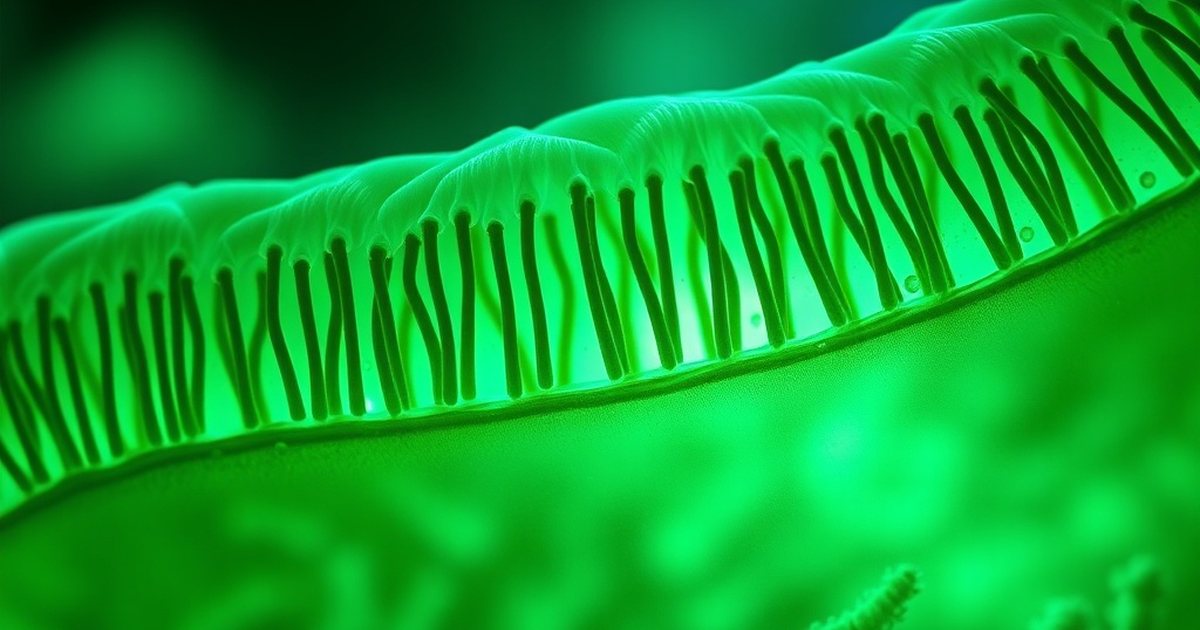
Akkermansia muciniphila is a gram-negative bacterium that colonises the gut’s mucus layer, comprising more than 1% of the microbiome in healthy adults. Its proposed mechanisms include mucin degradation that drives mucus layer renewal, upregulation of tight-junction proteins that reinforce intestinal barrier integrity, and signalling through its outer-membrane protein Amuc_1100, which interacts with toll-like receptor 2 and is proposed to stimulate GLP-1 secretion. These pathways are why researchers have linked it to improvements in insulin sensitivity and cardiometabolic markers.
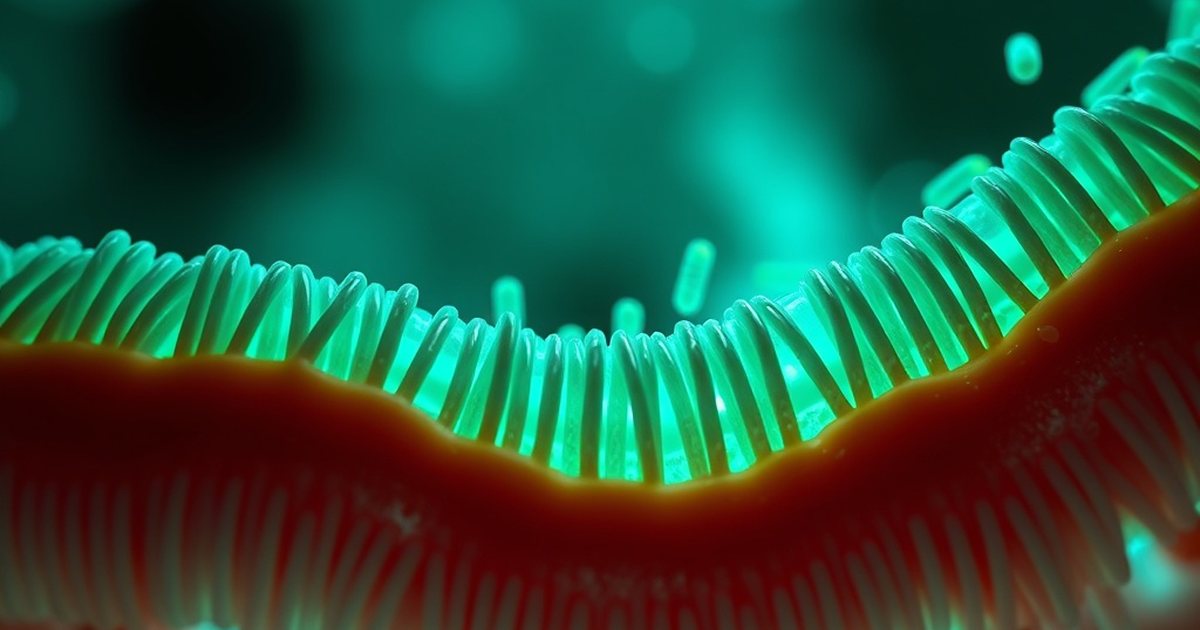
Understanding the mechanism matters for safety because Akkermansia is not a conventional lactic-acid probiotic. Being gram-negative, it carries lipopolysaccharide (LPS) on its cell membrane. In individuals with a significantly compromised gut barrier, LPS can trigger inflammatory responses. This is one reason researchers have explored pasteurised rather than live formulations, and it anchors the theoretical risk profile for people with severe intestinal permeability issues or active systemic immune activation.
What Clinical Trials Report on Tolerability
Human intervention trials that have enriched or directly administered Akkermansia have generally reported a mild adverse-event profile. A 2026 randomised, double-blind, placebo-controlled trial found that oleoylethanolamide supplementation in adults with obesity significantly enriched Akkermansia muciniphila and modulated intestinal barrier function without notable safety signals [1]. Trials using dietary and botanical interventions to enrich the bacterium have similarly proceeded without reporting serious treatment-related harms.
A separate randomised, placebo-controlled trial in patients with biochemically recurrent prostate cancer, which tracked Akkermansia modulation as a microbiome outcome, likewise conducted systematic safety monitoring in a population where gut microbiome interventions carry additional scrutiny [3]. These trials collectively contribute to a picture of Akkermansia enrichment as generally tolerable across diverse adult populations.
The broader probiotic, prebiotic, and synbiotic literature — including studies examined in the context of obesity and metabolic outcomes — confirms that GI-related symptoms are the most common adverse-event category, while serious adverse events remain rare in otherwise healthy or metabolically compromised adults [2]. Animal models, including Akkermansia administration in LPS-stressed broilers [4] and gut microbiota modulation in zebrafish models of metabolic dysfunction [5], have not raised additional safety concerns, though animal findings cannot be directly extrapolated to humans.
Common Self-Reported Side Effects
User-reported experiences, drawn from online communities and product reviews, most commonly describe transient gastrointestinal symptoms in the first one to two weeks of supplementation. These include mild bloating, increased gas, and loose stools — experiences familiar with any probiotic or prebiotic intervention that shifts gut microbiome composition. The majority of users who report these symptoms note that they resolve as the gut adjusts.
Less commonly, users report mild nausea, particularly when capsules are taken on an empty stomach. A meaningful subset reports no GI effects at all. Reports of persistent or severe symptoms are uncommon, and any GI disturbance that does not resolve within two to three weeks, or that is severe, should prompt discontinuation and a conversation with a clinician. There is no large-scale, systematically collected user-safety database specifically for Akkermansia products, so user reports are inherently anecdotal and subject to reporting bias in both directions.
Who Should Exercise Caution
Immunocompromised individuals represent the population for whom caution is most clearly warranted. This includes people receiving chemotherapy, organ transplant recipients on immunosuppressive regimens, and individuals with HIV or primary immune deficiencies. Live probiotic organisms carry a theoretical risk of bacteraemia or systemic infection when gut integrity is compromised and immune surveillance is reduced. The general probiotic safety literature documents rare but real cases of sepsis in immunocompromised hosts [2], and Akkermansia is no exception to this concern.
People with active inflammatory bowel disease (IBD) occupy a nuanced position. Although Akkermansia abundance is often reduced in IBD and restoring it is an active research target, the acutely inflamed gut during a flare may respond differently to probiotic supplementation than a healthy intestine. The microbiome’s interaction with immunotherapy in extra-intestinal cancers — where Akkermansia has been implicated in modulating treatment response [6] — means that cancer patients on checkpoint inhibitors should treat Akkermansia supplementation as a decision requiring their oncology team’s input.
Pregnant and breastfeeding individuals have minimal Akkermansia-specific safety data available. As with all supplement categories where evidence in this population is absent, consultation with an obstetrician or midwife before use is the appropriate standard.
Pasteurised vs. Live Formulations: Does It Change the Risk?
Most commercially available Akkermansia supplements use pasteurised (heat-killed) bacteria rather than viable live cultures. The rationale is partly mechanistic — the Amuc_1100 outer-membrane protein retains biological activity after pasteurisation and is considered a key signalling molecule — and partly practical, since live Akkermansia is oxygen-sensitive and difficult to stabilise in an oral dose form.
From a safety standpoint, pasteurised formulations theoretically carry a lower risk of bacteraemia because the organisms cannot replicate or translocate. However, gram-negative bacterial cell walls retain LPS even after pasteurisation, meaning that pattern-recognition receptor stimulation remains possible in individuals with severely compromised intestinal barriers. The degree to which this is clinically meaningful at typical supplement doses has not been rigorously established. In practice, both live and pasteurised formats should still be treated as requiring physician approval for immunocompromised individuals and others in high-risk categories.
Drug Interactions and Special Clinical Situations
No well-characterised pharmacokinetic drug-drug interactions for Akkermansia supplements have been established in controlled clinical studies. However, several interaction categories warrant attention. Immunosuppressants — including calcineurin inhibitors used in transplantation and biologics used for autoimmune conditions — reduce the immune surveillance that ordinarily limits probiotic organisms in the gut and systemic circulation; concurrent use of any live probiotic alongside these agents requires medical guidance [2].
Antibiotics are a practical consideration: broad-spectrum antibiotic courses can significantly deplete Akkermansia and other gut commensals. Research on fecal microbiota transplantation demonstrates that strain-level colonisation dynamics after antibiotic disruption are complex and not always predictable [7], underscoring that the timing and context of any microbiome-modifying intervention matter. If a course of antibiotics is planned, discussing Akkermansia timing with a clinician or pharmacist is reasonable.
In oncology, evidence that Akkermansia abundance correlates with improved response to checkpoint-inhibitor immunotherapy [6] has generated genuine research interest. But this also means that cancer patients on immunotherapy should not self-administer Akkermansia supplements, as microbiome composition during active treatment is a consequential variable that oncologists may be actively managing.
🛒 Where to Buy Akkermansia muciniphila
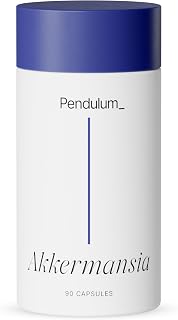
- Pendulum AkkermansiaLab-tested / studied
delayed-release capsules, 100M AFU — The only patented live A. muciniphila strain (WB-STR-0001); single-strain with chicory inulin, third-party tested. - Codeage Akkermansia Muciniphila
capsules, 100M AFU, 90 ct — Lower-cost Akkermansia plus chicory inulin synbiotic; 3-month supply, gluten-free. - Double Wood Akkermansia Probiotic + Postbiotic
capsules, per label — Budget Akkermansia option marketed around GLP-1 and postbiotic support.
As an Amazon Associate we earn from qualifying purchases. Akkermansia is a live, oxygen-sensitive strain — choose a delayed-release, third-party-tested product with a stated live AFU count.
A Note on the Evidence
The human trial evidence for Akkermansia muciniphila safety is encouraging but limited in scale and duration; most available data come from short studies enriching the bacterium indirectly rather than from long-term direct-supplementation trials. Akkermansia supplements are not FDA-approved to treat, cure, or prevent any disease, and live probiotic formulations carry real risk for immunocompromised individuals, those on immunosuppressive therapy, and persons with active inflammatory bowel disease or cancer undergoing immunotherapy — these individuals should consult a qualified physician before use.

Frequently Asked Questions
Is Akkermansia safe to take daily?
For healthy adults, the available evidence from clinical trials enriching Akkermansia suggests it is generally well-tolerated over the study periods examined [2]. However, long-term safety data beyond a few months are limited, and Akkermansia supplements are not FDA-approved. Daily use by immunocompromised individuals, those on immunosuppressive drugs, or people with active IBD is not recommended without physician guidance.
Can Akkermansia cause digestive upset?
Transient digestive symptoms — bloating, gas, and loose stools — are the most commonly self-reported effects, consistent with what the broader probiotic and gut-microbiome-modulating literature describes [2]. These typically appear in the first one to two weeks and resolve without intervention. Persistent or severe GI symptoms should prompt discontinuation and evaluation by a clinician.
Is Akkermansia safe for people with cancer?
This requires case-by-case medical guidance. Research indicates that Akkermansia abundance may influence responses to checkpoint-inhibitor immunotherapy in extra-intestinal cancers [6], and Akkermansia modulation has been tracked as an outcome in cancer patient trials [3]. This means supplementing with Akkermansia during cancer treatment is not a straightforward self-care decision — patients should discuss it with their oncology team.
Can Akkermansia supplements be taken alongside antibiotics?
Antibiotics can significantly reduce gut bacterial populations including Akkermansia. FMT research demonstrates that strain-level colonisation dynamics after antibiotic disruption are complex and not always predictable [7]. While taking probiotics after antibiotics is common practice, there is no specific clinical guidance on optimal timing for Akkermansia; discussing timing with a clinician or pharmacist is reasonable, especially for long or broad-spectrum courses.
Are pasteurised Akkermansia supplements safer than live ones?
Pasteurised formulations cannot replicate or translocate, making bacteraemia theoretically less likely. The functional Amuc_1100 protein retains activity after heat treatment, so the primary proposed mechanism is preserved. That said, LPS from gram-negative cell walls remains present in killed cells, and neither format is categorically safe for immunocompromised individuals. Trial data on pasteurised formulations in adults has not revealed major safety concerns [1], but long-term data are limited.
Who should not take Akkermansia supplements?
Individuals who should avoid Akkermansia without physician approval include: immunocompromised persons (those undergoing chemotherapy, organ transplant recipients, individuals with HIV); people taking immunosuppressive medications or biologics; those with active IBD flares; cancer patients on immunotherapy; pregnant or breastfeeding individuals; and children, for whom no paediatric safety data exist [2]. This list is not exhaustive — when uncertain, consult a qualified healthcare provider.
References
- Batacan R et al. Oleoylethanolamide supplementation enriches Akkermansia muciniphila and modulates intestinal barrier function in adults with obesity: A randomized, double-blind, placebo-controlled trial. Gut microbes reports (2026). PMID 41924306
- Vallianou N et al. Probiotics, Prebiotics, Synbiotics, Postbiotics, and Obesity: Current Evidence, Controversies, and Perspectives. Current obesity reports (2020). PMID 32472285
- Mandl A et al. Muscadine Grape Skin Extract in Biochemically Recurrent Prostate Cancer: A Randomized, Placebo-Controlled, Biomarker-Enriched Trial in Patients With the SOD2 Ala/Ala Variant. The Prostate (2025). PMID 40325900
- Zhu R et al. Effects of Akkermansia muciniphila on growth, antioxidant status and jejunal transcriptome in LPS-stressed yellow-feathered broilers. Poultry science (2025). PMID 41192308
- Zhang F et al. ILA mitigates HFD-induced metabolic dysfunction via lipid-immune crosstalk and gut microbiota modulation in zebrafish. Fish & shellfish immunology (2025). PMID 40865746
- Mattavelli E et al. Harnessing the gut microbiota in extra-intestinal cancers: from causal evidence to immunotherapy strategies. Immunotherapy (2026). PMID 41873461
- Woodworth MH et al. Fecal microbiota transplantation promotes reduction of antimicrobial resistance by strain replacement. Science translational medicine (2023). PMID 37910603
These statements have not been evaluated by the Food and Drug Administration. This information is not intended to diagnose, treat, cure, or prevent any disease. Content is for informational purposes only and is not medical advice; consult a qualified healthcare provider before starting any supplement. As an Amazon Associate we earn from qualifying purchases.