Akkermansia muciniphila is a mucus-dwelling bacterium that makes up more than 1% of the gut microbiome in healthy adults[1]. It plays a proposed role in reinforcing the intestinal barrier, regulating immune signaling, and supporting metabolic processes including glucose control and GLP-1 secretion. When its abundance drops, researchers have observed associations with a range of metabolic, inflammatory, and digestive conditions, though establishing direct causation in humans remains an active area of study.
This article outlines the symptoms and conditions most consistently associated with depleted Akkermansia levels in the scientific literature. It is not a diagnostic guide, and low Akkermansia cannot be identified from symptoms alone: stool microbiome testing is needed for that. If you are experiencing any of the symptoms described here, consult a qualified healthcare provider rather than self-diagnosing or self-treating.
Key Takeaways
- Lower Akkermansia has been reported in some observational studies of obesity, type 2 diabetes and fatty liver disease, but findings are inconsistent across studies and may reflect reverse causation [5][7][8][9][10].
- A small 2019 pilot with pasteurized Akkermansia showed improved insulin sensitivity and lower total cholesterol in overweight or obese insulin-resistant adults, but a larger 142-adult trial in adults with metabolic syndrome missed its primary endpoint [11][6][12].
- Symptoms such as bloating, food sensitivities, elevated fasting glucose, and poor metabolic health markers can overlap with low Akkermansia, but none are specific to it; testing is needed for confirmation.
- Diet, fiber, polyphenols, calorie restriction and exercise have been linked to higher Akkermansia abundance in some studies, but few trials exist and much of the evidence is from mice or small studies [13][14][15].
- Associations with neurological and immune conditions are emerging but remain preliminary and should not be interpreted as evidence that Akkermansia supplements treat those conditions.
What Akkermansia Does in the Gut
Akkermansia muciniphila colonizes the mucus layer lining the intestinal wall, where it degrades mucin as a carbon and energy source[2]. Far from simply consuming protective mucus, this process appears to stimulate the host to replenish mucin continuously, helping maintain a thick, structurally sound barrier between gut contents and the epithelial cells beneath.
The bacterium also produces short-chain fatty acids and signals through an outer-membrane protein called Amuc_1100, which interacts with toll-like receptor 2 on intestinal cells[3]. This interaction is thought to tighten the junctions between epithelial cells, reducing intestinal permeability. Additionally, Akkermansia has been proposed to influence the release of glucagon-like peptide-1 (GLP-1), a hormone involved in appetite regulation and insulin secretion. These multiple proposed mechanisms help explain why its depletion is associated with such a diverse range of conditions.

Increased Intestinal Permeability (Leaky Gut)
One of the most studied consequences of low Akkermansia is a weakening of the intestinal barrier. When the mucus layer thins and tight junctions between epithelial cells loosen, bacterial components such as lipopolysaccharides (LPS) can translocate into the bloodstream: a process sometimes described colloquially as ‘leaky gut.’ This low-grade endotoxemia is a proposed driver of systemic inflammation.
Research note: In older Japanese adults, Akkermansia was undetectable in 356 people (45.3%), and a noodle-based dietary pattern was associated with lower odds of having it detected [36].
In mice, treatment with live Akkermansia has been linked to a thicker mucus layer, while heat-killed cells did not improve mucus layer thickness in one study. Human data are more limited: studies in people with type 2 diabetes have reported lower Akkermansia than controls, but a systematic review found differences inconsistent across studies, and human data linking low Akkermansia to measured gut permeability are limited [4][16][17][9]. Symptoms associated with impaired intestinal barrier function can be non-specific: bloating, abdominal discomfort, food sensitivities, and general malaise are commonly reported, though none are specific to Akkermansia depletion alone.
Metabolic Dysfunction: Obesity, Insulin Resistance, and Type 2 Diabetes
Reduced Akkermansia abundance has been reported in people with type 2 diabetes. In overweight and obese adults, baseline Akkermansia was inversely related to fasting glucose and waist-to-hip ratio, and in a case-control study relative Akkermansia was lower in diabetes than in controls, yet it was detected in more people with diabetes (90%) than controls (74%). A systematic review found these differences inconsistent across studies [5][16][9].
A randomized, placebo-controlled pilot trial in 40 overweight or obese insulin-resistant adults (32 completed) found that pasteurized Akkermansia muciniphila taken for three months improved insulin sensitivity by 28.62% and lowered insulinemia by 34.08% and plasma total cholesterol by 8.68% compared with placebo, while the live preparation did not significantly improve insulin sensitivity. Pasteurization is used partly because Akkermansia is oxygen sensitive. This trial was important as early direct human evidence, though it was small, and a later 142-adult trial in adults with metabolic syndrome did not meet its primary endpoint of insulin sensitivity [6][11][18][12].
The proposed mechanism centers on Akkermansia’s role in GLP-1 secretion and intestinal barrier integrity. When the barrier is compromised, LPS-driven inflammation can interfere with insulin signaling in peripheral tissues. Restoring barrier function may therefore reduce one upstream driver of insulin resistance, though the full causal picture in humans is not yet established.
Cardiovascular Risk Markers
Beyond blood glucose, low Akkermansia has been associated with adverse lipid profiles and other cardiovascular risk factors. Cardiovascular findings are mostly from mice: oral Akkermansia reversed Western diet-induced worsening of atherosclerotic lesions in Apoe-deficient mice, and live Akkermansia reversed atherosclerosis in Psrc1 knockout mice [19][20].
The same 2019 pilot in overweight or obese insulin-resistant adults reported a plasma total cholesterol reduction of 8.68% in the pasteurized Akkermansia group versus placebo [6]. Again, the sample size was small and these findings should be interpreted cautiously. The proposed pathway involves reduced endotoxemia lowering inflammatory tone in the liver and vasculature, which in turn moderates lipid metabolism. Akkermansia depletion alone is unlikely to explain cardiovascular risk, which is multifactorial, but it may represent one modifiable microbiome component among many.
Inflammatory and Immune Conditions
Lower Akkermansia abundance has been reported in active ulcerative colitis (in colonic biopsies), but it was higher in people with multiple sclerosis, so the pattern is not one-directional [21][22]. In IBD specifically, the pattern is complex: some studies find Akkermansia depleted during flares, while others report elevated levels, possibly as a response to a damaged mucus layer rather than a cause of it. The directionality in IBD remains unresolved.
Outside of IBD, the immune-modulating properties of Amuc_1100 are thought to help calibrate mucosal immune responses, potentially reducing inappropriate inflammatory activation. Low levels could theoretically shift immune tone toward a more pro-inflammatory state. This is an active research area with promising mechanistic data but limited high-quality human intervention studies to date.
Neurological and Mental Health Associations
An emerging body of literature has begun to examine Akkermansia in the context of the gut-brain axis. Lower abundance was reported in ulcerative colitis patients with depression, but Akkermansia was higher in Parkinson’s disease (a meta-analysis of six datasets), in multiple sclerosis, and in Alzheimer’s disease in a small Iranian study. These are observational associations and not evidence of causation [23][24][22][25].
In Parkinson’s disease, gut microbiome dysbiosis is increasingly recognized as a feature of the condition, and Akkermansia was increased, not depleted, in a meta-analysis of six shotgun datasets, an association not shown to cause disease [24][22]. In animal models, Akkermansia appears to influence neuroinflammation and intestinal permeability in ways that may have downstream effects on neural tissue, but extrapolating from rodent models to human neurological disease requires great caution. Mental health associations are similarly preliminary and confounded by diet, medication use, and lifestyle factors that independently affect both the gut microbiome and mental health outcomes.
These associations are included here because they appear in the peer-reviewed literature, not because Akkermansia supplementation is established as a treatment for any neurological or psychiatric condition. It is not.
Factors That Deplete Akkermansia
Understanding what lowers Akkermansia levels is as relevant as knowing its associations. A high-fat diet depleted Akkermansia in mice, while cranberry and green tea extracts raised it in mice. Inulin raised it in one trial in people with diabetes (as summarized in a review) but not in a pilot in type 1 diabetes, and a review says the diet evidence is not clear [26][15][27][13][28]. Akkermansia is a mucin specialist; without dietary signals that maintain mucin production, the substrate it depends on diminishes.
Antibiotic effects are mixed: antibiotic use was associated with low Akkermansia in cancer patients, but oral vancomycin raised it in a small inpatient study. Chronic restraint stress lowered Akkermansia in mice, and findings on aging are mixed [29][30][23][31][32]. Metformin, paradoxically, is among the drugs associated with increased Akkermansia levels, which some researchers have proposed contributes to its metabolic benefits, though this remains a hypothesis. Proton pump inhibitors and certain other medications may reduce abundance. If you have recently completed antibiotic treatment or follow a diet low in diverse plant fiber, these are the most actionable factors to address.
🛒 Where to Buy Akkermansia muciniphila
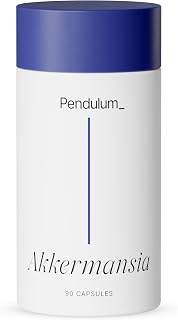
- Pendulum Akkermansia
delayed-release capsules, 100M AFU: Live A. muciniphila strain (WB-STR-0001); single-strain with chicory inulin, third-party tested. - Codeage Akkermansia Muciniphila
capsules, 100M AFU, 90 ct: Lower-cost Akkermansia plus chicory inulin synbiotic; 3-month supply, gluten-free. - Double Wood Akkermansia Probiotic + Postbiotic
capsules, per label: Budget Akkermansia option marketed around GLP-1 and postbiotic support.
As an Amazon Associate we earn from qualifying purchases. Akkermansia is a live, oxygen-sensitive strain: choose a delayed-release, third-party-tested product with a stated live AFU count.
A Note on the Evidence
The evidence linking low Akkermansia to specific health conditions is largely observational or derived from small early-phase human trials, and no Akkermansia supplement is FDA-approved to diagnose, treat, cure, or prevent any disease. Individuals who are immunocompromised, taking immunosuppressive therapy, pregnant, or managing active inflammatory bowel disease should speak with a physician before using any probiotic supplement, including Akkermansia formulations.

Frequently Asked Questions
Can I tell from symptoms alone that I have low Akkermansia?
No. The symptoms associated with low Akkermansia (such as bloating, metabolic dysfunction, and increased inflammation) are non-specific and shared with dozens of other conditions. A comprehensive stool microbiome test is the only way to assess your Akkermansia levels. Symptom-based self-diagnosis is not reliable.
Is Akkermansia depletion the cause of these conditions, or just associated with them?
Mostly associated, based on current evidence. The bulk of human data is observational, meaning low Akkermansia and the condition appear together but we cannot confirm which came first or whether the relationship is causal. Animal and mechanistic studies support plausible causal pathways, but large, well-controlled human intervention trials are still limited.
Who should be cautious about taking live Akkermansia supplements?
People who are immunocompromised, on immunosuppressive medications, or managing active inflammatory bowel disease should consult a physician before taking any live probiotic, including live Akkermansia formulations. Most available human trial data used pasteurized rather than live Akkermansia, which may carry a different safety and efficacy profile. These supplements are not FDA-approved to treat or prevent any disease.
What foods or habits best support Akkermansia?
Inulin-rich fibers and polyphenol-rich foods such as pomegranate, cranberries and green tea have been linked to higher Akkermansia abundance in some studies, mostly in mice, and inulin did not raise it in a type 1 diabetes pilot. Few diet trials exist, and no trial shows that raising Akkermansia through diet improves health [13][28][15][27].
Does Akkermansia directly affect blood sugar and insulin?
Proposed mechanisms include improving intestinal barrier integrity to reduce LPS-driven inflammation that impairs insulin signaling, and stimulating GLP-1 secretion, which has been shown in cells and mice. A small placebo-controlled pilot in overweight or obese insulin-resistant adults found improved insulin sensitivity with pasteurized Akkermansia over three months, but a larger 142-adult trial in adults with metabolic syndrome missed its primary endpoint [11][12][34][35].
Is pasteurized Akkermansia as effective as live Akkermansia?
In the 2019 pilot in overweight or obese insulin-resistant adults, pasteurized Akkermansia improved insulin sensitivity versus placebo, while the live preparation did not significantly do so. The trial was small, and mouse studies disagree about which form works better, with one finding that viable cells were needed. Whether pasteurized or live formulations are preferable for specific outcomes remains an open research question [11][4][33].
References
- Derrien M et al. The Mucin degrader Akkermansia muciniphila is an abundant resident of the human intestinal tract. Applied and environmental microbiology (2008). PMID 18083887
- Derrien M et al. Akkermansia muciniphila gen. nov., sp. nov., a human intestinal mucin-degrading bacterium. International journal of systematic and evolutionary microbiology (2004). PMID 15388697
- Plovier H et al. A purified membrane protein from Akkermansia muciniphila or the pasteurized bacterium improves metabolism in obese and diabetic mice. Nature medicine (2017). PMID 27892954
- Everard A et al. Cross-talk between Akkermansia muciniphila and intestinal epithelium controls diet-induced obesity. Proceedings of the National Academy of Sciences of the United States of America (2013). PMID 23671105
- Dao MC et al. Akkermansia muciniphila and improved metabolic health during a dietary intervention in obesity: relationship with gut microbiome richness and ecology. Gut (2016). PMID 26100928
- Depommier C et al. Supplementation with Akkermansia muciniphila in overweight and obese human volunteers: a proof-of-concept exploratory study. Nature medicine (2019). PMID 31263284
- Ching‐Tang Shih et al. Akkermansia muciniphila is Negatively Correlated with Hemoglobin A1c in Refractory Diabetes. Microorganisms (2020). PMID 32899513
- Lee NY et al. Lactobacillus attenuates progression of nonalcoholic fatty liver disease by lowering cholesterol and steatosis. Clinical and molecular hepatology (2021). PMID 33317254
- Letchumanan G et al. Gut Microbiota Composition in Prediabetes and Newly Diagnosed Type 2 Diabetes: A Systematic Review of Observational Studies. Frontiers in cellular and infection microbiology (2022). PMID 36046745
- European Food Safety Authority (NDA Panel) Safety of pasteurised Akkermansia muciniphila as a novel food pursuant to Regulation (EU) 2015/2283. European Food Safety Authority (NDA Panel) (2021). source
- Liu Y et al. Pasteurized Akkermansia muciniphila as a candidate multi-effector pharmacological system in the gut-liver axis: evidence, unresolved causality, and translational priorities. Frontiers in pharmacology (2026). PMID 42846334
- Suenaert P et al. Effect of pasteurized Akkermansia muciniphila MucT on insulin sensitivity, body composition, and GLP-1 production in subjects with metabolic syndrome: impact of low baseline gut Akkermansia levels. Gut microbes (2026). PMID 42343233
- Sanne Verhoog et al. Dietary Factors and Modulation of Bacteria Strains of Akkermansia muciniphila and Faecalibacterium prausnitzii: A Systematic Review. Nutrients (2019). PMID 31336737
- Yu M et al. Effects of anti-aging diets and exercise on age-related musculoskeletal diseases via gut microbiota modulation. Annals of medicine (2026). PMID 42773801
- Fernando F. Anhê et al. A polyphenol-rich cranberry extract protects from diet-induced obesity, insulin resistance and intestinal inflammation in association with increased Akkermansia spp. population in the gut microbiota of mice. Gut (2014). PMID 25080446
- Saiedi E et al. Comparative analysis of gut microbiota composition in the fecal samples from type 2 diabetes mellitus patients and healthy individuals: a case control study. Iranian journal of microbiology (2025). PMID 41510046
- Zhang Z et al. Acylated Ghrelin Mediates the Link Between Akkermansia Abundance and Insulin Resistance in Type 2 Diabetes. Journal of diabetes research (2025). PMID 40799671
- Fatemeh Ashrafian et al. Extracellular vesicles and pasteurized cells derived from Akkermansia muciniphila protect against high-fat induced obesity in mice. Microbial Cell Factories (2021). PMID 34863163
- Jin Li et al. Akkermansia Muciniphila Protects Against Atherosclerosis by Preventing Metabolic Endotoxemia-Induced Inflammation in Apoe −/− Mice. Circulation (2016). PMID 27143680
- Wu Q et al. Proline/serine-rich coiled-coil 1 alleviates atherosclerosis via remodeling tryptophan metabolism mediated by Akkermansia muciniphila. Experimental & molecular medicine (2026). PMID 41792233
- Helen Earley et al. The abundance of Akkermansia muciniphila and its relationship with sulphated colonic mucins in health and ulcerative colitis. Scientific Reports (2019). PMID 31666581
- Wenhui Lei et al. Akkermansia muciniphila in neuropsychiatric disorders: friend or foe?. Frontiers in Cellular and Infection Microbiology (2023). PMID 37492530
- Chen T et al. Akkermansia muciniphila Protects Against Psychological Disorder-Induced Gut Microbiota-Mediated Colonic Mucosal Barrier Damage and Aggravation of Colitis. Frontiers in cellular and infection microbiology (2021). PMID 34722332
- Nishiwaki H et al. Meta-analysis of shotgun sequencing of gut microbiota in Parkinson's disease. NPJ Parkinson's disease (2024). PMID 38773112
- Ahmadi S et al. Altered gut microbiota, SCFAs, and barrier integrity markers in Alzheimer's and Parkinson's disease patients. Letters in applied microbiology (2026). PMID 41591395
- Liang X et al. Dietary fat alters goblet cell function and microbial bile acid metabolism to promote intestinal lipid absorption in mice. Nature microbiology (2026). PMID 42271159
- Gurley BJ et al. Decaffeinated Green Tea Extract Does Not Elicit Hepatotoxic Effects and Modulates the Gut Microbiome in Lean B6C3F₁ Mice. Nutrients (2019). PMID 30987244
- Ojetti V et al. Efficacy of inulin supplementation in metabolic control and Akkermansia muciniphila levels in subjects with type 1 diabetes: a pilot study. European review for medical and pharmacological sciences (2026). PMID 41636295
- Vancheswaran Gopalakrishnan et al. Gut microbiome modulates response to anti-PD-1 immunotherapy in melanoma patients. Science (2017). PMID 29097493
- Basolo A et al. Effects of underfeeding and oral vancomycin on gut microbiome and nutrient absorption in humans. Nature medicine (2020). PMID 32235930
- Elena Biagi et al. Through Ageing, and Beyond: Gut Microbiota and Inflammatory Status in Seniors and Centenarians. PLoS ONE (2010). PMID 20498852
- Wang Fang et al. Gut Microbiota Community and Its Assembly Associated with Age and Diet in Chinese Centenarians. Journal of Microbiology and Biotechnology (2015). PMID 25839332
- Fatemeh Ashrafian et al. Comparative effects of alive and pasteurized Akkermansia muciniphila on normal diet-fed mice. Scientific Reports (2021). PMID 34504116
- Wenxuan Di et al. Heterologous expression of P9 from Akkermansia muciniphila increases the GLP-1 secretion of intestinal L cells. World Journal of Microbiology and Biotechnology (2024). PMID 38727988
- Li Y et al. Peptide LKLKLL is a more effective component of Akkermansia muciniphila which regulate glucolipid metabolism through GLP-1/GIP dual modulation. Gut microbes (2026). PMID 42473065
- Naito Y et al. Low Prevalence and Abundance of Akkermansia in Older Japanese Adults: Inverse Association with a Noodle-Based Dietary Pattern but Not with Physical Function. Microorganisms (2026). PMID 42655074
These statements have not been evaluated by the Food and Drug Administration. This information is not intended to diagnose, treat, cure, or prevent any disease. Content is for informational purposes only and is not medical advice; consult a qualified healthcare provider before starting any supplement. As an Amazon Associate we earn from qualifying purchases.