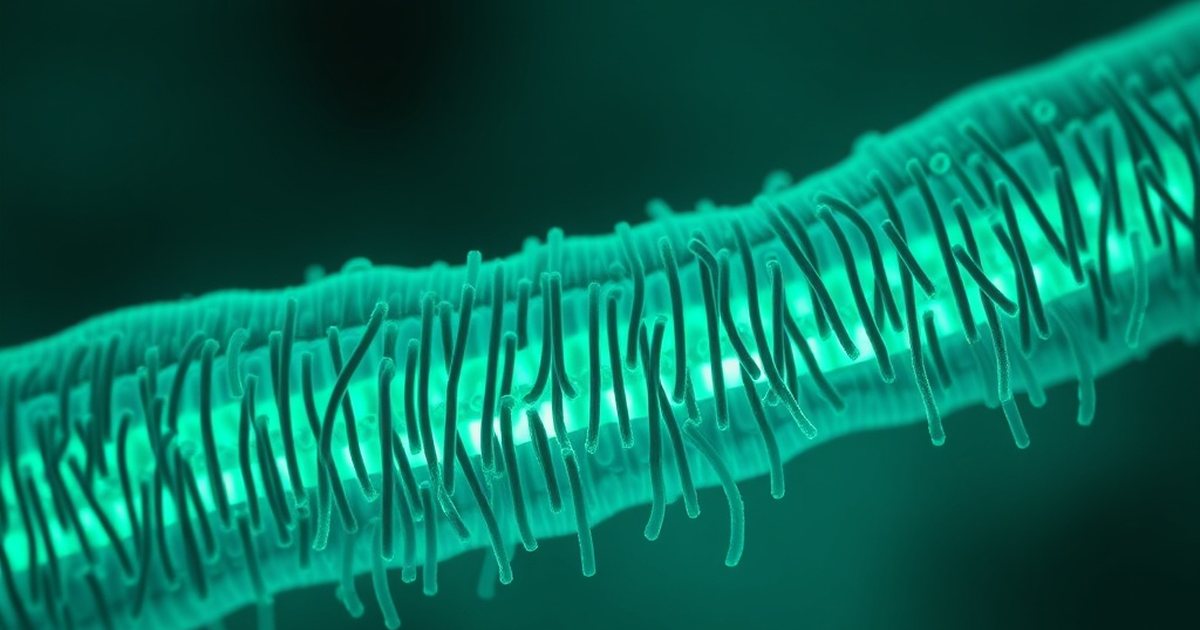
Deep inside your large intestine, a thin but critical barrier separates trillions of microbes from your bloodstream. That barrier is the mucus layer — a gel-like coating produced continuously by goblet cells lining the intestinal wall. Most gut bacteria keep their distance from this layer, but one species, Akkermansia muciniphila, makes it home.
Research interest in Akkermansia has grown steadily because its unusual niche — living directly within the mucus — appears to be central to how it interacts with host physiology. Understanding why this bacterium chooses the mucus layer, and what it does there, helps explain why scientists are investigating it in the context of metabolic health, intestinal barrier integrity, and GLP-1 signaling.
Key Takeaways
- Akkermansia muciniphila is uniquely adapted to colonize the intestinal mucus layer by encoding enzymes that break down mucin glycans for nutrients.
- Its proximity to the epithelium is central to proposed mechanisms involving tight-junction support, barrier integrity, and GLP-1 stimulation — but most mechanistic data are from animal and cell models.
- The outer-membrane protein Amuc_1100 is a focus of research because of its potential to activate anti-inflammatory TLR2 signaling; pasteurized formulations retain this protein.
- Early human trials suggest modest cardiometabolic benefits, but they are small and short-term — findings should not be overstated.
- Diet — particularly fiber diversity and polyphenol intake — is a practical, evidence-supported way to maintain Akkermansia colonization naturally.
What the Gut Mucus Layer Actually Is
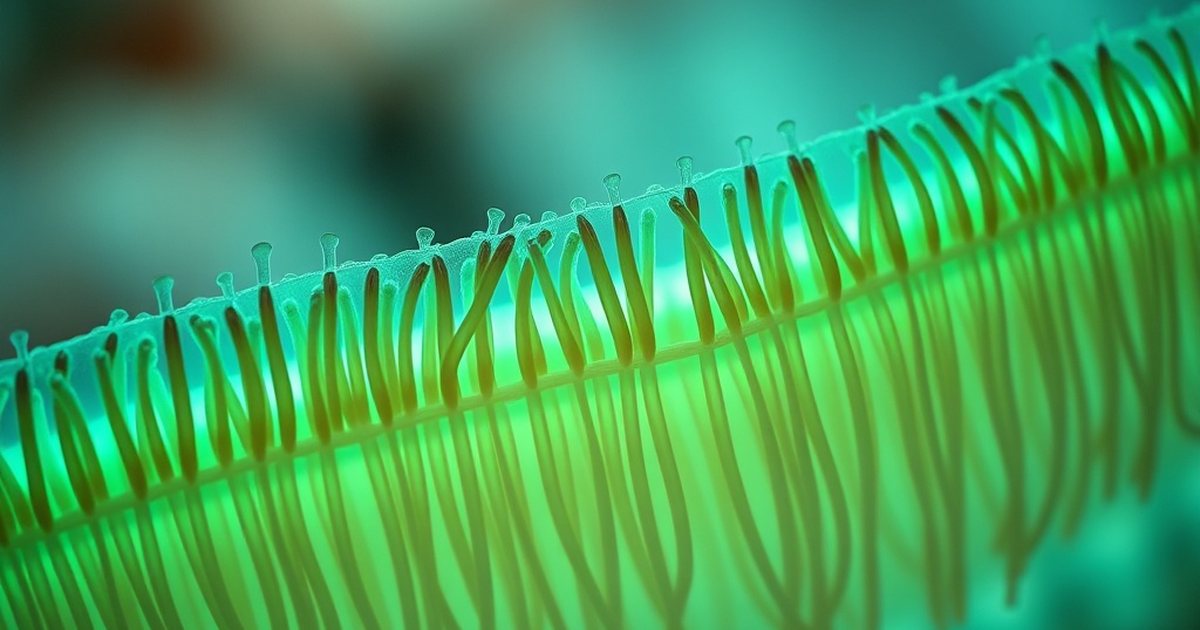
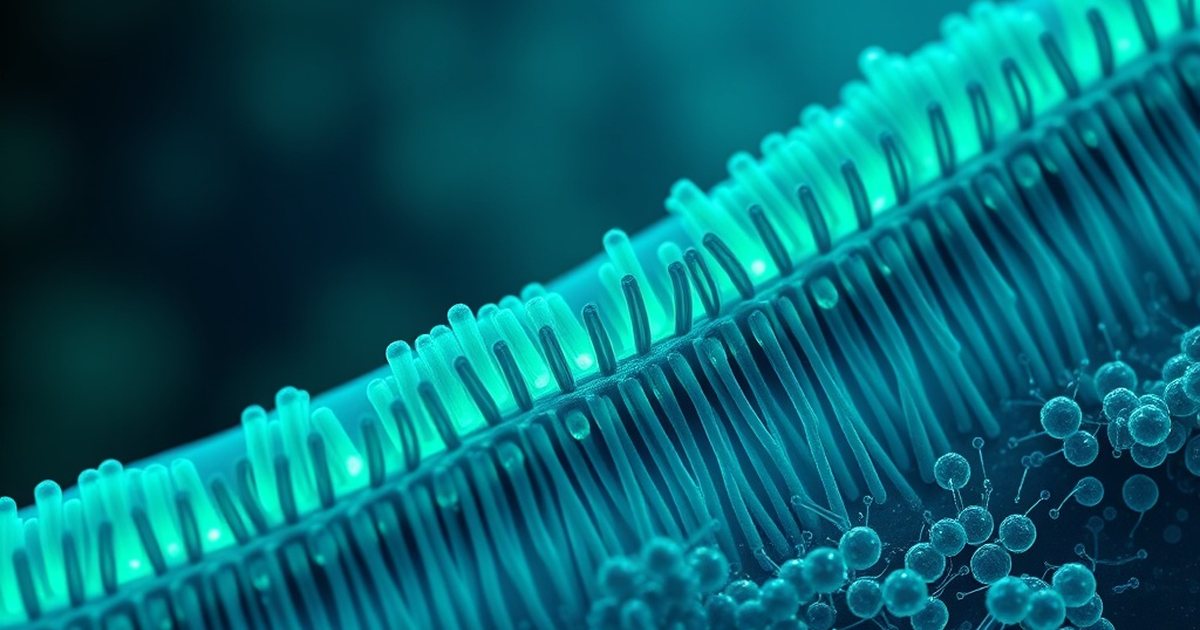
The intestinal mucus layer is not static slime — it is a dynamic, structured hydrogel composed primarily of MUC2 glycoproteins secreted by goblet cells. In the colon, this layer exists in two zones: a dense inner layer that is largely sterile and sits directly on the epithelium, and a looser outer layer where most commensal microbes reside.[1]
The mucus layer serves several simultaneous functions. It acts as a physical barrier preventing luminal bacteria and their products from reaching epithelial cells and triggering inflammation. It also provides lubrication for the passage of intestinal contents, and — critically for Akkermansia — it contains an enormous supply of glycans that can serve as a carbon and nitrogen source for specialized bacteria.[2]
Goblet cells constantly replenish mucin secretions, meaning the mucus layer turns over regularly. Any organism that degrades mucins faster than they are replaced risks compromising barrier function. A key question in Akkermansia research is whether the bacterium’s mucin-degrading activity is ultimately net-positive (stimulating faster renewal and upregulating tight junctions) or whether it can become problematic under certain conditions.
How Akkermansia Establishes Its Niche in Mucus
Akkermansia muciniphila encodes a large repertoire of carbohydrate-active enzymes — glycoside hydrolases and sulfatases — that allow it to break down the O-glycan side chains decorating MUC2 mucins.[3] This capacity for mucin degradation is rare among gut commensals and explains why Akkermansia can thrive in an ecological zone where most organisms cannot compete for nutrients.
The bacterium’s gram-negative outer membrane includes specialized adhesins that allow it to physically anchor to mucin fibers, giving it stable residence near the epithelium. Among these outer-membrane components, the Amuc_1100 protein has received particular attention from researchers because of its proposed interactions with host immune and metabolic signaling pathways.
Akkermansia typically represents more than 1% of the total gut microbiome in healthy adults, but its abundance is not uniform. It declines with obesity, type 2 diabetes, aging, and antibiotic use — observations that have motivated studies asking whether restoring its abundance might reverse some of those associated health changes.
The Mucus Layer Connection to Intestinal Barrier Integrity
A healthy mucus layer is one of the first lines of defense against what researchers call ‘leaky gut’ — increased intestinal permeability that allows bacterial lipopolysaccharides (LPS) and other immune-activating molecules to reach systemic circulation. When the mucus layer thins or becomes disrupted, the underlying epithelium is exposed to luminal contents that would normally never contact it.
Proposed mechanisms by which Akkermansia may support barrier integrity include upregulation of tight-junction proteins such as claudin-3 and occludin, which seal the spaces between adjacent epithelial cells. Some research suggests that Akkermansia-derived metabolites and outer-membrane proteins signal goblet cells to increase mucin production — a potential positive feedback loop where controlled mucin degradation stimulates faster mucin renewal rather than net depletion.[4]
It is important to be precise here: most mechanistic evidence on these pathways comes from mouse models and cell-line studies. Human data on intestinal permeability endpoints are more limited and less consistent, and the field has not yet established clear causality between Akkermansia colonization and improved barrier function in humans.
Amuc_1100: The Outer-Membrane Protein Drawing Attention
Among the structural components of Akkermansia, the outer-membrane protein Amuc_1100 has been studied because it appears to activate Toll-like receptor 2 (TLR2) on intestinal epithelial and immune cells. TLR2 signaling in this context is associated with anti-inflammatory responses and reinforcement of tight-junction complexes — a different outcome from the inflammatory TLR4 signaling triggered by gram-negative LPS.[5]
Preclinical work with heat-treated Akkermansia (which retains Amuc_1100 on intact outer-membrane vesicles) has shown effects comparable to or exceeding those seen with live bacteria in some metabolic models.[5] This is one reason some commercially available formulations use pasteurized rather than live Akkermansia — an approach that also addresses safety concerns around live probiotic use in vulnerable populations.
Human clinical data on Amuc_1100 specifically are early. Researchers are working to determine whether the concentrations of Amuc_1100 that produce effects in cell culture are achievable at the mucosal surface following oral supplementation, and whether individual variation in existing Akkermansia colonization modulates the response.
GLP-1 Secretion and Metabolic Connections
Glucagon-like peptide-1 (GLP-1) is an incretin hormone secreted by enteroendocrine L-cells in the intestinal epithelium. It stimulates insulin secretion in a glucose-dependent manner, suppresses glucagon, slows gastric emptying, and promotes satiety. Because Akkermansia resides close to the epithelium where L-cells are concentrated, researchers have proposed that its metabolic outputs — including short-chain fatty acids from mucin fermentation — may directly stimulate GLP-1 release.
Several human trials have examined cardiometabolic outcomes in adults with overweight or metabolic syndrome who received Akkermansia supplementation. These trials have reported modest improvements in insulin sensitivity and some cardiometabolic markers compared to placebo[6], while fasting glucose was not affected. However, the trials have been small, short in duration, and conducted in specific populations — findings should not be generalized to all individuals or treated as equivalent to pharmaceutical interventions.
It is also worth noting that the gut microbiome is a complex ecosystem. Changes in Akkermansia abundance do not occur in isolation; shifts in one species typically ripple through community structure in ways that are difficult to attribute to a single organism.
What Influences Akkermansia Abundance Naturally
Diet is the most modifiable driver of Akkermansia colonization. Dietary patterns high in fermentable fibers — particularly inulin-type fructans found in chicory, garlic, onions, and leeks — appear to support Akkermansia growth, likely because fiber fermentation by other bacteria produces environmental conditions and cross-feeding substrates that favor it. Polyphenol-rich foods such as pomegranate, cranberry, and green tea have also been associated with higher Akkermansia abundance in observational and some intervention studies.
Conversely, high-fat diets — particularly those high in saturated fat — and antibiotic courses are consistently associated with reduced Akkermansia. Aging is an independent factor: abundance tends to decline after middle age. Sleep disruption and chronic psychological stress have also been linked to lower colonization in smaller studies.
For individuals interested in supporting Akkermansia through diet before considering supplementation, increasing dietary fiber diversity and reducing ultra-processed food intake represents a reasonable and well-supported foundation. Whether direct supplementation adds meaningfully beyond dietary approaches has not yet been established in head-to-head trials.
🛒 Where to Buy Akkermansia muciniphila
- Pendulum AkkermansiaLab-tested / studied
delayed-release capsules, 100M AFU — The only patented live A. muciniphila strain (WB-STR-0001); single-strain with chicory inulin, third-party tested. - Codeage Akkermansia Muciniphila
capsules, 100M AFU, 90 ct — Lower-cost Akkermansia plus chicory inulin synbiotic; 3-month supply, gluten-free. - Double Wood Akkermansia Probiotic + Postbiotic
capsules, per label — Budget Akkermansia option marketed around GLP-1 and postbiotic support.
As an Amazon Associate we earn from qualifying purchases. Akkermansia is a live, oxygen-sensitive strain — choose a delayed-release, third-party-tested product with a stated live AFU count.

A Note on the Evidence
The human evidence base for Akkermansia supplementation remains early — most trials are small, short-term, and conducted in specific populations; findings should not be extrapolated broadly. Individuals who are immunocompromised, taking immunosuppressive medications, pregnant, or managing active inflammatory bowel disease should consult a qualified healthcare provider before using any live or pasteurized probiotic supplement. This article is informational only and does not constitute medical advice.
Frequently Asked Questions
Is Akkermansia supposed to be in my gut?
Yes. Akkermansia muciniphila is a natural resident of the human gut and is typically present in healthy adults at more than 1% of the total microbiome. Its absence or very low abundance has been associated with metabolic and inflammatory conditions in observational research, though whether low abundance causes those conditions or results from them remains an active area of investigation.
Does Akkermansia actually damage the mucus layer by eating it?
This is a reasonable concern. Akkermansia does degrade mucin glycans, but proposed positive feedback mechanisms suggest that controlled degradation may stimulate goblet cells to increase mucin production, resulting in net renewal rather than depletion. In animal models of disease where the mucus layer is already thin, some studies have found Akkermansia helpful rather than harmful — but this area requires more human research to draw firm conclusions.
What is Amuc_1100 and why do supplement labels mention it?
Amuc_1100 is an outer-membrane protein of Akkermansia that has been studied for its ability to interact with TLR2 receptors on intestinal and immune cells, potentially supporting anti-inflammatory signaling and tight-junction integrity. It is heat-stable, meaning pasteurized Akkermansia formulations retain it. Some supplement manufacturers highlight Amuc_1100 content as a quality marker, though human clinical data on this specific protein are still early.
Can I raise my Akkermansia levels through diet alone?
Dietary approaches — particularly increasing intake of inulin-rich prebiotic fibers (chicory root, garlic, onions, Jerusalem artichoke) and polyphenol-rich foods (pomegranate, cranberry, green tea) — are consistently associated with higher Akkermansia abundance in observational and some intervention studies. This is generally the first-line recommendation before considering supplementation.
Is it safe to take an Akkermansia supplement?
For healthy adults, available clinical data suggest good tolerability. However, live probiotic formulations carry potential risks for immunocompromised individuals, those on immunosuppressive therapy, or people with active inflammatory bowel disease. Pasteurized formulations may reduce but not eliminate risk. Anyone in these categories should consult a physician before use. Akkermansia supplements are not FDA-approved to treat, cure, or prevent any disease.
How is Akkermansia related to GLP-1 and blood sugar?
Akkermansia resides near L-cells in the intestinal epithelium that secrete GLP-1, an incretin hormone involved in insulin regulation and satiety. Proposed mechanisms include short-chain fatty acid production from mucin fermentation and direct Amuc_1100 signaling stimulating L-cell activity. Small human trials have reported modest improvements in insulin sensitivity with Akkermansia supplementation, though fasting glucose was not affected, and these findings come from limited, short-duration studies and should not be interpreted as a treatment for diabetes or prediabetes.
References
- Johansson ME et al. The inner of the two Muc2 mucin-dependent mucus layers in colon is devoid of bacteria. Proceedings of the National Academy of Sciences of the United States of America (2008). PMID 18806221
- Derrien M et al. Akkermansia muciniphila gen. nov., sp. nov., a human intestinal mucin-degrading bacterium. International journal of systematic and evolutionary microbiology (2004). PMID 15388697
- van Passel MW et al. The genome of Akkermansia muciniphila, a dedicated intestinal mucin degrader, and its use in exploring intestinal metagenomes. PloS one (2011). PMID 21390229
- Everard A et al. Cross-talk between Akkermansia muciniphila and intestinal epithelium controls diet-induced obesity. Proceedings of the National Academy of Sciences of the United States of America (2013). PMID 23671105
- Plovier H et al. A purified membrane protein from Akkermansia muciniphila or the pasteurized bacterium improves metabolism in obese and diabetic mice. Nature medicine (2017). PMID 27892954
- Depommier C et al. Supplementation with Akkermansia muciniphila in overweight and obese human volunteers: a proof-of-concept exploratory study. Nature medicine (2019). PMID 31263284
These statements have not been evaluated by the Food and Drug Administration. This information is not intended to diagnose, treat, cure, or prevent any disease. Content is for informational purposes only and is not medical advice; consult a qualified healthcare provider before starting any supplement. As an Amazon Associate we earn from qualifying purchases.