Akkermansia muciniphila has attracted serious scientific attention as a next-generation probiotic candidate, with proposed roles in strengthening the intestinal barrier, supporting insulin sensitivity, and stimulating GLP-1 secretion. Unlike conventional probiotic strains, Akkermansia is an anaerobic bacterium that lives in the mucus layer of the gut, which creates real challenges for product formulation, particularly around keeping cells viable from manufacturing through digestion.
One of the most debated questions in the Akkermansia supplement space is whether pasteurized (heat-killed) or live bacterial cells deliver better outcomes. The answer is not as intuitive as it might seem. Early preclinical findings suggest that killing the bacteria does not necessarily eliminate its beneficial effects, and may in certain contexts preserve or even concentrate the activity of specific outer-membrane proteins. This article walks through what the current evidence shows, where the gaps are, and what to consider before choosing a formulation.
Key Takeaways
- Pasteurized Akkermansia preserved key metabolic benefits in preclinical mouse studies and the active component Amuc_1100 appears to survive mild heat treatment [1].
- Live Akkermansia has theoretical advantages in colonization potential but faces serious formulation challenges due to its oxygen sensitivity [7][8].
- The only human trial that tested both forms (a 2019 pilot of 40 enrolled adults) found improved insulin sensitivity with the pasteurized arm but not the live arm; it was too small to show that one form is superior [5][6].
- A 2025 systematic review raises context-dependent complexity around Akkermansia’s role in colorectal cancer, underscoring that host factors matter [2].
- Neither form is FDA-approved for any medical indication; the evidence base is primarily preclinical and early-stage.
What Makes Akkermansia muciniphila Different from Conventional Probiotics
Most commercially available probiotics (lactobacilli, bifidobacteria) are aerobic or facultatively anaerobic organisms that have been studied in human populations for decades. Akkermansia muciniphila sits in a different category. It is oxygen sensitive, which limits dosing protocols, although lab work found it tolerates some oxygen, and it colonizes [7][8] the mucus layer of the large intestine rather than the lumen. This ecological niche is central to its proposed mechanisms: the bacterium degrades mucin as a nutrient source, a process thought to stimulate host mucin renewal and reinforce barrier integrity.
Researchers have classified Akkermansia as a next-generation beneficial microbe, recognizing that its biology and the evidence supporting it differ meaningfully from older probiotic categories [3]. Its outer membrane contains a protein called Amuc_1100, which has emerged as a key signaling molecule in preclinical work. Understanding how pasteurization interacts with this protein is central to the live-versus-pasteurized debate.

The Pivotal Preclinical Finding: Pasteurized Cells and Amuc_1100
The most frequently cited piece of evidence in this comparison comes from a 2017 study in Nature Medicine, which tested live Akkermansia, pasteurized Akkermansia, and a purified preparation of Amuc_1100 in obese and diabetic mice fed a high-fat diet [1]. The results were notable: pasteurized bacteria improved metabolic parameters (including reduced fat mass gain, improved glucose tolerance, and reduced metabolic endotoxemia) to a degree comparable to or exceeding that seen with live bacteria in this study, although other mouse work found heat-killed cells did not work and live cells did best in an immunotherapy model [9][10]. Purified Amuc_1100 alone reproduced several of these metabolic effects.
Research note: In a Caco-2 intestinal cell line, pasteurized A. muciniphila upregulated tight junction and immune-related genes more effectively than the live form [14].
The implication is significant. Amuc_1100 was reported to be stable at the temperatures used for pasteurization and to interact with TLR2 in mice [1], which are proposed to mediate downstream effects on tight junctions and metabolic signaling [1]. The verified research does not address higher-temperature sterilization, so it is not known whether the effect is specific to pasteurization [1].

It is important to note that this work was conducted in mice, not humans. Mouse gut physiology, microbiome composition, and disease models do not map directly onto human conditions. These findings are hypothesis-generating and represent an early evidence stage, not clinical proof of efficacy in people.
The Theoretical Case for Live Akkermansia
Proponents of live formulations argue that viable cells offer advantages that pasteurized preparations cannot replicate. A living organism can, at least in principle, transiently colonize the gut, reproduce, and interact dynamically with the existing microbial community. This colonization potential is the traditional rationale for using viable probiotics: the idea that a live strain might persist long enough to meaningfully shift microbial ecology.
Live Akkermansia also produces metabolites and signals throughout its lifecycle that a heat-killed preparation would not generate in the same way. Short-chain fatty acids, mucin turnover products, and other bioactive outputs depend on active metabolism. Whether these additional outputs translate to meaningfully superior outcomes in humans compared to pasteurized forms is not currently established in head-to-head clinical trials.
A practical challenge with live Akkermansia is formulation stability. As an oxygen-sensitive bacterium, it is vulnerable to oxygen exposure [7][8] during manufacturing, packaging, storage, and transit through the upper gastrointestinal tract. Maintaining viable cell counts through shelf life and through the acidic stomach environment requires significant technological investment, and label claims about colony-forming units may not always reflect what reaches the colon.
Emerging Research Areas: Stress, Metabolic Health, and Gut-Brain Signaling
Beyond metabolic outcomes, researchers have begun exploring Akkermansia’s potential relevance to the gut-brain axis and stress physiology. A 2024 review in Microbiome Research Reports examined the available evidence for Akkermansia’s possible role in stress management, highlighting proposed pathways involving intestinal barrier function, immune modulation, and interactions with the enteric nervous system [4]. The authors note that gut barrier disruption is associated with systemic inflammatory states that may influence mood and stress responses, and that bacteria capable of supporting barrier integrity are therefore of interest.
The caveat here is the same as for metabolic research: much of this work remains preclinical or associational. Identifying that Akkermansia abundance correlates with certain outcomes in observational studies is not the same as demonstrating that supplementation with either form causes those outcomes. The field is early, and claims that go beyond what controlled trials have shown should be read skeptically.
Safety Signals and the Pathobiont Question
One of the most important counterpoints to uncritical enthusiasm about Akkermansia supplementation comes from a 2025 systematic review in BMC Gastroenterology, which examined evidence for a potential pathobiont role of Akkermansia muciniphila in colorectal cancer [2]. A pathobiont is an organism that is typically commensal at normal abundance but may contribute to disease under certain conditions, such as inflammation, immune dysregulation, or dysbiosis.
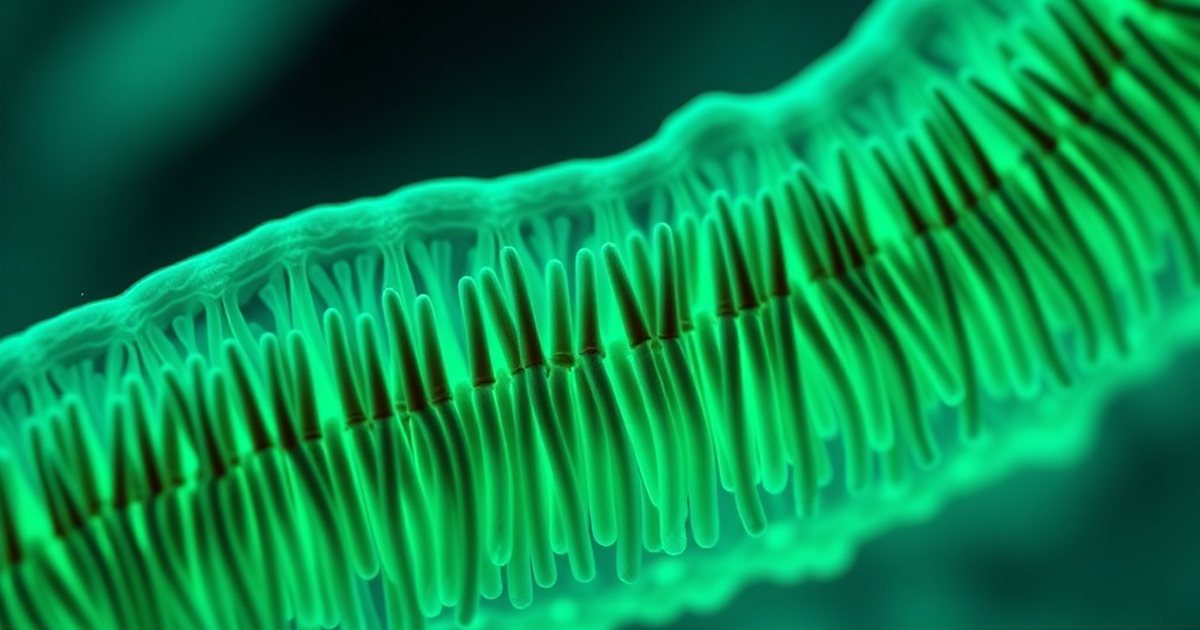
The review found that the relationship between Akkermansia and colorectal cancer is complex and context-dependent, with some studies reporting elevated Akkermansia in colorectal cancer patients while others report depletion [2]. The authors do not conclude that Akkermansia causes colorectal cancer, but the findings underscore that blanket assumptions of benefit are not warranted, and that host context, immune status, and baseline microbiome composition may all influence outcomes.
This complexity is relevant to the live-versus-pasteurized debate because live bacteria, with greater potential for colonization and metabolic activity, might carry different risk profiles than inert pasteurized preparations in susceptible individuals. Neither form has been fully characterized for long-term safety in diverse human populations.
In the EU only pasteurized Akkermansia has been authorised (2022), and EFSA required its viable count to be under 10 CFU/g. EFSA also noted that safety in pregnant and lactating women has not been established [12][13].
How to Think About Form When Considering Akkermansia Supplements
Based on the preclinical evidence available, pasteurized Akkermansia has the more robust mechanistic rationale at this time. The identification of Amuc_1100 as an active component that survives mild heat treatment, and the finding that pasteurized preparations matched or exceeded live bacteria in some mouse metabolic models (others found the opposite), together with the 2019 human pilot in which only the pasteurized arm improved insulin sensitivity, gives pasteurized formulations a defensible but unproven basis [5][1][9]. They also tend to offer practical advantages in stability, oxygen sensitivity, and shelf life.
Live formulations retain theoretical appeal for those prioritizing colonization potential and full metabolic output of a living organism, but they face higher formulation hurdles and lack head-to-head human trial data demonstrating superiority. If a live product cannot reliably deliver viable cells to the colon, which is a significant manufacturing challenge given Akkermansia’s oxygen sensitivity [7][8]the theoretical advantage evaporates.
Regardless of form, consumers should apply the same skepticism they would to any supplement in an early-evidence category: the preclinical data is interesting, human trials are limited and often small, and no Akkermansia supplement is FDA-approved to treat, cure, or prevent any disease.
🛒 Where to Buy Akkermansia muciniphila
- Pendulum Akkermansia
delayed-release capsules, 100M AFU: Live A. muciniphila strain (WB-STR-0001); single-strain with chicory inulin, third-party tested. - Codeage Akkermansia Muciniphila
capsules, 100M AFU, 90 ct: Lower-cost Akkermansia plus chicory inulin synbiotic; 3-month supply, gluten-free. - Double Wood Akkermansia Probiotic + Postbiotic
capsules, per label: Budget Akkermansia option marketed around GLP-1 and postbiotic support.
As an Amazon Associate we earn from qualifying purchases. Akkermansia is a live, oxygen-sensitive strain: choose a delayed-release, third-party-tested product with a stated live AFU count.
A Note on the Evidence
The evidence for Akkermansia muciniphila in humans is limited and largely preclinical; mouse findings do not reliably predict human outcomes, and no Akkermansia supplement is FDA-approved to treat, cure, or prevent any disease. Individuals who are immunocompromised, taking immunosuppressive medications, or have active inflammatory bowel disease should consult a physician before using any Akkermansia supplement, particularly live formulations.

Frequently Asked Questions
Why might pasteurized Akkermansia work as well as live cells?
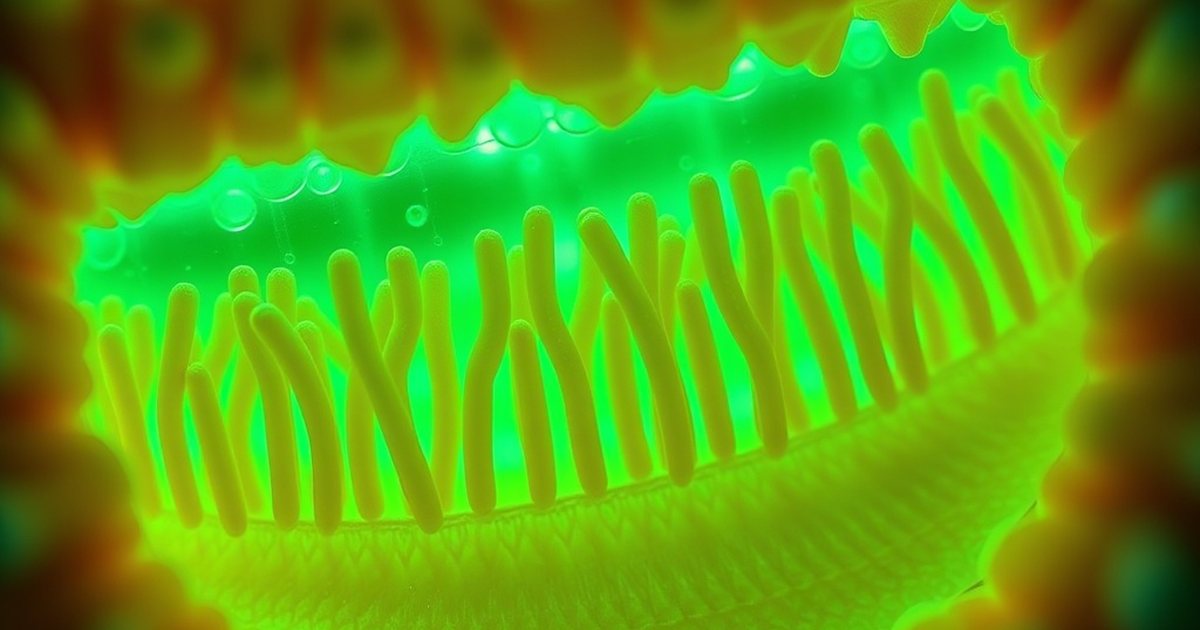
Heat treatment at moderate temperatures appears to preserve the structural integrity of Amuc_1100, an outer-membrane protein that interacts with TLR2 receptors on intestinal epithelial cells. In mouse studies, both pasteurized Akkermansia and purified Amuc_1100 alone reproduced several metabolic benefits seen with live bacteria [1]. The implication is that certain effects attributed to Akkermansia may be protein-mediated rather than dependent on living, replicating organisms.
Is there human clinical trial evidence for Akkermansia supplementation?
Preclinical mouse data from metabolic disease models is the most cited evidence to date [1]. A 2019 pilot (40 enrolled) found improved insulin sensitivity with a pasteurized preparation but not a live one, and a 2026 trial of 142 adults missed its primary endpoint; the authors of the 2026 trial include employees of the product maker [5][6][11]. The current state of evidence does not support strong clinical claims for either form, and larger, well-controlled human trials are needed before definitive conclusions can be drawn.
Does Akkermansia supplementation affect stress or mental health?
There is emerging interest in Akkermansia’s possible role in gut-brain axis signaling and stress physiology, with proposed pathways involving intestinal barrier integrity and immune modulation [4]. However, this research is early and largely preclinical or associational. No direct clinical evidence currently supports recommending Akkermansia specifically for stress or mood outcomes.
Are there safety concerns with Akkermansia supplements?
A 2025 systematic review noted a complex, context-dependent relationship between Akkermansia and colorectal cancer, with some studies showing elevated levels in cancer patients, warranting careful interpretation [2]. Live probiotic formulations carry potential risk for immunocompromised individuals, those on immunosuppressive therapy, or persons with active inflammatory bowel disease. Anyone in these categories should consult a physician before use.
Is Akkermansia muciniphila a traditional probiotic?
Not in the conventional sense. Researchers have categorized it as a next-generation beneficial microbe, distinct from well-established probiotic genera like Lactobacillus and Bifidobacterium [3]. It is strictly anaerobic, occupies the mucus layer rather than the intestinal lumen, and the mechanisms proposed for its benefits differ from those of classical probiotic organisms.
What form of Akkermansia is available in supplements?
Both pasteurized and live formulations have reached the consumer market. Pasteurized preparations tend to be more shelf-stable given Akkermansia’s sensitivity to oxygen. Live formulations require careful encapsulation and cold-chain handling to maintain viable cell counts. Label claims about colony-forming units for live products should be evaluated critically, as viability through manufacturing, storage, and gastrointestinal transit is difficult to guarantee.
References
- Plovier H et al. A purified membrane protein from Akkermansia muciniphila or the pasteurized bacterium improves metabolism in obese and diabetic mice. Nature medicine (2017). PMID 27892954
- Soheilipour M et al. The pathobiont role of Akkermansia muciniphila in colorectal cancer: a systematic review. BMC gastroenterology (2025). PMID 41062951
- Cani PD et al. Next-Generation Beneficial Microbes: The Case of Akkermansia muciniphila. Frontiers in microbiology (2017). PMID 29018410
- Misera A et al. Possible application of Akkermansia muciniphila in stress management. Microbiome research reports (2024). PMID 39741949
- Liu Y et al. Pasteurized Akkermansia muciniphila as a candidate multi-effector pharmacological system in the gut-liver axis: evidence, unresolved causality, and translational priorities. Frontiers in pharmacology (2026). PMID 42846334
- Depommier C et al. Supplementation with Akkermansia muciniphila in overweight and obese human volunteers: a proof-of-concept exploratory study. Nature medicine (2019). PMID 31263284
- Martín Sebastián Marcial-Coba et al. Viability of microencapsulated Akkermansia muciniphila and Lactobacillus plantarum during freeze-drying, storage and in vitro simulated upper gastrointestinal tract passage. Food & Function (2018). PMID 30362482
- Ouwerkerk JP et al. Adaptation of Akkermansia muciniphila to the Oxic-Anoxic Interface of the Mucus Layer. Applied and environmental microbiology (2016). PMID 27663027
- Amandine Everard et al. Cross-talk between Akkermansia muciniphila and intestinal epithelium controls diet-induced obesity. Proceedings of the National Academy of Sciences (2013). PMID 23671105
- Zhuxian Zhu et al. Landscape of tumoral ecosystem for enhanced anti-PD-1 immunotherapy by gut Akkermansia muciniphila. Cell Reports (2024). PMID 38819989
- Suenaert P et al. Effect of pasteurized Akkermansia muciniphila MucT on insulin sensitivity, body composition, and GLP-1 production in subjects with metabolic syndrome: impact of low baseline gut Akkermansia levels. Gut microbes (2026). PMID 42343233
- EFSA Panel on Nutrition et al. Safety of an extension of use of pasteurised Akkermansia muciniphila as a novel food pursuant to Regulation (EU) 2015/2283. EFSA journal. European Food Safety Authority (2025). PMID 41018002
- European Food Safety Authority (NDA Panel) Safety of pasteurised Akkermansia muciniphila as a novel food pursuant to Regulation (EU) 2015/2283. European Food Safety Authority (NDA Panel) (2021). source
- Fatemeh Ashrafian et al. Comparative effects of alive and pasteurized Akkermansia muciniphila on normal diet-fed mice. Scientific Reports (2021). PMID 34504116
These statements have not been evaluated by the Food and Drug Administration. This information is not intended to diagnose, treat, cure, or prevent any disease. Content is for informational purposes only and is not medical advice; consult a qualified healthcare provider before starting any supplement. As an Amazon Associate we earn from qualifying purchases.