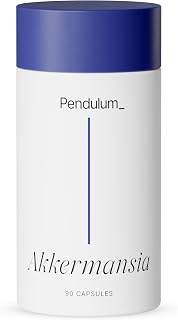
Akkermansia muciniphila is a gram-negative bacterium that colonizes the mucus layer lining your intestines. In a healthy gut it accounts for more than 1 percent of the total microbial population, making it one of the more abundant residents of the large intestine. Unlike most gut bacteria that ferment dietary fiber for energy, Akkermansia specializes in using mucin, the gel-forming protein that constitutes your gut’s protective mucus barrier, as its primary fuel source.
Over the past decade, research has associated higher Akkermansia abundance with improved metabolic markers, stronger intestinal barrier function, and better blood sugar regulation. Lower abundance has been reported in obesity and type 2 diabetes, and results in inflammatory bowel conditions differ by study [9][10][11]. While the science is still maturing and Akkermansia supplements are not approved by the FDA to treat or prevent any disease, understanding what this bacterium does and how dietary choices influence it is an increasingly relevant part of thinking about gut health.
Key Takeaways
- Akkermansia muciniphila inhabits the gut’s mucus layer and comprises more than 1% of a healthy microbiome, where it is proposed to support barrier integrity, tight-junction expression, and metabolic signaling.
- Proposed mechanisms include Amuc_1100 immune modulation and GLP-1 stimulation, but most mechanistic evidence comes from animal models and small early human trials.
- Urolithin A formation from pomegranate ellagitannins was associated with a high proportion of Akkermansia in human stool samples, though the extract inhibited Akkermansia growth in laboratory culture [1], and in a small uncontrolled study of 15 healthy adults, strawberry powder raised one Akkermansia muciniphila variant, with no health outcome linked to the change [2].
- Urolithin A, the ellagitannin-derived gut metabolite, is an emerging research focus for gut and liver health [3], though individual ability to produce it depends on existing microbiome composition.
- Akkermansia supplements are not FDA-approved treatments; immunocompromised individuals and those on immunosuppressive therapy should consult a physician before use.
Where Akkermansia Lives and Why That Location Matters
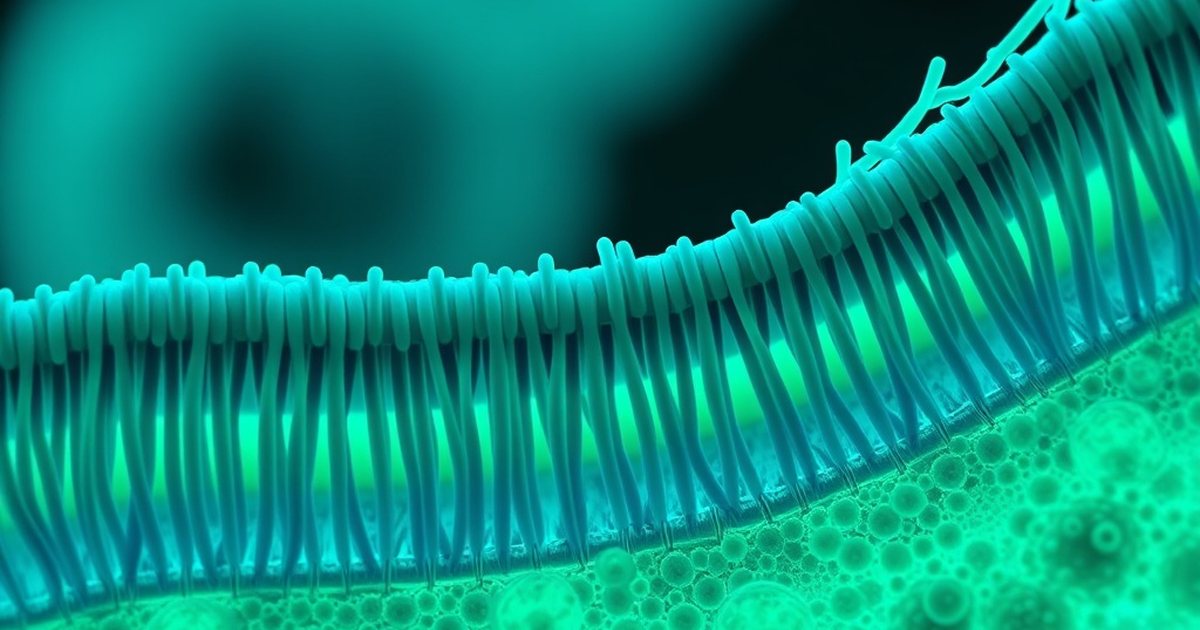
Most gut bacteria inhabit the lumen, the open interior of the intestine, where they ferment fibers and produce short-chain fatty acids. Akkermansia muciniphila occupies a more specialized niche: the mucus layer itself, the thin gel that separates the intestinal lining from the dense bacterial mass inside the gut cavity. This position gives it outsized influence on the integrity of that protective barrier.
The mucus layer acts as a physical shield, preventing bacteria, toxins, and undigested food particles from making direct contact with the epithelial cells that line the gut wall. When this layer thins or becomes disrupted, a state colloquially called ‘leaky gut’, inflammatory signals can move into circulation. Akkermansia’s activity in this zone is thought to help maintain mucus thickness: as it grazes on existing mucin, it continuously stimulates the epithelium to produce more, creating a cycle of renewal rather than net depletion.

Proposed Mechanisms: How Akkermansia May Support Health
Several mechanisms have been proposed to explain Akkermansia’s influence on gut and metabolic health. One involves tight-junction proteins: the molecular seals between epithelial cells. Preclinical research has observed that higher Akkermansia abundance is associated with increased expression of tight-junction proteins such as claudin-3 and ZO-1, which help close the gut lining against unwanted molecular passage.
Research note: A. muciniphila is reported to stably colonize the human gut 1 year after birth and account for 1%-4% of the total gut microbiota [29].
A second mechanism centers on a specific outer-membrane protein called Amuc_1100. This protein can interact with Toll-like receptor 2 on immune cells, a proposed interaction that may modulate gut immune tone without triggering full-blown inflammation. Some researchers believe Amuc_1100 is partly responsible for effects observed even with pasteurized (heat-killed) preparations, which has practical implications for supplement formulation.
Third, Akkermansia has been linked to stimulation of glucagon-like peptide-1 (GLP-1) from gut enteroendocrine cells. GLP-1 is an incretin hormone that promotes insulin release, slows gastric emptying, and contributes to satiety signaling: all of which bear on blood sugar regulation and body weight. These mechanisms come mostly from cell and mouse work, and a review notes more human research is needed to prove clinical benefit; they describe proposed biology, not proven clinical outcomes [12][13][14].
What Depletes Akkermansia and What Supports It
Several population studies report lower Akkermansia abundance in people with diabetes, non-alcoholic fatty liver disease and obesity, though findings are not uniform: one case-control study found it detected in more people with type 2 diabetes (90%) than in controls (74%) even though the bacterial load was lower. Whether low abundance [15][9][16] is a cause or a consequence of these conditions remains an open question the current evidence cannot fully resolve.
A review links Western diets and ultra-processed foods to depletion of beneficial taxa such as Akkermansia, and in mice a high-fat diet thinned the mucus layer and depleted it. Few diet trials have measured Akkermansia, and those report abundance, not health outcomes. Some antibiotics, such as vancomycin, have been reported to raise abundance rather than lower it [17][18][19][20].
Pomegranate, Strawberries, and Polyphenol-Rich Foods
Pomegranate is one food that has been examined in relation to Akkermansia. It is rich in ellagitannins: a class of polyphenols that certain gut bacteria convert into smaller metabolites called urolithins. A human intervention study found that urolithin A formation from pomegranate ellagitannins was associated with a high proportion of Akkermansia muciniphila in stool, although in laboratory culture the extract inhibited its growth [1]. A study of 20 healthy volunteers given pomegranate extract found Verrucomicrobia (Akkermansia muciniphila) 33 and 47-fold higher in urolithin A producers than in non-producers at baseline and at 4 weeks [4], which is an association and shows the abundance already differed between people [4]. Sources disagree on which bacteria form urolithin A: a review lists A. muciniphila among them, while a culture study concluded other bacteria’s enzymes form it, so Akkermansia’s role in that conversion is unsettled [5][1].
Strawberries provide another polyphenol pathway. In a small uncontrolled study of 15 healthy adults, freeze-dried strawberry powder increased one Akkermansia muciniphila variant, and the increase reversed when strawberries stopped; no health outcome was linked to the Akkermansia change [2]. Strawberries contain ellagic acid and anthocyanins that serve as substrates for gut microbial metabolism, potentially enriching bacteria that occupy similar ecological niches to Akkermansia.
Urolithin A, the primary gut-derived metabolite produced when microbes process pomegranate and berry ellagitannins, has emerged as an active area of research in its own right. A 2024 study found that urolithin A alleviated chronic alcohol-related liver disease through pathways involving the gut microbiota-liver axis [3], although this was shown in mice and not in people [3]. An important caveat: not everyone produces urolithins efficiently, because conversion depends on which bacteria are already present in your gut.
Traditional Botanicals and Emerging Microbiome Research
Traditional botanical preparations are increasingly being studied for their effects on the gut microbiome. Research examining the classical Chinese medicine herb pair Coptis chinensis and Dolomiaea souliei found that these herbs influenced intestinal function and metabolomics parameters in ways consistent with improved gut barrier integrity [6]. While this work is preliminary and tested a specific formulation, it reflects a broader pattern: many plants with long histories of use contain polyphenols, alkaloids, and other compounds that appear capable of reshaping microbial ecology in the gut.
It is worth maintaining realistic expectations here. Most botanical interventions affecting Akkermansia have been tested in cell culture or animal models, or in small human trials with short follow-up periods. The presence of a relevant compound in a food does not guarantee that a concentrated extract delivers equivalent results, and dosing, formulation, bioavailability, and individual microbiome composition all influence what actually happens in any given person.
Akkermansia Supplements: What the Evidence Currently Shows
Commercial Akkermansia muciniphila supplements are available in several markets, most commonly as pasteurized preparations or encapsulated live cultures. A 2019 pilot in 40 overweight or obese insulin-resistant adults reported that pasteurized Akkermansia improved insulin sensitivity versus placebo while the live preparation did not. A later 142-adult trial in metabolic syndrome did not meet its primary insulin sensitivity endpoint, and its gains in people with low baseline Akkermansia were an exploratory subgroup finding. Authors of that trial include employees and a co-founder of the maker. The evidence is mixed and does not yet establish clinical efficacy for any medical condition [21][8][7].
For people looking to support Akkermansia through everyday choices, a diet centered on whole plant foods, particularly polyphenol-rich options such as pomegranates [1] and berries [2]is a reasonable starting point with a favorable risk profile. Direct supplementation may be worth discussing with a healthcare provider, especially for individuals with underlying health conditions.
🛒 Where to Buy Akkermansia muciniphila
- Pendulum Akkermansia
delayed-release capsules, 100M AFU: Live A. muciniphila strain (WB-STR-0001); single-strain with chicory inulin, third-party tested. - Codeage Akkermansia Muciniphila
capsules, 100M AFU, 90 ct: Lower-cost Akkermansia plus chicory inulin synbiotic; 3-month supply, gluten-free. - Double Wood Akkermansia Probiotic + Postbiotic
capsules, per label: Budget Akkermansia option marketed around GLP-1 and postbiotic support.
As an Amazon Associate we earn from qualifying purchases. Akkermansia is a live, oxygen-sensitive strain: choose a delayed-release, third-party-tested product with a stated live AFU count.
Akkermansia and Metabolic Health: Glucose and Weight Management
The interest in Akkermansia muciniphila as a “metabolic probiotic” stems from its association with better metabolic parameters in observational studies, which do not show cause. Several studies have observed lower levels of [24][25] Akkermansia in individuals with obesity, type 2 diabetes, and metabolic syndrome.
Impact on Glucose Metabolism
In an animal meta-analysis, A. muciniphila administration reduced fasting blood glucose, but in humans the evidence is mixed, as described below [22][23][8].
The human evidence is narrower than that, and the detail matters when you are choosing a product. The double-blind, placebo-controlled Nature Medicine pilot trial randomised 40 overweight or obese insulin-resistant adults (32 completed) to placebo, live A. muciniphila, or pasteurized A. muciniphila at 1010 cells daily for three months. The metabolic improvements came from the pasteurized arm (insulin sensitivity +28.62% (P = 0.002), fasting insulin −34.08% (P = 0.006), total cholesterol −8.68% (P = 0.02)) and the live arm did not reproduce them[7]. The trial reported no reduction in fasting glucose.
Nor has that held up unchallenged. A 2026 multicentre trial in 142 adults with metabolic syndrome missed its primary endpoint: insulin sensitivity did not differ from placebo after four months in the intention-to-treat analysis, with improvements confined to exploratory subgroups such as participants who started with low Akkermansia levels[8]. The honest summary is a promising but unsettled literature, not a demonstrated blood-sugar treatment.
Potential for Weight Management
While Akkermansia is not a magic bullet for weight loss, its influence on metabolic health extends to body weight regulation. A meta-analysis of animal studies found that Akkermansia administration reduced body weight gain, but the studies were short and larger, longer work is still needed [22].
In the 2019 human pilot, the weight change with pasteurized Akkermansia did not reach conventional significance (P = 0.091), so it does not show a weight-loss effect. A 90-adult trial found less weight regain after a low-energy diet with pasteurized Akkermansia than with placebo, but it was short and had no inactive-strain control. Effects on inflammation and gut barrier function in people are unproven [7][26].
A Note on the Evidence
The human trial evidence for Akkermansia supplements remains early (largely from small, short-term studies) and no supplement has been approved by the FDA to treat, cure, or prevent any disease. People who are immunocompromised, taking immunosuppressive medications, or managing active inflammatory bowel disease should consult a qualified healthcare provider before taking any probiotic containing Akkermansia muciniphila. This article is for informational purposes only and does not constitute medical advice.
Frequently Asked Questions
What does Akkermansia muciniphila actually do in the gut?
Akkermansia lives in and feeds on the intestinal mucus layer, which stimulates ongoing mucin renewal and helps maintain barrier thickness. It is also proposed to signal through its Amuc_1100 outer-membrane protein to modulate gut immune tone and to promote GLP-1 secretion, though most evidence for these mechanisms comes from preclinical work and early human trials, not large clinical studies.

Is low Akkermansia a sign of poor gut health?
Lower Akkermansia abundance has been reported in people with obesity and type 2 diabetes in several studies, though results are not uniform, and current data cannot establish [9][28] whether low levels cause these conditions or result from them. Diet quality, antibiotic history, and multiple lifestyle factors influence Akkermansia simultaneously, making causal conclusions difficult.
Can eating pomegranate increase Akkermansia?
Human research found that urolithin A formation from pomegranate ellagitannins was associated with a high proportion of Akkermansia in stool, although in laboratory culture the extract inhibited its growth [1], and a human study showed that pomegranate extract altered stool microbiota composition in healthy volunteers [4]. Whether typical dietary amounts produce the same shifts depends in part on whether a person hosts the bacteria needed to convert ellagitannins into active metabolites like urolithin A: a capacity that varies widely between individuals.
What is urolithin A and how does it relate to Akkermansia?
Urolithin A is a metabolite produced when gut microbes break down ellagitannins from pomegranates, strawberries, and walnuts. It has been studied for its effects on mitochondrial function and, more recently, the gut-liver axis [3]. Urolithin A production is not universal and requires specific microbial communities, and the authors of the pomegranate study concluded that A. muciniphila is not itself the urolithin A producer [1].
Are Akkermansia supplements safe?
Pasteurized Akkermansia has been reported as well tolerated in small trials in overweight or obese insulin-resistant adults, adults with metabolic syndrome and older adults, with adverse events balanced against placebo, though EFSA judged the 2019 pilot of limited value for safety [8][27][25]. However, live probiotic formulations carry a theoretical risk of bacteremia for people who are immunocompromised, taking immunosuppressive medications, or have active inflammatory bowel disease. No Akkermansia supplement is FDA-approved to treat or prevent any condition, and individuals with those risk factors should speak with a qualified healthcare provider before use.
What foods are best for supporting Akkermansia naturally?
Polyphenol-rich foods have been examined for effects on Akkermansia abundance, but the human evidence is small: a 20-person pomegranate study found Akkermansia higher in urolithin A producers, and a 15-person uncontrolled strawberry study raised one Akkermansia variant. Few diet trials have measured Akkermansia at all, and they report abundance, not health outcomes. Western diets and ultra-processed foods have been linked to lower levels [4][2][19][17].
References
- Henning SM et al. Pomegranate ellagitannins stimulate the growth of Akkermansia muciniphila in vivo. Anaerobe (2017). PMID 27940244
- Ezzat-Zadeh Z et al. California strawberry consumption increased the abundance of gut microorganisms related to lean body weight, health and longevity in healthy subjects. Nutrition research (New York, N.Y.) (2021). PMID 33450667
- Zhang H et al. MUP1 mediates urolithin A alleviation of chronic alcohol-related liver disease via gut-microbiota-liver axis. Gut microbes (2024). PMID 38889450
- Li Z et al. Pomegranate extract induces ellagitannin metabolite formation and changes stool microbiota in healthy volunteers. Food & function (2015). PMID 26189645
- Yin Y et al. Crosstalk between dietary pomegranate and gut microbiota: evidence of health benefits. Critical reviews in food science and nutrition (2024). PMID 37335106
- Wang T et al. The underlying rationality of Chinese medicine herb pair Coptis chinensis and Dolomiaea souliei: From the perspective of metabolomics and intestinal function. Journal of ethnopharmacology (2022). PMID 35122977
- Depommier C et al. Supplementation with Akkermansia muciniphila in overweight and obese human volunteers: a proof-of-concept exploratory study. Nature Medicine (2019). PMID 31263284
- Suenaert P et al. Effect of pasteurized Akkermansia muciniphila MucT on insulin sensitivity, body composition, and GLP-1 production in subjects with metabolic syndrome. Gut Microbes (2026). PMID 42343233
- Saiedi E et al. Comparative analysis of gut microbiota composition in the fecal samples from type 2 diabetes mellitus patients and healthy individuals: a case control study. Iranian journal of microbiology (2025). PMID 41510046
- Mireia López‐Siles et al. Alterations in the Abundance and Co-occurrence of Akkermansia muciniphila and Faecalibacterium prausnitzii in the Colonic Mucosa of Inflammatory Bowel Disease Subjects. Frontiers in Cellular and Infection Microbiology (2018). PMID 30245977
- Mengyu Zheng et al. The role of Akkermansia muciniphila in inflammatory bowel disease: Current knowledge and perspectives. Frontiers in Immunology (2023). PMID 36685588
- Dulai AS et al. The Gut Microbiome's Influence on Incretins and Impact on Blood Glucose Control. Biomedicines (2024). PMID 39767626
- Wenxuan Di et al. Heterologous expression of P9 from Akkermansia muciniphila increases the GLP-1 secretion of intestinal L cells. World Journal of Microbiology and Biotechnology (2024). PMID 38727988
- Yoon HS et al. Akkermansia muciniphila secretes a glucagon-like peptide-1-inducing protein that improves glucose homeostasis and ameliorates metabolic disease in mice. Nature microbiology (2021). PMID 33820962
- Ching‐Tang Shih et al. Akkermansia muciniphila is Negatively Correlated with Hemoglobin A1c in Refractory Diabetes. Microorganisms (2020). PMID 32899513
- Lee NY et al. Lactobacillus attenuates progression of nonalcoholic fatty liver disease by lowering cholesterol and steatosis. Clinical and molecular hepatology (2021). PMID 33317254
- Khial Y et al. Dietary patterns, gut microbiota, and gastrointestinal disorders: mechanistic insights into irritable bowel syndrome and inflammatory bowel disease. Reviews on environmental health (2026). PMID 42448648
- Liang X et al. Dietary fat alters goblet cell function and microbial bile acid metabolism to promote intestinal lipid absorption in mice. Nature microbiology (2026). PMID 42271159
- Sanne Verhoog et al. Dietary Factors and Modulation of Bacteria Strains of Akkermansia muciniphila and Faecalibacterium prausnitzii: A Systematic Review. Nutrients (2019). PMID 31336737
- Ouyang J et al. The Bacterium Akkermansia muciniphila: A Sentinel for Gut Permeability and Its Relevance to HIV-Related Inflammation. Frontiers in immunology (2020). PMID 32328074
- Liu Y et al. Pasteurized Akkermansia muciniphila as a candidate multi-effector pharmacological system in the gut-liver axis: evidence, unresolved causality, and translational priorities. Frontiers in pharmacology (2026). PMID 42846334
- Liu E et al. Akkermansia muciniphila for the Prevention of Type 2 Diabetes and Obesity: A Meta-Analysis of Animal Studies. Nutrients (2024). PMID 39458436
- Zhang Y et al. Akkermansia muciniphila supplementation in patients with overweight/obese type 2 diabetes: Efficacy depends on its baseline levels in the gut. Cell metabolism (2025). PMID 39879980
- Cani PD et al. Akkermansia muciniphila: paradigm for next-generation beneficial microorganisms. Nature reviews. Gastroenterology & hepatology (2022). PMID 35641786
- European Food Safety Authority (NDA Panel) Safety of pasteurised Akkermansia muciniphila as a novel food pursuant to Regulation (EU) 2015/2283. European Food Safety Authority (NDA Panel) (2021). source
- Mount S et al. Pasteurized Akkermansia muciniphila MucT for weight loss maintenance in people with overweight and obesity: a controlled randomized trial. Nature medicine (2026). PMID 42120725
- Kang CH et al. Pasteurized Akkermansia muciniphila HB05 (HB05P) Improves Muscle Strength and Function: A 12-Week, Randomized, Double-Blind, Placebo-Controlled Clinical Trial. Nutrients (2024). PMID 39683431
- Kobyliak N et al. Akkermansia muciniphila as a novel powerful bacterial player in the treatment of metabolic disorders. Minerva endocrinology (2022). PMID 35103461
- Zhen-Yang Gu et al. Akkermansia muciniphila in inflammatory bowel disease and colorectal cancer. Chinese Medical Journal (2021). PMID 34711719
These statements have not been evaluated by the Food and Drug Administration. This information is not intended to diagnose, treat, cure, or prevent any disease. Content is for informational purposes only and is not medical advice; consult a qualified healthcare provider before starting any supplement. As an Amazon Associate we earn from qualifying purchases.