Akkermansia muciniphila is a mucus-dwelling gut bacterium that has attracted serious scientific attention for its links to metabolic health, gut barrier integrity, and immune regulation. Unlike probiotics such as Lactobacillus or Bifidobacterium, Akkermansia is not naturally found in fermented foods or traditional probiotic supplements, which means the conversation about foods that increase Akkermansia looks quite different from most gut-health discussions. The good news is that diet can meaningfully influence how much of this bacterium thrives in your colon, primarily through the foods and compounds that feed it, create a hospitable environment for it, or trigger your body to produce the mucus layer it calls home.
Why You Cannot Eat Akkermansia Directly From Food
Akkermansia muciniphila is an endogenous bacterium, meaning it colonizes the human gut naturally during infancy and, under healthy conditions, persists throughout life. It is not a fermentation organism and is not present in yogurt, kefir, cheese, kimchi, or any other conventionally fermented food. For most of human history, we had no way to consume it deliberately at all. This means that dietary strategies for supporting Akkermansia levels are almost entirely about creating the right internal conditions rather than introducing the organism from outside. Think of it as cultivating a garden rather than planting a specific seed.
Foods That Increase Akkermansia: The Core Dietary Drivers
Research consistently points to a few categories of foods and dietary patterns that are associated with higher Akkermansia abundance in the gut. Most of these work by supplying the substrates Akkermansia needs to grow, or by shaping the broader microbial community in ways that allow it to flourish.
Polyphenol-Rich Foods
Polyphenols are plant compounds that reach the colon largely undigested, where gut bacteria metabolize them. Multiple human and animal studies have found that polyphenol intake is one of the strongest dietary predictors of Akkermansia abundance. A widely cited 2016 study published in Gut found that cranberry extract, which is dense in proanthocyanidins and other polyphenols, significantly increased Akkermansia in mice. Human observational data point in the same direction for a broad polyphenol-rich diet.
- Pomegranate: Pomegranate extract and juice contain ellagitannins that gut bacteria convert to urolithins; several studies have linked pomegranate consumption to increased Akkermansia counts in both animal models and small human trials.
- Cranberries: Rich in proanthocyanidins and quercetin; among the best-studied foods in this context.
- Berries (blueberries, blackberries, raspberries): High in anthocyanins and other flavonoids that selectively nourish beneficial bacteria including Akkermansia.
- Green tea: Catechins, particularly epigallocatechin gallate (EGCG), have been shown to increase Akkermansia in several animal studies and at least one small human intervention.
- Dark chocolate and raw cacao: Contain flavanols that reach the colon and appear to support Akkermansia growth.
- Red wine (in moderation): The resveratrol and other polyphenols in red wine are associated with higher Akkermansia in observational studies, though the alcohol component complicates interpretation.
Prebiotic Fibers and Resistant Starch
Although Akkermansia is best known for feeding on the mucus layer lining the gut, it also responds to certain fermentable fibers. More importantly, prebiotic fibers support the overall microbial ecosystem in ways that indirectly benefit Akkermansia. Inulin-type fructans, found in foods like chicory root, Jerusalem artichoke, leeks, onions, and garlic, are particularly well studied. Resistant starch from sources like green bananas, cooked-and-cooled potatoes, and legumes also appears supportive.
It is worth being straight about how thin the human evidence is here. There is no randomised trial showing that inulin raises Akkermansia abundance in people. The best-known inulin-type-fructan trial — 30 obese women taking 16 g per day for three months — found increases in Bifidobacterium and Faecalibacterium prausnitzii, with no such finding for Akkermansia[1]. Most of what is often cited for the fibre–Akkermansia link comes from animal work or from correlational human data, not from feeding trials with this bacterium as the outcome.
The strongest human dietary study points somewhere more interesting than “eat more fibre to raise it”. In 49 overweight and obese adults, baseline Akkermansia abundance was inversely related to fasting glucose and waist-to-hip ratio, and those who started with more of it saw the greatest improvement in insulin sensitivity after six weeks of calorie restriction. But the restriction itself reduced their Akkermansia abundance, even as their metabolic health improved[2]. A higher reading is a marker of a healthier gut ecosystem more than a dial you can turn directly, so treat the foods below as ways to feed a diverse microbiome rather than as a proven method of raising one species.
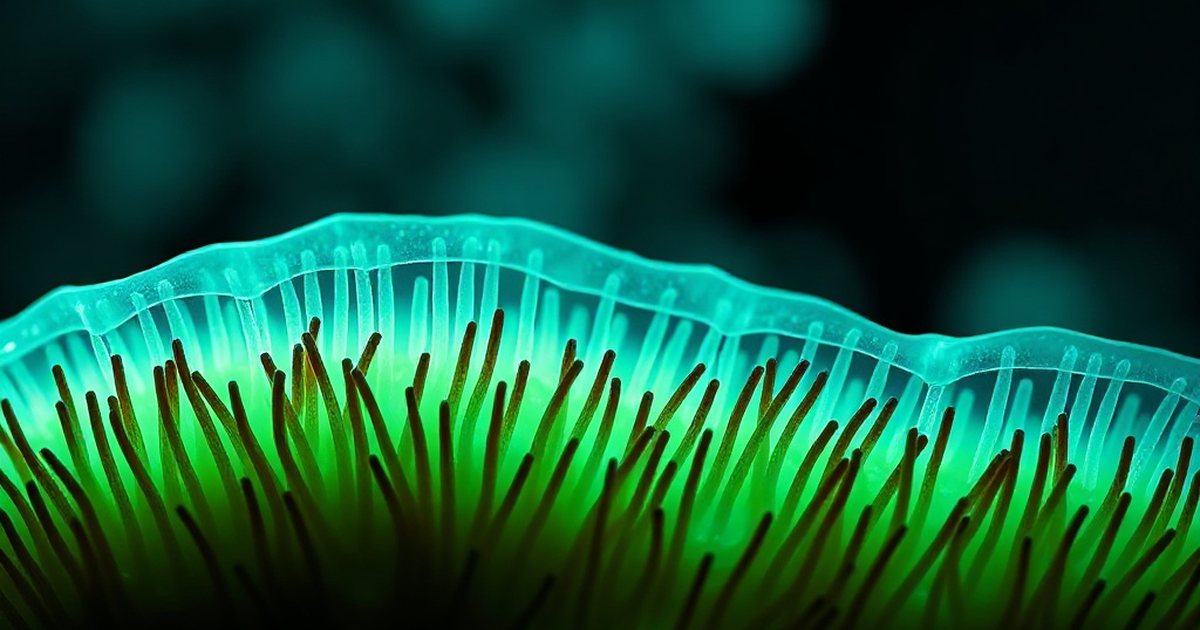
Omega-3 Fatty Acids
Fatty fish such as salmon, mackerel, sardines, and herring provide EPA and DHA, omega-3 fatty acids with well-documented anti-inflammatory effects. Emerging research suggests that omega-3 intake is also associated with greater microbial diversity and higher Akkermansia levels. A 2015 gut microbiota study found that fish oil supplementation in mice led to a notable expansion of Akkermansia. Human data are more limited but directionally consistent.
Fermented Foods (Indirect Support)
While fermented foods do not contain Akkermansia, they do support the broader gut environment. A 2021 Stanford study published in Cell demonstrated that a high-fermented-food diet increased overall microbial diversity, which may create conditions where Akkermansia is better able to maintain its niche. Foods such as yogurt, kefir, sauerkraut, and kimchi are worth including not as direct Akkermansia sources but as ecosystem supporters.
Top Dietary Sources and Factors at a Glance
| Food or Dietary Factor | Key Active Components | Strength of Evidence for Akkermansia | Practical Notes |
|---|---|---|---|
| Pomegranate | Ellagitannins, punicalagins | Moderate (human and animal) | Juice, seeds, or extract; whole fruit preferred |
| Cranberry | Proanthocyanidins, quercetin | Moderate (mostly animal) | Unsweetened forms are best |
| Green tea | EGCG, catechins | Moderate (animal, some human) | 3-4 cups per day used in studies |
| Chicory/inulin-rich foods | Inulin, FOS | Strong (human RCT data) | Jerusalem artichoke, leeks, onion, garlic |
| Mixed berries | Anthocyanins, flavonoids | Moderate (observational) | Variety is beneficial; frozen is fine |
| Fatty fish | EPA, DHA | Low to moderate (mostly animal) | 2-3 servings per week is a reasonable target |
| Dark chocolate / cacao | Flavanols | Low to moderate (animal) | 70% cocoa or higher; minimal added sugar |
| Resistant starch foods | Resistant starch | Moderate (animal, some human) | Green bananas, cooled cooked potatoes |
For more detail on what Akkermansia does in the body, see our overview at Akkermansia benefits and the science behind them.
Who May Struggle to Maintain Adequate Levels Through Diet Alone
Certain groups consistently show lower Akkermansia abundance in microbiome studies, regardless of diet quality. These include people with obesity or metabolic syndrome, older adults, individuals who have taken repeated or prolonged courses of antibiotics, those following very low-fiber or ultra-processed food diets, and people with inflammatory bowel conditions affecting the mucus layer. In these populations, even a genuinely polyphenol-rich, fiber-dense diet may not be sufficient to restore Akkermansia to levels associated with better health outcomes. This is also the group for whom the interest in direct Akkermansia supplementation is most relevant.
How Dietary Approaches Compare to Akkermansia Supplements
Pasteurized Akkermansia muciniphila supplements have become available in some markets following early-phase human trials, including a notable 2019 pilot study in Nature Medicine that found a pasteurized form of the bacterium improved metabolic markers in people with metabolic syndrome. These supplements deliver a standardized quantity of the organism (or its heat-stable components) directly, bypassing the need for the right gut conditions to exist first.
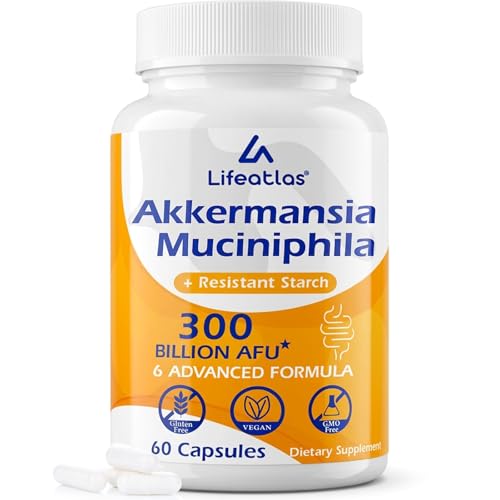
Diet, by contrast, is slower, less precise, and more variable between individuals. Someone with a highly disrupted microbiome may see limited Akkermansia growth even from an excellent diet. However, dietary strategies have advantages of their own: they are sustainable long-term, they support the entire gut ecosystem rather than targeting one organism, and they carry essentially no risk of side effects. The two approaches are not mutually exclusive. In fact, the prebiotic dietary pattern described above may make supplementation more effective by providing the conditions Akkermansia needs to survive and proliferate after introduction.
You can read more about how the supplement form compares to dietary approaches in our section on Akkermansia supplementation research, and explore how this bacterium fits into broader gut health strategies at gut microbiome foundations.
For authoritative background on the gut microbiome and its relationship to diet, the National Institute of Diabetes and Digestive and Kidney Diseases (NIDDK) provides evidence-based overviews that are regularly updated.
This article is for general informational purposes only and does not constitute medical advice. Consult a qualified healthcare provider before making significant changes to your diet or supplement routine.
Frequently Asked Questions
Can I get Akkermansia from eating fermented dairy like yogurt or kefir?
No. Akkermansia muciniphila is not present in yogurt, kefir, or any other fermented dairy product. These foods contain Lactobacillus and Bifidobacterium species, which are valuable in their own right, but they are different organisms. Fermented dairy may still indirectly support your Akkermansia levels by promoting a diverse, balanced gut environment, but it will not directly introduce this bacterium.

How much pomegranate or green tea do I need to actually make a difference?
The honest answer is that we do not yet have precise human dose-response data for most of these foods. Studies using polyphenol-rich food sources have typically used meaningful daily amounts, such as several cups of green tea or regular pomegranate juice consumption over weeks to months. Occasional intake is unlikely to produce measurable shifts. Consistent daily inclusion of a variety of polyphenol-rich foods is a more realistic and broadly beneficial approach than relying heavily on any single food.
Does following a Mediterranean diet help with Akkermansia levels?
Yes, observational research suggests that adherence to a Mediterranean dietary pattern, which is naturally rich in vegetables, fruits, legumes, olive oil, nuts, fish, and whole grains, is associated with higher Akkermansia abundance compared to Western dietary patterns. This makes sense given that the Mediterranean diet provides many of the polyphenols, prebiotic fibers, and omega-3 fatty acids that support this bacterium.
Will taking antibiotics wipe out my Akkermansia?
Antibiotic use can significantly reduce Akkermansia levels, along with many other beneficial bacteria. Recovery after a course of antibiotics varies widely between individuals and depends on diet, overall microbiome resilience, and other lifestyle factors. Prioritizing prebiotic fibers and polyphenol-rich foods during and after antibiotic treatment may help support recovery, though it is worth discussing specific strategies with your healthcare provider.
Are Akkermansia supplements better than dietary changes?
Neither approach is universally superior, and they work through different mechanisms. Dietary changes support the conditions in which Akkermansia can thrive and are beneficial for overall gut health regardless of Akkermansia status. Supplements aim to directly increase the organism or its bioactive components, which may be particularly relevant for people who already have a significantly depleted population. Current evidence suggests that combining a supportive diet with supplementation, where appropriate, is a reasonable strategy, but more long-term human trial data are still needed.
References
- Dewulf EM et al. Insight into the prebiotic concept: lessons from an exploratory, double blind intervention study with inulin-type fructans in obese women. Gut (2013). PMID 23135760
- Dao MC et al. Akkermansia muciniphila and improved metabolic health during a dietary intervention in obesity: relationship with gut microbiome richness and ecology. Gut (2016). PMID 26100928
These statements have not been evaluated by the Food and Drug Administration. This information is not intended to diagnose, treat, cure, or prevent any disease. Content is for informational purposes only and is not medical advice; consult a qualified healthcare provider before starting any supplement. As an Amazon Associate we earn from qualifying purchases.